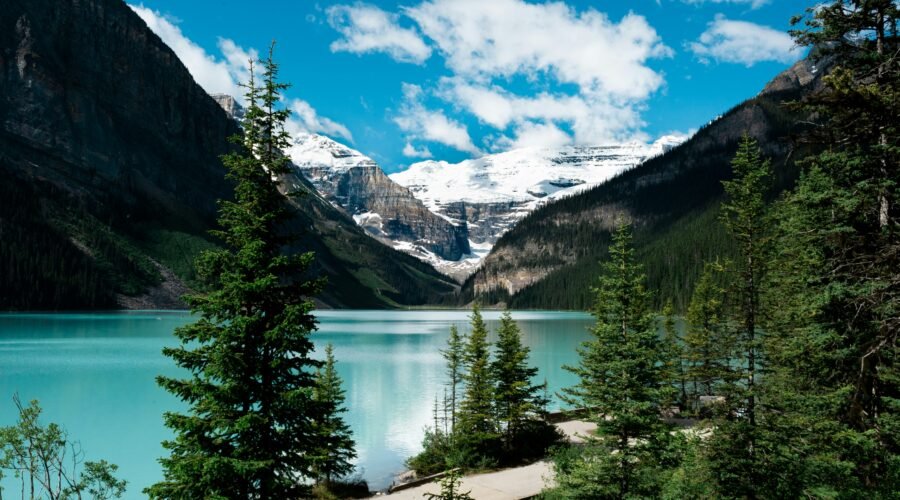
The best time to visit Lake Louise, Alberta, really depends on what you’re hoping to get out of your trip. If you’re dreaming of that iconic turquoise water and hiking, aim for late June to mid-September. For winter wonderland fanatics keen on skiing or ice skating, December to March is your window. Each season offers a completely different, but equally stunning, experience, with varying implications for crowds and your wallet. Let’s break it down further.
1. Spring (April – Early June): A Season of Thaw and Transformation
Spring at Lake Louise is a transitional period, offering a unique blend of experiences as winter slowly gives way to summer. It’s often overlooked, but for those seeking a quieter visit without sacrificing beauty, it has its merits.
Weather in Spring
- Cool Temperatures: Expect daytime temperatures to range from 5°C to 15°C (41°F to 59°F). Nights can still dip below freezing, especially in April and early May.
- Variable Conditions: This is a time of unpredictable weather. You might experience warm, sunny days, but also sudden snow showers, rain, or overcast skies. Layering is absolutely crucial.
- Lake Thaw: A significant event in spring is the thawing of Lake Louise. This typically occurs in late May or early June. Before it thaws, the lake is still frozen and often snow-covered. Once it melts, the famed turquoise colour gradually emerges.
- Snowpack: Higher elevation trails will still be covered in snow well into June, limiting hiking options. Lower trails might be muddy and wet from snowmelt.
Crowds in Spring
- Lower Tourist Numbers: Compared to peak summer and winter, spring sees significantly fewer visitors. This means less competition for parking, shorter lines for amenities, and a more serene atmosphere around the lake.
- Shoulder Season Benefits: Early spring (April, early May) is definitely shoulder season. You’ll share the scenery with fewer people, primarily locals or early-bird adventurers. As June approaches, crowds start to pick up, particularly on weekends.
Costs in Spring
- Accommodation Deals: You can often find better rates on hotels and cabins during April and May, before summer pricing kicks in. This can lead to substantial savings.
- Fewer Activity Options: Some summer activities like canoeing won’t be available until the lake thaws. Similarly, many hiking trails will still be inaccessible due to snow, potentially limiting paid excursions.
- Gas and Food: These costs remain fairly consistent year-round, though you might find slightly cheaper options in nearby Banff townsite rather than right at Lake Louise.
What to Do in Spring
- Witness the Thaw: Watching the lake transition from frozen white to brilliant blue is a memorable experience.
- Early Season Walks: Explore trails like the Lake Louise Lakeshore Trail, which usually clears earlier, though it might be wet.
- Skiing (Early Spring): If you visit in April, you might still catch the tail end of the ski season at Lake Louise Ski Resort, often with softer snow and fewer crowds.
For those planning a trip to Lake Louise, Alberta, understanding the best time to visit is crucial for an enjoyable experience. In addition to exploring the weather, crowds, and costs associated with different seasons, you might find it helpful to read about travel tips and guidelines in our related article on cookie policies, which can enhance your online experience while researching your trip. You can check it out here: Cookie Policy.
2. Summer (Late June – Mid-September): Iconic Views and Peak Activity
Summer is when Lake Louise truly shines, offering its most famous turquoise hues, lush hiking, and a bustling atmosphere.
Weather in Summer
- Warm and Sunny: Expect pleasant daytime temperatures, typically ranging from 20°C to 25°C (68°F to 77°F). Some days can be hotter, while evenings remain cool.
- Long Daylight Hours: Enjoy extended daylight, allowing for longer days of exploration and sightseeing.
- Consistent Lake Colour: The lake’s iconic turquoise colour is at its most vibrant during summer, fueled by glacial melt.
- Afternoon Showers: While generally sunny, be prepared for occasional afternoon thunderstorms, especially in July and August. They usually pass quickly.
Crowds in Summer
- Peak Season: This is Lake Louise’s busiest time. Expect significant crowds, especially on weekends and holidays.
- Parking Challenges: Finding parking at the Lake Louise Lakeshore parking lot becomes extremely difficult, often requiring visitors to arrive very early (before 7 AM) or use the Parks Canada shuttle service, which should be booked in advance.
- Busy Trails: Popular hiking trails like Plain of Six Glaciers and Lake Agnes Tea House will be well-trafficked.
- Accommodation Demand: Hotels and campgrounds book up months in advance.
Costs in Summer
- Highest Prices: Accommodation rates reach their peak during summer. Book well in advance for any chance of securing preferred lodging.
- Shuttle Fees: While not exorbitant, the mandatory Parks Canada shuttle for accessing the lake adds to the cost unless you arrive incredibly early or opt for guided tours.
- Activity Costs: Canoeing on Lake Louise, guided hikes, and other paid activities will be at their standard (often premium) summer rates.
What to Do in Summer
- Hiking: All trails are typically open and accessible, from easy strolls to challenging alpine treks. The Plain of Six Glaciers Tea House and Lake Agnes Tea House hikes are highlights.
- Canoeing: Rent a canoe directly from the Fairmont Chateau Lake Louise to glide across the stunning turquoise water.
- Photography: Capture those classic postcard-perfect shots of the lake, mountains, and chateau.
- Wildlife Viewing: Keep an eye out for wildlife, especially during early mornings or late evenings.
3. Fall (Mid-September – Early November): Golden Larch Season and Quieter Trails
Fall is a spectacular, albeit short, season at Lake Louise, famous for its golden larch trees and a noticeable decrease in crowds after the summer rush.
Weather in Fall
- Crisp and Cool: Temperatures gradually drop, ranging from 5°C to 15°C (41°F to 59°F) in September, falling to below freezing by November.
- Larch Season (Late September/Early October): This is the highlight of fall. The alpine larch trees turn a brilliant golden yellow, creating stunning landscapes, especially on specific trails.
- First Snows: Don’t be surprised by early snowfalls, especially in higher elevations, particularly as October progresses.
- Lake Colour: The lake generally maintains its beautiful colour well into early fall, though it might become a slightly deeper blue as glacial melt slows.
Crowds in Fall
- Post-Summer Dip: After mid-September, the general tourist crowds thin out significantly, especially on weekdays.
- Larch Season Rush: However, the “larch march” in late September and early October creates its own surge of visitors, particularly on the Larch Valley/Sentinel Pass trail. Weekends during this period can still feel busy.
- Easier Parking: Outside of peak larch weekends, parking is generally easier to find compared to summer.
Costs in Fall
- Shoulder Season Rates: Accommodation prices typically drop to shoulder season rates after the summer peak, making it a more affordable time to visit.
- Larch Season Popularity: While overall costs are lower, extremely popular hotels might still command higher rates during the prime larch viewing weeks.
- Fewer Paid Activities: Many summer activities like canoeing cease operation by early to mid-October.
What to Do in Fall
- Larch Viewing Hikes: The number one activity is hiking the Larch Valley & Sentinel Pass trail. Consolation Lakes is another great spot for larch viewing.
- Quiet Exploration: Enjoy the stunning scenery with fewer people on the trails and around the lake itself.
- Photography: The golden larches against the turquoise lake and snow-capped peaks offer incredible photographic opportunities.
- Early Season Backcountry Skiing: For experienced adventurers, early November can offer opportunities for backcountry skiing in higher elevations before the resorts open.
4. Winter (Mid-November – March): A Frozen Wonderland
Winter transforms Lake Louise into a magical landscape, perfect for snow sports and a different kind of serene beauty.
Weather in Winter
- Cold and Snowy: Expect consistent sub-zero temperatures, often ranging from -5°C to -25°C (23°F to -13°F) and sometimes colder during cold snaps.
- Abundant Snowfall: The area receives significant snowfall, creating a deep snowpack and pristine winter scenes.
- Frozen Lake: Lake Louise completely freezes over, typically by December, remaining frozen until late May/early June. It becomes a natural ice skating rink.
- Short Daylight Hours: Days are much shorter, especially in December and January.
Crowds in Winter
- Ski Season Crowds: The Lake Louise Ski Resort attracts significant crowds, especially on weekends and holidays (Christmas, New Year’s, Family Day).
- Relatively Quieter at the Lake: While the ski hill is busy, the area directly around Lake Louise can feel more peaceful than in summer, especially if you’re not staying at the Fairmont Chateau.
- Holiday Rush: Expect peak crowds and demand during the Christmas and New Year’s period.
Costs in Winter
- Ski Resort Dependent: If you’re planning to ski, lift tickets and ski rentals will be a significant cost.
- Holiday Peak Pricing: Accommodation rates skyrocket during the Christmas/New Year’s holiday period.
- Shoulder Winter Deals: You can often find better deals in early December, late January, and March, outside of school holidays.
- Activity Costs: Ice skating is often free if you bring your own skates, or rentals are available. Sleigh rides are a popular paid activity.
What to Do in Winter
- Ice Skating: Skate on the cleared section of Lake Louise, often adorned with a beautiful ice castle sculpture. Skate rentals are available.
- Skiing and Snowboarding: The Lake Louise Ski Resort offers world-class terrain for all levels.
- Snowshoeing: Explore snow-covered trails around the lake, such as the Lake Louise Lakeshore or Fairview Lookout.
- Cross-Country Skiing: Groomed cross-country trails are available in the area.
- Sleigh Rides: Enjoy a scenic sleigh ride along the lake, often starting from the Fairmont Chateau.
- Ice Climbing: For the adventurous, there are opportunities for ice climbing in the surrounding frozen waterfalls.
If you’re planning a trip to Lake Louise, Alberta, you might also find it helpful to explore our article on the best times to visit this stunning destination. This resource provides insights into the weather, crowd levels, and costs associated with different seasons, ensuring you make the most of your visit. For more information, you can check out our team and their expertise in travel planning by visiting this link.
5. Final Considerations for Your Visit
Beyond just weather and crowds, here are a few more practical thoughts to keep in mind when planning your Lake Louise adventure.
Accommodation Booking
- Book Early, Especially Peak Season: Regardless of the time of year, if you plan to stay at Lake Louise (specifically at the Fairmont Chateau Lake Louise or Lake Louise Inn), book as far in advance as possible. These places fill up quickly and are expensive.
- Consider Nearby Options: Staying in Banff townsite can be a more affordable alternative, with convenient transport options to Lake Louise. Field, BC, just a short drive west, also offers some guesthouses.
Transportation & Parking
- Summer Shuttle is Key: During summer (late June to mid-October), Parks Canada strongly recommends using their shuttle service from the Lake Louise Park and Ride lot (located off the Trans-Canada Highway) to access the lakeside. Pre-booking is essential.
- Early Bird or Bust: If you insist on driving an personal vehicle to the Lake Louise parking lot during peak season, you need to arrive before 7 AM (seriously early!) to secure a spot.
- Winter Driving: Be prepared for winter driving conditions (snow, ice, limited visibility) if visiting between November and April. Winter tires are highly recommended, and legally required on some mountain passes in BC.
What to Pack
- Layering is Non-Negotiable: Regardless of the season, mountain weather can change rapidly. Always pack layers you can easily add or remove.
- Footwear: Sturdy, comfortable hiking boots for summer/fall. Waterproof, insulated boots for winter.
- Sun Protection: Even on cloudy days and especially with snow reflection, sun protection (sunscreen, hat, sunglasses) is important year-round.
- Bear Spray: If you’re venturing onto hiking trails in summer or fall, carrying bear spray and knowing how to use it is a good idea. Check Parks Canada guidelines.
Flexibility is Your Friend
- Weather Changes: Mountain weather is notoriously unpredictable. Have backup plans or be prepared to adjust your activities based on the conditions.
- Seasonal Delays: Lake thaw or early snowstorms can impact trail openings or lake activities. Check official Parks Canada trail reports and weather forecasts before you go.
By considering these factors carefully, you can choose the perfect time to visit Lake Louise that aligns with your ideal Canadian Rockies experience. Each season paints this magnificent landscape in a distinct and unforgettable light.
FAQs
1. What is the best time to visit Lake Louise, Alberta for favorable weather?
The best time to visit Lake Louise, Alberta for favorable weather is during the summer months of June to August. During this time, the weather is generally mild with temperatures ranging from 50°F to 70°F, making it ideal for outdoor activities such as hiking and sightseeing.
2. When is the peak tourist season at Lake Louise, Alberta?
The peak tourist season at Lake Louise, Alberta is during the summer months of June to August. During this time, the area experiences the highest number of visitors, resulting in crowded attractions and higher accommodation costs.
3. What is the best time to visit Lake Louise, Alberta to avoid crowds?
To avoid crowds, it is best to visit Lake Louise, Alberta during the shoulder seasons of late spring (May) and early fall (September to October). During these times, the crowds are thinner, and the weather is still pleasant for outdoor activities.
4. When is the off-peak season at Lake Louise, Alberta, and what are the advantages of visiting during this time?
The off-peak season at Lake Louise, Alberta is during the winter months of November to April. Visiting during this time offers the advantage of fewer crowds, lower accommodation costs, and the opportunity to experience winter activities such as skiing and snowshoeing.
5. What are the average costs of visiting Lake Louise, Alberta during the peak tourist season?
During the peak tourist season of June to August, the average costs of visiting Lake Louise, Alberta are higher due to increased demand. Accommodation costs, dining expenses, and activity fees may be higher compared to the off-peak seasons.