Banff changes dramatically with the seasons, so the best time to visit depends on what you want to see and do. For a balanced trip with pleasant weather and fewer peak-summer crowds, late May through June and September into early October can work well. For the widest choice of alpine hikes, however, July through mid-September is more reliable.
Quick Answer
The best time to visit Banff for a balance of weather, crowds, and cost is usually June or September. Choose July through mid-September for the most reliable alpine hiking, late September for golden larches, and December through early spring for skiing and classic winter scenery.
Key Takeaways
- Best overall balance: June and September offer a useful mix of scenery, access, and somewhat lighter demand than July and August.
- Best for alpine hiking: July through mid-September. Many high passes can remain snowy into late June.
- Best for golden larches: Usually late September, although exact timing changes with elevation and weather.
- Best for skiing: Winter through spring; individual resort closing dates vary and some skiing can continue into May.
- Important Moraine Lake rule: Personal vehicles are not allowed on Moraine Lake Road year-round. Use Parks Canada shuttles, transit, or an eligible commercial operator.
Understanding Banff’s Seasons
Banff is a year-round destination, but temperature is only part of the decision. Trail conditions, lake ice, seasonal transportation, wildlife restrictions, daylight, hotel demand, and available activities can all change within a few weeks.
| Period | Best For | Main Trade-Off |
|---|---|---|
| July-August | Warm weather, alpine hiking, long days | Highest demand and busiest attractions |
| June | Long days, lakes, lower-elevation hiking | High trails may still have snow |
| September | Hiking, photography, larches | Cooler nights and possible early snow |
| Late October-November | Quiet visits and transitional scenery | Fewer seasonal activities |
| December-March | Skiing, snowshoeing, winter scenery | Cold weather and shorter daylight |
1. Summer in Banff: June Through August
If you picture Banff with turquoise lakes, long days, green valleys, and mountain hiking, you are probably picturing summer. It provides the widest range of warm-weather activities, but July and August also bring the greatest visitor demand.
The Good: Warm Weather and the Widest Access
- Comfortable daytime weather: Parks Canada lists July as Banff’s warmest month, with an average high of about 22°C (72°F) in the town of Banff. Warm spells can be hotter, while nights and higher elevations remain much cooler.
- Very long days: Near the end of June, sunrise is around 5:30 a.m. and sunset around 10 p.m., giving you roughly 16.5 hours between sunrise and sunset.
- Prime alpine hiking: Parks Canada describes July through mid-September as the prime hiking season. By mid-July, most alpine passes are normally snow-free, although conditions vary each year.
- Classic lake scenery: Lake Louise and Moraine Lake are normally ice-free during the main summer season, allowing visitors to see the famous glacial color.
- More activities: Hiking, paddling where permitted, cycling, sightseeing, and scenic drives are generally easiest to plan in summer.
Summer does not mean every trail and road is automatically open. Wildlife restrictions, maintenance, fire conditions, weather, and temporary closures can affect access at any time. Check current Banff trail conditions before setting out.
The Trade-Offs: Crowds and Higher Demand
- Busy attractions: Lake Louise, Johnston Canyon, Banff Avenue, and other well-known locations can be very busy in July and August.
- Limited Lake Louise parking: Parking at Lake Louise Lakeshore is limited, so Parks Canada encourages visitors to use shuttle or transit options during the busy season.
- Moraine Lake requires transportation planning: Personal vehicles are not permitted on Moraine Lake Road year-round.
- Higher travel costs: Summer demand can push accommodation and transportation prices above shoulder-season levels. Compare rates early rather than relying on last-minute availability.
- Reservations matter: Campgrounds, popular lodging, and transportation to Lake Louise and Moraine Lake can sell out.
2026 Access Note: Moraine Lake Road is closed to personal vehicles year-round. Current Parks Canada information lists shuttle service to Moraine Lake from June 1 through October 12, 2026. Shuttle schedules and operating dates can change with conditions, so verify them before your trip.
Pro Tip: For 2026 Parks Canada shuttle reservations, 40% of seats were released for the season on April 15, while the remaining 60% are released on a rolling basis two days before departure. That means missing the first release does not automatically mean you have missed your chance.
For classic alpine hiking, Parks Canada identifies July through mid-September as the prime season; many high passes can still be snowbound until late June.
2. Shoulder Seasons: Late May-June and September-Early October
These periods can offer an excellent compromise, but the trade-offs differ between spring and fall. They should not be treated as identical seasons.
Spring Shoulder: Late May Through June
- Valleys begin to green: Snow retreats from lower elevations while waterfalls and rivers are fed by spring snowmelt.
- Lower trails become more useful: Lower and sunny trails can be suitable before high alpine routes are ready.
- Lake conditions change quickly: Lake Louise typically transitions from winter ice toward open water around this part of the season, but thaw timing varies from year to year. Do not plan a trip around one guaranteed thaw date.
- Less dependable alpine hiking: Parks Canada warns that many passes can remain snowbound until late June. Mud, snow, and avalanche hazards can persist at higher elevations.
- Cool and changeable weather: Mountain conditions can shift from warm sunshine to rain or snow quickly.
If your main goal is long alpine hikes, late May is usually too early. If your priorities are sightseeing, waterfalls, town activities, and lower-elevation walks, however, it can be rewarding.
For current lake transportation, trail conditions, reservations, and seasonal access, use the official Parks Canada Lake Louise and Moraine Lake shuttle information.
Autumn Shoulder: September Through Early October
- Golden larches: Larch needles usually turn gold around late September, making areas such as Larch Valley especially popular with hikers and photographers. Timing varies by elevation and weather.
- Good hiking temperatures: Crisp daytime conditions can be excellent for walking, although mornings and evenings become noticeably colder.
- Fewer insects: Biting insects are generally less bothersome than in early summer.
- Excellent photography: Golden trees, fresh snow on high peaks, and lower-angle autumn light can produce striking scenery.
- Some crowd relief: Overall summer demand begins to ease, although famous larch hikes can still be extremely busy.
- Early winter is possible: Snowfall and freezing temperatures can arrive at higher elevations well before the calendar says winter.
Do not plan on driving a private vehicle to Moraine Lake during autumn. The road remains closed to personal vehicles year-round. Seasonal shuttle and authorized commercial access normally end in October.
3. Early Spring: March Through Mid-May

This is a transition period. March can still feel completely wintry, while May may bring bare valley trails alongside snowy alpine terrain.
What to Expect
- Plenty of snow at elevation: March and April remain winter-like across much of the park.
- Limited alpine hiking: Higher trails may be covered by snow and exposed to avalanche terrain. Lower trails can be icy, wet, or muddy.
- Skiing may continue: Do not assume Banff-area ski resorts close in mid-April. Closing dates vary each year, and some resorts operate into May. Lake Louise Ski Resort, for example, finished its 2025/26 season on May 3, 2026.
- Changing lake scenery: Lake ice conditions vary substantially by year, elevation, and weather. Early May may still look very different from the turquoise-lake scenes associated with summer.
- Potential value: Some dates outside spring-break, ski-weekend, and holiday demand can offer better lodging availability than peak summer, although prices are never guaranteed.
- Quieter sightseeing: Many locations are calmer than in July and August.
Warning: Snow on a hiking trail can mean more than slippery footing. Some routes enter avalanche terrain. Check official trail reports and avalanche information before attempting snowy backcountry routes.
4. Late Autumn: Mid-October Through November

This is one of Banff’s quieter transitional periods. The larch colors are usually finished, winter is approaching, and some seasonal services have ended.
Quiet and Transitional
- More frequent snow: Temperatures fall and snow becomes increasingly common, especially at elevation.
- Lower visitor demand: Many sightseeing areas feel calmer after the summer and larch-season rush.
- Possible lodging savings: You may find better availability than during July and August, although rates vary by property, weekday, and event dates.
- Fewer warm-weather activities: Alpine hiking becomes less dependable, while full winter recreation may still be waiting for enough snow.
- Changing scenery: Some days bring fresh white peaks and clear air; others can be grey, wet, or icy.
This period works best if your priorities are quiet sightseeing, short walks, restaurants, museums, hot springs, and flexibility rather than a long list of alpine activities.
Before choosing a trail or scenic drive, check Parks Canada’s current closures and restrictions. Wildlife-management closures and weather-related restrictions can affect individual areas at different times of year.
5. Winter Wonderland: December Through Early March
| Month | Weather | Crowds | Costs |
|---|---|---|---|
| December | Cold, snowy, short daylight | Moderate; high around holidays | Higher around Christmas and New Year |
| January | Often very cold with winter snow | Generally lower outside weekends | Variable; ski demand affects rates |
| February | Cold with established snowpack | Moderate; busier on holiday weekends | Moderate to high around holidays |
| March | Still wintry, with longer days | Moderate | Variable with ski and spring-break demand |
Winter transforms Banff into a snow-covered mountain destination with downhill skiing, cross-country skiing, snowshoeing, winter walks, and other cold-weather activities.
Iconic Winter Experiences
- Skiing and snowboarding: Lake Louise, Sunshine Village, and Mount Norquay are major Banff-area ski destinations. Exact opening and closing dates depend on each resort and snow conditions.
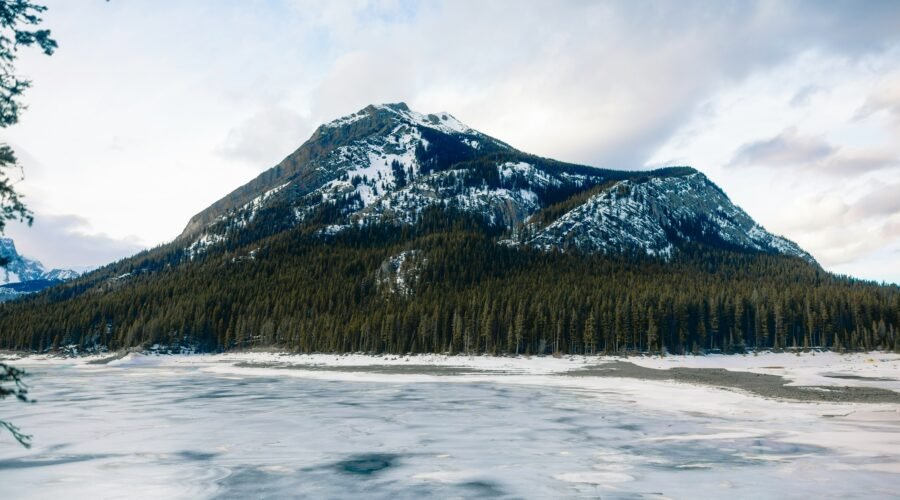
- Frozen-lake scenery: Lake Louise and other bodies of water can freeze during winter, creating striking views and, under appropriate conditions, opportunities for skating.
- Cold, variable weather: January is Banff’s coldest month. Parks Canada lists an average January low around -15°C (5°F), while cold snaps can fall into the -30s°C.
- Winter activities: Depending on conditions and location, visitors can enjoy ice skating, snowshoeing, cross-country skiing, fat biking, winter walking, and guided winter experiences.
- Hot springs: Banff Upper Hot Springs can be especially appealing after a cold day outdoors.
Warning: Parks Canada does not monitor natural ice surfaces for safety or mark hidden hazards. A lake looking frozen is not proof that it can safely support you. Parks Canada cites 15 cm of ice as the recommended minimum for one person walking or skating, but ice thickness can vary across the same body of water.
The Downside: Cold, Short Days and Restricted Access
- Holiday costs: Christmas, New Year, Family Day, and other busy ski periods can increase lodging demand.
- Seasonal roads and trails: Some areas close or have restrictions in winter.
- Short daylight: Banff can have only about eight hours of daylight in December.
- Winter hazards: Snow-packed paths, thin ice, hypothermia, frostbite, and avalanches all require more planning than a typical summer walk.
Parks Canada recommends ice cleats for many winter walking conditions and warns that travelers entering avalanche terrain need appropriate knowledge, skills, and equipment. Review its winter safety guidance before heading into snowy terrain.
Best Time to Visit Banff by Priority
- For warm weather and the widest activity choice: July through August.
- For prime alpine hiking: July through mid-September.
- For a balance of scenery and somewhat lower demand: June or September.
- For golden larches: Usually late September.
- For turquoise lakes: Summer into early fall is the safest planning window, since spring thaw timing varies.
- For skiing and snow sports: December through early spring, with some resort operations potentially extending into May.
- For a quieter trip: Late October through November or selected spring dates can work well if you accept reduced alpine access.
Planning for Costs
Banff’s largest trip costs usually depend on accommodation, transportation, activities, and the dates you choose. July and August generally bring the strongest demand. Holiday ski periods can also be expensive, while transitional months sometimes provide better availability.
A national park pass is normally required for visitors who stop in Banff National Park. Parks Canada periodically runs promotions and updates fees, so check the official Banff fees page rather than relying on an old price quoted in a travel article.
Transportation to Lake Louise and Moraine Lake can add another cost. If those lakes are important to your itinerary, compare shuttle and transit options before deciding whether a rental car is necessary for your entire stay.
Conclusion: When Should You Visit Banff?
The best time to visit Banff depends on what you value most. July and August provide warm weather, long daylight, and excellent access to alpine hiking, but they also bring the heaviest demand. June is a strong choice for sightseeing and long days if you accept that some high trails may still be snowy.
September is one of the most versatile months for hiking and photography, with cooler temperatures and the possibility of golden larches later in the month. Winter is the clear choice for skiing and snow-covered scenery, while late autumn and early spring suit travelers who prefer a quieter trip and can remain flexible about outdoor access.
Whatever month you choose, mountain conditions can change quickly. Check current weather, trail reports, closures, road information, and Parks Canada bulletins shortly before each outing rather than assuming seasonal conditions will match the calendar.
Frequently Asked Questions
What is the best overall time to visit Banff?
June and September are strong all-around choices because they can provide good scenery and useful outdoor access without concentrating your trip entirely in the July-August peak. If alpine hiking is your main goal, July through mid-September is more dependable.
When is the best weather in Banff?
July is generally Banff’s warmest month, with an average high of about 22°C in the town of Banff. Mountain weather can still change quickly, so carry warm and waterproof layers even on a sunny summer day.
When is the best time for hiking in Banff?
Parks Canada identifies July through mid-September as the prime hiking season. Lower-elevation hikes may be available earlier, but many alpine passes remain snowy into late June.
When can I see Banff’s turquoise lakes?
Summer through early fall is the most reliable planning window for ice-free turquoise lake scenery. Spring thaw dates vary from year to year, so late May or early June should not be treated as a guaranteed ice-free date.
When is Banff least crowded?
Late autumn and selected spring dates are generally quieter than July and August. September can be calmer overall than midsummer, but popular larch hikes may become very busy in late September.
When is the cheapest time to visit Banff?
There is no guaranteed cheapest month, but lower-demand periods such as late October, November, and parts of spring may provide better lodging availability than peak summer. Ski weekends, holidays, and special events can still raise prices.
Can I drive my car to Moraine Lake?
No. Moraine Lake Road is closed to personal vehicles year-round. Visitors normally reach Moraine Lake by Parks Canada shuttle, eligible transit, or an authorized commercial transportation provider during the seasonal access period.
Is Banff worth visiting in winter?
Yes, especially if you enjoy skiing, snowshoeing, winter scenery, ice skating, or hot springs. Expect short daylight, cold temperatures, icy trails, and restricted access to some summer destinations.
Sources
- Parks Canada — Banff Weather Conditions — temperature, daylight, elevation, and mountain-weather guidance.
- Parks Canada — Hiking in Banff National Park — prime hiking season and high-elevation snow conditions.
- Parks Canada — Lake Louise and Moraine Lake Shuttle FAQ — Moraine Lake vehicle restrictions and 2026 shuttle reservations.
- Parks Canada — Seasonal Closures and Restrictions — road, wildlife, and seasonal access restrictions.
- Parks Canada — Winter Safety — ice, avalanche, wildlife, hypothermia, and winter-trail guidance.
- Lake Louise Ski Resort — Final Weekend of the 2025/26 Season — confirms skiing continued through May 3, 2026.