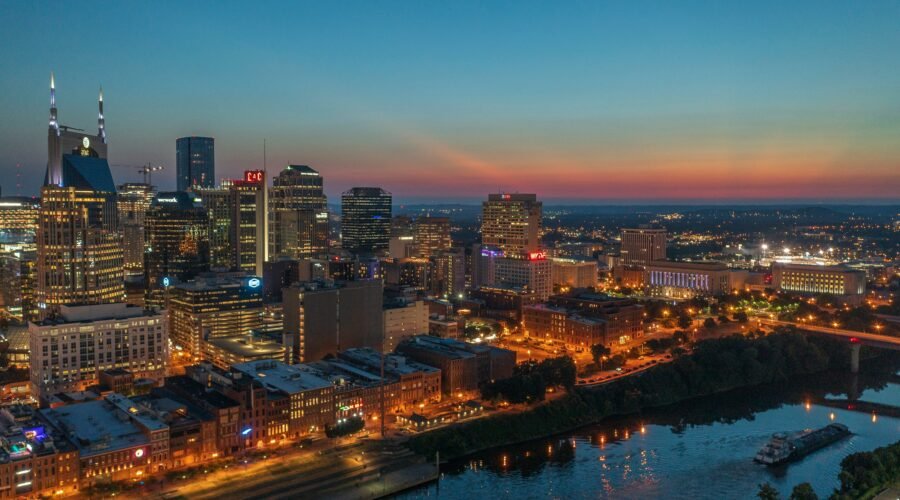
If you’re trying to decide the best time to visit Nashville, the strongest all-around choices are usually April through May and September through October. These months avoid much of midsummer’s heat while still giving you plenty of live music, outdoor sightseeing, patios, parks, and events. Your ideal dates, however, depend on whether you care most about comfortable weather, smaller crowds, lower hotel rates, or major festivals.
Quick Answer
Visit Nashville in April-May or September-October for the best balance of comfortable weather and outdoor sightseeing. October is especially appealing for cooler walking weather, while April-May is lively but can bring severe thunderstorms. For lighter crowds and potential savings, consider January-February outside major event and holiday weekends.
Key Takeaways
- Best overall: April-May and September-October.
- Best single month for comfortable sightseeing: October is hard to beat if you prefer cooler days.
- Best for potential savings and lighter crowds: January and February, outside major events.
- Best for maximum festival energy: Late spring through early summer, especially around major music weekends.
- Hardest weather for long outdoor days: July and August because normal highs are around 90°F and humidity can make conditions feel hotter.
- Always check the event calendar: One major concert, festival, race, football game, or convention can change hotel demand and traffic dramatically.
Nashville Weather and Travel Conditions at a Glance
Nashville has four distinct seasons, but temperatures can change quickly. The National Weather Service Nashville climate records show normal July highs near 91°F, while January’s normal high is about 49°F. Spring and fall sit between those extremes, which is a major reason they work so well for sightseeing.
| Month | Normal High | Normal Low | Travel Feel |
|---|---|---|---|
| January | 49°F / 9°C | 30°F / -1°C | Quiet, cold, good for indoor attractions |
| February | 54°F / 12°C | 33°F / 1°C | Cool and generally less busy |
| March | 63°F / 17°C | 40°F / 4°C | Warming up; changeable weather |
| April | 73°F / 23°C | 49°F / 9°C | Excellent walking weather; storm risk |
| May | 80°F / 27°C | 58°F / 15°C | Warm, green, lively |
| June | 88°F / 31°C | 66°F / 19°C | Hotter with major music events |
| July | 91°F / 33°C | 71°F / 22°C | Hot and humid |
| August | 90°F / 32°C | 69°F / 21°C | Hot and humid |
| September | 84°F / 29°C | 62°F / 17°C | Warm early; increasingly pleasant later |
| October | 74°F / 23°C | 50°F / 10°C | Excellent outdoor sightseeing weather |
| November | 61°F / 16°C | 39°F / 4°C | Cooler and usually calmer after fall |
| December | 52°F / 11°C | 33°F / 1°C | Cold with holiday events |
These are long-term climate normals, not a forecast. A particular Nashville weekend can be much hotter, colder, wetter, or stormier.
1. Spring: April-May Is One of the Best Times to Visit Nashville
Spring is an excellent choice if you want warm days without the persistent midsummer heat. Parks turn green, outdoor dining becomes more comfortable, baseball returns, and Nashville’s festival calendar becomes much busier.
Ideal Weather Conditions
NWS climate normals put Nashville’s average high near 73°F in April and 80°F in May, with normal lows near 49°F and 58°F. That makes many days comfortable for exploring downtown, Centennial Park, neighborhoods, greenways, and outdoor venues.
Rain and thunderstorms remain part of spring, however, so do not assume every shower will be short.
Warning: Spring is also Nashville’s main severe-weather season. The National Weather Service’s long-term Middle Tennessee tornado climatology identifies March through May as the primary tornado peak. Check the forecast and enable weather alerts during your trip, especially if thunderstorms are expected.
Crowds and Atmosphere
Spring can feel easier than the biggest festival weekends, but it should not automatically be treated as a low-crowd season. April and May are popular travel months, and races, concerts, graduations, conventions, and festivals can fill hotels.
Broadway will still be busy on weekends, while attractions such as the Ryman Auditorium, Country Music Hall of Fame and Museum, and major music venues can see strong demand. Booking timed attractions before arrival is sensible if you are visiting on a Friday or Saturday.
Spring Costs
- Flights: Prices vary by route and date. Compare several weekends instead of assuming one spring month will always be cheaper.
- Hotels: Rates can rise substantially around major events, conventions, races, and concerts. Staying outside the immediate downtown core may provide additional choices.
- Activities: Most attractions use their regular admission structure, but popular tours and performances can sell out at desirable times.
Pro Tip: Before booking a hotel, check both Nashville’s event calendar and the schedule at major downtown venues. An otherwise ordinary spring weekend can become expensive when several large events overlap.
What to Do in Nashville in Spring
- Enjoy patios and rooftops: Mild evenings make outdoor dining much easier than in midsummer.
- Catch a Nashville Sounds game: The Nashville Sounds are the city’s Triple-A baseball team, and their season provides an affordable alternative to another night on Broadway.
- Explore parks and greenways: Centennial Park, Percy Warner Park, Shelby Bottoms and the local greenway network are good spring options.
- Attend a festival: Spring brings songwriter events, races, food events, garden programming and live music.
If you also use this site when comparing travel equipment or accessories for your trip, you can read How We Review Products to understand the site’s product-review process.
2. Fall: September-October Is Another Excellent Choice
Fall competes closely with spring for the best time to visit Nashville. September can still feel summery, especially early in the month, while October offers a noticeable drop in temperature that makes long sightseeing days more comfortable.
Fall Weather for Sightseeing
NWS normals put September’s high near 84°F and October’s near 74°F. Normal nighttime lows fall from about 62°F in September to 50°F in October.
That difference matters if you plan to walk between neighborhoods, spend time in parks, sit outdoors for a concert, or explore the city for hours at a time. Late October evenings can feel chilly, so bring a light jacket or layer.
Fall Crowds
Fall remains popular, particularly on weekends. Concerts, conventions, festivals, college football and other events can create local surges in traffic and hotel demand.
Vanderbilt and Tennessee State home-game weekends can add sports crowds, while major concerts and downtown events can have an even larger effect.
Fall Costs
- Flights: Prices are dynamic, so there is no dependable rule that September or October will always be cheaper.
- Hotels: October’s attractive weather makes it a desirable travel month. Compare event calendars before assuming shoulder-season pricing.
- Activities: Core attractions generally remain available at standard admission rates, but high-demand performances and tours can sell out.
Why Fall Is Great
- Outdoor concerts: Cooler evening temperatures are much friendlier for open-air events.
- Scenic drives: The Natchez Trace Parkway provides a nearby option for scenic driving and outdoor stops.
- College football: Home-game weekends can add a lively sports atmosphere.
- Fall events: September and October bring film, music, cultural and seasonal programming.
- Parks and walking: October is particularly comfortable for Centennial Park, greenways and neighborhood exploration.
3. Summer: June-August Is Hot, Humid and Event-Heavy
Summer can be an exciting time to visit Nashville, particularly if a major music event is the reason for your trip. The tradeoff is heat. If your perfect Nashville day involves hours of walking outside, July and August are usually less comfortable than spring or fall.
Heat and Humidity
NWS climate normals show highs near 88°F in June, 91°F in July and 90°F in August. Normal nighttime lows are in the upper 60s to around 70°F, so evenings do not always cool down dramatically.
Humidity can make hot days feel more taxing, and thunderstorms can interrupt outdoor plans.
Warning: During periods of dangerous heat, the National Weather Service recommends limiting strenuous outdoor activity, staying hydrated, using air-conditioned spaces and moving outdoor plans to cooler parts of the day when possible.
Summer Crowds Vary by Weekend
Summer is busy, but the biggest difference often comes from the event calendar rather than the month alone. CMA Fest, Independence Day celebrations, stadium concerts and other major events can produce exceptionally heavy downtown demand.
Major events can transform a Nashville weekend: CMA Fest organizers estimated about 100,000 fans per day in 2026, while Nashville tourism officials reported downtown hotel occupancy of 89.4% during the four-day festival.
Summer Costs
- Flights: Summer vacation demand can raise fares on some routes, but airfare varies too much to call summer universally the most expensive period.
- Hotels: Expect especially strong demand around CMA Fest, July 4, large stadium concerts and other headline events.
- Activities: Reserve high-priority shows and tours early when visiting during a major event weekend.
How to Handle Nashville in Summer
- Use air-conditioned attractions: Museums, music venues, shops and indoor tours work well during the hottest hours.
- Stay hydrated: Carry water and take cooling breaks.
- Use the hotel pool: If your accommodation has one, build downtime into the afternoon.
- Go outside earlier or later: Parks and walking tours are often more comfortable away from peak afternoon heat.
- Protect yourself from the sun: Sunscreen, a hat and breathable clothing are useful for long outdoor days.
4. Winter: November-March Is Quieter but Weather Can Vary
Winter gives Nashville a different rhythm. January and February in particular can provide a calmer experience than busy spring, summer and fall weekends, making this period attractive if museums, restaurants and live indoor music are more important to you than patio weather.
Winter Temperatures, Snow and Ice
November’s normal high is about 61°F, while December averages roughly 52°F. January is the coldest month by normal high at about 49°F, followed by February at about 54°F. March rebounds to roughly 63°F.
Snow does occur, but Nashville is not a consistently snowy winter destination. NWS climate records list normal annual snowfall at about 4.7 inches. Ice and freezing rain can sometimes be more disruptive to roads than the total snowfall suggests.
Note: If temperatures are near freezing, check road and weather conditions before driving. The National Weather Service warns that freezing rain, freezing drizzle and rapid freezes can create dangerous road surfaces even when snowfall is limited.
Lighter Crowds, with Important Exceptions
January and February are generally good months to investigate if smaller crowds are your priority. Thanksgiving, Christmas programming, New Year’s celebrations, football, conventions and major concerts can still create busy periods.
Early December can be appealing if you want holiday decorations and seasonal entertainment without waiting until the Christmas-New Year’s period.
Winter Can Be Better for Budget Travelers
- Flights: January and February are worth comparing if cost is your main concern, but there is no guarantee they will produce the cheapest fare from every departure city.
- Hotels: Lower-demand winter dates can offer better value than major warm-weather weekends. Holiday and event nights are the important exceptions.
- Activities: Indoor attractions remain useful regardless of temperature, and lighter demand can make planning easier.
What to Do During Winter
- Explore museums: Winter is a natural time to spend longer at Nashville’s indoor cultural attractions.
- Enjoy live music: Broadway, the Ryman, the Grand Ole Opry and neighborhood venues continue operating throughout the colder months.
- See holiday programming: Late November and December bring lights, seasonal performances and special events, including major holiday programming at Gaylord Opryland.
- Look for seasonal skating: Temporary ice-skating options may appear during the holiday season; confirm the current year’s schedule before going.
- Try Nashville comfort food: Hot chicken, biscuits and other hearty dishes fit a cold sightseeing day particularly well.
For information about this site’s policies and conditions of use, see the terms and conditions.
5. Festivals and Special Events Can Change the Best Time to Visit
Nashville’s event calendar matters almost as much as the season. A comfortable October weekend can still be expensive if it overlaps with major conventions, football, concerts or festivals, while a hot summer weekday may be relatively straightforward.
Major Annual Events to Check Before Booking
| Event | Current/Typical Timing | Trip Impact |
|---|---|---|
| CMA Fest | Early June; June 4-7 in 2026 | One of Nashville’s biggest downtown weekends, with extremely heavy visitor and hotel demand. |
| Tin Pan South Songwriters Festival | Late March in 2026 | Hundreds of songwriters perform across multiple Nashville venues; popular shows can sell out. |
| Rock ‘n’ Roll Nashville | April 25-26 in 2026 | Runner demand plus significant race-day road closures and traffic changes. |
| Music City Food & Wine Festival | Spring; next published spring festival is April 23-25, 2027 | Centennial Park and restaurant events create localized visitor demand. |
| Nashville Film Festival | September 24-30 in 2026 | Screenings and industry programming occur at venues around Nashville. |
| Let Freedom Sing! Music City July 4th | July 4; the 2026 celebration expanded across July 3-4 | Large downtown crowds, concerts, fireworks and significant traffic considerations. |
| Music City Bowl | Late December; December 30 in 2026 | Football fans increase activity around downtown and Nissan Stadium. |
A Note About Bonnaroo
Bonnaroo is often mentioned in Nashville travel planning because many attendees travel through Nashville, but the festival itself is not held in Nashville. It takes place on the Bonnaroo Farm in Manchester, Tennessee. If Bonnaroo is the main purpose of your trip, plan your lodging and transportation around Manchester rather than assuming the festival is downtown.
Booking Around Major Events
If your trip overlaps with a major festival, concert, race or football weekend:
- Book earlier than you normally would: Popular hotels and preferred room types can disappear quickly.
- Expect changing prices: Hotel rates and airfares respond to demand, sometimes dramatically.
- Check traffic impacts: Festivals, road races and stadium events can close roads or slow downtown travel.
- Reserve must-do attractions: Do not assume your preferred tour, performance or dinner time will remain available.
- Compare neighborhoods: Staying outside the downtown core can widen your choices, but include parking or transportation costs in the comparison.
Best Time to Visit Nashville by Travel Priority
- Best overall weather: April-May and October.
- Best for comfortable walking: October, when the normal high is around 74°F.
- Best for spring scenery and outdoor dining: April-May.
- Best for potential lower prices: January-February outside holiday and event weekends.
- Best for smaller crowds: January-February are usually the first dates worth comparing.
- Best for major music-event energy: Late spring and early summer, especially around CMA Fest.
- Best if you dislike heat: Avoid July and August and prioritize spring, fall or winter.
- Best for parks and scenic drives: October and early November are especially comfortable.
April vs. October: Which Is Better?
If you are choosing between just two months, October has a slight edge for predictable sightseeing comfort. Nashville’s normal October high is around 74°F, compared with about 73°F in April, but April sits within Middle Tennessee’s primary severe-weather season.
April wins if you prefer spring greenery, blooming landscapes and a growing outdoor-event calendar. October wins if you want cooler evenings, fall scenery and a lower risk of midsummer heat.
Neither month guarantees low hotel prices. Major events and weekends can matter more than the calendar month.
What to Pack for Nashville by Season
Spring
- Light layers
- Rain jacket or compact umbrella
- Comfortable walking shoes
- Weather-alert access on your phone
Summer
- Lightweight, breathable clothing
- Sunscreen and hat
- Reusable water bottle
- Comfortable shoes that handle hot pavement and sudden rain
Fall
- Light clothing for warmer afternoons
- Jacket or sweater for cool evenings
- Walking shoes
- Rain protection
Winter
- Warm layers
- Water-resistant outer layer
- Closed-toe or waterproof shoes
- Heavier coat when a cold snap is forecast
Spring and fall are still the most versatile choices for most Nashville trips, but there is no single perfect month for every traveler. Choose April or May for warmer spring energy, September or October for fall sightseeing, summer for major-event intensity, or January-February if your priorities are quieter streets and potential savings. Whatever season you pick, checking Nashville’s event calendar before paying for flights and lodging can matter just as much as checking the weather.
Frequently Asked Questions
What is the best time of year to visit Nashville, Tennessee?
April-May and September-October are generally the best periods for a balance of comfortable weather and outdoor sightseeing. October is particularly attractive if you want cooler walking weather, while April-May offers a lively spring atmosphere.
What is the weather like in Nashville throughout the year?
Nashville has hot, humid summers; mild-to-warm springs; cooler falls; and chilly winters. NWS climate normals range from a January high near 49°F to a July high near 91°F. Thunderstorms are possible during warm months, and occasional snow or ice can affect winter travel.
When are Nashville’s busiest tourist periods?
Visitor demand is generally stronger from spring through fall, but individual events can matter more than the season. CMA Fest, July 4 celebrations, major concerts, conventions, football games and race weekends can produce especially heavy downtown crowds and hotel demand.
When is the most affordable time to visit Nashville?
January and February are good months to compare if saving money is your main goal because demand is often lighter than during major warm-weather periods. Prices are never guaranteed, however, and holidays, concerts, conventions or other large events can still raise rates.
What are some popular Nashville events and festivals?
Major events include CMA Fest, Tin Pan South Songwriters Festival, Rock ‘n’ Roll Nashville, Nashville Film Festival, Music City Food & Wine Festival, Let Freedom Sing! Music City July 4th and the Music City Bowl. Dates can change each year, so check the official organizer before booking.
Is Bonnaroo held in Nashville?
No. Bonnaroo takes place in Manchester, Tennessee. Nashville is commonly used as a transportation gateway by some festival travelers, but Bonnaroo itself is not a Nashville event.
Is April or October better for Nashville?
Both are excellent. April offers spring scenery and comfortable temperatures, while October usually provides cooler fall weather and avoids Nashville’s main March-May severe-weather peak. If outdoor walking is your top priority, October has a slight advantage.
Should I avoid Nashville during CMA Fest?
Avoid CMA Fest weekend if you want a calmer downtown experience or are not interested in the festival. If country music and a high-energy atmosphere are the point of your trip, it can be one of the most exciting times to visit. Book lodging and tickets early because demand is exceptionally strong.
Sources
- National Weather Service Nashville Climate Records — monthly temperature, precipitation and snowfall normals.
- National Weather Service Middle Tennessee Tornado Climatology — seasonal severe-weather context.
- CMA Fest — official festival information and current scheduling.
- Nashville Convention & Visitors Corp: Let Freedom Sing! Music City July 4th — official July 4 event information.
- Nashville Film Festival — official 2026 festival dates and programming.
- Music City Bowl — official bowl-game scheduling and visitor information.