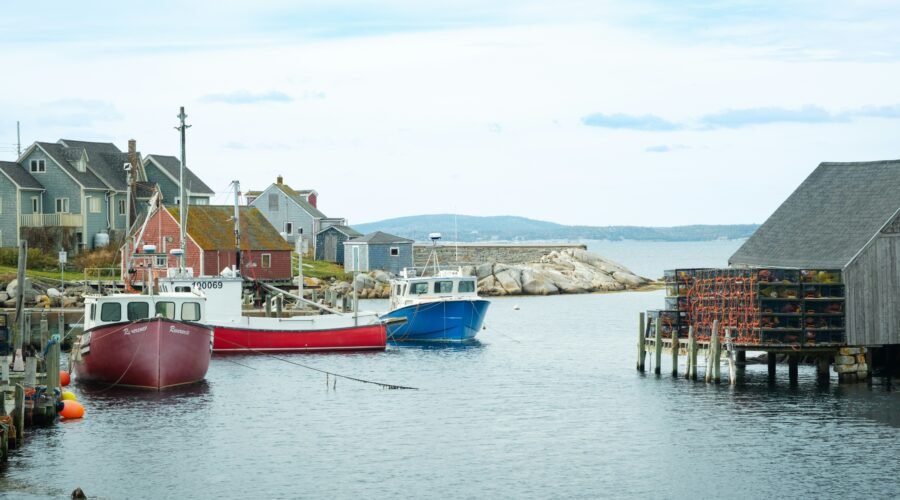
Planning a trip to Nova Scotia? You’re probably looking for the sweet spot – that perfect time when the weather’s nice, the crowds aren’t overwhelming, and your wallet isn’t taking a huge hit. Generally, the best time to visit Nova Scotia for a balanced experience is late May to early June or early to mid-September. These shoulder seasons offer a fantastic blend of pleasant weather, manageable crowds, and more affordable options compared to the peak summer months.
1. Understanding Nova Scotia’s Seasons
Nova Scotia experiences four distinct seasons, each with its own charm and challenges. Knowing what to expect during each will help you decide when to pack your bags.
1.1 Spring (April – May)
Spring in Nova Scotia is a time of awakening, but it’s a gradual one.
Early Spring (April)
April can be a bit of a mixed bag. You might still encounter some lingering chilly days and even a late spring snow shower, especially inland. The iconic Cabot Trail might still have some higher elevations closed due to snow.
- Weather: Average temperatures range from 0°C to 10°C (32°F to 50°F). Expect a mix of rain, wind, and occasional sunshine. The ocean is still very cold.
- Crowds: Very low. Many smaller tourism operators, particularly in more remote areas, might still be closed or operating on reduced hours.
- Costs: Generally lower for accommodation and some activities. Flights might also be more affordable.
- Considerations: If you’re into hiking, trails can be muddy. Whale watching tours usually haven’t started yet or are just beginning with limited schedules.
Late Spring (May)
By May, things start to warm up considerably, making it a much more appealing time to visit.
- Weather: Average temperatures rise to 5°C to 15°C (40°F to 60°F). While you’ll still get some cooler days and evenings, the sun makes more frequent appearances. Leaves are emerging, and flowers are blooming.
- Crowds: Still relatively low, but you’ll start to see more visitors, especially towards the end of the month.
- Costs: Still considered shoulder season pricing, offering good value for money.
- Considerations: Most major attractions and tourism operators are open by late May. Lobster season is in full swing for much of the province, so it’s a great time for fresh seafood!
1.2 Summer (June – August)
Summer is peak season for a reason – Nova Scotia truly shines, but so do the crowds and prices.
Early Summer (June)
June offers some of the best of both worlds before the peak summer rush fully kicks in.
- Weather: Generally very pleasant, with average temperatures ranging from 10°C to 20°C (50°F to 68°F). The ocean is still cool, but air temperatures are comfortable for exploring.
- Crowds: Building, but not at their absolute peak. You’ll find popular spots getting busier, but you can still find quiet moments.
- Costs: Starting to climb towards peak season rates, but you might still catch some slightly better deals early in the month.
- Considerations: Whale watching tours are in full swing. Coastal hikes are beautiful. Many festivals and events kick off.
Mid-Summer (July – August)
This is Nova Scotia at its most vibrant, but also its busiest and most expensive.
- Weather: Warmest months, with average temperatures between 15°C to 25°C (60°F to 77°F), sometimes higher, especially inland. Ocean temperatures are at their warmest, making swimming more enjoyable.
- Crowds: Peak season. Expect queues at popular attractions, busy restaurants, and fully booked accommodations, especially on weekends and at hotspots like Peggy’s Cove, Lunenburg, and the Cabot Trail.
- Costs: Highest prices for flights, accommodation, and car rentals. Book well in advance.
- Considerations: Every attraction and tour is open. Beaches are popular. Festivals are abundant. If you love bustling atmospheres and don’t mind paying a premium, this is your time. However, if you prefer tranquility, it might be challenging to find.
1.3 Autumn (September – November)
If you’re after stunning scenery and a calmer pace, autumn is a strong contender.
Early Autumn (September)
This is another golden window for visiting Nova Scotia.
- Weather: Beautiful, crisp days with average temperatures between 10°C to 20°C (50°F to 68°F). The ocean is still relatively warm from the summer heat, making coastal walks very pleasant. Fall foliage begins to appear, especially inland and in Cape Breton.
- Crowds: Significantly decrease after Labour Day (early September). Many school holidays are over, making attractions much more enjoyable.
- Costs: Prices start to drop from peak season rates. You can often find better deals on accommodations and car rentals.
- Considerations: Fall festivals kick off. The changing leaves provide amazing photo opportunities. Many tour operators still run full schedules.
Mid to Late Autumn (October – November)
October offers spectacular fall colours, but by November, the season is winding down.
- Weather: October brings absolutely stunning fall foliage, particularly in Cape Breton. Temperatures average 5°C to 15°C (40°F to 60°F). By November, it gets much colder, ranging from 0°C to 10°C (32°F to 50°F), with increased chances of rain or even early snow.
- Crowds: Very low in October, even more so in November. You might find yourselves with popular spots almost to yourselves.
- Costs: Best value for money, especially in November. Flights and accommodation are at their lowest.
- Considerations: While the colours are breathtaking in October, some smaller operators and seasonal restaurants might close down towards the end of the month. By November, many tourism businesses are closed for the season. Whale watching seasons are generally over.
1.4 Winter (December – March)
Winter in Nova Scotia is beautiful but also challenging for general tourism.
- Weather: Cold, snowy, and windy. Average temperatures hover around -10°C to 0°C (14°F to 32°F), often feeling colder with wind chill. Expect plenty of snow, especially inland and in Cape Breton.
- Crowds: Very low, primarily locals and those visiting for specific winter activities.
- Costs: Lowest prices for flights and accommodation.
- Considerations: Many attractions are closed. Roads can be difficult to navigate due to snow and ice. However, if you’re into winter sports like skiing or snowshoeing, or want to enjoy cozy coastal towns free of crowds, it can be a unique experience.
If you’re planning a trip to Nova Scotia, understanding the best time to visit can greatly enhance your experience. For more insights on travel planning, you might find our related article on travel tips and guidelines helpful. It covers various aspects such as weather patterns, crowd levels, and cost considerations that can influence your journey. To read more, visit this article for valuable information that can assist you in making the most of your trip.
2. Navigating the Crowds
Avoiding peak crowds can significantly enhance your Nova Scotia experience.
2.1 Peak Season Hotspots
During July and August, popular spots like Peggy’s Cove, Lunenburg, the Cabot Trail, Halifax’s waterfront, and popular beaches will be bustling.
- Strategy: Visit these places early in the morning (before 9 AM) or late in the afternoon (after 4 PM). Consider visiting on weekdays instead of weekends. Make reservations for popular restaurants and attractions well in advance.
2.2 Shoulder Season Sweet Spots
Late May/early June and September offer the best balance. You’ll find popular spots busy, but not overwhelmed. You’ll still be able to find parking and get a table without excessive waiting.
- Strategy: Even in shoulder season, try to hit the most famous spots on weekdays or during off-peak hours for a more serene experience.
2.3 Off-Peak Tranquility
If solitude is your goal, late April, early May, October, and winter are your best bets. Many places will feel deserted, which can be lovely if you’re prepared for potential closures and colder weather.
- Strategy: Embrace the quiet. Enjoy empty beaches and trails. Just be sure to double-check operating hours for any specific places you want to visit, as many will be closed.
3. Managing Your Budget
Nova Scotia can be an affordable destination, but peak season travel can quickly add up.
3.1 Accommodation Costs
This is often the biggest variable in your budget.
- Peak Season (July-August): Expect to pay premium prices for hotels, B&Bs, and vacation rentals. For a mid-range hotel in a popular area, anticipate $200-$400+ CAD per night.
- Shoulder Season (May-June, September): Prices drop noticeably. You might find similar accommodations for $150-$300 CAD.
- Off-Peak (April, October-March): Best deals. Many places offer significant discounts, with mid-range options potentially available for under $150 CAD. Some seasonal accommodations may be closed.
- Tips: Book as far in advance as possible, especially during summer. Consider staying slightly outside major tourist hubs for better value. Look into campgrounds or vacation rentals if traveling with a group.
3.2 Transportation Costs
Getting to and around Nova Scotia.
Flights
- Peak Season: Most expensive for flights, especially if flying into Halifax (YHZ) from major Canadian or international cities.
- Shoulder/Off-Peak: Generally more affordable. Tuesdays, Wednesdays, and Saturdays can sometimes offer slightly better flight deals.
- Tips: Book flights well in advance. Consider flying into a smaller regional airport if your itinerary allows and check prices to see if it’s cheaper.
Car Rentals
- Peak Season: Highest demand and prices. You might pay $80-$150+ CAD per day for a standard rental. They can also sell out!
- Shoulder Season: More availability and slightly lower prices, perhaps $60-$100 CAD per day.
- Off-Peak: Easiest to find deals, potentially under $60 CAD per day.
- Tips: Essential for exploring much of Nova Scotia. Book your rental car as soon as your flights are confirmed, especially for summer travel. Compare prices from different rental companies.
Ferry Travel
- If you plan to visit Newfoundland via the Marine Atlantic ferry (from North Sydney, Cape Breton), book this far in advance, especially if you’re bringing a vehicle. It’s not cheap, but it’s an experience.
3.3 Food & Activity Costs
These can vary widely based on your preferences.
- Dining: Nova Scotia has fantastic seafood! Eating out can range from budget-friendly fish & chips ($15-$25 CAD per person) to fine dining ($50-$100+ CAD per person). Groceries are comparable to other Canadian provinces.
- Activities: Many natural attractions like Peggy’s Cove (with its lighthouse) are free to visit. National Parks (like Kejimkujik and Cape Breton Highlands) have entry fees (around $8-10 CAD per person per day or an annual pass). Whale watching tours typically cost $70-$100+ CAD per person. Museum entry fees are usually $10-$20 CAD.
- Tips: Pack some snacks and drinks for road trips. Look for local markets for fresh produce. Consider buying a Parks Canada Discovery Pass if you plan to visit multiple national parks. Bundle activities if possible.
4. Special Considerations for Your Trip
A few extra tips to ensure a smooth journey.
4.1 Weather Preparedness
Nova Scotia weather can be unpredictable, even in summer.
- Layers are key: Always pack layers, regardless of the season. A waterproof and windproof outer shell is a must for coastal areas.
- Footwear: Comfortable walking shoes are essential. If you plan to hike, bring appropriate hiking boots.
- Coastal Fog: Especially in spring and early summer, fog can roll in quickly and dramatically reduce visibility. Drive carefully.
4.2 Booking Ahead
This advice applies year-round, but especially for peak season.
- Accommodation: Book your lodging months in advance for July and August, particularly for popular areas or specific B&Bs/inns.
- Car Rentals: Cannot stress this enough for peak season. Car rental shortages are common.
- Popular Tours & Restaurants: If there’s a specific whale watching tour, a popular restaurant, or a Cape Breton ceilidh you really want to experience, book it ahead.
4.3 Navigating the Cabot Trail
One of Nova Scotia’s crown jewels.
- Time of Year: Best experienced from late May to mid-October. Fall colors (late September to mid-October) are spectacular.
- Duration: Don’t rush it. While you can drive the loop in a day (around 5-6 hours driving time without stops), to truly enjoy the overlooks, hikes, and villages, plan for at least 2-3 full days.
- East vs. West: Driving clockwise from Baddeck (heading east towards Ingonish) often keeps you on the ocean side of the road, offering slightly better views for the driver. However, both directions offer stunning scenery.
If you’re planning a trip to Nova Scotia, you might find it helpful to read about the best time to visit the region, considering factors like weather, crowds, and costs. For more insights on how to make the most of your travel experience, check out this related article on travel tips that can enhance your journey and help you discover hidden gems in this beautiful province.
5. Final Recommendations
To recap, if you’re looking for that sweet spot:
- Best Overall Value & Experience (Shoulder Season): Late May, early June, or September. You’ll get pleasant weather, fewer crowds, and better prices. September often gets the nod for its vibrant fall colours and still-mild ocean temperatures.
- Warmest Weather & Fullest Accessibility (Peak Season): July and August. Be prepared for higher costs, bigger crowds, and book everything well in advance.
- Budget & Solitude Focused (Off-Peak): April (late), October (early), or winter. Expect closures and colder weather, but also incredible tranquility and the lowest prices.
No matter when you visit, Nova Scotia has a unique charm that will leave a lasting impression. Enjoy your planning!
FAQs
1. What is the best time to visit Nova Scotia based on weather?
The best time to visit Nova Scotia based on weather is during the summer months of June to August. This is when the weather is warmest, with average temperatures ranging from 18°C to 25°C.
2. When is the peak tourist season in Nova Scotia?
The peak tourist season in Nova Scotia is during the summer months of June to August. This is when the province experiences the highest number of visitors and the most crowded attractions.
3. When is the off-peak season in Nova Scotia?
The off-peak season in Nova Scotia is during the winter months of December to February. This is when the province experiences the lowest number of visitors and the least crowded attractions.
4. What is the best time to visit Nova Scotia to avoid crowds?
The best time to visit Nova Scotia to avoid crowds is during the shoulder seasons of May and September. During these months, the weather is still pleasant, but the crowds are significantly smaller compared to the peak summer months.
5. When is the most affordable time to visit Nova Scotia?
The most affordable time to visit Nova Scotia is during the off-peak season of winter, particularly in the months of January and February. During this time, accommodation and attraction prices are generally lower, making it a more budget-friendly option for travelers.