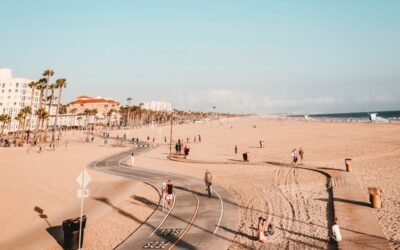
The sweet spot for visiting Karasu, Sakarya, generally falls between late spring (May-June) and early autumn (September-October). This timeframe pretty much hits the trifecta: pleasant weather, manageable crowds, and decent prices for accommodation and activities. You’ll get to enjoy the Black Sea coast without the scorching summer heat or the chill of winter, and the popular spots won’t feel completely overrun.
Let’s break down what each season typically offers for a trip to Karasu. There’s a lot more to consider than just sunshine.
Spring (March – May)
Spring in Karasu is a time of renewal and offers a fresh perspective on the region. The landscape transforms from winter’s slumber to vibrant greenery.
Early Spring (March)
March is still quite cool, almost like an extension of winter with milder temperatures. You might still encounter some rain, but the days are starting to lengthen. It’s a very quiet time, meaning fewer people and potentially lower prices for lodging. If you’re into photography or just enjoy a peaceful atmosphere, this could be a hidden gem. However, beach activities are definitely out, and many seasonal businesses might still be closed. Think of it as a good time for hiking, exploring inland villages, or simply enjoying the quiet coastal charm.
Mid-Spring (April)
April sees a noticeable shift. Temperatures become much more pleasant, and while occasional showers are still possible, the sun makes more frequent appearances. Trees are fully leafed out, and flowers are blooming everywhere. This is a lovely time for scenic drives and enjoying the natural beauty without the summer rush. Crowds are still minimal, and prices remain reasonable. You might even find some daring locals taking a quick dip in the sea if they’re brave enough, but the water will still be quite cold for most.
Late Spring (May)
May is arguably one of the best months to visit. The weather is consistently warm and sunny, but not overly hot. The Black Sea begins to warm up enough for swimming for many, especially towards the latter half of the month. All seasonal businesses are usually open, but the real summer crowds haven’t arrived yet. You get a perfect balance of good weather, active resorts, and still-manageable crowd levels. Prices might start to tick up slightly compared to April but are still nowhere near peak season rates. This is a sweet spot for those who want to experience everything Karasu has to offer without the intense summer atmosphere.
Summer (June – August)
Summer is peak season in Karasu, and for good reason. The weather is glorious, but it comes with a few trade-offs.
Early Summer (June)
June is another fantastic month to visit. The weather is reliably warm and sunny, perfect for beach days and water sports. The sea temperature is comfortable for swimming, and evenings are long and pleasant. While crowds start to pick up, particularly towards the end of the month, it’s not as packed as July or August. You’ll find everything open and bustling with activity. This is still a great month if you want a full summer experience but prefer to avoid the absolute busiest period. Prices will be higher than in spring but might not have hit their absolute peak yet.
Mid-Summer (July)
July is the heart of summer. Expect hot, sunny days perfect for lounging on the beach, swimming, and enjoying the vibrant atmosphere. The Black Sea is at its warmest, making it ideal for all water activities. However, this is also when Karasu experiences its highest tourist numbers. The beaches can get crowded, restaurants can be busy, and accommodation prices jump to their highest. If you love a lively, energetic atmosphere and don’t mind the crowds, July is fantastic. But if you prefer peace and quiet, this month might be a bit too much. Be sure to book your accommodation and any popular activities well in advance.
Late Summer (August)
August is very similar to July, with consistently hot weather and high humidity. It remains extremely popular with both local and international tourists. The beaches are still teeming, and the general vibe is lively and energetic. Prices remain at their peak. For those looking for a traditional summer beach holiday with all the trimmings, August delivers. However, it also means enduring the largest crowds and highest costs. If your primary goal is a relaxing, unhurried vacation, you might find other months more appealing.
Autumn (September – November)
Autumn in Karasu offers a gentle winding down from the summer excitement, bringing a different kind of charm.
Early Autumn (September)
September is often considered another “best time to visit.” The sweltering heat of summer begins to dissipate, giving way to comfortably warm and sunny days. The sea remains warm enough for swimming, especially in the first half of the month. Crucially, the major summer crowds have thinned out significantly as schools reopen and many domestic tourists head home. This means the beaches are less crowded, restaurants are more relaxed, and overall prices for accommodation start to drop. You get a fantastic blend of good weather, active but not overwhelmed facilities, and better value for money. It’s perfect for those who want to enjoy the coastal beauty without the summer frenzy.
Mid-Autumn (October)
October brings cooler temperatures, but it can still be quite pleasant, especially earlier in the month. Swimming might still be possible for the hardy, but the sea starts to cool down noticeably. The landscape takes on beautiful autumnal colors, particularly inland. Many seasonal businesses will start to close down towards the end of the month, but you’ll still find plenty open, especially popular restaurants and shops. Crowds are very low, and prices are significantly reduced. This is an excellent time for scenic drives, cultural exploration, and enjoying the peace and quiet of the coast. If you’re not solely focused on beach activities, October offers a serene and budget-friendly experience.
Late Autumn (November)
November marks the definitive end of the tourist season. Temperatures drop considerably, and rainy days become more frequent. The sea is too cold for swimming for almost everyone. Most seasonal businesses will be closed, and Karasu becomes very quiet. While you’ll find the absolute lowest prices for accommodation, many of the typical tourist attractions might be difficult to access or simply shut down. This month is really for those seeking solitude, a very local experience, or who are visiting for specific reasons other than mainstream tourism.
Winter (December – February)
Winter in Karasu is chilly, often damp, and definitely not beach weather. It’s a completely different experience.
Early Winter (December)
December is cold and often wet. The coastline takes on a stark, dramatic beauty, but the weather isn’t conducive to outdoor activities in the same way as other seasons. Many hotels and restaurants catering to summer tourists will be closed. You might find a quiet, local charm, but it’s not for a typical vacation. Prices are at their lowest, reflecting the lack of demand.
Mid-Winter (January)
January is typically the coldest month in Karasu. Expect frosty mornings, chilly days, and a high chance of rain or even occasional snow, especially further inland. The sea is rough and cold. This is an off-season for tourism, with very few visitors. If you’re looking for an authentic, non-touristy experience and don’t mind the cold, it could be an interesting, albeit stark, visit.
Late Winter (February)
February remains cold, similar to January, though there’s a subtle hint of spring returning towards the end of the month with slightly longer days. The weather is still generally unfavorable for outdoor tourism. It’s a time for quiet reflection, enjoying local cuisine in cozy indoors, or finding extreme solitude on the often-deserted beaches.
Navigating the Crowds: Your Peace vs. Their Buzz
The crowd levels in Karasu fluctuate wildly throughout the year, impacting your experience significantly.
Peak Season Hustle (July & August)
If you visit in July or August, be prepared for a lively atmosphere. The beaches, especially the main public ones, will be packed. Finding a good spot for your towel might require an early start. Restaurants and cafes will be bustling, and popular attractions will have more people. This can be great if you love the energy, but less ideal if you’re seeking solitude. Traffic can also be an issue, particularly on weekends.
Shoulder Season Serenity (May, June, September, October)
This is where the magic happens for crowd-averse travelers. May and early June offer pleasant weather with growing but still manageable crowds. September, in particular, is a sweet spot – the crowds have significantly dwindled, but the sea is still warm and the weather is generally beautiful. October is even quieter, leaning into a more tranquil experience. You’ll find plenty of space on the beaches, easier access to amenities, and a more relaxed pace overall.
Off-Season Solitude (November – April)
During these months, Karasu transforms into a quiet, local town. You’ll encounter very few tourists. While many seasonal businesses will be closed, you’ll get a raw, authentic experience of coastal life. The beaches will be mostly deserted, offering dramatic scenery without a soul in sight. If absolute peace and quiet are your priority, and you don’t mind the colder weather and limited tourist infrastructure, this could be for you.
Understanding the Costs: Bang for Your Buck
Your budget plays a huge role in when you choose to visit. Karasu, like many tourist destinations, has clear price fluctuations based on demand.
Peak Season Premiums (July & August)
As expected, peak season means peak prices. Accommodation, from hotels to rental apartments, will be at its most expensive. You’ll generally find less flexibility in negotiating rates, and last-minute bookings can be hard to come by or significantly pricier. Flights and transportation to the region might also see a bump. While dining out and general activities don’t usually skyrocket in price, the demand means you might end up paying a little more across the board. If you plan to visit during these months, booking well in advance is crucial to snagging the best deals.
Shoulder Season Sweet Spots (May, June, September, October)
This is where you’ll find the best value for money. Accommodation prices are significantly lower than in July and August, sometimes by a noticeable margin. You’ll have more options available and often more room for negotiation, especially if you’re booking longer stays. Dining, activities, and transport generally stay consistent, but the overall cost of your trip will be reduced due to the savings on lodging. You get “peak season” weather and amenities without the “peak season” hit to your wallet.
Off-Season Bargains (November – April)
If your primary concern is budget, the off-season offers the absolute lowest prices. Accommodation can be incredibly cheap, with many establishments offering substantial discounts or even closing entirely. However, remember the trade-offs: colder weather, limited services, and fewer activities available. While your nightly rate might be pennies, the overall experience – especially if you’re hoping for a typical beach holiday – won’t match the warmer months. It’s a trade-off between cost savings and the type of experience you’re after.
Beyond the Seasons: What Else to Consider
While weather, crowds, and cost are the big hitters, a few other things might sway your decision.
Local Festivals and Events
Karasu occasionally hosts local festivals or events, especially during the warmer months, which can add a unique flavor to your trip. These might include local food festivals, music events, or cultural celebrations. If you’re interested in experiencing these, it’s worth checking the local municipality’s calendar closer to your planned travel dates. Sometimes, these can overlap with peak season, adding to the crowds, but they offer a deeper dive into local culture.
Specific Activities You Plan
Your intended activities should definitely influence your timing.
Beach and Water Sports
If swimming, sunbathing, jet-skiing, or boat trips are high on your list, then June to early September is your non-negotiable window. The water is warm, all rental shops are open, and the atmosphere is geared towards these activities.
Nature Walks and Hiking
For exploring the natural beauty, including the Acarlar Floodplain Forest – a unique marshland ecosystem – or the coastal paths, spring (April-May) and autumn (September-October) are ideal. The temperatures are comfortable, and the scenery is lush. Summer can be too hot for strenuous walks, and winter too wet and cold.
Cultural Exploration and Day Trips
If you’re more interested in visiting historical sites, exploring the town, or taking day trips to nearby Sakarya or other regional attractions, then the shoulder seasons (April-May, September-October) are perfect. You’ll avoid the heat and the crowds, making for a more comfortable experience. You can also visit in the quieter months if staying indoors is more your thing.
Photography Opportunities
For photographers, the shoulder seasons offer some truly stunning light. The golden hours of spring and autumn provide softer, more atmospheric light compared to the harsher sun of summer. The landscapes are also richer in color during these times. Winter can offer dramatic, moody shots if that’s your aesthetic.
By considering all these aspects, you can fine-tune your visit to Karasu to match your ideal trip, ensuring it’s both enjoyable and fits what you’re looking for.
FAQs
1. What is the best time to visit Karasu, Sakarya in terms of weather?
The best time to visit Karasu, Sakarya is during the summer months of June to August when the weather is warm and sunny, perfect for enjoying the beaches and outdoor activities.
2. When is the peak tourist season in Karasu, Sakarya?
The peak tourist season in Karasu, Sakarya is during the summer months of June to August when the beaches are crowded and accommodation prices are at their highest.
3. What is the off-peak season in Karasu, Sakarya?
The off-peak season in Karasu, Sakarya is during the winter months of December to February when the weather is cooler and the crowds are smaller, making it a quieter time to visit.
4. When is the best time to visit Karasu, Sakarya to avoid crowds?
To avoid crowds, it is best to visit Karasu, Sakarya during the shoulder seasons of spring (March to May) and fall (September to November) when the weather is still pleasant but the crowds are smaller.
5. What is the cost of visiting Karasu, Sakarya during the peak tourist season?
During the peak tourist season, the cost of visiting Karasu, Sakarya is higher due to increased demand for accommodation, activities, and dining. It is advisable to book in advance and be prepared for higher prices.