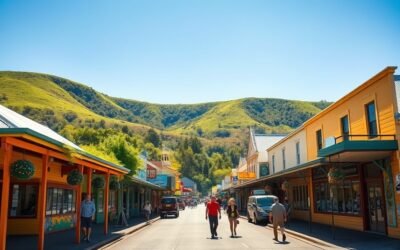
Planning a trip to Sakarya, Turkey? The best time to visit Sakarya depends on whether you want peaceful lakeside walks, warm beach weather, colorful forests, or a budget-friendly escape. This Marmara region destination offers Lake Sapanca, historic Taraklı, Black Sea beaches, and forest trails. However, its changing weather and busy holiday periods can affect your experience.
Quick Answer
The best time to visit Sakarya is May to early June or September to early October. These periods offer comfortable temperatures for sightseeing, nature walks, and exploring Lake Sapanca. July and August suit beach trips but bring more crowds and heat. Winter is quieter, although rainfall and colder weather can limit outdoor activities.
Last checked: October 23, 2026. Climate figures and dated events were verified against official sources.
Key Takeaways
- May averages a daytime high of 23.6°C (74.5°F), making it comfortable for most outdoor activities.
- September remains warm, with an average daytime high of 26.5°C (79.7°F), while October is cooler and wetter.
- Summer weekends and school holidays can be especially busy around Sapanca and the Black Sea beaches.
- Lake Sapanca is a protected drinking-water source. Do not assume swimming or motorized water activities are permitted.
- Spring and autumn are particularly good for visiting Taraklı, Acarlar Floodplain Forest, and Sakarya’s highland trails.
Best Time to Visit Sakarya: Monthly Weather Guide
Sakarya has warm summers, cool winters, and rainfall throughout the year. Its climate is influenced by the nearby Black Sea and the mountains farther inland. Weather can differ between Adapazarı, the Sapanca lakeshore, the northern coast, and higher elevations.
According to the Turkish State Meteorological Service’s Sakarya climate statistics, the city’s average daytime highs range from 10.0°C (50°F) in January to 29.7°C (85.5°F) in August. The following data covers observations from 1951 through 2025.
| Month | Average High | Average Low | Monthly Rainfall |
|---|---|---|---|
| January | 10.0°C | 3.1°C | 93.4 mm |
| February | 11.2°C | 3.4°C | 76.4 mm |
| March | 14.0°C | 4.7°C | 75.1 mm |
| April | 19.0°C | 8.2°C | 58.6 mm |
| May | 23.6°C | 12.3°C | 53.4 mm |
| June | 27.7°C | 16.0°C | 73.9 mm |
| July | 29.6°C | 18.1°C | 50.1 mm |
| August | 29.7°C | 18.2°C | 48.1 mm |
| September | 26.5°C | 14.6°C | 51.5 mm |
| October | 21.5°C | 11.2°C | 79.2 mm |
| November | 17.0°C | 7.7°C | 76.6 mm |
| December | 12.1°C | 5.2°C | 106.0 mm |
Data source: Turkish State Meteorological Service, Sakarya, 1951–2025. Highs and lows are monthly averages of daily maximum and minimum temperatures, not temperature records. Actual weather varies.
Spring in Sakarya (March–May)
Spring is one of Sakarya’s most attractive seasons. Forests become greener, flowers appear, and temperatures rise steadily. April and May are especially suitable for sightseeing and hiking.
- March: Average daytime highs reach 14.0°C (57.2°F). Mornings remain chilly, and rain is common. This month suits travelers who enjoy quiet walks and don’t mind carrying a warm jacket.
- April: Daytime highs average 19.0°C (66.2°F). It’s a pleasant month for exploring Lake Sapanca, walking through town centers, and visiting nature parks. Occasional showers are still likely.
- May: Average highs climb to 23.6°C (74.5°F). With longer days and green scenery, May is an excellent choice for nature photography, cycling, sightseeing, and relaxed outdoor meals.
Best for: Nature lovers, hikers, photographers, couples, and travelers who prefer mild temperatures.
Pack comfortable walking shoes, a light rain jacket, and an extra layer for cooler evenings. Mountain areas can remain colder than the city.
Summer in Sakarya (June–August)
Summer brings Sakarya’s warmest weather and some of its liveliest tourist areas. Families visit Lake Sapanca, while the Black Sea resorts of Karasu, Kocaali, and Kaynarca attract beachgoers.
- June: Average daytime highs reach 27.7°C (81.9°F). Early June can still be comfortable for outdoor sightseeing, although afternoons become warmer. June also receives more average rainfall than July or August.
- July: Temperatures average 29.6°C (85.3°F) during the day. This is a popular period for beach holidays, lakeside dining, and evening activities. Midday sightseeing may be tiring.
- August: Average daytime highs reach 29.7°C (85.5°F). August has the lowest average monthly rainfall in the official Sakarya dataset, although individual days can still bring storms.
Best for: Families on school holidays, beach visitors, and travelers who enjoy warm evenings and a lively atmosphere.
Plan walking tours for the morning or evening. During the hottest part of the day, shaded parks, restaurants, and indoor attractions can be more comfortable.
Autumn in Sakarya (September–November)
Autumn is another excellent time to explore Sakarya. September keeps much of summer’s warmth, while October brings cooler days and changing forest colors. By November, wetter and chillier weather becomes more noticeable.
- September: Average daytime highs are 26.5°C (79.7°F). This is a strong choice for combining lakeside visits, cycling, photography, and outdoor meals without peak summer heat.
- October: Average highs drop to 21.5°C (70.7°F). The cooler weather favors hiking and historic town visits. However, average rainfall rises to 79.2 mm, so rain protection is useful.
- November: Daytime highs average 17.0°C (62.6°F). Forest walks and peaceful lakeside stays remain appealing, but shorter daylight hours and wetter conditions make flexible plans valuable.
Best for: Hikers, photographers, couples, and anyone who prefers a quieter trip outside the summer holiday period.
Autumn is particularly rewarding around Acarlar Floodplain Forest, Taraklı, and the forested highlands. The timing of peak leaf color changes with local weather and elevation.
Winter in Sakarya (December–February)
Winter is Sakarya’s coolest and generally wettest season. The city can experience frost and occasional snow, while higher elevations have better chances of significant snowfall.
- December: Average daytime highs reach 12.1°C (53.8°F). December has the highest average monthly rainfall, at 106.0 mm. Indoor cultural attractions and cozy lakeside stays are sensible choices.
- January: Average daytime highs fall to 10.0°C (50°F), with average lows of 3.1°C (37.6°F). Cold rain and occasional wintry conditions may affect outdoor plans.
- February: Temperatures begin rising slightly, with daytime highs averaging 11.2°C (52.2°F). It’s still a quiet, cool period, especially away from school holidays and winter resorts.
Best for: Travelers who enjoy peaceful winter scenery, indoor attractions, cozy accommodation, and nearby mountain excursions.
If skiing is your priority, nearby Kartepe in Kocaeli is a better choice than Sakarya’s city center. Snow and ski-lift operations depend on actual conditions, so winter does not guarantee skiing.
When Is Sakarya Most Crowded?
Sakarya receives domestic visitors throughout the year, particularly from Istanbul and nearby cities. Crowds are not spread evenly across the province. Lake Sapanca and popular weekend resorts can feel busy even when other districts remain peaceful.
Peak Season: July and August
July and August are generally the busiest months for summer leisure trips. Families take advantage of school holidays, and warm weather attracts visitors to lakeside resorts and Black Sea beaches.
- What to expect: Higher demand for lakeside accommodation, busier restaurants, more traffic near popular attractions, and crowded beach areas on warm weekends.
- Best approach: Choose weekdays for popular places and reserve accommodation early if you’re traveling during school breaks.
- Who should visit: Families, beach travelers, and visitors who enjoy a lively holiday atmosphere.
Shoulder Seasons: May–June and September–October
Shoulder seasons usually provide a better balance between comfort and visitor numbers. Tourist services are generally active, but weekday sightseeing can be more relaxed than during summer vacation.
- What to expect: Comfortable outdoor conditions, moderate demand for accommodation, and good opportunities for nature photography.
- Best approach: Avoid busy weekend arrivals around Lake Sapanca when possible.
- Who should visit: Couples, independent travelers, hikers, photographers, and families with flexible schedules.
Low Season: November–April
November through April is generally quieter outside major holidays and popular winter weekends. Cooler weather keeps many casual day-trippers away from outdoor attractions.
- What to expect: Fewer visitors at many nature sites, a calmer atmosphere, and occasional reductions in seasonal services.
- Best approach: Choose accommodation with indoor facilities and plan outdoor activities around the weather.
- Who should visit: Budget travelers, solitude seekers, and visitors interested in relaxed cultural exploration.
Which Holidays Can Make Sakarya Busier?
National holidays, school vacations, and long weekends can increase demand at popular destinations. A quiet month does not always mean a quiet holiday week.
According to the Turkish Ministry of National Education’s 2026–2027 school calendar, important vacation periods include:
- November 16–20, 2026: First midterm school break.
- January 25–February 5, 2027: Winter semester holiday.
- March 8–12, 2027: Second midterm school break.
- June 25, 2027: Last day of the 2026–2027 school year, followed by summer vacation.
Republic Day on October 29 and the New Year holiday can also affect accommodation demand. Religious holiday periods may bring additional domestic travel.
These dates are especially relevant if you’re planning a weekend stay in Sapanca, where holiday demand can differ substantially from ordinary weekdays.
How Much Does Visiting Sakarya Cost by Season?
Accommodation usually makes the biggest difference to a Sakarya travel budget. Resort location, room type, weekend demand, holiday dates, and booking timing can matter as much as the season.
Prices vary considerably between lakeside villas, spa hotels, guesthouses, and accommodation in central Adapazarı. There is no single reliable nightly rate for the entire province.
Summer Costs: July–August
Summer demand is strongest around holiday resorts and popular beaches. Lakeside accommodation, family-sized rentals, and premium properties may cost more on busy weekends.
- Expect stronger demand for Sapanca villas, bungalows, and resort hotels.
- Consider staying outside the main lakeside tourism area if accommodation costs are high.
- Restaurants and everyday shopping offer different price levels, so choose according to your budget.
Shoulder-Season Costs: May–June and September–October
These months often offer better overall value because you can enjoy outdoor attractions without needing the hottest summer weather. Accommodation still becomes more expensive around busy weekends and holidays.
- Compare weekday and weekend accommodation rates.
- Consider smaller guesthouses or centrally located hotels.
- Use parks, scenic walks, local markets, and cultural sightseeing to balance paid activities.
Winter and Early-Spring Costs: November–April
Quieter periods can bring attractive accommodation offers, especially at properties without strong winter demand. However, spa resorts, fireplace bungalows, and holiday packages may remain expensive.
- Look for flexible accommodation dates rather than assuming all winter nights are inexpensive.
- Allow room in your budget for transportation if outdoor conditions change.
- Remember that New Year’s Eve and school holiday periods may carry premium rates.
Some outdoor attractions charge admission. For example, Acarlar Floodplain Forest has an entrance fee, while Poyrazlar Lake Nature Park is also a managed recreational destination. Charges for parking, refreshments, tours, and rentals may be separate.
Best Activities in Sakarya by Season
Sakarya is more than a lakeside weekend destination. Its natural landscapes, historic settlements, Black Sea coastline, and cultural attractions make different seasons suitable for different experiences.
Nature, Hiking, and Water Activities
Spring and autumn are generally best for hiking and cycling, while summer suits beach visits and supervised water activities. The safest and most comfortable option depends on the exact location.
- Lake Sapanca: Enjoy walking, cycling, lakeside restaurants, and photography in spring or autumn. The Sapanca Municipality’s lakeshore guide also describes canoe and pedal-boat rental opportunities. Use authorized operators and follow current water-use restrictions.
- Acarlar Floodplain Forest: This protected wetland is suitable for nature walks, birdwatching, and photography. The Sakarya Provincial Directorate of Culture and Tourism describes a 1.5-kilometer walking route and viewing platforms. Water levels change seasonally, with summer drying and winter flooding. Admission is charged.
- Poyrazlar Lake Nature Park: This is a good choice for outdoor relaxation, picnics, walking, and wildlife watching. The official tourism description identifies a 67-hectare lake and records 154 bird species. The lake is approximately 8 kilometers from Sakarya’s city center.
- Highland hiking and cycling: April–May and September–October usually provide more comfortable conditions than midsummer. Soğucak, Karagöl, and other upland areas offer forest and mountain scenery. Paths may be muddy after rain.
- Karasu, Kocaali, and Kaynarca beaches: July and August offer the warmest weather for Black Sea beach visits. However, high waves and rip currents can make swimming dangerous, and temporary swimming bans may apply.
- Kartepe skiing: For a winter sports outing, consider Kartepe in neighboring Kocaeli. January and February are natural months to investigate, but available snow and open slopes determine whether skiing is possible.
Warning: Lake Sapanca is a protected drinking-water source, and swimming should not be treated as an unrestricted recreational activity. On the Black Sea coast, obey lifeguards and red-flag warnings. Temporary swimming bans affected Sakarya’s Karasu, Kocaali, and Kaynarca beaches in August 2026 because of dangerous sea conditions, as reported by Anadolu Agency.
Sightseeing and Cultural Exploration
Sakarya’s cultural attractions can be visited throughout the year, but spring and autumn make walking between historic buildings and outdoor landmarks more enjoyable.
- Taraklı: This historic district is known for its Ottoman wooden houses, narrow streets, and traditional crafts. Its quiet atmosphere makes it especially appealing in April, May, September, and October.
- Yunus Paşa Mosque and traditional houses: These are important features of Taraklı’s historic center. The town joined the Cittaslow network in 2011, as detailed by GoTürkiye’s Taraklı tourism guide.
- Adapazarı: Explore city parks, shopping streets, local markets, and cultural attractions. Kent Park and the Sakarya Museum are useful options for visitors who want to combine city sightseeing with nature.
- Local markets and shopping: Shopping areas operate throughout the year, although opening hours and market days differ. Look for regional foods, handmade crafts, and everyday local products.
- Regional food experiences: Try local dishes and traditional Turkish meals during your trip. Autumn is also harvest time across the wider Marmara region, making it interesting for travelers who enjoy local food culture and regional vineyards.
Taraklı is particularly attractive for a relaxed day trip. Its historic streets are better enjoyed on foot, while some surrounding natural attractions may require a vehicle.
Festivals, Events, and Organized Nature Walks
Sakarya hosts cultural programs, local festivals, concerts, and outdoor events. Their schedules vary from year to year, so a specific festival should never be assumed to repeat on identical dates.
Some verified examples from 2026 include:
- Spring cultural events: Sakarya organized its ninth Inter-High School Theater Festival beginning April 20, 2026, with performances scheduled through April and May.
- July 4–12, 2026: Sakarya hosted the Türkiye Kültür Yolu Festival, featuring concerts, performances, exhibitions, workshops, and cultural activities. These dates were announced by Sakarya Metropolitan Municipality.
- Summer community activities: Sapanca and neighboring districts also host local sports, music, and cultural events. These may bring extra visitors even outside national holidays.
- September–November 2026: Sakarya Metropolitan Municipality scheduled ten organized autumn nature walks, including highland and forest routes.
- Winter cultural activities: Indoor concerts, exhibitions, and performances provide alternatives during wet and cold weather. New Year’s celebrations may also increase demand for hotels and restaurants.
For travelers visiting in late 2026, the official autumn walking program includes the Yörük Yeri route on October 25, Karagöl–Sultanpınarı on November 1, Keremali on November 8, Doğançay on November 15, and Poyrazlar on November 22.
The municipality listed a limit of 100 participants per walk, with registration opening on the preceding Monday at 9:00 a.m. and free organized transport. These details apply to the announced 2026 program, not automatically to later years.
Which Month Is Best for Your Sakarya Trip?
For most visitors, May and September offer the strongest combination of comfortable weather and outdoor opportunities. Early June and early October are also good alternatives, depending on your plans.
The following comparison helps you match your travel dates with your priorities.
| Month | Weather | Crowds | Costs |
|---|---|---|---|
| March–May | Cool to pleasantly warm; green scenery | Usually low to moderate; holiday exceptions | Generally moderate; varies by weekend |
| June–August | Warm to hot; generally sunnier | Moderate to high; peak in July–August | Often higher in tourist areas |
| September–November | Warm to cool; increasingly wet | Usually moderate, then lower | Moderate, with quieter-period offers |
| December–February | Cold and wet; possible snow | Generally low, except holidays | Potentially lower; winter resorts vary |
Best Overall Time: May to Early June
May to early June is our first choice for a balanced Sakarya trip. The weather is warm enough for outdoor activities without the average heat of July and August.
This period works well for Lake Sapanca, Taraklı, forest walks, and day trips. It’s a strong option for families, couples, and first-time visitors who want to explore several parts of the province.
Second Best Overall Time: September to Early October
September to early October is another excellent window, especially if you prefer late-summer warmth or early autumn scenery. September’s average daytime high of 26.5°C (79.7°F) makes it suitable for lakeside activities and sightseeing.
Early October becomes cooler, but rainfall is more frequent. Choose this period if your priorities are photography, hiking, historic towns, and a peaceful getaway.
Best for Budget Travelers and Solitude Seekers: November to April
November to April can suit travelers who value quiet surroundings more than warm weather. Many outdoor destinations receive fewer casual visitors during the colder months.
Winter accommodation bargains are possible, but not guaranteed. Premium spa properties, New Year’s stays, and school-holiday bookings can still be expensive. March and April provide a useful compromise if you want fewer crowds and improving weather.
Best for Sun Lovers and Beach Activities: July and August
July and August are the strongest choices for warm-weather beach holidays in Sakarya. The Black Sea resorts around Karasu, Kocaali, and Kaynarca become popular during the summer travel season.
Lake Sapanca is better treated as a scenic lakeside destination with regulated recreational activities, rather than an unrestricted swimming beach. For sea swimming, choose lifeguarded beaches only when local authorities permit entry and conditions are safe.
Ultimately, the best month depends on your plans. Choose May for green scenery and comfortable walks, September for warm sightseeing weather, summer for beach holidays, or a quieter winter period for a relaxing escape. Match your dates to the activities you most want to enjoy.
Frequently Asked Questions
What is the best time to visit Sakarya, Turkey, for good weather?
May to early June and September to early October generally offer the best weather for visiting Sakarya. These periods combine comfortable daytime temperatures with good conditions for sightseeing, hiking, and enjoying the lakeside scenery. Rain is possible throughout the year.
When is the peak tourist season in Sakarya?
July and August are generally the peak summer tourist months in Sakarya. Lake Sapanca, family resorts, and Black Sea beaches attract domestic holidaymakers, particularly on weekends and during school vacations. Popular accommodation may need advance booking.
When is the off-peak tourist season in Sakarya?
November through April is generally quieter than summer in Sakarya. December, January, and February can be especially peaceful for ordinary sightseeing, although New Year’s celebrations, school holidays, and nearby winter sports destinations may attract extra visitors.
Is Sakarya expensive during the summer tourist season?
Sakarya can be more expensive during July and August, especially for popular lakeside resorts and holiday accommodation. Costs vary by property and travel dates. Staying outside major tourist areas or visiting on weekdays may help reduce expenses.
Which festivals and events should I consider when visiting Sakarya?
Sakarya hosts cultural festivals, performances, and organized nature walks. The Türkiye Kültür Yolu Festival took place in Sakarya from July 4 to 12, 2026, while municipal autumn hikes were scheduled from September through November 2026. Event dates can change in later years.
Can you swim in Lake Sapanca?
Lake Sapanca should not be treated as an unrestricted swimming destination because it is a protected drinking-water source. Swimming restrictions and water-use rules must be respected. For beach swimming, consider Sakarya’s designated Black Sea beaches when local authorities and lifeguards permit it.
What is the best month to visit Acarlar Floodplain Forest?
Spring and autumn are good choices for visiting Acarlar Floodplain Forest because temperatures are generally comfortable for walking and photography. The wetland changes through the year as water levels rise and fall. Summer may bring lower water levels and different scenery.
Does it snow in Sakarya during winter?
Snow can fall in Sakarya during winter, but it is not guaranteed in the city center. Higher elevations are more likely to experience significant snowfall. Nearby Kartepe, in Kocaeli province, is a winter sports option when snow and resort conditions allow.
Sources
- Turkish State Meteorological Service: Official monthly temperatures, rainfall averages, and historical Sakarya climate statistics.
- Turkish Ministry of National Education: Official 2026–2027 school calendar and holiday periods.
- Sakarya Provincial Directorate of Culture and Tourism — Acarlar Floodplain Forest: Protected wetland information, walking route, seasonal water conditions, and admission policy.
- Sakarya Provincial Directorate of Culture and Tourism — Poyrazlar Lake Nature Park: Lake dimensions, wildlife, and outdoor activities.
- Sapanca Municipality: Official information about the lakeshore, sightseeing, and available recreational activities.
- GoTürkiye — Taraklı: Historic Ottoman houses, traditional crafts, local landmarks, and Cittaslow recognition.
- Sakarya Metropolitan Municipality — Türkiye Kültür Yolu Festival: Confirmed July 4–12, 2026, festival dates.
- Sakarya Metropolitan Municipality — Autumn Nature Walks: The 2026 hiking schedule, registration requirements, and organized transport.
- Anadolu Agency: August 2026 coastal swimming restrictions and safety warnings affecting Sakarya’s Black Sea beaches.