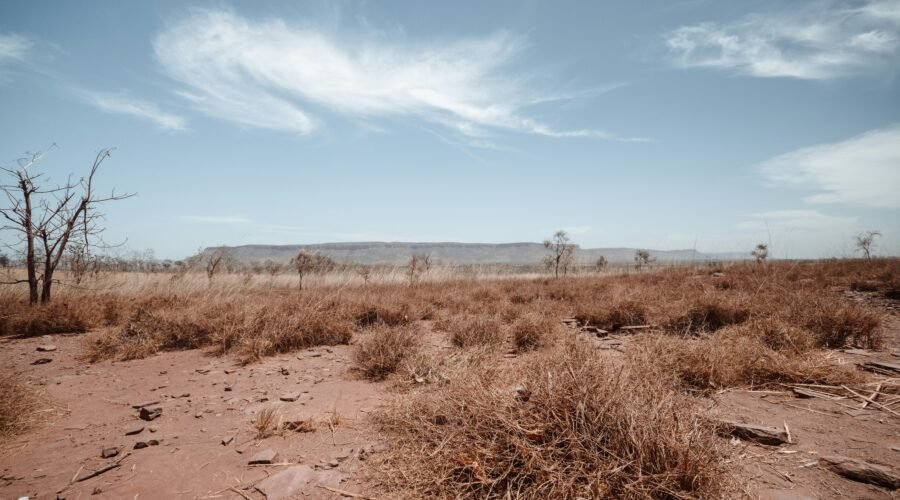
Choosing the best time to visit Kununurra depends on whether you value comfortable weather, flowing waterfalls, fewer visitors, lower prices, or reliable road access. For most travellers, May through October is the easiest period for exploring Kununurra and the East Kimberley. The trade-off is stronger demand during the middle of the dry season, especially around July and August.
Quick Answer
The best time to visit Kununurra is generally May to October, when rainfall is low and roads, parks, cruises, hikes, and other outdoor activities are usually easiest to access. June and July offer the mildest daytime temperatures, while May and September can provide a useful balance between good conditions and lower booking pressure.
Key Takeaways
- Best overall period: May to October for dry weather and the widest range of accessible attractions.
- Most comfortable months: June and July, when average daytime highs are around 30–31°C.
- Best compromise: May, June, or September if you want dry-season access without concentrating your trip in July or August.
- Best for dramatic wet-season scenery: December to March, but expect heat, heavy rain, mosquitoes, road closures, and possible cyclone or flood disruption.
- Check before driving remotely: Kimberley park and road access can change quickly after rain, even near the start or end of the dry season.
Kununurra Weather by Season
Kununurra sits in Western Australia’s East Kimberley and has a tropical wet-dry climate. For practical trip planning, the main visitor dry season is usually treated as May to October. November begins the hot build-up, while the heaviest rainfall is concentrated from roughly December through March. April is a transition month when rainfall normally drops sharply but some roads and remote attractions may still be recovering from the wet.
Long-term observations from the Bureau of Meteorology’s Kununurra Aero station show just how large the seasonal shift can be. Average maximum temperatures range from about 30.5°C in June to around 39°C in October, while January and February each average more than 200 mm of rain.
Kununurra’s average maximum is about 30.5°C in June but roughly 39°C in October, so “dry season” does not automatically mean cool weather.
The Dry Season: Sunshine and Easier Access
This is the season most travellers picture when they imagine exploring the Kimberley: very little rain, clearer roads, long periods of sunshine, cooler nights, and more predictable conditions for hiking, cruising, camping, and scenic driving.
When Is the Dry Season?
For visitor planning, May through October is the most useful dry-season window. April can already be much drier than the preceding months, but road and park access may still depend on how severe the wet season was. By November, rainfall is still relatively limited compared with January or February, but temperatures and humidity have already climbed sharply.
Early Dry: May and June
May and June are excellent months if you want recently refreshed scenery without the intense heat of the late dry season. BOM averages put the daytime maximum at about 32.9°C in May and 30.5°C in June. Nights are cooler, with average minimums of roughly 18.4°C and 15.6°C respectively.
Rainfall is normally low by this stage. May averages about 7 mm and June about 3 mm, although individual years can differ. Waterfalls, pools, and vegetation may still show the effects of the wet season, especially early in this period.
Mid-Dry: July and August
July is one of Kununurra’s mildest months, with an average maximum around 30.8°C and an average minimum near 14.7°C. August warms to an average maximum of about 33°C while remaining exceptionally dry.
These comfortable conditions make July and August highly attractive to visitors. They are excellent months for outdoor exploration, but accommodation, tours, campsites, and rental vehicles can face stronger demand.
Late Dry: September and October
The late dry season remains mostly dry, but the heat increases quickly. September’s average maximum is about 36.8°C, while October averages about 39°C. October also begins to show more pre-wet-season rainfall and humidity.
The landscape is usually much drier than it was in May or June, and some seasonal pools and waterfalls may have reduced flow. If you visit in October, plan strenuous walks for early morning and give heat a much larger role in your itinerary.
What to Expect During the Dry Season
- Much less rain: June through August are exceptionally dry on long-term averages.
- Lower humidity than the wet season: Conditions are generally more comfortable for hiking, camping, and sightseeing.
- Cooler nights: June and July nights can feel surprisingly fresh by Kimberley standards.
- Better road reliability: Remote routes are more likely to be open, although road condition checks remain essential.
- Higher visitor demand: The combination of weather and access makes the central dry season the most popular travel period.
The Wet Season: Tropical Heat, Rain, and Dramatic Scenery
Kununurra changes dramatically during the wet season. Temperatures stay high, humidity rises, storms become more frequent, waterfalls strengthen, and the landscape turns green. The same rainfall that creates spectacular scenery can also close unsealed roads and make remote travel impossible.
When Is the Wet Season?
For trip planning, think of November through April as the build-up, wet season, and transition back toward the dry. The heaviest average rainfall occurs from December to March, while November and April sit closer to the edges of the core wet period.
Build-up: November and December
November is usually extremely hot. BOM data puts its average maximum at about 39.1°C. December remains hot at about 37.4°C and normally receives substantially more rain as tropical weather strengthens.
Thunderstorms can develop quickly during this period. The combination of heat and humidity can make long midday walks uncomfortable even when it is not raining.
Heart of the Wet: January to March
January and February are Kununurra’s wettest months on long-term averages, each receiving a little over 200 mm of rain. March remains wet, averaging roughly 142 mm.
Rain does not necessarily fall all day every day. Tropical downpours can be intense, followed by brighter periods. However, the practical issue for travellers is not simply whether rain is falling at a particular moment: flooding, swollen crossings, damaged roads, and park closures can persist after storms have passed.
April: Transitioning Back Toward the Dry
April is much drier on average than January through March, but it is not a cool month. The average maximum remains around 35.4°C. Rainfall falls to roughly 33 mm on the long-term average, and nights become more comfortable.
April can be rewarding for green landscapes, but travellers planning remote drives should not assume every dry-season road or park has reopened. Conditions depend on the preceding wet season.
What to Expect During the Wet Season
- High heat and humidity: Conditions can be physically demanding, particularly during the build-up.
- Heavy tropical rain: January and February are normally the wettest months.
- Thunderstorms: Strong wind, lightning, and intense rainfall can accompany storm cells.
- Lush landscapes: Vegetation greens rapidly and waterfalls can become dramatically stronger.
- Reduced road access: Unsealed roads, creek crossings, and remote park access can close.
- Fewer operating services: Some tourism businesses reduce schedules during the low season.
Warning: Northern Western Australia’s tropical-cyclone season runs through the warmer months, and flooding can affect the Kimberley. Before a wet-season trip, check WA Department of Fire and Emergency Services cyclone guidance, current forecasts, road closures, and local warnings. Never drive into floodwater or around a road-closed sign.
For a broader climate-planning comparison, the existing guide to visiting Nunavut also examines how weather, crowds, and costs can change a destination’s ideal travel window.
Crowd Levels: When to Visit Kununurra With Fewer People
Your travel month affects not only the weather but also the likelihood of finding busy tours, popular campsites, rental vehicles, and accommodation.
Peak Demand: The Central Dry Season
The dry season is the most popular period for Kununurra. July and August are especially attractive because rainfall is extremely low and temperatures are far more manageable than during the build-up.
Why Does Demand Rise?
- Comfortable weather: Lower humidity, almost no average rainfall, and cooler nights make outdoor activities easier.
- Better regional access: Remote roads and seasonal parks are more likely to be open.
- School-holiday travel: Australian winter school-holiday periods can add demand, although exact dates differ between states and years.
- Tour availability: Many seasonal Kimberley experiences operate their fullest schedules during the dry.
What to Expect During Peak Season
- More visitors at major attractions: Lake Argyle, Mirima National Park, Ord River experiences, and popular day trips can feel busier.
- Stronger booking pressure: Accommodation, tours, campsites, flights, and rental vehicles are worth arranging in advance.
- More traffic on touring routes: You will not encounter city-style congestion, but popular Kimberley roads carry more recreational traffic.
Shoulder Periods: Finding a Better Balance
If you want good access without concentrating your trip in July or August, look first at May, June, and September. October can also be quieter, but its much higher temperatures make it less attractive for long hikes.
Early Dry: May and June
- Fresh post-wet scenery: Vegetation and water features may still look greener and fuller than later in the season.
- Good outdoor conditions: June is particularly comfortable by Kununurra standards.
- Potentially easier bookings than July/August: Demand is still meaningful, so advance reservations remain sensible.
Late Dry: September and October
- Visitor numbers may ease: The central winter travel peak is ending.
- Heat increases sharply: September is hot and October is hotter still.
- Lower seasonal water flow: Some natural pools and waterfalls can be reduced compared with the early dry.
Pro Tip: If your priorities are road access, pleasant mornings, and slightly less booking pressure than the central winter peak, start by comparing dates in May, June, and September. For hiking, June usually offers a more comfortable temperature profile than September.
The Quietest Period: The Wet Season
Visitor demand usually drops during the hottest and wettest part of the year because some signature remote-road experiences are unavailable and the weather requires far more flexibility.
When Is It Quietest?
- January through March generally fall well outside Kununurra’s main dry-season tourism peak.
Why Does Demand Drop?
- Heat and humidity: Conditions can be uncomfortable for long outdoor days.
- Road closures: Rain and flooding can restrict access to remote attractions.
- Seasonal park closures: Some parks and access tracks close during the wet.
- Reduced tour schedules: Not every dry-season experience operates year-round.
The Upside of Wet-Season Travel
- Less tourism traffic: Accessible locations can feel noticeably quieter.
- Possible lower accommodation or airfare prices: Lower demand can create bargains, although this is not guaranteed.
- Dramatic scenery: Tropical clouds, storms, green vegetation, and flowing waterfalls give the East Kimberley a very different appearance.
Cost Considerations: Making Your Budget Work

Your dates can affect airfare, accommodation, vehicle hire, campsite availability, and tours. There is no single destination-wide price schedule, so treat seasonal cost labels as planning tendencies rather than guaranteed rates.
Peak-Season Prices: Expect Stronger Booking Pressure
If you travel during the central dry season, particularly July and August, popular accommodation and tours can have less unsold capacity. That can reduce your choice of low-cost options even when advertised rates themselves have not changed.
What Can Increase Trip Costs?
- High demand: The cheapest rooms, campsites, or vehicle categories may sell first.
- Regional flights: Airfare can vary substantially by travel date and booking lead time.
- Limited tour capacity: Cruises, scenic flights, cultural experiences, and remote tours have fixed numbers of seats.
How to Control Costs During the Dry Season
- Book important components early: Secure flights, accommodation, vehicles, and must-do tours before filling in flexible activities.
- Use self-catering accommodation: Kitchen facilities can reduce restaurant spending on a longer stay.
- Mix paid and low-cost activities: Lookouts, town walks, and some nature experiences can balance higher-priced scenic flights or cruises.
- Compare different dry-season weeks: Moving your trip outside the busiest dates can improve both price and availability.
Shoulder-Season Value: Good Conditions With More Flexibility
May, June, and September can offer a useful middle ground. You still get the main advantages of dry-season travel while sometimes finding more accommodation or tour choice than in the busiest winter weeks.
Early Dry: May and June
- Potentially better availability: Compare live rates rather than assuming July/August prices apply to the entire dry season.
- Strong value for outdoor travellers: Roads and attractions are increasingly accessible while scenery can still retain more post-wet colour and water.
Late Dry: September and October
- Demand may start easing: Some travellers can find more choice after the winter peak.
- Heat is the trade-off: Saving money is less valuable if high temperatures prevent you from doing the activities you came for.
Wet-Season Bargains: Cheaper Is Possible, but Not Guaranteed
The wet season can produce lower airfares or accommodation rates because leisure demand is lower, but it is not automatically the cheapest possible trip. Reduced tour schedules, weather-related itinerary changes, and limited remote access may reduce the value of a low room rate.
Why Can Prices Be Lower?
- Lower leisure demand: Fewer travellers compete for accommodation outside the main dry season.
- Off-season promotions: Some businesses use specials to attract wet-season customers.
- More date flexibility: Travellers who can move their flights by a day or two may find better fares.
What to Budget for During the Wet
- Air-conditioned accommodation: Heat and humidity make reliable cooling especially valuable.
- Flexible bookings: Choose conditions that make weather-related changes manageable.
- Rain protection: Pack a breathable waterproof jacket and quick-drying clothing.
- Backup plans: A cancelled remote-road activity may require a replacement tour or additional night in town.
Note: “Low season” does not mean every business is cheaper. Some tours stop operating altogether. Compare the total cost of the itinerary you can actually do, not just the nightly hotel rate.
Activities and Experiences: Matching Your Trip to the Season

The season determines not only how comfortable Kununurra feels but also which remote roads, parks, walks, cruises, and campsites you can realistically use.
Dry-Season Activities: The Widest Choice
The dry season is the easiest period for travellers who want to combine several East Kimberley experiences in one trip.
Popular Dry-Season Experiences
- Hiking and bushwalking: Explore Mirima National Park and other marked trails during the cooler morning hours.
- Purnululu National Park: Road access to the Bungle Bungle Range is seasonal. Explore Parks WA says the park is generally open during the dry season, subject to weather and road conditions. The access track requires a high-clearance four-wheel-drive vehicle.
- Ord River cruises: Dry weather makes full-day and sunset boating easier to plan.
- Scenic flights: Aircraft and helicopter flights are established ways to see the scale of the East Kimberley, including places that are difficult to reach by road.
- Lake Argyle: Cruises, paddling, fishing, and approved swimming experiences are popular, subject to local conditions and safety advice.
- Fishing: The Ord River and Lake Kununurra support year-round fishing opportunities, although individual charter schedules and conditions vary.
- Camping and caravanning: Predictable dry weather makes regional touring much easier than during flood-prone months.
Wet-Season Experiences: A Different View of the Kimberley
The wet season can be spectacular, but the successful itinerary is usually based around places that remain legally and safely accessible rather than trying to reproduce a dry-season road trip.
What to See and Do During the Wet
- Waterfalls: Heavy rainfall can produce dramatic flows throughout the region. View them only from places that are officially open or through an operating tour or scenic flight.
- Lush landscapes: Hillsides, floodplains, and vegetation turn much greener than they appear late in the dry.
- Birdwatching: Wetlands and waterways can provide rewarding birding, although species and activity vary with habitat and conditions.
- Storm watching: Tropical storms can be visually impressive, but watch from secure shelter rather than exposed lookouts or waterways.
- Photography: Dark storm clouds, green country, temporary waterfalls, and changing light create very different scenes from the dry season.
- Dams and high-flow waterways: Observe water only from approved public areas and obey all closures. Never enter floodwater or approach spillways outside permitted viewing locations.
Warning: Purnululu National Park is generally closed to road visitors during the wet season. Do not plan a January or February drive into the Bungle Bungle Range simply because waterfalls may be flowing. Check current park alerts and road status first.
Activities That Depend Heavily on Weather and Access
Some experiences require more careful seasonal planning than others.
Four-Wheel Driving
The Gibb River Road and many side roads are most reliable during the dry season. Main Roads Western Australia advises that the Gibb River Road is often closed during the wet season because river crossings can become impassable and flood damage can make sections unsafe. Even in the dry, conditions can change, so check the current status before departure.
Swimming in Natural Waterways
Do not assume a natural pool or river is safe merely because other people are nearby or because no crocodile sign is visible. The Kimberley contains both freshwater and estuarine crocodiles. Follow Parks and Wildlife Service crocodile guidance, obey warning signs, and use only locations where local authorities or operators advise that swimming is appropriate.
Hot-Air Ballooning and Scenic Flights
Hot-air ballooning should not be treated as a standard, reliably available Kununurra activity. If you want an aerial view of the Kimberley, fixed-wing and helicopter scenic flights are the established options. Always verify the operator’s current route, operating season, cancellation policy, and weather requirements before booking.
Fishing and Boating
Fishing opportunities exist throughout the year, but wet-season storms, reduced visibility, fast-moving water, heat, and remote-area access can change the experience significantly. Follow current boating and fishing rules, carry suitable communication and safety equipment, and avoid launching when severe weather is developing.
For another destination-focused comparison of weather, crowds, and travel costs, the existing article on the best time to visit Cukurca, Hakkari provides a different seasonal-planning example.
Planning Your Visit: Month-by-Month Guide
The table below combines long-term BOM climate averages with practical travel considerations. Crowd and cost labels are general planning tendencies rather than fixed prices or official visitor counts.
| Month | Avg. High | Avg. Rain | Travel Conditions | Crowds | Typical Cost Pressure |
| January | 35.9°C | 215.7 mm | Hot, humid, very wet; flood disruption possible | Low | Often lower, but fewer services |
| February | 35.2°C | 214.3 mm | Peak wet-season conditions | Low | Often lower, variable availability |
| March | 35.8°C | 142.4 mm | Still wet and humid; lush scenery | Low | Often lower |
| April | 35.4°C | 32.7 mm | Transition month; access may still be recovering | Low to moderate | Variable |
| May | 32.9°C | 7.3 mm | Excellent early-dry conditions | Moderate | Moderate |
| June | 30.5°C | 2.9 mm | One of the most comfortable months | Moderate to high | Moderate to high |
| July | 30.8°C | 1.5 mm | Very dry, cooler nights, excellent access | High | High |
| August | 33.0°C | 0.1 mm | Exceptionally dry; warming days | High | High |
| September | 36.8°C | 5.2 mm | Dry but noticeably hotter | Moderate | Moderate |
| October | 39.0°C | 22.2 mm | Very hot late dry/build-up conditions | Low to moderate | Variable |
| November | 39.1°C | 61.6 mm | Extremely hot build-up; storms increasing | Low | Often lower |
| December | 37.4°C | 141.7 mm | Hot, humid, increasingly wet | Low | Variable |
For a Dry-Season Visit
- Book ahead: Reserve accommodation, flights, vehicles, and high-priority tours early if travelling during the central dry season.
- Pack breathable clothing: Lightweight long sleeves help with sun exposure while remaining comfortable.
- Bring sun protection: Use sunscreen, sunglasses, and a broad-brimmed hat.
- Carry insect repellent: Mosquitoes can still be present even during drier months.
- Use sturdy footwear: Rocky trails and uneven ground are common.
- Start hikes early: Even the milder dry-season months can become hot by midday.
For a Wet-Season Visit
- Expect heat and humidity: Pack lightweight, quick-drying clothing and plan less activity during the hottest part of the day.
- Bring waterproof gear: A breathable rain jacket and water-resistant footwear are useful.
- Prevent mosquito bites: WA Health recommends repellents containing DEET, picaridin, or oil of lemon eucalyptus/PMD, together with long loose clothing and effective screens or nets. See the current Kimberley mosquito-health advice from WA Health.
- Keep the itinerary flexible: Weather may change tour schedules or close remote roads.
- Check road conditions repeatedly: A route that was open earlier in the week may not remain open after heavy rain.
- Follow crocodile warnings: Never assume an unmarked waterway is safe.
General Tips for Every Season
- Stay hydrated: Carry more drinking water than you expect to need, especially when walking or driving remotely.
- Check current conditions: Use official Main Roads and Parks and Wildlife information before remote travel.
- Download offline maps: Mobile coverage can become unreliable outside Kununurra.
- Carry emergency communication for remote trips: A personal locator beacon or other suitable emergency device can be valuable where mobile reception is absent.
- Plan fuel carefully: Distances between services can be large, and some parks have no fuel.
- Respect closures: A closed road, flooded crossing, or shut park is not an invitation to find an alternative route.
- Respect Country: The East Kimberley has deep Aboriginal cultural significance. Follow access rules, cultural guidance, and instructions from Traditional Owners and local operators.
- Leave no trace: Stay on marked routes and take rubbish with you.
- Slow down: Kununurra rewards travellers who allow extra time for heat, road conditions, wildlife, and changing weather.
Warning: The Kimberley is crocodile country. Crocodiles can move between waterways, and a missing warning sign does not prove an area is safe. Follow Parks and Wildlife advice and local instructions before swimming, paddling, fishing from the water’s edge, or using small boats.
Ultimately, the best time to visit Kununurra depends on your priorities. For the easiest road access, the widest range of tours, and the most comfortable general sightseeing conditions, choose May to October. June and July are strongest for milder temperatures, while May and September can be good alternatives. If tropical storms, green landscapes, and powerful waterfalls matter more than road access, the wet season offers a striking experience—but only if you plan around heat, flooding, mosquitoes, closures, and changing weather.
Frequently Asked Questions
What is the best time to visit Kununurra, Western Australia?
For most travellers, May through October is the best period because rainfall is low and regional roads, parks, cruises, campsites, and walking opportunities are generally easiest to use. June and July have the mildest average daytime temperatures, while May and September can offer a useful balance between conditions and demand.
What is Kununurra’s weather like throughout the year?
Kununurra has a tropical wet-dry climate. June and July are relatively mild and extremely dry, while temperatures rise sharply through September, October, and November. December through March is much wetter and more humid, with January and February recording the highest average rainfall.
When are crowds highest in Kununurra?
Visitor demand is strongest during the dry season, with July and August among the periods when accommodation, tours, campsites, rental vehicles, and popular attractions can face greater booking pressure. May, June, and September can provide alternatives if your dates are flexible.
Are Kununurra travel costs lower during the wet season?
They can be, because leisure demand is lower, but cheaper prices are not guaranteed. Some tours and remote attractions stop operating, and weather disruption can create extra costs. Compare the total cost of the itinerary you can actually use rather than assuming every wet-season booking is cheaper.
What can I do in Kununurra during the dry season?
Typical dry-season activities include Ord River cruises, Lake Argyle trips, Mirima National Park walks, camping, fishing, scenic flights, four-wheel-drive touring, and seasonal road trips toward attractions such as Purnululu National Park. Always check current park and road conditions before leaving town.
Can I drive to Purnululu National Park during the wet season?
Usually not. Purnululu’s road access is seasonal, and the park generally closes during the wet season because of road and weather conditions. Opening and closing dates vary, so check current Explore Parks WA alerts before planning the drive.
Is it safe to visit Kununurra during the wet season?
Kununurra remains a travel destination during the wet season, but you need more flexibility and preparation. Heat, tropical storms, flooding, cyclone risk, mosquitoes, road closures, and reduced tour schedules can affect a trip. Follow official weather, emergency, road, and park advice throughout your stay.
Can I swim in rivers and natural pools around Kununurra?
Only swim where current local advice says it is appropriate. The Kimberley is crocodile country, and crocodiles can occur even where warning signs are absent. Follow Parks and Wildlife instructions, posted signs, and guidance from reputable local operators before entering any natural waterway.
Sources
- Bureau of Meteorology — Kununurra Aero climate statistics — monthly temperature and rainfall averages.
- Main Roads Western Australia — Gibb River Road — road conditions, wet-season closures, and seasonal access advice.
- Explore Parks WA — Purnululu National Park — seasonal opening, four-wheel-drive access, hiking, and park-safety information.
- Explore Parks WA — Natural Area Hazards — official Kimberley crocodile-safety guidance.
- WA Department of Fire and Emergency Services — Cyclone Preparedness — northern-WA cyclone-season and traveller safety guidance.
- WA Health — Kimberley mosquito-borne virus advice — current mosquito protection recommendations for residents and travellers.