

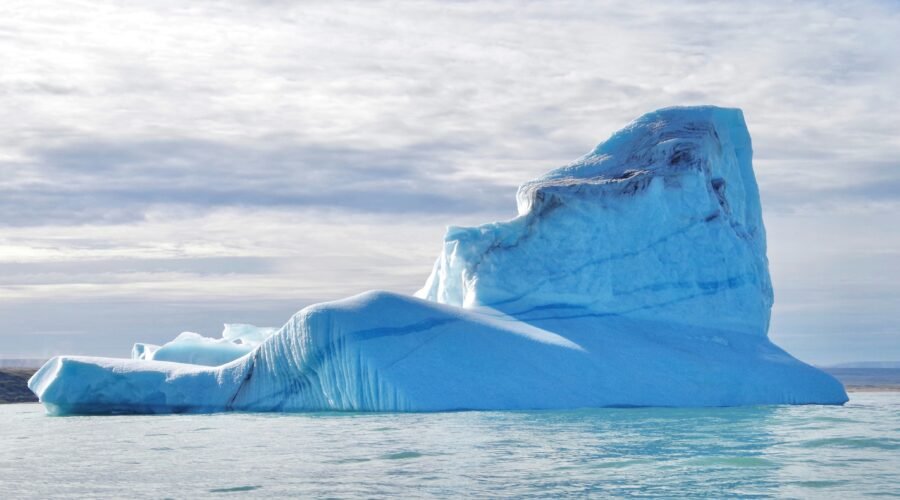
Thinking about a trip to Nunavut? It’s a pretty unique place, and understanding its weather, crowds, and costs upfront will make planning much smoother. Simply put, Nunavut’s weather varies dramatically by season, with long, harsh winters and short, cool summers. Crowds are generally minimal year-round, making it an ideal destination for those seeking solitude. As for costs, think of it as an investment – it’s not a budget destination, but the experiences are often priceless.
Nunavut’s weather is a defining characteristic of the territory, and it’s crucial to understand its seasonal patterns to pack appropriately and plan your activities. Forget what you think you know about “cold” – Nunavut takes it to a whole new level, especially in the winter.
Winter: The Reign of Ice and Snow (November to April)
This is the undisputed king of Nunavut’s seasons. Expect temperatures to plummet, with averages often sitting well below -20°C (-4°F) and frequently dropping to -30°C (-22°F) or even colder, especially inland. Wind chill can make it feel significantly more biting. Snowfall is abundant, blanketing the landscape and creating a truly Arctic winter wonderland. However, it also means travel can be significantly impacted.
- Daylight: Days are extremely short, with periods of twilight being the norm in mid-winter. In some northern communities, you might even experience polar night, where the sun doesn’t rise above the horizon for weeks.
- Travel Considerations: Road travel is virtually nonexistent outside of a few town roads. Access to communities is primarily by air, and flights can be delayed or canceled due to severe weather. Sea ice is thick, opening up possibilities for traditional travel like dog sledding and snowmobiling, but these require expert guides and appropriate gear.
- Activities: This is prime time for winter activities like ice fishing, experiencing the Northern Lights in their full glory, and immersion in Inuit culture during traditional celebrations.
Spring: The Thaw and the Transition (May to June)
Spring in Nunavut is a gradual, often dramatic shift. The snow starts to melt, and the ice begins to break up. While it might sound like a pleasant thought, this transitional period can bring its own challenges.
- Temperatures: Temperatures begin to rise, but can still be well below freezing, especially in early spring. You’ll experience a range from -10°C (14°F) to closer to 0°C (32°F).
- Daylight: Days start to lengthen significantly, offering more hours of light for exploration.
- Travel Considerations: The break-up of ice is a precarious time. Flights remain the primary mode of transport, but conditions can still be unpredictable. Mud and slush can make ground travel difficult where it’s even possible. Many winter activities are winding down.
- Activities: This is a good time to witness the incredible change in landscape and potentially see migratory birds returning. The emergence of wildlife as spring progresses is a highlight.
Summer: The Brief but Vibrant Bloom (July to August)
Nunavut’s summer is its busiest and most accessible season. While still cool by southern standards, it’s remarkably pleasant for the Arctic.
- Temperatures: Averages typically range from 5°C (41°F) to 15°C (59°F), though venturing further north can still be cooler. These are the warmest months, making it much more comfortable for exploration.
- Daylight: You’ll experience near-constant daylight, with the sun barely dipping below the horizon in many areas. This phenomenon, known as the “midnight sun,” offers endless opportunities for sightseeing.
- Travel Considerations: This is the peak season for tourism. Flights are more frequent and generally more reliable, although weather disruptions can still occur. Boat travel becomes more viable as the sea ice largely recedes, opening up coastal exploration.
- Activities: Summer is ideal for wildlife viewing (whales, seals, caribou), hiking, kayaking, visiting historical sites, and experiencing Inuit communities in their most active outdoor season. It’s also the time to witness the tundra in bloom.
Autumn: The Golden Hues and the Return of Cold (September to October)
Autumn offers a beautiful, albeit short-lived, spectacle before winter’s grip tightens.
- Temperatures: Temperatures begin to drop again, often ranging from 0°C (32°F) down to -10°C (14°F). Frost becomes a common sight.
- Daylight: Days shorten rapidly.
- Travel Considerations: Similar to spring, this is a transitional period with potential for unpredictable weather. Flights are still the main option. Autumn can be a fantastic time for photography as the tundra transforms.
- Activities: Witnessing the fall colors on the tundra is a visual treat. It’s also a good time for potential sightings of caribou herds on the move. The anticipation of winter and the onset of the aurora season begins.
If you’re planning a trip to Nunavut and want to make the most of your experience, you might find it helpful to read our related article on how we review products and services for travelers. This resource offers insights into selecting the best gear and accommodations to enhance your journey, ensuring you are well-prepared for the unique challenges of visiting this remote region. For more information, check out the article here: How We Review Products.
2. Understanding Nunavut’s Visitor Flow: When to Go for Solitude or a Glimpse of Others
Nunavut isn’t exactly a bustling tourist hub, and that’s part of its allure. If you’re seeking solitude, you’ll find it. If you’re hoping for a few more fellow travelers and a bit more activity, there are certain times that are “busier” in a Nunavut context.
Summer: The Peak Season (Relatively Speaking)
July and August are generally considered the peak months for tourism in Nunavut. This is when the weather is most amenable for travel and outdoor activities.
- What to Expect: You’ll encounter more people, but “crowded” is a term that doesn’t really apply here. You might see a few more tour groups, other independent travelers, and more local activity as communities embrace the warmer weather.
- Advantage: More flights are operating, and tour operators are running their full schedules. This means more options for guided tours and cultural experiences.
- Disadvantage: This is also when prices for flights and accommodation can be at their highest due to increased demand. Booking well in advance is crucial.
Shoulder Seasons: Shoulder to Shoulder (Sort Of)
The shoulder seasons – late spring (May-June) and early autumn (September-October) – can offer a mixed bag.
- What to Expect: You’ll see fewer people than in summer. Some tour operators may still be running but with reduced schedules. This can be a great time for a more intimate experience.
- Advantage: Prices might start to dip slightly compared to peak summer. You get the beauty of dramatic seasonal transitions without as many people.
- Disadvantage: Weather can be more unpredictable, potentially impacting travel plans or the availability of certain activities tied to specific ice or snow conditions. Some amenities or services might be scaled back.
Winter: The Quietest Time
November through April is generally the quietest period for tourism in Nunavut.
- What to Expect: You will likely have vast stretches of time with very few other visitors. This is the epitome of solitude.
- Advantage: Prices for flights and accommodation can be significantly lower. This is the prime time for authentic winter experiences like dog sledding and spotting the Northern Lights without competition.
- Disadvantage: Extreme cold and limited daylight restrict outdoor activities. Travel can be challenging due to weather, and some communities might have fewer services available to tourists. Access is exclusively by air.
3. The Nunavut Investment: Deciphering the Costs of an Arctic Adventure

Let’s be upfront: visiting Nunavut is not a budget trip. The logistics of reaching and traveling within such a vast, remote territory, coupled with the need for specialized equipment and services, contribute to higher costs. Understanding these cost drivers will help you budget effectively.
Flights: The Biggest Ticket Item
Getting to Nunavut and moving between communities is almost entirely done by air. This is consistently the most significant expense for any traveler.
- From Southern Canada: Flights from major Canadian cities like Ottawa, Montreal, and Edmonton to Nunavut’s main hubs (like Iqaluit) are frequent but expensive. Think in the range of $1,000 to $2,500+ for a round trip, depending on the departure city, time of booking, and season.
- Intra-Territory Flights: Traveling between Nunavut’s communities requires separate flights, often on smaller aircraft with limited capacity. These can add several hundred dollars per leg of your journey. Booking multi-city flights in advance is essential.
- Booking Strategy: The earlier you book, the better. Airlines servicing Nunavut include Canadian North and Air Canada. Watch for sales, but don’t rely on them for last-minute deals. Flexibility with your travel dates can also help.
Accommodation: Basic Comforts, Premium Prices
Accommodation options in Nunavut are limited and can be surprisingly expensive, especially considering the level of amenities.
- Hotels: These are available in larger centers like Iqaluit and Rankin Inlet. Expect prices to range from $200 to $400+ per night for a standard room. They are clean, functional, and often the most straightforward option for travelers.
- Guesthouses and Cabins: In smaller communities, you might find more locally run guesthouses or basic cabins. These can sometimes be more affordable but might offer fewer services. Booking these requires direct contact with the community or local tourism offices.
- Remote Lodges: For specific wildlife or adventure tours, you might stay at remote lodges. These are often all-inclusive and priced accordingly, often in the $500-$1000+ per day range, but they include all activities, meals, and guides.
- Booking Strategy: Book accommodation as far in advance as possible, especially during the summer months. Options are scarce and fill up quickly.
Activities and Tours: Investing in Experience
The unique experiences Nunavut offers are often best enjoyed with local guides and specialized operators. These tours are where you really invest in the unparalleled aspects of the territory.
- Guided Day Trips: A typical day trip for activities like visiting a historic site, a short hike with a guide, or a boat tour can range from $150 to $400 per person.
- Multi-Day Expeditions: For more involved experiences like multi-day dog sledding trips, sea kayaking adventures, or wildlife photography tours, you are looking at prices from $1,000 to $5,000+ per person, depending on the duration, complexity, and level of comfort.
- Cultural Experiences: Some communities offer opportunities to learn traditional skills or visit with elders. These are often negotiated locally and can range from $50 to $200.
- Booking Strategy: Research operators and book well in advance. These are highly specialized and have limited capacity.
Food and Drink: Convenience Store Prices
Because most goods have to be flown in, the cost of groceries and dining out in Nunavut is significantly higher than in southern Canada.
- Groceries: Expect to pay double or even triple for common grocery items. Milk, bread, fresh produce, and meat can be very expensive.
- Dining Out: Restaurants are limited to larger centers, and a meal can easily cost $30-$50 per person.
- Cost-Saving Tip: If your accommodation has kitchen facilities, consider self-catering as much as possible. Stock up on non-perishable items before you go if possible (though this is difficult due to flight restrictions on liquids and certain foods).
Miscellaneous Costs: The Little Things Add Up
- Park Fees: While not as extensive as in national parks down south, some protected areas or cultural sites might have small entrance fees.
- Contingency Fund: Always factor in a buffer for unexpected travel delays or rebooking fees.
4. Packing for the “True North”: Essential Gear for Arctic Exploration

Packing for Nunavut requires a different mindset. It’s not about trendy outfits; it’s about survival and comfort in an extreme environment. Layering is your best friend, and quality over quantity is paramount.
The Foundation: Base Layers
These are the layers closest to your skin, designed to wick away moisture and provide initial warmth.
- Merino Wool or Synthetic Fabrics: Opt for materials that can keep you warm even if they get damp. Avoid cotton, as it holds moisture and will make you cold.
- What to Pack: Thermal tops and bottoms are essential. Bring at least two sets so you can rotate them.
The Insulating Mid-Layers
These layers trap body heat, providing the bulk of your warmth.
- Fleece or Down: A good fleece jacket or a down vest/jacket is ideal. You might want to bring a couple of different weights depending on the season.
- What to Pack: A fleece pullover or zip-up, and potentially a lightweight down jacket for colder months or exceptionally chilly evenings.
The Outer Shell: Protection from the Elements
| Month | Weather | Crowds | Costs |
|---|---|---|---|
| June | Mild temperatures, long days | Low | Medium |
| July | Warmer temperatures, peak of summer | Medium | High |
| August | Mild temperatures, decreasing daylight | Medium | High |
| September | Cooling temperatures, fall colors | Low | Medium |
This layer is your shield against wind, rain, and snow. It needs to be waterproof and windproof.
- High-Quality Waterproof and Windproof Jacket: Look for a jacket with breathability, so you don’t overheat during activity. Features like a hood, adjustable cuffs, and sealed seams are crucial.
- Insulated Waterproof Pants: Similar to the jacket, these should be durable and provide protection from snow and wind. Snow pants or insulated waterproof overtrousers are a must.
- What to Pack: A robust winter parka (for winter trips) or a sturdy waterproof shell jacket combined with insulated pants for other seasons.
Footwear: Warmth and Grip
Your feet will thank you for good footwear. Cold feet can ruin any Arctic adventure.
- Insulated Waterproof Boots: Crucial for keeping your feet warm and dry. Ensure they have good traction for slippery surfaces. For winter, consider extreme-weather rated boots.
- Warm Socks: Bring several pairs of thick wool or synthetic socks. Avoid cotton here too. Liner socks can add an extra layer of warmth.
- What to Pack: A pair of sturdy, waterproof hiking boots and a pair of insulated winter boots (if traveling in colder months).
Headwear and Handwear: Crucial for Heat Retention
You lose a significant amount of heat through your head and extremities.
- Warm Hat: A wool or fleece hat that covers your ears is non-negotiable. A balaclava or neck gaiter is also highly recommended for extreme cold.
- Gloves or Mittens: Mittens are generally warmer than gloves. Bring multiple pairs, especially if you’ll be out in harsh conditions, as they can get damp. Insulated, waterproof outer gloves/mittens are vital.
- What to Pack: A warm beanie, a fleece neck gaiter, and at least two pairs of insulated, waterproof gloves or mittens.
Eye Protection and Other Essentials
- Sunglasses and Goggles: Even in winter, the sun reflecting off snow can be intense. Goggles are essential for windy conditions or snowstorms.
- Sunscreen and Lip Balm: The Arctic sun can be surprisingly strong, and the dry air can chap your lips.
- Insect Repellent: Essential during the summer months when black flies and mosquitoes can be prevalent, especially in sheltered areas.
- Camera and Extra Batteries: You’ll be taking a lot of photos. Cold drains batteries quickly, so bring extras and keep them warm in an inside pocket.
- Personal Medications: Ensure you have an ample supply of any prescription medications.
- Rechargeable Power Bank: To keep your devices charged on the go.
If you’re planning a trip to Nunavut, it’s essential to consider not only the best time to visit but also how to make the most of your experience. For more insights on travel planning, you might find this article helpful, as it covers various aspects of visiting remote destinations. Check out the detailed guide on traveling to unique locations to enhance your understanding of what to expect in terms of weather, crowds, and costs.
5. Planning Your Nunavut Itinerary: More Than Just Scenery
While the breathtaking landscapes are undeniable, planning a trip to Nunavut involves understanding the best ways to experience it beyond just looking. It’s about connecting with the environment and the culture.
Focusing on Wildlife: The Arctic’s True Residents
Nunavut is one of the best places on Earth to see unique Arctic wildlife in its natural habitat.
- Polar Bears: The prime viewing grounds are often around Churchill, Manitoba (technically not Nunavut but the gateway for many polar bear tours), or more integrated trips within Nunavut communities like Arviat or Resolute Bay during specific seasons.
- Whales: Belugas, narwhals, and bowhead whales are abundant in the waters during the summer. Boat tours from communities like Pangnirtung and Pond Inlet offer excellent viewing opportunities.
- Caribou: Large herds migrate across the mainland tundra. Observing them is often part of broader land-based tours or can be seen from flights over specific regions.
- Seals and Walruses: Common sights along the coastlines.
- Birdlife: Nunavut is a crucial breeding ground for many migratory birds.
- How to Plan: Book guided tours specifically focused on wildlife. These guides know the best locations and times to spot animals safely and ethically. Summer months are generally best for whales and birds, while autumn can be good for caribou. Polar bear viewing has specific peak seasons and locations.
Immerse Yourself in Inuit Culture: A Living Heritage
The Inuit people are the original stewards of this land, and their culture is rich, resilient, and deeply connected to the environment.
- Community Visits: Many tours include visits to Inuit communities, offering a chance to interact with locals, learn about their way of life, and visit cultural centers.
- Traditional Skills: Opportunities might arise to learn about traditional arts and crafts, hear stories, or even witness demonstrations of hunting or survival techniques (depending on the tour and season).
- Arctic Culture and Art: Nunavut is renowned for its stunning soapstone carvings, printmaking, and textile arts. Visiting local co-ops is a great way to see and purchase authentic art.
- How to Plan: Choose tours that emphasize cultural exchange and learning. Be respectful of local customs and traditions during your visits. Engaging with local guides is often the best way to gain authentic insights.
Adventure and Exploration: Beyond the Beaten Path
Nunavut’s vast wilderness calls to the adventurer.
- Kayaking and Canoeing: The pristine waters offer unparalleled opportunities for sea kayaking, especially along the coastlines of Baffin Island. Guided trips are recommended due to currents and potential weather changes.
- Hiking: The tundra, while seemingly barren, offers unique hiking experiences. Trails are often unmarked, so guided hikes are essential for safety, especially in more remote areas.
- Dog Sledding and Snowmobiling: Integral parts of traditional Inuit life, these activities are offered as unique tourist experiences, primarily in winter. These are not just thrill rides; they offer a profound connection to the land and a glimpse into Inuit heritage.
- Ice Fishing: A popular winter activity, offering a chance to experience a traditional food source.
- Northern Lights (Aurora Borealis): While visible elsewhere, Nunavut’s dark skies and long winter nights provide exceptional viewing opportunities. Winter months from September to April are best.
- How to Plan: These activities often require specialized guides and equipment. Research operators known for safety and expertise in the specific activity you’re interested in.
Planning Your Logistics: The Nitty-Gritty
- Getting In and Around: As discussed, flights are your primary mode of transport. Book international and inter-community flights well in advance.
- Accommodation: Limited availability means early booking is crucial. Consider hotels, guesthouses, or specialized remote lodges.
- Connectivity: Internet and cell service can be spotty and expensive outside of major centers. Be prepared to disconnect or rely on pre-downloaded information.
- Guided vs. Independent: While independent travel is possible in larger centers, for most remote areas and adventure activities, guided tours are highly recommended for safety, logistics, and enriching experiences.
- Flexibility: Weather can and will impact travel plans. Build flexibility into your itinerary and have backup options.
By understanding these elements – the weather’s moods, the ebb and flow of visitors, the investment required, the gear to pack, and the diverse experiences available – you’ll be well on your way to planning an unforgettable journey to Nunavut. It’s a destination that rewards preparedness with unparalleled rewards.
FAQs
1. What is the best time to visit Nunavut in terms of weather?
The best time to visit Nunavut in terms of weather is during the summer months, from June to August, when temperatures are milder and the days are longer. Winter in Nunavut can be extremely cold, with temperatures dropping well below freezing.
2. When is the best time to visit Nunavut to avoid crowds?
Nunavut is a remote and sparsely populated region, so crowds are not typically a concern. However, if you prefer to visit during a quieter time, consider traveling in the shoulder seasons of spring (April to May) or fall (September to October).
3. What is the peak tourist season in Nunavut?
The peak tourist season in Nunavut is during the summer months, from June to August, when the weather is most favorable for outdoor activities and wildlife viewing. This is also when most tours and accommodations are available.
4. When is the best time to visit Nunavut to save on costs?
Visiting Nunavut during the shoulder seasons of spring (April to May) or fall (September to October) can help save on costs, as accommodations and tours may offer lower prices during these quieter times.
5. What are the main factors to consider when planning a trip to Nunavut?
When planning a trip to Nunavut, it’s important to consider the weather, as well as the activities you want to participate in. Additionally, be mindful of the limited infrastructure and remote nature of the region, and plan accordingly for transportation and accommodations.


[…] If you’re planning a trip to Nonthaburi, Thailand, understanding the best time to visit can greatly enhance your experience. For those interested in exploring other unique destinations, you might find it helpful to read about Nunavut, Canada, which offers a completely different climate and cultural experience. Check out this related article on the best times to visit Nunavut, including insights on weather, crowds, and costs, by following this link: The Ultimate Guide to Visiting Nunavut: Weather, Crowds, and Costs. […]
[…] a broader climate-planning comparison, the existing guide to visiting Nunavut also examines how weather, crowds, and costs can change a destination’s ideal travel […]