The best time to visit Yellowknife largely depends on what you want to experience. If chasing the Aurora Borealis is your priority, the sweet spot is generally mid-August to early October, or again from mid-November to mid-April. These months offer long, dark nights and typically clear skies that create ideal viewing conditions. However, if you’re looking for warmer weather and longer daylight hours to explore the outdoors, then June to August is your window. Each season offers a distinct Yellowknife experience, impacting everything from what you’ll pack to your budget.
1. Spring (Late April – May): The Thaw and Transition
Spring in Yellowknife is a period of significant change, as the city sheds its winter coat and prepares for summer. It’s a fascinating time, but not necessarily the primary choice for most tourists.
1.1. Weather: Melting Ice and Rising Temperatures
- Average Temperatures: Daytime temperatures start to climb above freezing in April (around 0°C to 5°C) and can reach into the low teens (5°C to 15°C) by May. Nights can still be cold, dropping below zero.
- Ice Breakup: This is the most dramatic event of Yellowknife spring. The massive ice sheet covering Great Slave Lake begins to crack and melt, creating spectacular, often unpredictable, sights. Roads over the ice are closed, and ice fishing shacks are removed. It’s a powerful natural display, showcasing the raw force of nature.
- Precipitation: Generally quite dry, but you might encounter some late-season snow flurries mixed with rain as temperatures fluctuate. The ground can be very wet and muddy from melting snow.
1.2. Crowds: Quieter Exploration
- Low Season: Spring is typically a low season for tourism. Many winter activities have ceased, and summer activities haven’t fully ramped up yet. This means fewer visitors and a more intimate experience with the city.
- Local Life: You’ll mostly encounter locals going about their daily lives, offering a glimpse into authentic Yellowknife living without the tourist bustle. This can be great for photography and experiencing the local culture more deeply.
1.3. Costs: Budget-Friendly Travel
- Accommodation: Expect lower prices for hotels and other accommodations during this shoulder season. You’ll likely find good deals as businesses try to attract the smaller number of visitors.
- Flights: Airfares can also be more affordable compared to peak winter or summer months.
- Activities: Some activities might be limited or unavailable due to the transition between seasons (e.g., ice road tours are over, but boat tours might not have started yet due to ice). However, self-guided exploration, hiking on accessible trails, and visiting local museums remain viable and budget-friendly.
For those planning a trip to Yellowknife, Northwest Territories, understanding the best time to visit is crucial for maximizing your experience. In addition to exploring the weather, crowds, and costs associated with different seasons, you may find it helpful to read a related article that discusses travel tips and local attractions. To learn more about essential travel information and privacy considerations, check out this article on our website: Travel Tips and Privacy Policy.
2. Summer (June – August): Midnight Sun and Outdoor Adventures
Yellowknife summers are brief, intense, and filled with daylight. This is the time for outdoor enthusiasts and those who want to experience the “Land of the Midnight Sun.”
2.1. Weather: Warmth and Endless Light
- Average Temperatures: June typically sees daytime highs from 15°C to 20°C, often reaching 20°C to 25°C in July and early August. Nights are cool but comfortable, usually staying above 10°C.
- Midnight Sun: This is the defining feature of Yellowknife summer. From mid-June to early July, the sun never fully sets, providing nearly 24 hours of daylight. It’s an invigorating and sometimes disorienting experience, perfect for extending your outdoor activities.
- Precipitation: Summers are relatively dry, but you can expect occasional rain showers, especially in late August. Mosquitoes can be prevalent, especially near water bodies, so come prepared with repellent.
2.2. Crowds: Bustling and Lively
- Peak Season: Summer is a popular time for visitors who want to explore Yellowknife’s natural beauty, particularly those keen on fishing, boating, hiking, and camping. The city feels much livelier with various festivals and events taking place.
- Family Travel: Many families choose summer for vacations due to school holidays and comfortable weather.
- Booking Ahead: Due to increased demand, it’s advisable to book accommodations, flights, and popular tours well in advance, especially for July and August.
2.3. Costs: Higher on Average
- Accommodation: Expect higher rates for hotels and other lodging options. Demand drives prices up during this peak season.
- Flights: Airfares typically see an increase in summer.
- Activities: While there’s a wide array of activities available, from fishing charters to historical tours, they come at a cost. Budget for these experiences if you plan to fully immerse yourself. Many free activities like hiking and exploring the city are still available.
2.4. Summer Activities
- Great Slave Lake: Take a boat tour, go fishing for massive lake trout and northern pike, or simply enjoy the vastness of the lake.
- Hiking and Biking: Explore numerous trails around the city, like Prelude Lake Territorial Park or the trails accessing hidden lakes and viewpoints within the city limits.
- Old Town: Wander through the historic Old Town, visit local art galleries, and grab a bite at a waterfront restaurant. Take the scenic walk up “The Rock” for panoramic views.
- Festivals: Yellowknife hosts several festivals in the summer, including Folk on the Rocks (a major music festival) and Canada Day celebrations.
3. Autumn (September – Mid-November): Aurora Magic and Fall Colors
Autumn is arguably the most magical time in Yellowknife, especially for aurora seekers. It perfectly blends comfortable shoulder-season temperatures with long, dark nights.
3.1. Weather: Crisp Air and Darker Nights
- Average Temperatures: September sees daytime highs around 5°C to 10°C, gradually dropping to around -5°C to 0°C by October. By mid-November, consistent sub-zero temperatures become the norm, with daytime highs around -10°C to -5°C.
- Aurora Viewing: The key advantage of autumn is the rapidly increasing darkness. Nights become significantly longer, starting in late August and continuing through September and October, providing ample viewing opportunities. The relative warmth compared to deep winter makes waiting outside for the aurora more comfortable.
- Fall Colors: Late August and early September bring stunning displays of autumn foliage. The aspens and birches turn vibrant golds and yellows against the dark evergreens and the deep blue of the lake, creating fantastic photographic opportunities.
- Early Snowfall: Expect the first significant snowfalls to start in October, beginning to transform the landscape into its winter beauty.
3.2. Crowds: Moderate to High Aurora Season
- Aurora Season Begins: Mid-August to October is a prime time for aurora tourism. Operators are in full swing, and visitors come specifically for the northern lights.
- Moderate Crowds: While not as busy as the peak summer or deepest winter aurora season, there’s a consistent flow of tourists. Booking ahead for aurora tours and popular accommodations is recommended, especially for weekends.
- Balance: This season offers a nice balance between active tourism and quieter moments, allowing for both guided excursions and independent exploration.
3.3. Costs: Mid-Range to Peak Aurora Pricing
- Accommodation: Prices are generally higher than spring but might be a bit lower than peak winter. However, with increasing popularity for aurora viewing, prices can fluctuate.
- Flights: Airfares can be competitive but tend to increase during aurora viewing windows.
- Activities: Aurora tours are a primary expense, but various options exist from basic viewing to more elaborate packages. Other activities like hiking are free, and some boat tours might still be operating in early autumn.
3.4. Autumn Activities
- Aurora Hunting: This is the main attraction. Head out with a tour group or find a dark spot away from city lights. Patience and clear skies are your best friends.
- Hiking in Fall Colors: Take advantage of the vibrant landscape before the snow sets in. Trails around Prelude Lake and on the Ingraham Trail are particularly stunning.
- Cultural Experiences: Visit the Northern Heritage Centre or the Legislative Assembly to learn about the history and culture of the Northwest Territories.
- Fishing: Fall fishing can be excellent as fish prepare for winter.
4. Winter (Mid-November – Mid-April): Snowy Wonderland and Intense Aurora
Yellowknife in winter is a postcard-perfect scene of snow, ice, and intense aurora displays. It’s an extreme environment, but incredibly rewarding for those who embrace the cold.
4.1. Weather: Extreme Cold and Snow
- Average Temperatures: This is the coldest period. Daytime highs range from -15°C to -25°C, with nights often dipping to -30°C or colder. Wind chill can make it feel even more frigid. January and February are typically the coldest months.
- Snowfall: Yellowknife receives consistent snowfall, creating a thick blanket over the landscape. The city meticulously clears roads and paths, but expect deep snow everywhere else.
- Ice Roads: The iconic ice roads over Great Slave Lake and other bodies of water become viable, connecting communities and offering unique driving experiences (check conditions before venturing out).
- Short Days: December and January have very short daylight hours, with the sun barely cresting the horizon for a few hours. This makes for very long, dark nights, which are perfect for aurora viewing.
4.2. Crowds: Peak Aurora Season
- Highest Crowds: This is the most popular time for international tourists, especially from Asian markets, specifically seeking the intense aurora displays and unique winter experiences.
- High Demand: Expect hotels, aurora tour operators, and popular restaurants to be very busy. Booking well in advance (months, even) is crucial.
- Vibrant Atmosphere: Despite the cold, the city has a vibrant, festive atmosphere, especially around major events like the Snowking Festival.
4.3. Costs: Peak Prices All Around
- Accommodation: Expect the highest prices for hotels and other lodging during this peak season. Some establishments may have minimum stay requirements during popular periods.
- Flights: Airfares are generally at their highest during the peak winter months. Booking early can sometimes mitigate this.
- Activities: Winter activities are numerous and often specialized, leading to higher costs. Aurora tours, dog sledding, ice fishing, snowmobiling – these all contribute to a higher overall travel budget. Many tours provide necessary warm outerwear, but it’s essential to confirm this in advance.
4.4. Winter Activities
- Aurora Viewing (Prime Time): With long, dark nights and cold, often clear skies, winter offers some of the most spectacular and prolonged aurora displays.
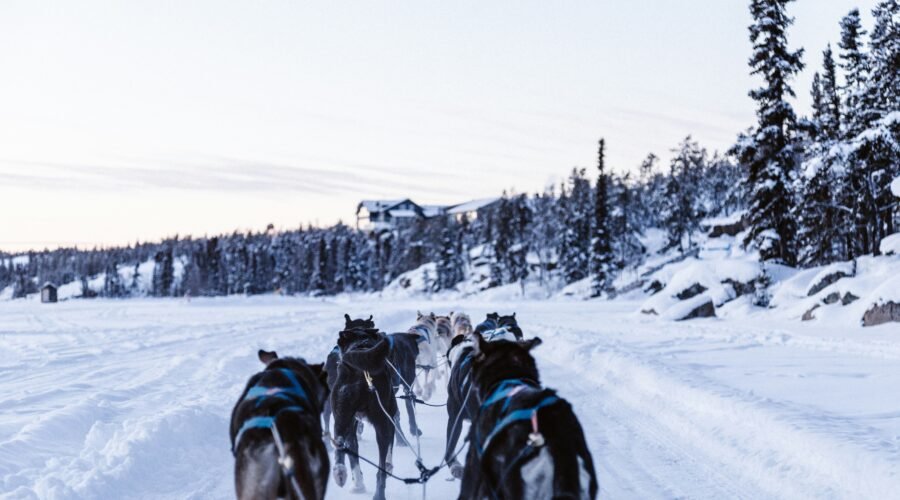
- Dog Sledding: Experience the thrill of being pulled through a snowy landscape by a team of enthusiastic huskies.
- Snowmobiling: Explore the vast wilderness on a snowmobile tour, venturing across frozen lakes and forested trails.
- Ice Fishing: Drill a hole in the thick lake ice and try your hand at catching fish in a heated hut.
- Snowking Winter Festival: Held on a castle built entirely of snow and ice on the frozen lake, this festival in March is a unique cultural experience with art, music, and performances.
- Cultural Experiences: Visit the Prince of Wales Northern Heritage Centre, the Legislative Assembly, and explore local art galleries.
- Walking on the Ice Road: A truly unique experience, just remember to stay safe and aware of conditions.
If you’re planning a trip to Yellowknife, Northwest Territories, understanding the best time to visit can significantly enhance your experience. For insights on weather patterns, crowd levels, and cost considerations, you might find this article helpful. It provides a comprehensive overview of what to expect throughout the year. Additionally, exploring related travel tips can further enrich your journey. Check out this informative piece on traveling to Yellowknife for more details on making the most of your adventure.
5. What to Consider for Your Trip
No matter when you visit, a few practical considerations will enhance your experience.
5.1. Packing Essentials
- Layering is Key: Yellowknife weather is often unpredictable. Always dress in layers, regardless of the season.
- Winter Gear: If visiting from October to April, invest in or rent proper winter clothing: a very warm parka, insulated pants, base layers (wool or synthetic), waterproof mittens or gloves, a warm hat that covers your ears, and insulated, waterproof boots with good grip. Many aurora tour operators offer rental winter clothing packages, which can be a good option if you don’t own adequate gear.
- Summer Gear: Even in summer, bring a warm layer for evenings, insect repellent, and comfortable walking shoes. A waterproof jacket is also advisable for occasional rain. Polarized sunglasses are useful for bright conditions on the water.
5.2. Transportation
- Flying In: Yellowknife Airport (YZF) is the main gateway. Several airlines offer direct flights or connections from major Canadian cities.
- Getting Around Yellowknife: The city centre is walkable, especially Old Town. However, for exploring further afield or in cold weather, a car is recommended. Taxis and ride-sharing services are available. When it’s very cold, waiting for a taxi outside can be uncomfortable, so plan accordingly.
- Rental Cars: Available at the airport. Book in advance, especially during peak seasons. In winter, ensure your rental comes with winter tires and a block heater (which you’ll need to plug in when parked for extended periods to prevent the engine from freezing).
5.3. Accommodation
- Variety: Yellowknife offers a range of options, from hotels and motels to bed and breakfasts, guesthouses, and vacation rentals.
- Book Ahead: Regardless of the season, booking accommodation in advance is highly recommended, especially for aurora season and summer. Popular options fill up quickly.
5.4. Aurora Forecasts and Preparedness
- Manage Expectations: The aurora is a natural phenomenon. While Yellowknife’s location is ideal, clear skies are not guaranteed. There’s always a chance you might not see them.
- Check Forecasts: Utilize aurora forecast websites and apps (e.g., Space Weather Live, My Aurora Forecast) to understand the Kp-index and cloud cover predictions.
- Patience: Aurora viewing often requires patience and late nights. Dress warmly, bring snacks, and enjoy the experience even if the lights are subtle.
5.5. Engaging with Local Culture
- First Nations Culture: The Yellowknives Dene First Nation has a rich history and presence in the area. Visit cultural centres, local art galleries, and keep an eye out for opportunities to learn about their traditions.
- Northern Hospitality: Yellowknifers are generally friendly and welcoming. Don’t hesitate to ask locals for recommendations or directions.
Ultimately, the best time to visit Yellowknife is deeply personal. If the aurora is your sole purpose, aim for the long, dark, and often cold nights of winter (mid-November to mid-April) or the transition periods of late August and September for warmer aurora viewing. If long days, outdoor adventures, and a vibrant city are your draw, summer (June to August) is your best bet. Each season promises a unique and unforgettable adventure in the heart of the Canadian North.
FAQs
1. What is the best time to visit Yellowknife, Northwest Territories for favorable weather?
The best time to visit Yellowknife for favorable weather is during the summer months, from June to August. During this time, the weather is mild with longer daylight hours, making it ideal for outdoor activities and sightseeing.
2. When is the peak tourist season in Yellowknife, Northwest Territories?
The peak tourist season in Yellowknife is during the winter months, particularly from mid-December to early April. This is when visitors flock to the city to witness the mesmerizing Northern Lights and partake in winter activities such as dog sledding and ice fishing.
3. What is the shoulder season in Yellowknife, Northwest Territories?
The shoulder season in Yellowknife occurs during the spring and fall months, from April to May and September to October. During these times, the weather is still favorable, and there are fewer crowds, making it a great time to visit for those looking to avoid peak tourist season.
4. When can visitors expect lower costs for accommodations and activities in Yellowknife, Northwest Territories?
Visitors can expect lower costs for accommodations and activities during the shoulder seasons in Yellowknife, particularly in the spring and fall months. Additionally, some winter activities may be more affordable during the early and late winter months.
5. What are some popular events and festivals in Yellowknife, Northwest Territories throughout the year?
Some popular events and festivals in Yellowknife throughout the year include the Snowking Winter Festival in March, the Caribou Carnival in April, and the Folk on the Rocks music festival in July. These events offer unique experiences and showcase the local culture and traditions of the Northwest Territories.