

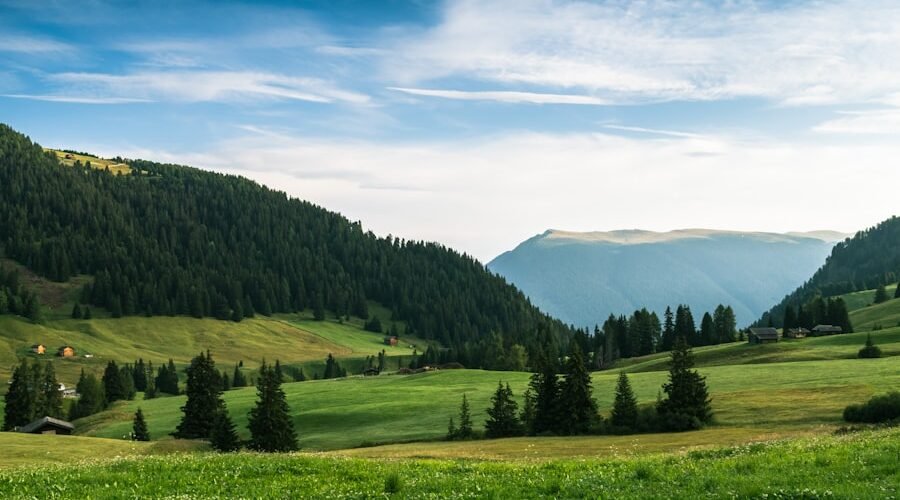
Planning a trip to Mount Field National Park? The best time depends on what you want to see. Summer offers the mildest conditions for longer walks, autumn brings Tasmania‘s famous fagus colour, winter can cover the high country in snow, and spring combines strong waterfall flow with fresh forest growth. Because conditions change sharply between the Russell Falls precinct and the alpine Lake Dobson area, your plans should account for both the season and elevation. Knowing the best time to visit Mount Field National Park Tasmania helps you plan around weather, crowds, and budget.
Quick Answer
For comfortable hiking, visit Mount Field National Park from December to February. For fagus colour, aim for late April into May. Winter is best for a chance of snow, while spring is excellent for waterfalls and lush rainforest. Always check current road, track and weather conditions before visiting the alpine area.
Also compare: Flinders Island, Tasmania.
Key Takeaways
- Best for warmer hiking: December to February.
- Best for fagus colour: Usually late April into May.
- Best chance of snow: June to August in the high country, although snowfall is never guaranteed.
- Best for waterfalls: Wetter periods in autumn, winter and spring, especially after recent rain.
- Important: Lake Dobson is reached by a 16 km unsealed road that can be affected by snow and may require chains.
Mount Field’s weather is famously changeable, particularly in the alpine zone. Historical Bureau of Meteorology data from nearby Maydena are useful for understanding the lower-elevation climate, but conditions around Lake Dobson, the Tarn Shelf and Mount Field West can be substantially colder, wetter and windier. Tasmania Parks and Wildlife Service warns that snow, rain, wind and sunshine can occur in alpine areas at any time of year.
Best Time to Visit Mount Field National Park by Season
| Season | Best For | Main Trade-Off |
| Summer Dec–Feb |
Longer walks, wildflowers, long daylight hours | Busier visitor areas and less predictable waterfall volume |
| Autumn Mar–May |
Fagus colour, photography, cooler hiking | Increasing rain, cold and possible high-country snow |
| Winter Jun–Aug |
Snow scenery, strong waterfalls, quieter visits | Snow, ice and possible Lake Dobson road restrictions |
| Spring Sep–Nov |
Waterfalls, rainforest, new growth and wildflowers | Very changeable weather and possible alpine snow |
Summer (December–February): Warmer Hiking Weather
Summer is the easiest season for many first-time visitors because daylight hours are long and lower elevations are generally mild. It is also one of the busiest periods around Russell Falls, the visitor centre and other short walks.
Weather in Summer
Historical Bureau of Meteorology data for nearby Maydena show mean maximum temperatures of about 19.4°C in December, 21.5°C in January and 21.6°C in February. Mean minimums are roughly 7.5–8.4°C.
These figures are a lower-country reference, not an alpine forecast. Lake Dobson and the Tarn Shelf are higher and can be considerably colder. Even during summer, carry warm and waterproof layers if you are going into the high country.
Summer is historically drier at Maydena than much of the rest of the year, particularly in January and February, but rain remains possible at any time.
Summer Crowds
Expect more visitors during the Australian summer holiday period, weekends and public holidays. Russell Falls and the visitor-centre precinct can become particularly busy. Starting early in the day generally gives you more flexibility with parking and walking.
The Tarn Shelf is not a multi-day hike. The official circuit is a substantial 12 km Grade 3 day walk taking about 5–6 hours. It starts from Lake Dobson, so access also depends on the condition of the upper road.
Activities and Scenery
Summer is a good time for longer walks when conditions cooperate. The high country can be colourful with flowering waratahs, boronias and heath, while the lower rainforest provides shade around Russell Falls and the Tall Trees walk.
Russell Falls is a Grade 1 walk of about 1.4 km return and takes approximately 25 minutes. Visitors who want a longer lower-park walk can consider the Three Falls Circuit, which combines Russell Falls, Horseshoe Falls, the Tall Trees area and Lady Barron Falls.
Costs and Availability
The national-park entry fee does not increase simply because it is summer. Accommodation and airfares, however, are market-priced and can vary considerably by date. If you are visiting during school holidays or around major holiday periods, booking accommodation early gives you a better choice.
Autumn (March–May): Fagus Colour and Cooler Walks
Autumn is one of Mount Field’s most distinctive seasons. Temperatures fall through March, April and May, rainfall generally increases, and Tasmania’s deciduous beech or fagus (Nothofagus gunnii) changes colour in the high country.
Weather in Autumn
At nearby Maydena, historical mean maximum temperatures are about 19.4°C in March, 16.1°C in April and 12.6°C in May. Mean rainfall rises from about 74 mm in March to approximately 115 mm in May.
The alpine zone will normally feel colder than these figures suggest. Frost and snow become increasingly possible as autumn progresses.
Autumn Crowds
Visitor numbers generally ease after the main summer holiday period, but the fagus display creates its own busy period. Discover Tasmania describes the turning of the fagus across areas such as the Tarn Shelf as occurring in late April and May. Exact colour timing varies with conditions from year to year.
Activities and Scenery
The Tarn Shelf is one of the best-known places in Mount Field to see fagus. The full circuit is 12 km and normally takes 5–6 hours. Tasmania Parks and Wildlife rates it Grade 3 and warns that snow can make the track difficult to navigate or even impassable.
Lower in the park, Russell Falls, Horseshoe Falls and the rainforest walks can become especially atmospheric after rain. Mist, wet ferns and moss-covered forest make autumn attractive for photography even before the fagus reaches peak colour.
Costs and Availability
Accommodation prices are set by individual properties rather than the national park and can vary widely. Autumn dates outside holiday periods may offer better value than peak summer, but accommodation can become more sought-after when the fagus is turning.
Pro Tip: If fagus is your main reason for visiting, check recent local conditions before locking in a long alpine walk. The colour window is seasonal, but its exact peak is not fixed to one weekend every year.
Winter (June–August): Snow and a Quieter High Country
Winter changes the character of Mount Field. The lower rainforest remains accessible much of the time, while the upper park may experience snow, ice, fog and restricted road access.
Weather in Winter
At nearby Maydena, historical mean maximum temperatures are approximately 10.1°C in June, 9.6°C in July and 11.2°C in August. Mean minimum temperatures are around 1.3–1.9°C.
The higher Lake Dobson and Tarn Shelf areas can be substantially colder and are much more exposed. Snow is common enough to support winter recreation in favourable years, but a snowy landscape is never guaranteed on a particular date.
Winter Crowds
Winter is often quieter than summer, particularly during ordinary weekdays. Fresh snowfall can change that quickly, with visitors heading to the upper park when road and snow conditions allow.
Activities and Scenery
When snow conditions are suitable, Tasmania Parks and Wildlife Service notes that cross-country skiing is popular in the mountains above Lake Dobson. Ski tows may operate on weekends and holidays when snow conditions permit.
Waterfalls can also be impressive during wetter winter periods. Instead of assuming they will always be at maximum flow, check recent rainfall because waterfall volume changes with actual conditions.
Experienced and properly equipped walkers may find dramatic snowy scenery higher in the park, but winter is not the time to assume the Tarn Shelf or other alpine routes are ordinary walking tracks.
Warning: The 16 km Lake Dobson Road beyond the main park area is unsealed. Snow can require vehicle chains or cause the road to close. Tasmania Parks and Wildlife also warns that alpine tracks can become difficult to follow or impassable in snow. Check official road, weather and park alerts before driving into the high country.
Costs and Availability
Winter can sometimes provide lower accommodation prices away from special events and snow weekends, but this is not guaranteed. The Parks Pass itself is priced by pass type rather than season.
Spring (September–November): Waterfalls and New Growth
Spring combines rising temperatures with a relatively wet historical climate. It is an appealing season for rainforest walks, waterfalls and new vegetation, but high-country weather remains highly changeable.
Weather in Spring
Historical Maydena mean maximum temperatures rise from approximately 13.4°C in September to 15.6°C in October and 17.5°C in November. Historical rainfall averages remain substantial, at roughly 105–121 mm per month across spring.
These are valley-area climate averages. Snow and freezing conditions can still affect the Mount Field high country, particularly earlier in spring. Tasmania’s alpine weather can change rapidly during any month.
Spring Crowds
Spring can provide a useful middle ground between quieter winter travel and the busier summer period. Visitor numbers generally build as conditions become milder, particularly later in the season and on fine weekends.
Activities and Scenery
Recent rainfall can give Russell Falls, Horseshoe Falls and Lady Barron Falls strong flow, while rainforest vegetation is green and lush. Wildflowers also begin to add colour to the high country as conditions warm.
Do not assume every upper track will be clear simply because it is spring. Lake Dobson road access and alpine tracks should still be checked before setting out.
Costs and Availability
Accommodation and airfare prices vary by demand rather than following a fixed seasonal tariff. Early spring can sometimes offer good value, while late spring begins to overlap with increasing summer demand.
If you’re comparing how weather, crowds and costs affect completely different destinations, the site also includes seasonal-planning guides for Bloomington, Indiana and New Jersey. For Mount Field-specific decisions, however, current Tasmania Parks and Wildlife information should take priority.
Navigating Practicalities: Costs and Accessibility
Understanding park fees, accommodation, road access and facilities can make a Mount Field visit much easier to plan.
Park Entry Fees
A valid Tasmania Parks Pass is required for Mount Field National Park. As of September 2026, the Tasmania Parks and Wildlife Service fee schedule lists the following common options:
| Pass | Vehicle | Individual |
| Daily Pass — up to 24 hours | A$49.15 for a vehicle carrying up to 8 people | A$24.55 when travelling by bus, bicycle or on foot |
| Holiday Pass — up to 2 months | A$98.35 per vehicle | A$49.20 per person |
| Annual Parks Pass | A$104.75 general | Check current eligibility and options with PWS |
Children under five are currently free of charge. Pass fees can change, so confirm the current rate on the official Parks and Wildlife Service website before your trip.
Accommodation and Food
Contrary to the common assumption that you must stay outside Mount Field, the park has two official overnight options: a campground near the main visitor area and basic Government Huts near Lake Dobson.
Mount Field Campground
The Mount Field campground is inside the national park, approximately 200 metres from the visitor centre. It has powered and unpowered sites suitable for tents, campervans and caravans.
As of September 2026, PWS lists a two-person unpowered site at A$16 and a two-person powered site at A$20, with additional-person charges applying. Campsites are allocated on a first-come, first-served basis rather than through advance reservations.
Facilities include toilets, token-operated hot showers, washing machines, dryers, a communal cooking shelter and electric barbecues.
Government Huts Near Lake Dobson
The Mount Field Government Huts sit at about 1,000 metres elevation near Lake Dobson, roughly a 10-minute walk from the lake.
There are five small huts with space for six guests each. Current listed facilities include bunk beds with mattresses, cold water, a wood heater, table and benches. There is no electricity, gas or shower, and water should be treated before drinking.
As of September 2026, the listed fee is A$90 per hut per night, normally with a two-night minimum. Government Hut bookings can be made in advance.
Note: The Government Huts are near Lake Dobson, not on the Tarn Shelf. Twilight Tarn contains a historic hut associated with skiing history, but it should not be confused with the bookable Government Hut accommodation.
Nearby Accommodation
- Maydena: One of the closest small settlements, with holiday houses, cabins and other locally operated accommodation.
- Westerway: A small settlement on the approach to Mount Field with limited lodging options.
- New Norfolk: A larger town with a wider choice of accommodation, shops and dining.
- Hobart: Mount Field can be visited as a day trip if you prefer to keep the same city accommodation throughout your stay.
Food Options
The Mount Field Visitor Centre precinct includes the privately operated Waterfalls Café, which offers food and drinks. Picnic facilities and electric barbecues are also available around the visitor-centre grounds.
For longer walks, carry enough water, food and emergency supplies rather than relying on being able to buy something in the alpine area.
Visitor Centre Hours
At the time of this update, the Mount Field Visitor Centre is open daily:
- 1 December–30 April: 9:00am–5:00pm
- 1 May–31 October: 9:00am–4:00pm
- November: 9:00am–4:15pm
Opening arrangements can change, so check the official Mount Field page before relying on them.
Transport and Accessibility
Driving from Hobart
According to Tasmania Parks and Wildlife Service, Mount Field National Park is just over an hour’s drive from Hobart via New Norfolk and Westerway.
It helps to think of the park as having two main visitor zones. The lower zone contains the visitor centre, Russell Falls and picnic facilities. The upper zone is centred on Lake Dobson and provides access to alpine walks and skiing areas.
Driving to Lake Dobson
From the main park entrance, Lake Dobson is reached by another 16 km of winding, unsealed road. Snow can result in chain requirements or road closures. Tasmania Parks and Wildlife states that this upper road is not suitable for campervans or buses.
Pro Tip: If your itinerary depends on the Tarn Shelf, Pandani Grove, skiing or another Lake Dobson activity, check the upper-road condition before leaving Hobart rather than waiting until you reach the park entrance.
Parking
Parking is available near the visitor centre. On busy summer, holiday and fine-weather weekends, arriving earlier gives you more flexibility. Lake Dobson has a separate car park for the high-country walks.
Accessibility
Russell Falls is one of Tasmania’s more accessible major waterfall walks. The official track is approximately 1.4 km return, takes about 25 minutes and is rated Grade 1.
The surface is wide, relatively level and suitable for wheelchair users, although some users may require assistance. The visitor centre, café and toilets are also accessible. Tasmania Parks and Wildlife also offers wheelchairs and a TrailRider all-terrain wheelchair through the visitor centre, with advance booking required for the TrailRider.
Choosing Your Adventure: What Are Your Priorities?

Ultimately, the best time to visit Mount Field comes down to what matters most to you. A summer hiker, an autumn photographer and a visitor hoping to see snow may all choose different months.
For Waterfall Enthusiasts
Autumn, winter and spring can all produce impressive waterfall conditions because historical rainfall is generally higher than in midsummer. Actual flow depends on recent rainfall and snowmelt, however, so no month guarantees maximum flow.
For Lush Rainforest Experiences
Autumn and spring are excellent choices for damp, green rainforest scenery. Mosses, ferns and wet forest around Russell Falls and the lower walks can be particularly atmospheric after rain.
For Snow Lovers and Solitude Seekers
Winter provides the best chance of seeing snow in the Lake Dobson and higher alpine areas. Snow depth varies greatly from one period to another, so check current conditions before travelling specifically for snow.
When enough snow is present, cross-country skiing and seasonal ski-tow activities may be available. Upper-road access remains the deciding factor.
For Warm Weather Hiking
Summer normally provides the mildest combination of temperatures and daylight for longer walks. That does not remove the need for waterproof clothing and warm layers in the high country.
For Photographers
Autumn is especially attractive during the turning of the fagus, usually in late April and May. Winter can add snow and mist, while spring combines waterfalls, saturated rainforest greens and fresh vegetation.
Summer should not be dismissed, either. Long daylight hours and flowering alpine plants can make the high country particularly photogenic.
For Budget-Conscious Travellers
There is no special low-season discount on the standard national-park entry pass. Your biggest seasonal savings are more likely to come from accommodation and airfare pricing.
Winter and early spring can sometimes be cheaper outside holiday and snow-demand periods, but compare your actual dates rather than assuming that one season will always cost less.
Mount Field is effectively two experiences in one: an accessible rainforest-and-waterfall precinct around Russell Falls and a colder, more exposed alpine environment around Lake Dobson.
Final Thoughts: Be Prepared, Be Flexible
There is no single bad season for Mount Field National Park, but there is a best season for each type of trip. Choose summer for easier warm-weather hiking, late autumn for fagus, winter for a chance of snow and spring for wet, vibrant rainforest scenery.
Whatever month you choose, treat the high country differently from the lower Russell Falls precinct. Check the latest forecast and park alerts, carry warm and waterproof layers, wear suitable footwear and take enough food and water for your planned walk. For Lake Dobson trips, confirm the upper-road condition before setting out.
Best Time To Visit Mount Field National Park Tasmania: Frequently Asked Questions
What is the best time to visit Mount Field National Park?
December to February is generally best for milder hiking weather and long daylight hours. For other priorities, choose late April into May for fagus colour, winter for the best chance of alpine snow, or spring and other wet periods for strong waterfall flow and lush rainforest.
What is the weather like at Mount Field throughout the year?
Conditions vary sharply with elevation. Nearby Maydena has historical mean summer maximum temperatures around 19–22°C and winter maximums around 10–11°C, while Lake Dobson and the alpine tracks are colder. Snow, rain, wind and sudden changes can occur in the high country.
When is Mount Field National Park busiest?
Summer holidays, public holidays and fine weekends can make the Russell Falls precinct busy. The Tarn Shelf also attracts extra visitors when the fagus turns in late April and May, while fresh winter snow can bring more people to the Lake Dobson area.
Can you see snow at Mount Field National Park?
Yes. Winter offers the best chance, especially around Lake Dobson and the alpine areas, but snowfall and snow depth vary greatly. Snow can also occur outside winter. Always check current conditions rather than planning around a guaranteed snow date.
Do I need a 4WD to visit Mount Field?
A 4WD is not normally required to reach the main visitor centre and Russell Falls precinct. The road to Lake Dobson is different: the final 16 km is unsealed, winter snow can require chains or cause closure, and PWS states that the road is not suitable for campervans or buses.
How long does it take to drive from Hobart to Mount Field?
Tasmania Parks and Wildlife Service describes Mount Field as just over an hour’s drive from Hobart via New Norfolk and Westerway. Allow additional time if you plan to continue another 16 km up the unsealed road to Lake Dobson.
Does Mount Field National Park have accommodation inside the park?
Yes. Mount Field has a campground close to the visitor centre and bookable Government Huts near Lake Dobson. The Government Huts are basic alpine accommodation with bunk beds, cold water and wood heaters but no electricity, gas or showers.
Does the cost of visiting Mount Field change by season?
The Tasmania Parks Pass is priced by pass type rather than by season. Accommodation and airfare prices can change with demand, so those expenses may be higher or lower depending on your exact travel dates.
Sources
- Tasmania Parks and Wildlife Service — Mount Field National Park — park access, facilities, visitor-centre hours, skiing, accessibility and Lake Dobson road information.
- Tasmania Parks and Wildlife Service — Park Passes and Entry Fees — current national-park pass prices and conditions.
- Tasmania Parks and Wildlife Service — Tarn Shelf — walk distance, duration, grade and alpine safety information.
- Tasmania Parks and Wildlife Service — Mount Field Camping — campground location, facilities, fees and first-come allocation.
- Tasmania Parks and Wildlife Service — Mount Field Government Huts — hut location, facilities, booking conditions and fees.
- Australian Bureau of Meteorology — Maydena Climate Statistics — historical nearby temperature and rainfall averages used for seasonal context.




[…] Mount Field National Park, Tasmania […]