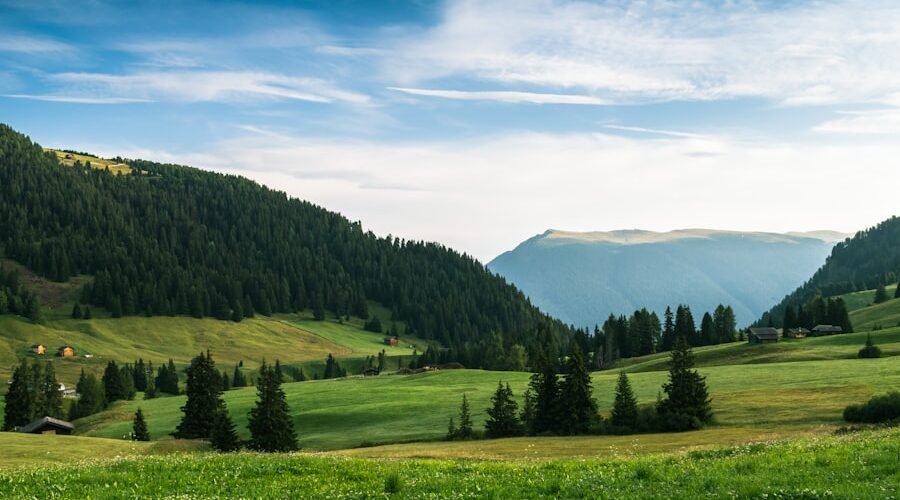
Planning a trip to Mount Field National Park? You’re in for a treat! The best time to visit really boils down to what you’re hoping to experience. If you’re chasing waterfalls and lush greenery, the cooler, wetter months of spring (September to November) and autumn (March to May) are ideal. For drier trails and warmer temperatures, summer (December to February) is your go-to. If you’re keen on seeing snow and don’t mind bundling up, winter (June to August) offers a unique, tranquil beauty. Each season has its pros and cons, impacting everything from the views to the crowds and even your budget.
Mount Field’s weather is famously changeable, even within a single day. So, while we can give you general expectations, always pack layers and be prepared for anything!
Summer (December – February): Warmth and Waterfalls
Summer is peak season for a reason. The days are long, generally warmer, and the park is buzzing with visitors.
Weather in Summer
Expect average daytime temperatures to hover around 15-20°C (59-68°F) in the lower elevations, though it can certainly get warmer on sunny days. Higher up, on the Tarn Shelf for example, it will be significantly cooler. While summer is generally drier than other seasons, Mount Field still receives its fair share of rain. Don’t be surprised by a sudden shower, especially in the afternoons. Humidity is usually moderate.
Summer Crowds
This is when the park is at its busiest. Popular spots like Russell Falls, Horseshoe Falls, and the Tall Trees walk will see significant foot traffic, especially on weekends and public holidays. The car park can fill up quickly, so arriving early is always a good strategy. The more challenging multi-day hikes on the Tarn Shelf will also have more trekkers.
Activities and Scenery
All trails are typically open and accessible. Russell Falls is still impressive, though perhaps not as thunderous as in wetter months. The “Tall Trees” walk is a pleasant, shaded escape. For wildflowers, late spring and early summer can be beautiful, particularly along the Tarn Shelf. The longer daylight hours mean more time for exploring.
Costs and Availability
Accommodation in nearby towns like Westerway or Maydena, or even further afield in Hobart, will be at its highest rates. Booking well in advance is crucial, especially if you’re looking for specific types of lodging. Flights to Hobart can also be more expensive. Entry to the park itself is covered by a Parks Pass, which has a standard fee regardless of the season.
Autumn (March – May): Golden Hues and Fewer Folks
Autumn is often considered one of the most beautiful times to visit, especially for photographers. The weather starts to cool, and the deciduous fagus (Nothofagus gunnii) puts on a spectacular display.
Weather in Autumn
Daytime temperatures gradually drop, ranging from 10-18°C (50-64°F) in March, down to 5-12°C (41-54°F) by May. Rainfall becomes more frequent, invigorating the waterfalls and making the rainforest incredibly lush. Frosts can start to appear in May, especially at higher elevations.
Autumn Crowds
The crowds begin to thin out after the summer rush, making for a more peaceful experience. The exception is during the “Turning of the Fagus” (typically late April to mid-May), when the park experiences a surge in visitors keen to witness this unique natural spectacle. Even then, it’s generally less hectic than peak summer.
Activities and Scenery
The highlight of autumn is undoubtedly the fagus. The walk to the Tarn Shelf is the best way to experience this, but it requires a good level of fitness and appropriate gear. Russell Falls and Horseshoe Falls are starting to flow strongly again. The rainforest walks are incredibly atmospheric, with mist often clinging to the ferns. All trails are generally open, though higher trails might experience some early season snow in late May.
Costs and Availability
Accommodation prices generally start to decrease from their summer highs, offering better value. However, during the fagus peak, demand can still be high, so booking ahead is still recommended. Flights to Hobart might also be more affordable than in summer.
Winter (June – August): Snow and Serenity
Winter transforms Mount Field into a completely different landscape. If you love snow and crave solitude, this is your season.
Weather in Winter
Expect cold conditions. Daytime temperatures typically range from 0-8°C (32-46°F), and frequently drop below freezing overnight, especially at higher altitudes. Snow is common, particularly on the Tarn Shelf and surrounding peaks. Rainfall is generally high, and misty, foggy conditions are frequent. Be prepared for icy trails.
Winter Crowds
Winter is the quietest season, offering a truly tranquil experience. You’ll often have sections of the park almost entirely to yourself, especially on weekdays. The only time it might get busier is on a sunny winter weekend, particularly if there’s been fresh snowfall, as locals flock to see the snow.
Activities and Scenery
The higher elevations, including the Tarn Shelf, are frequently blanketed in snow, creating stunning photographic opportunities. Cross-country skiing and snowshoeing are popular activities when conditions permit. Russell Falls and Horseshoe Falls are usually at their most powerful, fed by the increased rainfall. The rainforest walks are incredibly moody and beautiful, with vibrant green mosses and ferns contrasting with the often-grey skies. However, some higher trails may be closed due to snow and ice, or require specialized equipment and experience. Always check park alerts before heading out.
Costs and Availability
This is generally the most budget-friendly time to visit. Accommodation prices are at their lowest, and you’re more likely to find good deals on flights. Some smaller businesses in the area might have reduced hours or close for a short period during the deepest winter, so it’s worth checking ahead.
Spring (September – November): Rebirth and Renewal
Spring brings a sense of awakening to Mount Field. The weather starts to warm, and the park bursts with new life and vibrant colours.
Weather in Spring
Spring weather is famously unpredictable. You can experience all four seasons in one day! Average daytime temperatures range from 8-15°C (46-59°F). Rainfall is still common, especially in early spring, leading to roaring waterfalls. Snow can still fall at higher elevations well into October.
Spring Crowds
Crowds are moderate, picking up towards late spring as the weather improves. Early spring can still be quite quiet, offering a good balance between pleasant conditions and fewer people.
Activities and Scenery
Waterfalls are often at their most spectacular in spring, fed by melting snow and consistent rainfall. The rainforest is incredibly vibrant and alive. Wildflowers begin to emerge, adding splashes of colour to the landscape. While the fagus doesn’t turn until autumn, the broader flora is fresh and new. All trails are generally accessible, though higher routes might still have patches of snow and ice in early spring.
Costs and Availability
Accommodation and flight prices will start to rise from their winter lows, gradually increasing as summer approaches. Early spring can still offer good value before the peak season really kicks in.
If you’re planning a trip to Mount Field National Park in Tasmania, it’s essential to consider not only the best time to visit but also how weather, crowds, and costs can impact your experience. For those interested in exploring similar travel insights, you might find the article on the best times to visit Bloomington, Indiana, particularly useful. It covers aspects such as weather patterns, crowd levels, and budget considerations that can help you plan your trip more effectively. You can read more about it here: Best Time to Visit Bloomington, IN: Weather, Crowds, and Costs.
Navigating Practicalities: Costs and Accessibility
Understanding the practical side of visiting Mount Field can help you plan a smooth trip.
If you’re planning a trip to Mount Field National Park in Tasmania, you might find it helpful to explore the best times to visit other stunning destinations as well. For instance, an article on New Jersey offers insights into the weather, crowds, and costs associated with visiting that region, which can provide a useful comparison for your travel plans. You can read more about it in this related article. Understanding the seasonal variations and peak tourist times can enhance your experience at both locations.
Park Entry Fees
Mount Field National Park, like all national parks in Tasmania, requires a Parks Pass for entry. You can purchase these online, at national park visitor centres (including Mount Field’s own visitor centre), or at some accredited sales agents.
Pass Options
- Daily Pass: Covers one day entry for one vehicle (up to 8 people).
- Holiday Pass: Covers two months entry for one vehicle (up to 8 people) to all Tasmanian National Parks. This is often the most cost-effective option if you’re visiting multiple parks or staying for more than a few days.
- Annual Pass: For frequent visitors, these provide unlimited entry for a year.
- Concessions: Discounted passes are available for eligible concession card holders.
It’s important to note that these fees are per vehicle, not per person, making them quite reasonable for groups or families.
Accommodation and Food
While there isn’t accommodation inside the park itself (apart from a very basic lodge on the Tarn Shelf for overnight hikers, requiring prior booking), there are options nearby.
Nearby Accommodation
- Maydena: A small town just a short drive from the park entrance, offering cabins, guesthouses, and a popular mountain biking park.
- Westerway: Another small town with a few B&Bs and farm stays.
- New Norfolk: A larger town about 30-40 minutes drive away, with more options for hotels, motels, and restaurants.
- Hobart: If you’re based in Hobart (about a 1.5-hour drive), Mount Field can easily be done as a day trip.
Food Options
The Mount Field Visitor Centre has a small cafe that serves light meals, snacks, and hot drinks. Beyond that, you’ll find limited options in Maydena and Westerway. New Norfolk offers more variety. It’s always a good idea to pack your own snacks, lunch, and plenty of water, especially if you’re planning longer hikes.
Transport and Accessibility
Getting to Mount Field generally requires a car, as public transport options are very limited.
Driving Directions
Mount Field National Park is located approximately 1.5 hours (70 km) northwest of Hobart. The drive is scenic and well-signed. The road to the park entrance is sealed and generally in good condition.
Parking
There is a large car park at the Visitor Centre, though it can fill up quickly during peak season. Additional overflow parking may be available during busy times.
Accessibility
The famous Russell Falls track is one of Tasmania’s most accessible walks. It features a sealed, gently graded path suitable for wheelchairs and prams, leading right up to the base of the falls. This makes Mount Field an excellent choice for visitors with mobility challenges. Other walks vary in difficulty and accessibility.
Choosing Your Adventure: What Are Your Priorities?

Ultimately, the “best” time to visit Mount Field comes down to your personal preferences and what you want to get out of your trip.
For Waterfall Enthusiasts
Spring (September – November) and Winter (June – August) are prime times. The increased rainfall ensures the waterfalls are flowing powerfully, creating a truly spectacular sight. Early autumn (March) can also be excellent before the full winter rains.
For Lush Rainforest Experiences
Autumn (March – May) and Spring (September – November), with their consistent rainfall, keep the rainforest vibrant, mossy, and incredibly atmospheric. The fresh growth of spring and the rich colours of autumn enhance the experience.
For Snow Lovers and Solitude Seekers
Winter (June – August) is your season. The park transforms into a winter wonderland, offering a peaceful and unique experience, especially for cross-country skiing or snowshoeing on the higher trails.
For Warm Weather Hiking
Summer (December – February) provides the most reliable warm and dry conditions for tackling longer hikes, though temperatures can still be cool at elevation. Be prepared for busier trails.
For Photographers
Autumn (March – May), particularly during the “Turning of the Fagus,” offers unparalleled colour and moody light. Winter (June – August) provides dramatic snowscapes. Spring (September – November) offers vibrant green growth and powerful waterfalls. Basically, Mount Field is a photographer’s dream in any season, each offering unique opportunities!
For Budget-Conscious Travellers
Winter (June – August) and early Spring (September – October) generally offer the best value on accommodation and potentially flights, avoiding the peak season price hikes.
Final Thoughts: Be Prepared, Be Flexible
No matter when you choose to visit Mount Field National Park, remember that Tasmanian weather can be unpredictable. Always check the forecast before you go, pack layers (even in summer!), wear sturdy, waterproof footwear, and carry plenty of water and snacks. The park is renowned for its diverse beauty, and each season offers a distinct charm. Embrace the elements, and you’re guaranteed an unforgettable experience.
FAQs
1. What is the best time to visit Mount Field National Park in Tasmania?
The best time to visit Mount Field National Park in Tasmania is during the summer months of December to February when the weather is warm and the park is in full bloom.
2. What is the weather like at Mount Field National Park throughout the year?
The weather at Mount Field National Park varies throughout the year. Summer months are warm with temperatures ranging from 10°C to 25°C, while winter months are cold with temperatures ranging from 0°C to 10°C.
3. When are the crowds at Mount Field National Park the busiest?
The park is busiest during the summer months of December to February when the weather is warm and the park is in full bloom. It is also popular during the Easter holiday period.
4. Are there any specific events or activities that are popular at Mount Field National Park during certain times of the year?
During the winter months, snowshoeing and skiing are popular activities at Mount Field National Park. In the summer, hiking and birdwatching are popular activities.
5. How does the cost of visiting Mount Field National Park vary throughout the year?
The cost of visiting Mount Field National Park remains consistent throughout the year, with a standard entry fee for adults and concessions for children and seniors.