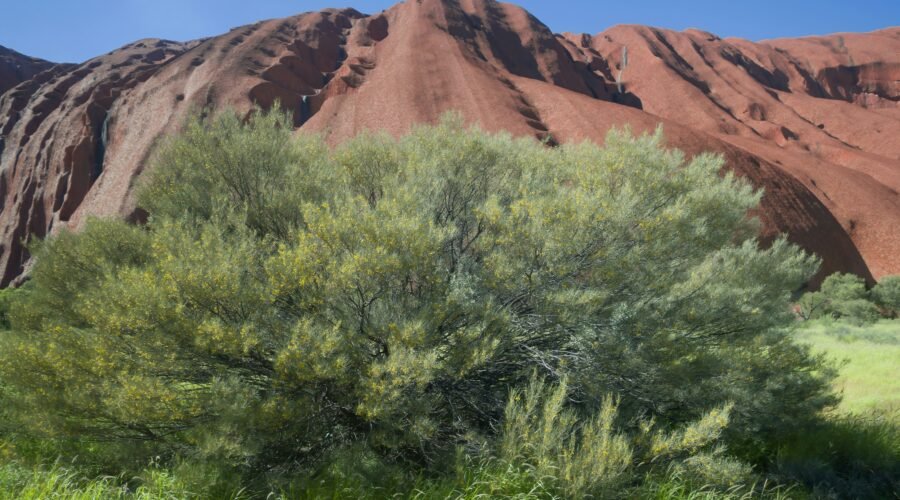
So, you’re wondering about the best time to visit Uluru, hey? To cut straight to the chase, the sweet spot for visiting Uluru is generally during the Australian winter months – that’s May to September. This is when the weather is most agreeable, making those incredible sunrises and sunsets, and exploring the Base Walk, a real pleasure.
Now, let’s dive into the details, because there’s more to it than just temperature.
Uluru, sitting right in the middle of Australia, experiences a classic desert climate. This means distinct seasons that are less about “spring” and “autumn” and more about “warm dry,” “hot dry,” and a potential “wet season.” Understanding these is key to planning your trip.
The Dry Season (May to October)
This is the most popular time to visit, and for good reason. Think clear blue skies, comfortable temperatures, and generally lower humidity.
Cooler Dry (May to August)
This period is often considered the absolute best time.
- Weather: Daytime temperatures typically range from a pleasant 20-25°C (68-77°F). Night-time can get surprisingly chilly, dropping to 0-5°C (32-41°F), so layering is essential. You’ll be comfortable during the day for walks and sightseeing, but you’ll want a warm jacket for sunrise/sunset viewings.
- Crowds: Expect higher visitor numbers. Uluru is a bucket-list destination, and everyone wants to experience it when the weather is good. This means more people at viewing platforms, busier walks, and potentially fuller tours. It’s not usually overwhelming, but you won’t have the place to yourself.
- Costs: Accommodation and tour prices will be at their peak during this period due to demand. Flights might also be pricier. Booking well in advance (6-12 months for peak dates) is highly recommended, especially for popular hotels and tour operators.
- Activities: All activities are generally available and very enjoyable. The comfortable temperatures make walking the Base Walk (10.6km/6.6 miles) or participating in other cultural tours much more manageable.
Warmer Dry (September to October)
Still a great time to visit, but things start warming up.
- Weather: Daytime temperatures climb to 28-35°C (82-95°F). Nights are still cool but less so than in mid-winter, usually 10-15°C (50-59°F). The air remains dry.
- Crowds: Still high, comparable to the cooler dry season. Many people prefer this period to avoid the colder nights of mid-winter.
- Costs: Similar to the cooler dry season – high demand equals higher prices.
- Activities: All activities are still perfectly doable, but you’ll want to prioritize early morning starts for walks to beat the midday heat. Staying hydrated is paramount.
The Wet Season (November to April)
This period is often misunderstood. While it’s called the “wet season,” it’s not like a tropical monsoon where it rains all day every day. It’s more about the potential for rain, and with that, comes humidity and heat.
Hot & Potentially Wet (November to February)
This is the peak of summer in the Northern Territory.
- Weather: Expect scorching temperatures, often exceeding 40°C (104°F). Humidity levels can also be quite high. When it does rain, it’s often in dramatic thunderstorms that can create temporary waterfalls cascading down Uluru – a truly spectacular sight if you’re lucky enough to witness it. However, long periods of hot, dry weather are also common.
- Crowds: Significantly lower than during the dry season. If you’re looking for solitude and don’t mind the heat, this could be your time.
- Costs: Generally lower for accommodation and tours as demand drops. You might find some good deals.
- Activities: Early morning is your best friend. Ranger-guided walks often start very early. Some longer walks might be closed during the hottest parts of the day for safety reasons. You’ll need to be very heat-tolerant, carry plenty of water, and stay out of the midday sun. The potential for rain means you might see Uluru change colour dramatically or experience temporary road closures if there’s significant rainfall. Some activities, like scenic flights, might be impacted by stormy weather.
Shoulder Wet (March to April)
Transitioning out of the peak wet season.
- Weather: Still warm, with daytime temperatures in the mid-30s°C (90s°F), but humidity might start to decrease slightly. The chances of rain are still there, but perhaps less frequent than December-February.
- Crowds: Still relatively low compared to the dry season, but starting to pick up as the weather becomes a bit more predictable.
- Costs: Still more budget-friendly than the peak dry season, but prices might begin to tick up towards the end of April.
- Activities: Similar to the peak wet season, focus on early mornings. The landscape can be surprisingly green and vibrant if there’s been recent rain, offering a different photographic opportunity.
If you’re planning a trip to Uluru in the Northern Territory, it’s essential to consider not only the best time to visit but also how it compares to other destinations. For instance, you might find it helpful to read about the ideal times to explore Geyve in Sakarya, Turkey, which offers its own unique weather patterns, crowd dynamics, and cost considerations. You can find more information in this related article: Best Time to Visit Geyve, Sakarya: Weather, Crowds, and Costs.
Crowd Considerations: Finding Your Balance
How much do crowds bother you? This is a big factor when choosing your travel dates.
Peak Season (May – September)
As mentioned, this is when you’ll find the most people.
- Sunrise/Sunset Platforms: These can get busy, with people jockeying for the best photo spots. Arriving early is advisable.
- Base Walk: While long enough to absorb many visitors, you’ll still see plenty of other walkers, especially in the cooler parts of the day.
- Tours & Accommodation: Book everything far in advance. Availability for preferred times or specific hotels can be limited if you leave it too late.
- Dining: Restaurants can get busy, especially around sunset. Consider making dinner reservations.
Shoulder Seasons (April, October)
These months offer a good compromise.
- April: The tail end of the wet season and start of the dry. Temperatures are still warm but becoming more manageable. Crowds are lower than peak, but starting to build.
- October: The beginning of the warmer period. Still dry, but temperatures are climbing. Crowds are still strong but might thin out a little towards the end of the month.
- Overall: These can be good times to visit if you want to avoid the absolute busiest times but still enjoy good weather without the intense heat. You might find slightly better deals on accommodation too.
Low Season (November – March)
If you’re seeking solitude, this is your window.
- Less Congestion: You’ll find fewer people at the viewing areas and on the walks. It’s easier to find moments of quiet contemplation.
- More Availability: Generally, more choice for accommodation and tours, often at reduced rates.
- Heat Tolerance is Key: The trade-off for fewer crowds is the intense heat. If you struggle with high temperatures, this might not be the best option for you.
Budgeting for Your Uluru Trip: What to Expect

Uluru, being a remote and iconic destination, isn’t typically a “budget” trip. However, timing your visit can certainly influence the final cost.
Accommodation
- Peak Season (May – September): Expect the highest prices. The Ayers Rock Resort (which encompasses all the hotels and campgrounds in Yulara) operates on demand pricing. Booking well in advance is crucial to secure your preferred option and potentially a slightly better rate.
- Shoulder Seasons (April, October): Prices might be slightly lower than peak, but still leaning towards the higher end. You might find more availability for last-minute bookings compared to peak.
- Low Season (November – March): This is when you’ll find the best deals on accommodation. If you’re willing to brave the heat, you can save a significant amount here.
Flights
- Peak Season: Flights to Ayers Rock Airport (AYQ) can be expensive, especially if flying direct from major Australian cities. Booking several months in advance is highly recommended.
- Shoulder & Low Seasons: You might find better flight deals during these periods, especially if you’re flexible with your travel dates. Consider flying into Alice Springs (ASP) and renting a car for the 4.5-hour drive to Uluru – this can sometimes be cheaper overall, even with car hire costs.
Tours & Activities
- Pricing Consistency: Most tour prices (e.g., camel rides, scenic flights, Uluru Base Walk tours) tend to remain relatively consistent throughout the year. However, during peak season, popular tours can book out quickly.
- Special Offers: You might find occasional package deals during the low season that combine accommodation and tours.
Car Hire
- Demand Driven: Car hire prices at Ayers Rock Airport can be high, especially during peak season, due to limited availability. Booking early is essential.
- Alice Springs Alternative: Renting a car from Alice Springs often provides more options and potentially better rates, though you’ll have the added driving time.
Activities and Experiences: What’s Possible When

Uluru offers a range of incredible experiences, and most are available year-round, with some caveats.
Sunrise and Sunset Viewings
- Always Available: These iconic experiences are a must, regardless of when you visit.
- Temperature Impact: During winter, it will be very cold before sunrise and after sunset, so pack warm layers. In summer, it will be warm even at these times, though still pleasant compared to midday.
- Crowds: Expect crowds at the designated viewing platforms during peak season.
Uluru Base Walk
- Highly Recommended: This 10.6 km (6.6 miles) loop is the best way to appreciate the scale and cultural significance of Uluru.
- Heat Restrictions (Summer): During the hotter months (typically November to March), sections of the Base Walk may be closed from 11 am due to extreme heat for visitor safety. Always check with park rangers or at the Cultural Centre for current conditions. If visiting in summer, plan to start your walk as early as possible (before 7 am is ideal).
- Water: Carry plenty of water (at least 3-4 litres per person for the Base Walk, regardless of the season).
Cultural Centre & Maruku Arts
- Always Open: The Uluru-Kata Tjuta Cultural Centre is a fascinating place to learn about the Anangu people, their culture, and their connection to Uluru. It’s an indoor activity, making it a great option for hot or rainy days. Maruku Arts offers workshops and cultural experiences.
Field of Light & Wintjiri Wiru (New!)
- Book in Advance: These popular art installations require separate bookings and are often completely sold out, especially during peak season. Book months ahead if these are on your must-do list.
- Weather Impact: While generally robust, extreme weather might impact these outdoor events. Wintjiri Wiru, being a drone show, can be affected by strong winds.
Kata Tjuta (The Olgas)
- Valley of the Winds Walk: This challenging 7.4 km loop offers spectacular views. Like the Uluru Base Walk, parts of it may be closed during periods of extreme heat in summer.
- Walpa Gorge Walk: A shorter, easier walk into a gorge.
- Accessibility: Located about a 45-minute drive from Uluru, it’s easily accessible by car or guided tour.
If you’re planning a trip to Uluru in the Northern Territory, you might also find it helpful to explore the best time to visit St. David’s, which offers insights into weather patterns, crowd levels, and travel expenses. Understanding these factors can enhance your travel experience, ensuring you make the most of your visit. For more information, check out this related article on the best time to visit St. David’s.
So, What’s the Absolute Best Time For You?
| Month | Weather | Crowds | Costs |
|---|---|---|---|
| January | Hot, occasional rain | High | High |
| April | Mild, clear skies | Medium | Medium |
| July | Cool, sunny days | Low | Low |
| October | Warm, dry weather | Medium | Medium |
Ultimately, the “best” time depends on your priorities.
- For the Most Comfortable Weather & All Activities Open: Aim for May to September. Be prepared for higher costs and more crowds.
- For a Balance of Weather and Fewer Crowds: Consider the shoulder months of April or October. You might still get warm days, but it’s generally more manageable than summer.
- For Budget Travellers & Solitude Seekers (and Heat Tolerant): November to March could be your time. Embrace the heat and the potential for dramatic thunderstorms.
No matter when you visit, Uluru is a profoundly moving and incredible place. Plan ahead, respect the land and its traditional custodians, and you’re guaranteed an unforgettable experience.
FAQs
1. What is the best time to visit Uluru in the Northern Territory?
The best time to visit Uluru is during the cooler months of April to September when the weather is more pleasant and the crowds are smaller.
2. What is the weather like at Uluru throughout the year?
Uluru experiences a desert climate with hot summers and mild winters. Summer temperatures can exceed 100°F (38°C) while winter temperatures range from 50-70°F (10-20°C).
3. When are the crowds at Uluru the largest?
The crowds at Uluru are largest during the Australian school holidays, particularly in December and January. It is also busy during major events and festivals.
4. Are there any cost differences for visiting Uluru at different times of the year?
Accommodation and tour prices may vary depending on the season, with higher prices during peak tourist months. It’s advisable to book in advance to secure the best rates.
5. What are some activities to do at Uluru during the recommended months to visit?
During the cooler months, visitors can enjoy activities such as sunrise and sunset viewings of Uluru, guided walks, camel rides, and cultural experiences with the local Anangu people.