

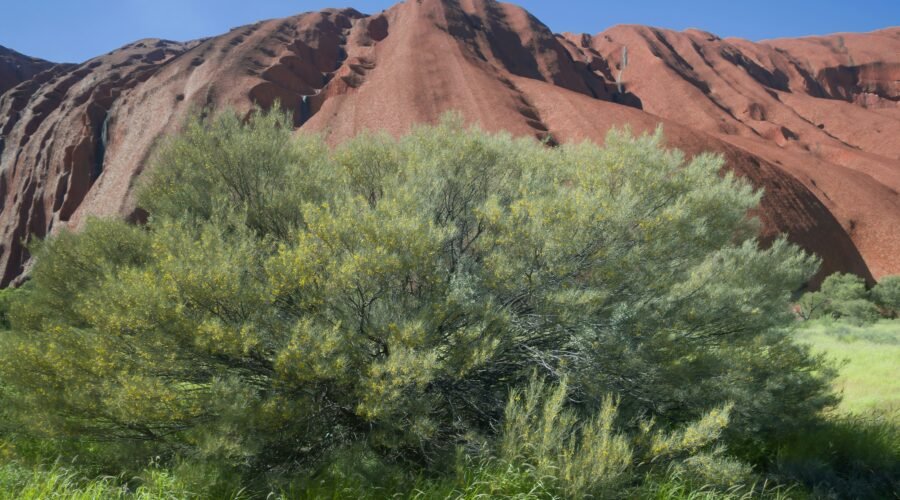
So, you’re wondering about the best time to visit Uluru, hey? For most travellers, May to September is the best overall window. The cooler days make sunrise and sunset viewing, the Uluṟu Base Walk, and trips to Kata Tjuṯa much more comfortable. The trade-off is simple: these pleasant months are also the most popular, so accommodation, rental cars, and popular experiences can fill sooner.
Compare our seasonal guides to Northern Territory, Australia and Kata Tjuta, Northern Territory when choosing other stops in Northern Territory.
Quick Answer
The best time to visit Uluru is May to September. Parks Australia recommends these cooler months because daytime highs are usually about 20–30°C, rain is limited, and walking is safer. June and July bring cold nights, while August and September offer warmer days and the best chance of seeing wildflowers.
Key Takeaways
- Best overall: May to September for cooler walking weather and generally low rainfall.
- Best balance: April and October can offer fewer peak-season pressures, but temperatures are warmer and October can become hot.
- Best for wildflowers: August and September are usually the strongest months after suitable winter rain.
- Best for lower demand: November to March, if you can safely handle extreme heat and plan activities very early.
- Summer safety: Parks Australia strongly recommends not walking after 11 am in summer and advises carrying and drinking at least one litre of water per person per hour while walking.
There is more to choosing your dates than temperature alone. Crowds, accommodation demand, walking safety, storms, flies, cold winter nights, and the experiences you want to book can all change which month is best for you.
Uluru Weather by Season
Uluṟu sits in the semi-arid heart of Australia, and the temperature can change sharply between day and night. Parks Australia says the most comfortable period for visitors is generally May to September, while October to March can become extremely hot. You can compare the official monthly climate figures on the Uluṟu-Kata Tjuṯa National Park “When to come” page.
Cooler Months: May to October
This is the most popular part of the year to visit, especially from May through September. Days are more suitable for walking, skies are often clear, and rainfall is generally limited.
Cooler Dry Period: May to August
This period is often the easiest choice if your priority is comfortable outdoor sightseeing.
- Weather: Average daytime maximums at Yulara fall from about 24°C in May to around 20°C in June and July before rising again in August. Winter nights can be very cold, with average minimums around 4–9°C and occasional frost.
- Crowds: Expect stronger visitor demand because the weather is comfortable. Sunrise and sunset viewing areas, tours, rental cars, and accommodation can be busier.
- Costs: Accommodation and transport prices are demand-driven, so popular dates can cost more. There is no universal peak-season surcharge, but booking early gives you more choice.
- Activities: This is an excellent time for longer walks, including the 10.6 km Uluṟu Base Walk, because you are less exposed to dangerous summer heat.
Pro Tip: Do not underestimate winter mornings. Take a warm jacket, especially for pre-dawn tours and sunrise viewing, then use removable layers as the day warms up.
Warmer Dry Period: September to October
September is still one of the best months to visit, but temperatures rise quickly as spring progresses into October.
- Weather: The average maximum is about 29°C in September and 32°C in October. Nights are much milder than in mid-winter.
- Wildflowers: Parks Australia says August and September are usually the best months to see wildflowers blooming in the park.
- Crowds: September remains popular. October can be a useful compromise, but do not assume it will feel cool; afternoon temperatures can already be demanding.
- Activities: Start longer walks early. The closer you get to summer, the more important it becomes to avoid the hottest part of the day.
Hotter, Stormier Months: November to April
You will sometimes hear November to April described loosely as a “wet season,” but Uluṟu does not experience a tropical monsoon pattern. Rain is highly variable. Hot periods can be dry for long stretches, while thunderstorms can occasionally deliver dramatic rain.
Peak Heat: November to February
This is the most demanding time for walking and other exposed outdoor activities.
- Weather: Average daytime maximums are around 35–38°C, and individual days can exceed 40°C.
- Rain: Storms are possible. When sufficient rain falls, water can stream down Uluṟu and fill waterholes, producing one of the park’s most dramatic natural sights.
- Crowds: Overall visitor demand is generally lower than in the cool season, although Christmas, New Year, school holidays, or special events can create temporary spikes.
- Costs: Lower-demand dates can sometimes be cheaper, but accommodation, flights, and tours use dynamic pricing. Check your exact dates rather than assuming summer is always inexpensive.
- Activities: Schedule exposed walks for the earliest practical part of the morning and follow every heat closure or ranger direction.
- Flies: Fly numbers can be particularly noticeable during warmer months. Parks Australia suggests considering a protective head net in summer.
Warning: Extreme heat at Uluṟu can cause dehydration, heat exhaustion, heatstroke, and dangerous electrolyte problems. Parks Australia recommends avoiding summer walking after 11 am, wearing sun protection and sturdy footwear, walking with another person, and carrying and drinking at least one litre of water per person per hour. Follow the current guidance on the official park safety page.
Transition Period: March to April
March can still be very hot, but April starts the shift into cooler conditions.
- Weather: Yulara’s average maximum falls from about 35°C in March to about 30°C in April.
- Crowds: Demand normally starts building as conditions improve.
- Costs: Prices depend on your dates, room type, flight availability, and events. April can sit between lower summer demand and the busier cool season.
- Activities: Early starts still make sense. April can be a good compromise if you want warmer evenings without the most intense summer heat.
- Landscape: Following substantial rain, the desert may look greener and waterholes may hold more water than visitors expect from Central Australia.
Understanding Aṉangu Seasons
A simple “summer versus winter” or “wet versus dry” model does not fully describe Country. Aṉangu Traditional Owners recognise five seasons according to changing weather, plants, animals, and other signs in the landscape.
- Itjanu/inuntji: usually January to March, associated with overcast conditions and rain.
- Wanitjunkupai: usually April to May, when colder weather begins.
- Wari: usually late May to July, the cold period when frost and dew can occur.
- Piriyakutu/piriya piriya: usually August to October, when warmer winds arrive and many plants flower or fruit.
- Mai wiyaringkupai/kuli: usually late October to December, the hottest period, when storm clouds and lightning can occur.
These are guides rather than rigid calendar blocks. Seasonal conditions are understood through what is happening on Country, not simply by fixed dates.
Crowd Considerations: Finding Your Balance
How much do crowds bother you? This can matter almost as much as temperature when choosing your travel dates.
Peak Travel Period: May to September
The comfortable cool-season weather makes this the most attractive window for many visitors.
- Sunrise and sunset areas: Popular viewing locations can become busy. Arrive with enough time to settle in rather than turning up at the last moment.
- Base Walk: The route is long enough to spread people out, but you will still encounter other walkers, especially in the morning.
- Tours and accommodation: If a specific hotel, room type, dinner, or timed experience matters to you, reserve it early.
- Dining: Popular restaurants and sunset-linked dining times can fill sooner during busy periods.
Shoulder Months: April and October
These months can offer a useful compromise between weather, demand, and flexibility.
- April: Days are still warm, but the average maximum is much lower than in midsummer.
- October: Conditions are usually dry and warm, but average daytime temperatures are already above 30°C.
- Overall: Either month may suit you if you want to travel outside the main May–September period, but check the actual forecast before planning long walks.
Lower-Demand Period: November to March
If you want more availability and fewer people, this period can be appealing, but the heat is the major trade-off.
- Less congestion: Viewing areas and walking tracks may feel quieter outside holiday peaks.
- More availability: Some dates can have more room and tour choice than the cool-season peak.
- Heat tolerance is essential: Do not choose summer purely to avoid crowds if extreme heat will stop you enjoying the outdoor experiences you travelled to see.
Budgeting for Your Uluru Trip: What to Expect

Uluṟu is remote, so transport, accommodation, meals, and organised experiences can make the trip more expensive than a typical city break. Your dates still matter, but avoid assuming every hotel, flight, or activity follows the same seasonal price pattern.
Accommodation
- May to September: Demand is generally strongest, so book early when a specific property or room type matters to you.
- April and October: You may find more flexibility than at the busiest cool-season dates, although rates can still be high.
- November to March: Some lower-demand dates can offer better value, but holiday periods and limited inventory can still produce expensive nights.
Flights
- Direct access: Ayers Rock/Connellan Airport (AYQ) serves Yulara and is the simplest air gateway for most visitors.
- Book by total trip cost: Compare airfare, baggage, airport transfers, car hire, fuel, and your available time instead of choosing the cheapest-looking flight alone.
- Alice Springs alternative: Alice Springs is significantly farther away than some travellers expect. The current official estimate is about 465 km by road and roughly 5.5 hours of direct driving, so an Alice Springs flight is not automatically the cheaper or easier option once car hire and travel time are included.
Tours & Activities
- Pricing varies: Commercial operators set their own prices, inclusions, and seasonal schedules.
- Availability matters: Popular sunrise, sunset, dining, art, and cultural experiences can sell out even when the listed price stays unchanged.
- Weather can intervene: Storms, strong winds, extreme heat, maintenance, or culturally important closures can affect some activities.
Car Hire
- Limited local supply: Rental-car availability around Yulara can tighten during popular periods.
- Reserve early: A confirmed vehicle is more important than trying to save a small amount by waiting until the last minute.
- Compare the whole route: If considering Alice Springs, include the additional driving time and fuel in your calculation.
National Park Pass
You need a park pass to enter Uluṟu-Kata Tjuṯa National Park. Fees and pass conditions can change, so check the official Parks Australia park-pass page before booking. Children and teenagers under 18 currently enter free, while adult visitors need a valid pass.
Activities and Experiences: What’s Possible When

Most of the headline experiences around Uluṟu and Kata Tjuṯa can be enjoyed across much of the year, but heat, storms, cultural considerations, maintenance, and individual operator schedules can change what is practical on a particular day.
Sunrise and Sunset Viewing
- Year-round appeal: Sunrise and sunset are among the classic Uluṟu experiences in every season.
- Winter: Pre-dawn and evening conditions can be cold, so take warm layers.
- Summer: Sunrise becomes especially useful because it lets you enjoy the landscape before the day’s strongest heat.
- Crowds: Expect more people at designated viewing areas during popular cool-season dates.
Uluṟu Base Walk
- Distance and time: Parks Australia lists the full loop at 10.6 km with an estimated walking time of about 3 hours 30 minutes.
- Best conditions: Start from the Mala carpark early in the morning, particularly in warm weather.
- Summer: Parks Australia recommends finishing before 11 am in hot weather. Some individual tracks can close because of heat, so obey all signs and ranger directions.
- Water: Follow the official recommendation of at least one litre per person per hour while walking.
Check the current route description and conditions on the official Uluṟu Base Walk page.
Current access note — checked September 1, 2026: Parks Australia still lists the Liṟu walk as closed until further notice after flooding, with an alternative route connecting the Cultural Centre area toward the base walk. Conditions can change, so check the official Liṟu closure notice shortly before your visit.
Cultural Centre & Maruku Arts
- Excellent in any season: The Cultural Centre is one of the best places to learn about Aṉangu culture, Tjukurpa, Country, and appropriate visitor behaviour.
- Useful in difficult weather: It provides a valuable alternative when the midday heat makes long outdoor walks unsuitable.
- Check operating information: The Cultural Centre has published daily opening hours rather than being open around the clock, and temporary closures can occur.
Field of Light & Wintjiri Wiru
- Book ahead: These are ticketed experiences with limited capacity and scheduled departure times.
- Plan around sunset and darkness: Your exact start time can shift through the year as sunset times change.
- Weather matters: Outdoor programming can be changed or cancelled when conditions are unsuitable, particularly where drones or other weather-sensitive technology is involved.
Kata Tjuṯa
- Valley of the Winds: The full Grade 4 circuit is 7.4 km and takes about four hours. It is rocky, steep, and significantly more demanding than an easy sightseeing stroll.
- Heat closure: The Valley of the Winds route closes beyond Karu Lookout from 11 am when the forecast or actual temperature reaches 36°C or above. Check the official Valley of the Winds information before setting out.
- Waḻpa Gorge: This shorter 2.6 km return walk normally takes about one hour and is a more manageable option for many visitors.
- Access: Kata Tjuṯa is reached by road from the Uluṟu area, so allow driving time in addition to the walk itself.
- Cultural respect: Parts of Kata Tjuṯa are highly culturally sensitive. Follow all photography instructions and stay on marked tracks.
Uluru Month-by-Month: Weather, Crowds and Costs
The climate figures below use the average maximum, average minimum, and average rainfall data published by Parks Australia for Yulara. Crowd and cost columns are practical relative guides rather than fixed rules; holidays, events, airline capacity, and room availability can change the pattern for individual dates.
| Month | Avg. Max / Min | Avg. Rainfall | Typical Crowds | Cost Pressure | Best For |
|---|---|---|---|---|---|
| January | 38.4°C / 22.8°C | 28.8 mm | Generally lower, holiday spikes possible | Often lower outside holiday peaks | Very early sightseeing, possible storms |
| February | 37.0°C / 22.1°C | 38.4 mm | Lower | Often lower | Solitude if you tolerate extreme heat |
| March | 34.5°C / 19.3°C | 32.6 mm | Low to medium | Low to medium | Late-summer value |
| April | 29.9°C / 14.5°C | 15.7 mm | Medium | Medium | Shoulder-season balance |
| May | 24.3°C / 9.3°C | 14.3 mm | High | Higher | Walking and comfortable days |
| June | 20.4°C / 5.6°C | 18.2 mm | High | Higher | Long walks; pack warm layers |
| July | 20.6°C / 4.4°C | 17.6 mm | High | Higher | Coolest walking conditions |
| August | 23.7°C / 5.9°C | 5.0 mm | High | Higher | Walking and wildflowers |
| September | 28.7°C / 10.7°C | 9.0 mm | High | Higher | Wildflowers and warmer nights |
| October | 32.3°C / 14.9°C | 21.1 mm | Medium | Medium | Warm shoulder season |
| November | 35.1°C / 18.4°C | 33.1 mm | Lower | Often lower | Early starts and fewer visitors |
| December | 36.5°C / 20.8°C | 45.5 mm | Generally lower, holiday spikes possible | Variable around holidays | Storm potential; heat-tolerant visitors |
So, What’s the Absolute Best Time For You?
Ultimately, the “best” month depends on what you value most.
- For the most comfortable weather and easiest walking conditions: Choose May to September. This is the official recommended period, but expect stronger demand.
- For the best wildflower opportunity: Aim for August or September, although flowering always depends on preceding conditions.
- For a balance of weather and lower peak-season pressure: Consider April or October. April is cooler than summer; October is warmer and can already exceed 30°C during the day.
- For colder-weather walking: June or July gives you the coolest average daytime temperatures, but sunrise and nighttime conditions can be very cold.
- For lower demand and possible savings: Look at November to March, but only if you are prepared to reorganise your days around extreme heat.
- For dramatic rain and waterfalls: There is no month when waterfalls are guaranteed. Storms are more likely in the hotter part of the year, but rainfall at Uluṟu is highly variable.
No matter when you visit, Uluṟu is a profoundly significant living cultural landscape. Plan ahead, follow current park safety and access notices, respect Aṉangu requests and culturally sensitive areas, stay on marked tracks, and give yourself enough time to experience the place rather than treating it as a quick photo stop.
Sources
- Uluṟu-Kata Tjuṯa National Park — When to come — official best-time recommendation, Yulara temperature and rainfall averages, wildflowers, summer heat, storms, and flies.
- Uluṟu-Kata Tjuṯa National Park — Staying safe — extreme-heat precautions, water guidance, walking safety, and heat-related illness.
- Uluṟu-Kata Tjuṯa National Park — Uluṟu Base Walk — 10.6 km distance, estimated time, route information, and hot-weather walking guidance.
- Uluṟu-Kata Tjuṯa National Park — Valley of the Winds — walk distance, difficulty, photography guidance, and 36°C heat-closure rule.
- Uluṟu-Kata Tjuṯa National Park — Buy your pass — current park-pass requirements and conditions.
- Uluṟu-Kata Tjuṯa National Park — Liṟu walk closure — current 2026 access change and alternative route.
Frequently Asked Questions
What is the best time to visit Uluru in the Northern Territory?
For most visitors, May to September is the best time to visit Uluṟu. Parks Australia recommends this period because daytime maximums are usually around 20–30°C, rainfall is generally low, and walking is safer and more comfortable. The trade-off is stronger visitor demand.
What is the weather like at Uluru throughout the year?
Uluṟu has a semi-arid Central Australian climate with large day-to-night temperature changes. Average daytime maximums at Yulara range from about 20°C in June and July to around 38°C in January. Winter nights can approach freezing, while summer days can exceed 40°C.
When is Uluru busiest?
The cooler May-to-September travel period is generally the busiest because it offers the most comfortable conditions for walking and sightseeing. Individual school-holiday periods, long weekends, and events can also create short demand spikes at other times of year.
Is Uluru cheaper in summer?
It can be. November to March generally has lower overall demand, so some accommodation or travel dates may cost less. However, prices are dynamic, and Christmas, New Year, school holidays, limited flights, or limited room inventory can still make particular dates expensive.
What is the best time for the Uluru Base Walk?
May to September provides the most comfortable overall walking weather. Whatever the season, an early-morning start is sensible. In hot weather, Parks Australia recommends finishing the Uluṟu Base Walk before 11 am and following all track-closure signs and ranger directions.
Can you visit Uluru in December or January?
Yes, but you need to plan around extreme heat. Schedule exposed activities early, avoid summer walking after 11 am, carry sufficient water, wear strong sun protection, and be prepared for heat-related track restrictions. Storms are also more likely during the hotter months.
What month is best for wildflowers at Uluru?
August and September are usually the best months for wildflowers according to Parks Australia. Flowering depends on seasonal conditions and previous rainfall, so the display varies from year to year.



[…] Uluru, Northern Territory […]