

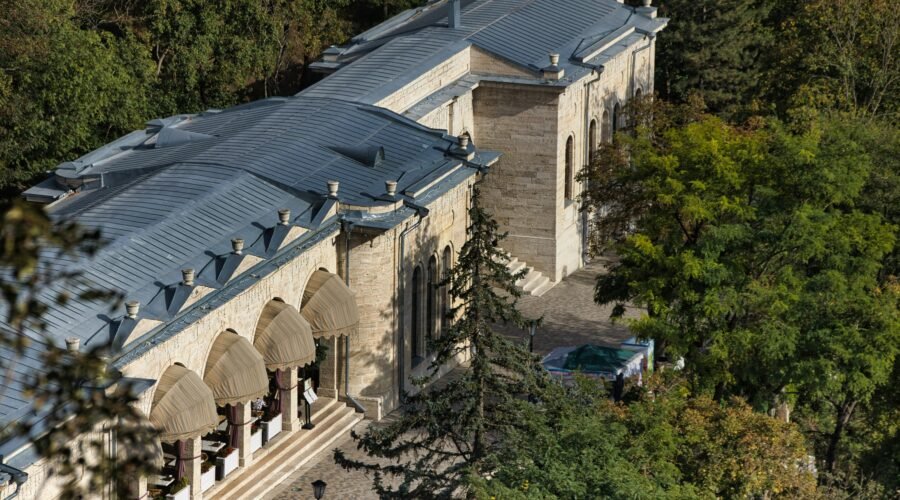
So, when’s the best time to visit Pyatigorsk? In a nutshell, late spring (May-early June) and early autumn (September-early October) are generally your best bets. You’ll hit that sweet spot of pleasant weather, manageable crowds, and reasonable costs. While the city has its charms year-round, these periods offer the most balanced experience for most travelers. Let’s dig into the details. Knowing the best time to visit Pyatigorsk Stavropol Krai helps you plan around weather, crowds, and budget.
For a wider trip plan, see our Yessentuki, Stavropol Krai seasonal guide.
Pyatigorsk sits in a region with a humid continental climate, which basically means you’re going to see all four seasons distinctly. No real surprises there, but knowing what to expect weather-wise is key to planning your trip.
1.1. Summers: Warm and Busy
Pyatigorsk summers (June-August) are typically warm, sometimes even hot, and generally sunny.
- June: Temperatures usually hover around 20-25°C (68-77°F). It’s a lovely month, but can see some afternoon thunderstorms. The greenery is lush, and the city is vibrant.
- July: Often the warmest month, with averages around 23-28°C (73-82°F), sometimes pushing higher. It’s prime time for outdoor activities, but also when the city gets its most visitors.
- August: Similar to July, but with a slight hint of autumn starting to creep in towards the end of the month. Still very warm and pleasant.
If you enjoy bustling atmospheres and don’t mind the heat, summer can be great. Just be prepared for higher prices and more competition for accommodation and popular tours.
1.2. Autumn: Mild and Picturesque
Autumn (September-November) in Pyatigorsk is often considered by many locals to be the most beautiful time, especially early autumn.
- September: This is arguably one of the best months. Temperatures are comfortably cool, around 15-20°C (59-68°F), and the foliage starts to change, painting the surrounding mountains in stunning colors. It’s often sunny with clear skies.
- October: Still pleasant, but definitely cooler, with daytime temperatures around 10-15°C (50-59°F). The autumn colors are at their peak in early October. You’ll need a light jacket.
- November: The chill starts to set in. Temperatures drop to 5-10°C (41-50°F), and while there might be some sunny days, rain and even early snow flurries aren’t uncommon. Many outdoor activities start to wind down.
Early autumn offers gorgeous scenery and a more relaxed pace. It’s excellent for hiking and enjoying the natural beauty without the summer crowds.
1.3. Winters: Cold and Snowy
Pyatigorsk winters (December-February) are cold and bring snow, transforming the city into a winter wonderland.
- December: Average temperatures are around 0-5°C (32-41°F). Snow is likely, creating a picturesque setting, especially on Mashuk Mountain.
- January: Usually the coldest month, with averages around -5 to 0°C (23-32°F), though it can drop lower. It’s prime time for winter sports in the nearby Caucasus mountains, but the city itself is quieter.
- February: Similar to January, still cold and snowy, but with hints of spring beginning to emerge towards the end of the month.
If you’re into winter sports or enjoy the quiet beauty of a snowy landscape, winter can be an enchanting time. Just pack very warm clothes and be aware that some attractions might have reduced hours.
1.4. Spring: Emerging Beauty
Spring (March-May) is a season of transition, with new life emerging after the winter.
- March: Still quite chilly, with temperatures around 5-10°C (41-50°F). Snow can still fall, but it’s often a mix of rain and sunshine. The city slowly begins to awaken.
- April: A definite improvement. Temperatures climb to 10-15°C (50-59°F). Trees begin to bud, and flowers start to bloom. It can still be a bit unpredictable with spring showers.
- May: This is where spring really shines. Temperatures are comfortably warm, 15-20°C (59-68°F), and the whole region explodes in greenery and flowers. It’s a fantastic time for sightseeing and light hiking.
Late spring, particularly May, is another strong contender for the “best time” due to its pleasant weather and vibrant scenery before the main summer rush.
Best Time To Visit Pyatigorsk Stavropol Krai: 2. Dealing with Crowds
The number of people you’ll encounter can significantly impact your experience. Pyatigorsk is a popular resort town, and certain times of the year are much busier than others.
2.1. Peak Season: Summer Holidays
- When: Primarily July and August, extending into early September.
- What to expect: Pyatigorsk, being a renowned balneological resort, sees a significant influx of visitors during the summer months. Families on school holidays, people seeking sanatorium treatments, and general tourists all converge.
- Impact: Expect longer queues at popular attractions like the cable car up Mashuk Mountain, the Proval Lake, and the Aeolian Harp. Restaurants can be busier, and finding available tables might require reservations, especially in the evenings. Accommodation prices will be at their highest, and booking well in advance is essential. Popular hiking trails, while still enjoyable, will have more foot traffic.
If you prefer a lively atmosphere and don’t mind sharing the sights with many others, summer is fine. But if you value tranquility, you might want to adjust your timing.
2.2. Shoulder Seasons: Spring and Autumn Sweet Spots
- When: May-early June and September-early October.
- What to expect: These periods offer a fantastic balance. The weather is generally excellent, but the sheer volume of tourists hasn’t reached its summer peak or has already started to subside. Sanatoriums are still active, but the general tourist rush is less intense.
- Impact: You’ll find attractions are still fully operational, but with shorter waiting times. Restaurants are less crowded, making it easier to enjoy a meal at your own pace. Accommodation prices tend to be more reasonable than in peak summer, and you’ll have more options available. Hiking trails are still beautiful, often with fewer people, allowing for a more immersive nature experience.
These shoulder seasons are perfect for those who want to experience Pyatigorsk’s beauty and attractions without feeling overwhelmed by crowds.
2.3. Off-Season: Winter and Early Spring
- When: November-April (excluding the very end of April and May).
- What to expect: These are the quietest months for general tourism. The city takes on a more local feel. While some people visit for specific winter sports or sanatorium treatments, the numbers are significantly lower.
- Impact: Many attractions might have reduced operating hours or even be closed for maintenance. Some outdoor activities, like certain hiking trails, might be inaccessible due to snow or ice. Restaurants and cafes will be quieter, and you’ll easily find tables. Accommodation prices are generally at their lowest, and you might even snag some great deals.
If you enjoy solitude, winter can be appealing, especially if you plan to combine your trip with skiing in the nearby Caucasus resorts. However, be prepared for colder weather and potentially limited options for some activities within Pyatigorsk itself.
3. Cost Considerations

Your travel budget is often a major factor, and Pyatigorsk, like any destination, sees price fluctuations throughout the year.
3.1. Peak Season Pricing
- When: Predominantly July and August.
- Accommodation: Hotels, sanatoriums, and guesthouses will have their highest rates. Booking months in advance is highly recommended, as good options can sell out quickly. Expect to pay a premium for quality lodging.
- Flights/Transportation: If flying into nearby Mineralnye Vody (MRV), flight prices from major cities will also be at their highest during this period due to increased demand. Train tickets might also see a slight bump.
- Tours & Activities: While the base prices for attractions might not change drastically, organized tours to surrounding areas (like Elbrus or Dombay) might see slight increases or have less availability if booked last-minute.
If you must travel in summer, budgeting an extra 15-25% for accommodation and potentially flights compared to shoulder seasons is a good idea.
3.2. Shoulder Season Value
- When: May-early June and September-early October.
- Accommodation: This is where you’ll find the best balance of availability and price. Hotels and sanatoriums often offer slightly reduced rates compared to summer, but you still have a good selection. You might even find some attractive package deals.
- Flights/Transportation: Airfares tend to be more reasonable than in the summer peak. Booking a few months ahead can still yield good savings.
- Tours & Activities: Prices for tours remain stable, but with fewer crowds, you might find more flexibility in booking and group sizes.
For value-conscious travelers who still want good weather and open attractions, the shoulder seasons offer the most bang for your buck. You can often save 10-20% on accommodation compared to the peak.
3.3. Off-Season Bargains
- When: November-April (excluding major holidays like New Year’s).
- Accommodation: This is when you’ll find the lowest prices. Many hotels and guesthouses offer significant discounts to attract guests. If your main goal is to experience a sanatorium treatment at a reduced cost, this can be a good time, though some services might be limited.
- Flights/Transportation: Flight prices are generally at their lowest during the depths of winter, especially outside of holiday periods.
- Tours & Activities: Some tour operators might offer reduced rates for winter excursions, or you might find fewer options available.
If your budget is tight, and you’re prepared for the cold or potential limitations, off-season travel can save you a substantial amount, sometimes 25-40% or more on accommodation compared to peak season. Just be mindful of potential closures or weather-related disruptions.
4. Activities and Special Events

What you want to do in Pyatigorsk can also influence your ideal travel time. The city and surrounding region offer a variety of experiences.
4.1. Outdoor Pursuits: Hiking, Exploring, and Nature
- Best Time: Late spring (May-June) and early autumn (September-early October).
- Why: This is when the weather is most conducive to exploring the numerous hiking trails around Mashuk Mountain and the surrounding Caucasus foothills. The air is fresh, the scenery is vibrant (green in spring, colorful in autumn), and temperatures are perfect for being active. In summer, it can get too hot for strenuous hikes, especially midday. In winter, many trails can be icy or snow-covered, requiring specialized gear and experience.
- What to do: Hike up Mashuk, explore the Flowers Garden, visit Proval Lake, walk along the Komsomolsky Park. For more serious hikers, trips to Dombay or Elbrus are best in these periods for comfortable trekking conditions.
4.2. Sanatorium and Spa Treatments
- Best Time: Year-round, but shoulder seasons offer a better balance.
- Why: Sanatoriums operate throughout the year, and many people specifically choose winter for treatments, as it’s a quiet time. However, if you want to combine your treatments with enjoying the city’s outdoor amenities, the shoulder seasons provide the best of both worlds – pleasant weather for walks between procedures and fewer external distractions.
- Considerations: Booking well in advance is crucial for sanatoriums, especially for specific treatment packages, regardless of the season. Some people prefer the quiet ambiance of winter for introspection and treatment focus.
4.3. Cultural and Historical Exploration
- Best Time: Year-round, with a slight preference for shoulder seasons.
- Why: Museums, galleries, and historical sites like Lermontov’s House are mostly indoors and operate year-round. However, walking between these sites is much more pleasant in milder weather. The open-air museum elements, like the Aeolian Harp or the local architecture, are best appreciated without extreme heat, cold, or heavy rain.
- What to see: The Lermontov places of interest, the local history museum, the State Philharmonic, and the unique architecture of the old city.
4.4. Festivals and Local Events
- Best Time: Mostly summer and early autumn.
- Why: Like many places, Pyatigorsk tends to host more public festivals, concerts, and outdoor events when the weather is warm and conducive to gathering.
- Examples (check local listings closer to your travel date):
- City Day (День города): Usually celebrated in September, featuring concerts, parades, and cultural performances. A lively time to be in Pyatigorsk.
- Kavkaz Jazz Festival: Historically held in September, attracting jazz musicians and enthusiasts.
- Summer Concerts: Often held in the parks or at the State Philharmonic throughout the warmer months.
- Considerations: If attending a specific event is your priority, always check the exact dates for the year you plan to visit, as they can vary.
5. Personal Preferences and Travel Style
| Month | Weather | Crowds | Costs |
|---|---|---|---|
| January | Cold, snowy | Low | Low |
| April | Mild, occasional rain | Medium | Medium |
| July | Warm, occasional thunderstorms | High | High |
| October | Cool, occasional rain | Low | Low |
Ultimately, the “best” time is subjective and depends heavily on what you’re looking for in your trip.
5.1. For the Outdoor Enthusiast
- Go in: Late spring (May-early June) or early autumn (September-early October).
- Why: Perfect hiking weather, lush greenery or stunning autumn foliage, comfortable temperatures for extended outdoor activities, and generally fewer crowds on trails compared to peak summer.
5.2. For the Budget-Conscious Traveler
- Go in: Off-season (November-April, avoiding major holidays).
- Why: Lowest accommodation and flight prices, fewer tourists, and a quieter atmosphere. You’ll need to be prepared for colder weather and potentially limited options for some outdoor activities.
5.3. For the Sanatorium Seeker
- Go in: Year-round, but consider shoulder seasons for a balance of treatments and city exploration, or winter for ultimate tranquility.
- Why: Sanatoriums are open all year. Your choice might depend on whether you prioritize quiet reflection during treatments (winter) or combining treatments with pleasant outdoor walks (spring/autumn).
5.4. For the Family Vacationer
- Go in: Summer (July-August).
- Why: School holidays make this the most practical time for families. While crowds are higher and prices peak, the warm weather is great for kids, and all attractions are fully open and operational.
5.5. For the Photography Buff
- Go in: Early autumn (September-early October) or late spring (May).
- Why: Early autumn provides spectacular fall colors in the mountains and crisp, clear air for stunning landscapes. Late spring offers vibrant green landscapes and blooming flowers. Both offer beautiful light conditions.
5.6. For Avoiding Crowds
- Go in: Shoulder seasons (May-early June, September-early October) or off-season (winter).
- Why: You’ll experience the city and its attractions with a more relaxed pace and greater ease of movement, allowing for a more personal and intimate exploration of Pyatigorsk.
To sum it up, while late spring and early autumn generally offer the most universally appealing conditions, Pyatigorsk has something to offer in every season. Weigh your priorities – whether it’s sunshine, solitude, savings, or specific activities – and choose the time that aligns best with your ideal travel experience.
FAQs
1. What is the best time to visit Pyatigorsk, Stavropol Krai in terms of weather?
The best time to visit Pyatigorsk, Stavropol Krai is during the summer months of June to August when the weather is warm and pleasant, with average temperatures ranging from 20°C to 25°C.
2. When is the peak tourist season in Pyatigorsk, Stavropol Krai?
The peak tourist season in Pyatigorsk, Stavropol Krai is during the summer months of June to August when the weather is ideal for outdoor activities and sightseeing.
3. When is the off-peak season in Pyatigorsk, Stavropol Krai?
The off-peak season in Pyatigorsk, Stavropol Krai is during the winter months of December to February when the weather is cold and the city experiences fewer tourists.
4. What are the costs like during the peak tourist season in Pyatigorsk, Stavropol Krai?
During the peak tourist season in Pyatigorsk, Stavropol Krai, costs for accommodation, dining, and activities may be higher due to increased demand.
5. When is the best time to visit Pyatigorsk, Stavropol Krai to avoid crowds and high costs?
The best time to visit Pyatigorsk, Stavropol Krai to avoid crowds and high costs is during the shoulder seasons of spring (April to May) and fall (September to October) when the weather is still pleasant and the city is less crowded.




[…] a wider trip plan, see our Pyatigorsk, Stavropol Krai seasonal […]