


Planning a trip to Saraktash in Orenburg Oblast and wondering about the best time to go? Generally speaking, late spring (May-early June) and early autumn (September-early October) offer the most comfortable weather and a good balance of crowd levels and costs. These periods avoid the harsh extremes of winter and the intense heat of mid-summer, while also falling outside of peak holiday rushes. Knowing the best time to visit Saraktash Orenburg Oblast helps you plan around weather, crowds, and budget.
Compare our seasonal guides to Orenburg, Orenburg Oblast and Buzuluk Pine Forest National Park, Orenburg Oblast when choosing other stops in Orenburg Oblast.
1. Understanding Saraktash’s Climate: A Land of Extremes
Saraktash, like much of the Orenburg Oblast, experiences a distinctly continental climate. This means you can expect significant temperature swings between seasons, making timing your visit crucial for comfort and enjoyment.
1.1. Winter: A True Russian Winter Experience (November – March)
If you’re dreaming of a quintessential snowy Russian landscape, then winter might appeal. However, be prepared for seriously cold temperatures.
- Temperatures: Average daily temperatures often dip well below -10°C (14°F), with nighttime lows frequently reaching -20°C (-4°F) or even colder. January is typically the coldest month.
- Snowfall: Expect heavy and consistent snowfall from December through March, transforming the landscape into a winter wonderland.
- Daylight Hours: Days are short, especially in December and January, meaning fewer hours of daylight for exploring.
- Activities: Winter sports enthusiasts might find opportunities for cross-country skiing or ice skating if facilities are available. However, most outdoor sightseeing will be challenging due to the cold.
- Crowds & Costs: This is generally off-peak season, so you’ll encounter fewer tourists and potentially lower accommodation prices. Flights and train tickets might also be cheaper.
- Practicalities: You’ll need serious winter gear – thermal layers, a heavy-duty coat, warm boots, gloves, and a hat are non-negotiable. Many smaller, seasonal attractions might be closed.
1.2. Spring: Thaw and Renewal (April – May)
Spring is a season of transition, starting with the slow melt of snow and leading into more pleasant weather.
- Temperatures: April sees temperatures slowly rise above freezing, averaging around 5-10°C (41-50°F). By May, averages are a comfortable 15-20°C (59-68°F).
- Precipitation: April can still be wet with melting snow and some rain. May generally sees moderate rainfall.
- Landscapes: Early spring can be muddy as the snow melts. By late May, the landscape starts to green up, and flowers begin to bloom, making it quite picturesque.
- Activities: Late spring, particularly May, is excellent for outdoor activities like walking, hiking in local parks, and exploring historical sites without the summer heat.
- Crowds & Costs: April is still relatively quiet. May starts to see a slight increase in domestic tourism, especially around public holidays like Victory Day (May 9th), but it’s generally not overcrowded. Costs remain reasonable.
- Our Take: Late May is one of the best times to visit. The weather is mild, nature is coming alive, and tourist numbers are manageable.
1.3. Summer: Warm and Sunny (June – August)
Summer in Saraktash can be quite warm, offering long daylight hours for exploration.
- Temperatures: June, July, and August average around 20-25°C (68-77°F), but heatwaves pushing temperatures into the low 30s°C (high 80s°F) are not uncommon, especially in July.
- Precipitation: Summer generally sees moderate to occasional heavy rainfall, often in the form of thunderstorms.
- Daylight Hours: Days are very long, with extended daylight well into the evening, perfect for sightseeing.
- Activities: All outdoor activities are in full swing. This is the prime season for enjoying parks, riverbanks, and any open-air festivals or events.
- Crowds & Costs: This is peak domestic travel season, especially July and August, when Russian families are on holiday. Expect more crowds at popular spots and potentially higher prices for accommodation and transport, particularly on weekends.
- Practicalities: Pack light clothing, but also bring a light jacket or sweater for cooler evenings and rain gear. Sun protection is a must.
1.4. Autumn: Crisp Air and Golden Hues (September – October)
Autumn provides another excellent window for visiting, characterized by pleasant weather and beautiful scenery.
- Temperatures: September is wonderfully mild, averaging 15-20°C (59-68°F). October sees a noticeable drop, averaging 5-10°C (41-50°F), with the first frosts appearing towards the end of the month.
- Precipitation: September is generally drier and sunnier than October, which can be wetter and lead into the first snowfalls.
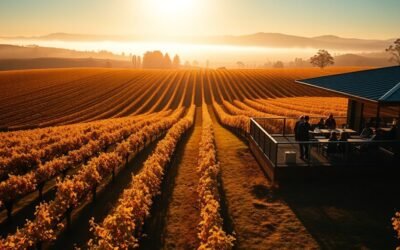
- Landscapes: The foliage starts to change colors in September, peaking in early October, offering stunning photographic opportunities.
- Activities: Excellent for leisurely walks, enjoying the autumn colors, and visiting historical sites. As temperatures drop, indoor activities become more appealing.
- Crowds & Costs: September is still relatively popular, but generally less crowded than peak summer. October sees a significant drop in tourist numbers. Costs tend to be reasonable, especially as you move deeper into autumn.
- Our Take: Early September is another fantastic time to visit. The weather is still comfortable, the autumn colors are emerging, and the summer crowds have dispersed.
2. Navigating Crowd Levels and Local Holidays
Understanding when Saraktash and the surrounding region experience higher visitor numbers can significantly impact your trip experience, from the atmosphere to the availability of services.
2.1. Peak Season: Summer Holidays and Public Festivities
- July & August: These are the busiest months for domestic tourism. Many Russian families take their annual leave during this time, leading to more activity at local parks, recreational areas, and any regional attractions. Expect slightly longer waits at popular spots and potentially more competition for preferred accommodation.
- May Public Holidays: The period around May 1st (Labor Day) and May 9th (Victory Day) is a popular time for short getaways across Russia. While not as intense as the summer, you might find accommodation fills up faster and transport options are more booked during these long weekends.
- Local Events: Keep an eye out for any local Saraktash festivals or regional events. These can draw significant crowds from nearby towns and cities, even outside of traditional peak seasons.
2.2. Shoulder Seasons: The Sweet Spot
- Late May – Early June: This period strikes an excellent balance. The weather is warming up, but schools are still in session, meaning fewer families traveling. You get pleasant conditions without the full summer rush.
- September – Early October: Similar to late spring, early autumn offers comfortable temperatures and beautiful scenery, but with fewer tourists than in summer. It’s an ideal time for those who prefer a more relaxed pace.
2.3. Off-Peak: Winter Solitude
- November – April (excluding public holidays): If solitude is what you seek, and you can handle the cold, winter offers the fewest crowds. Many international tourists avoid this season, and domestic travel is primarily for specific winter activities or visiting family. You’ll likely have many places to yourself.
3. Budgeting Your Trip: When to Save and When to Splurge
Costs for accommodation, transportation, and activities can fluctuate throughout the year in Saraktash, though perhaps not as dramatically as in major international tourist hubs.
3.1. Accommodation: Seasonal Pricing
- Peak Season (July-August & May Holidays): Expect the highest prices for hotels, guesthouses, and apartments. Booking in advance is highly recommended to secure your preferred options and potentially better rates.
- Shoulder Seasons (Late May-Early June & September): Prices tend to be moderate. You’ll find a good selection of accommodation at reasonable rates, and booking a few weeks in advance should be sufficient.
- Off-Peak (Winter, April, October-November): This is when you’ll find the best deals on accommodation. Many places offer discounted rates to attract guests during the quieter months. Some smaller establishments might have reduced services or even close temporarily.
3.2. Transportation: Flights and Trains
- Flights to Orenburg (closest major airport): Airfare to Orenburg (OZH) from major Russian cities (like Moscow or St. Petersburg) will generally be more expensive during peak summer months, school holidays, and around major public holidays. Booking well in advance (2-3 months) is always a good strategy to find better prices, regardless of the season.
- Train Travel: Train tickets, particularly for popular routes, can also see price increases around peak travel times. Second-class (platskart) tickets are generally the most economical option. Booking online through Russian Railways (RZD) in advance is recommended.
- Local Transport: Public transport within Saraktash and marshrutkas (minibusses) to nearby areas usually have fixed fares, so these costs don’t fluctuate seasonally. Taxis might have a slight surge pricing during very busy times or late at night, but it’s not a significant seasonal factor.
3.3. Activities and Dining
- Attraction Entrance Fees: Most museums, historical sites, and cultural attractions in Saraktash or the surrounding region will have fixed entrance fees that do not change with the season.
- Tours: If you plan on taking any guided tours (e.g., historical walks, nature excursions), prices generally remain consistent. However, availability might be higher in peak season and more limited in off-peak.
- Dining: Restaurant and cafe prices are largely stable year-round. You might find some seasonal menus incorporating local produce, but this doesn’t usually lead to significant price variations.
- Souvenirs: Souvenir prices are generally fixed.
4. Special Considerations for Your Saraktash Journey
Beyond weather, crowds, and costs, a few other factors can influence the “best” time for your specific trip.
4.1. Regional Events and Festivals
- Local Harvest Festivals: If you’re interested in local culture and agricultural traditions, late summer or early autumn might coincide with harvest festivals in the region. These can offer a glimpse into local life, traditional foods, and crafts.
- Religious Celebrations: Saraktash is known for its Orthodox monastery, and major Orthodox holidays (like Easter or Christmas, though Christmas in January is very cold) can be significant local events. Be aware that some businesses might have altered hours during these times.
- Cultural Events: Keep an eye on the official Saraktash administration website or local news sources for any annual cultural events, concerts, or exhibitions that might align with your interests.
4.2. Nature and Photography Opportunities
- Spring Blooms (Late May – Early June): For vibrant green landscapes and blooming wildflowers, late spring is ideal.
- Autumn Colors (Mid-September – Early October): Photographers will adore the golden, red, and orange hues of the trees during early autumn.
- Winter Snowscapes (December – February): If you’re an avid winter photographer, the untouched snow and frost-covered trees can be breathtaking, but you’ll need to brave the cold.
- Rivers and Lakes: The Ural River, which flows through the Orenburg Oblast, is best enjoyed in spring, summer, or early autumn when it’s not frozen.
4.3. Specific Interests
- History Buffs: The historical sites and museums are accessible year-round, but spring and autumn offer the most comfortable weather for exploring outdoor historical areas.
- Outdoor Enthusiasts: For hiking, cycling, or just long walks, late spring and early autumn are superior. Summer can be too hot, and winter too cold and snowy for extensive outdoor exploration.
- Peace and Quiet: If your main goal is a tranquil escape without tourist hustle, consider the off-peak winter months (excluding Russian New Year/Orthodox Christmas week) or the very early and late shoulder seasons.
5. Final Recommendations: Your Ideal Saraktash Visit
To summarize, here’s a breakdown of recommendations based on your priorities:
5.1. For Overall Comfort and Balance (Our Top Picks)
- Late May to Early June: The weather is pleasantly warm but not hot, nature is lush and green, and tourist crowds are minimal before the main summer rush. Accommodation and transport prices are reasonable.
- Early to Mid-September: Enjoy comfortable, crisp weather, beautiful autumn foliage, and significantly fewer crowds than in summer. Prices are generally good.
5.2. For Budget Travelers
- Late October to April (excluding major holidays): This is the off-peak season. Expect the lowest prices for accommodation and potentially flights. Be prepared for cold weather and limited outdoor activities.
5.3. For Warm Weather and Long Days
- July to Mid-August: If you thrive in the heat and want to make the most of long daylight hours for sightseeing, summer is your best bet. Be prepared for potential heatwaves and more people.
5.4. For Winter Wonderland Enthusiasts
- January to February: Embrace the authentic Russian winter with heavy snow and extremely cold temperatures. It’s a unique experience but requires thorough preparation for the cold. You’ll enjoy the quietest period for tourism.
Ultimately, the “best” time to visit Saraktash depends on what you’re looking for. By considering the climate, potential crowds, and costs associated with each season, you can plan a trip that perfectly matches your expectations and ensures a memorable experience in this corner of Orenburg Oblast.
Best Time To Visit Saraktash Orenburg Oblast: FAQs
1. What is the best time to visit Saraktash, Orenburg Oblast in terms of weather?
The best time to visit Saraktash, Orenburg Oblast is during the summer months of June to August when the weather is warm and pleasant, with temperatures ranging from 20°C to 25°C.
2. When is the peak tourist season in Saraktash, Orenburg Oblast?
The peak tourist season in Saraktash, Orenburg Oblast is during the summer months of June to August when the weather is ideal for outdoor activities and sightseeing.
3. When is the off-peak season in Saraktash, Orenburg Oblast?
The off-peak season in Saraktash, Orenburg Oblast is during the winter months of December to February when the weather is cold and snowy, making it less popular for tourists.
4. What are the average costs for visiting Saraktash, Orenburg Oblast?
The average costs for visiting Saraktash, Orenburg Oblast include accommodation, meals, transportation, and activities, with prices varying depending on the season and type of accommodation.
5. Are there any major events or festivals in Saraktash, Orenburg Oblast that visitors should consider when planning their trip?
Saraktash, Orenburg Oblast hosts various events and festivals throughout the year, including the Saraktash City Day in June and the Orenburg Oblast Day in October, which are worth considering when planning a trip to the region.


[…] our seasonal guides to Orenburg, Orenburg Oblast and Saraktash, Orenburg Oblast when choosing other stops in Orenburg […]