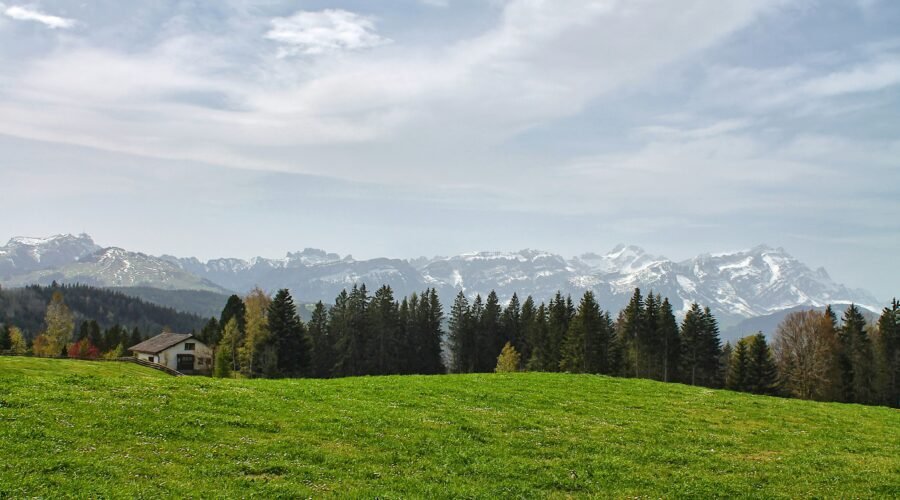
Appenzell Ausserrhoden can be rewarding in every season, but the best time to visit depends on what you want to do. For the broadest mix of comfortable hiking weather, green or colorful scenery, manageable visitor levels, and operating mountain services, late May through June and September through early October are especially practical choices.
Quick Answer
For most travelers, the best time to visit Appenzell Ausserrhoden is late May through June or September through early October. These periods usually offer a strong balance of hiking opportunities, pleasant conditions, attractive scenery, and less booking pressure than the busiest summer dates. Winter is better if snow activities are your priority.
Key Takeaways
- Best overall balance: Late May, June, September, and early October.
- Warmest period: July and August, although showers and thunderstorms can still occur.
- Best for hiking: Late spring through early autumn, with high routes always dependent on snow, weather, and trail conditions.
- Best for cattle-drive traditions: Look for alpine ascents from roughly mid-May through June and descents from mid-August through September.
- Best for winter activities: Midwinter offers the strongest chance of snow, but conditions vary considerably by altitude and from year to year.
Best Time to Visit Appenzell Ausserrhoden by Season
Appenzell Ausserrhoden has four distinct seasons, but conditions can change significantly with elevation. A mild day in a village does not guarantee the same weather on a mountain route. MeteoSwiss notes that temperatures generally decrease with altitude and that summer precipitation north of the Alps is often influenced by thunderstorms. For mountain days, always check the latest forecast rather than relying only on monthly averages.
Spring (April-June): Green Hills and a Gradual Return to Hiking
Spring is a transition season. Lower areas turn green early, while snow can remain on higher routes well after valley conditions begin to feel mild.
Weather in Spring
- April: Expect highly changeable conditions. Rain, cool spells, sunshine, and late snow at higher elevations can all occur.
- May: Conditions generally become more suitable for walking, cycling, sightseeing, and lower-elevation hikes. Higher mountain routes may still have snow.
- June: Longer and warmer days expand your outdoor options, although showers and thunderstorms remain possible.
Crowds in Spring
- April: Often feels quiet, partly because some seasonal mountain facilities have not yet started their main operating period.
- May: Visitor activity increases as hiking conditions improve and alpine traditions begin.
- June: Popular walking routes and viewpoints become livelier, especially on sunny weekends.
Costs in Spring
Do not assume a fixed spring discount. Accommodation rates depend on the property, weekend, event calendar, and how early you book. April can offer good value when demand is modest, while desirable June weekends may price closer to summer levels.
Spring Activities
Lower-elevation hiking, village walks, cycling, photography, and countryside drives become increasingly appealing as spring progresses. Alpine cattle ascents are an important local tradition: Appenzellerland Tourism says they generally take place from mid-May through June, depending on grass and local conditions.
Pro Tip: If hiking is your main reason for visiting in May or early June, check the current trail status shortly before setting out. Valley trails may be clear while higher mountain paths still have snow or wet sections.
Summer (July-August): Warm Weather and the Broadest Activity Choice
July and August usually provide the warmest weather and the widest choice of summer activities. They are good choices if your priority is maximizing outdoor time rather than avoiding busy dates.
Weather in Summer
MeteoSwiss identifies July and August as the period when Switzerland’s highest temperatures are generally recorded in lower-lying areas. Mountain weather can still change quickly, and thunderstorms are a normal summer consideration. Carry rain protection and an extra layer even when the morning forecast looks favorable.
Crowds in Summer
Expect greater competition for popular accommodation, restaurants, mountain transport, and well-known excursion routes during attractive summer weekends and holiday periods. Starting hikes early can make parking, transport, and busy viewpoints easier to manage.
Costs in Summer
Summer can bring stronger accommodation demand, but there is no reliable single rule that every hotel is most expensive in July or August. Compare live rates for your exact dates and book early if you need a particular property or room type.
Summer Activities
Hiking, cycling, mountain biking, paragliding, sightseeing, and outdoor family activities are widely available when weather and route conditions cooperate. Alpine cattle descents may begin from mid-August, but they should not be treated as a fixed July-August festival. Exact dates depend on individual farming families, weather, grass, and local arrangements.
Autumn (September-October): Excellent Hiking and Traditional Events
For many travelers, September is one of the strongest all-round months. Summer heat eases, hiking can remain excellent, countryside colors begin to change, and important agricultural traditions take place throughout the region.
Weather in Autumn
- September: Often supports comfortable hiking and sightseeing, but cool mornings and rapid mountain-weather changes are possible.
- October: Temperatures trend cooler, daylight shortens, and the chance of cold rain or early mountain snow increases as the month progresses.
Crowds in Autumn
September can remain lively on good-weather weekends and around major traditions. October often becomes quieter, particularly later in the month, but reduced visitor numbers can coincide with reduced seasonal services.
Costs in Autumn
September and October can provide good value compared with high-demand summer dates, but rates vary. Event weekends and exceptionally good-weather weekends can still produce strong demand.
Autumn Activities
Hiking, scenic walks, photography, village visits, and agricultural traditions are major reasons to travel in autumn. According to Appenzellerland Tourism, alpine cattle descents generally occur from mid-August through the end of September. Dates can be announced only shortly beforehand because weather, grass, helpers, and individual farm decisions affect the schedule.
Historical weather averages are only a planning guide. MeteoSwiss reports substantial long-term warming in Switzerland and increasingly variable snow conditions at lower elevations, so current forecasts matter more than old monthly rules.
Winter (November-March): Snow Activities and a Quieter Atmosphere
Winter changes the character of the region. Snowshoeing, winter hiking, cross-country skiing, sledding, and skiing are among the activities promoted in the wider Appenzellerland region, but snow reliability depends heavily on altitude and the weather pattern that year.
Weather in Winter
- November: A transition month. You may see rain, fog, frost, or early snow, while a dependable winter snowpack may not yet exist at lower elevations.
- December-February: These are the core winter months and generally offer the best chance of sustained snow conditions.
- March: Winter can continue in the mountains while lower areas increasingly show signs of spring.
Crowds in Winter
Visitor activity is usually concentrated around winter-sports areas, attractive snow weekends, and the Christmas/New Year period. Elsewhere, the region can feel considerably quieter than during summer.
Costs in Winter
Winter pricing is highly date-sensitive. Christmas, New Year, school-holiday periods, and strong-snow weekends can raise demand, while quieter periods may offer better availability.
Winter Activities
Depending on snow conditions, you can find winter hiking, snowshoe routes, cross-country skiing, sledding, skiing, and indoor cultural activities. Always check the current winter-sports report because routes and lifts may open or close according to snow, wind, and safety conditions.
Warning: Snowshoeing and winter hiking can enter avalanche terrain even when a summer trail looks harmless. Before entering unsecured snowy terrain, check the current SLF avalanche bulletin, current weather, route status, and your ability to manage the terrain.
Month-by-Month Appenzell Ausserrhoden Planner
| Month | Best For | Main Consideration |
| January | Winter scenery and snow activities | Short days; check snow and route reports. |
| February | Winter sports | Holiday periods can increase demand. |
| March | Late-winter trips | Conditions vary sharply between valleys and mountains. |
| April | Quiet sightseeing | Mud, rain, late snow, and seasonal closures are possible. |
| May | Green landscapes and cattle ascents | High trails may still have snow. |
| June | Hiking and long outdoor days | Be prepared for showers or thunderstorms. |
| July | Warm-weather activities | Popular routes and accommodation can be busy. |
| August | Summer hiking and early cattle descents | Book popular stays ahead. |
| September | Hiking, photography, cattle descents | Tradition dates can be confirmed at short notice. |
| October | Autumn scenery and quieter travel | Seasonal services start winding down. |
| November | Solitude and village-focused trips | Neither full hiking season nor reliable winter season. |
| December | Winter atmosphere | Snow varies by elevation; holiday dates can be busier. |
When to Avoid Appenzell Ausserrhoden
There is no universally bad month, but some periods work poorly for specific travel styles.
Mid-Summer (Mid-July to Mid-August)
If your highest priorities are solitude, spontaneous accommodation choices, and quiet hiking routes, the heart of summer may be less suitable. Warm weather and long days make outdoor activities attractive, which can create stronger demand at well-known locations.
If you do travel then, reserve important accommodation in advance, start popular hikes early, and consider lesser-known villages and lower-key routes instead of focusing only on headline attractions.
Between Seasons: Late October, November, and Early April
These transition periods can be rewarding for flexible travelers but frustrating for anyone planning a mountain-focused itinerary.
- Late October and November: Some mountain inns, cableways, and seasonal facilities reduce hours or close. Cold rain, fog, early snow, and short days may limit mountain plans.
- Early April: Melting snow can leave trails wet or muddy, while higher routes may remain snow-covered. Seasonal mountain services may not yet be fully operating.
If hiking is your main goal, build backup plans for these months. If you mainly want quiet villages, local food, cultural stops, and countryside scenery, the trade-off may still be worthwhile.
Special Considerations for Your Trip

Season alone should not determine your dates. Trail conditions, local traditions, operating calendars, altitude, and your preferred activities can be equally important.
Events and Festivals
Appenzellerland has a strong agricultural and cultural calendar, but some of its most memorable traditions do not operate like fixed-date festivals.
- Alpine cattle ascents: Generally from mid-May through June.
- Alpine cattle descents: Generally from mid-August through the end of September.
- Traditional markets and livestock events: Dates vary by village and year.
- Swiss wrestling and regional festivals: Often occur during the warmer months, but schedules change annually.
For cattle drives in particular, check Appenzellerland Tourism’s current cattle-drive information. Dates may be known only shortly beforehand.
Note for 2026 travelers: Appenzellerland Tourism currently lists the Säntis cable car as suspended from May 1 until late autumn 2026 for renovation, while hotel and restaurant facilities at Schwägalp remain open. Check the latest operating information before building a 2026 itinerary around the Säntis cable car.
Specific Activities
- Hiking and walking: Late May through early October usually provides the widest range of possibilities, but high trails depend on snow and weather.
- Photography: Late spring brings fresh green landscapes; autumn offers changing foliage; winter can provide snow-covered scenery.
- Winter sports: Midwinter provides the best chance for snow-based activities, although snow depth and open routes should always be checked.
- Cycling and mountain biking: Late spring through early autumn is generally the most practical window.
- Traditional cattle drives: Target mid-May through June for ascents or mid-August through September for descents.
Mountain Trail Conditions and Seasonal Facilities
A calendar cannot tell you whether a specific mountain trail, inn, or cableway will be available on your travel day. Conditions can change after snowfall, heavy rain, storms, maintenance, or seasonal closure.
Appenzellerland Tourism advises hikers to consider trail conditions and weather when planning. Mountain hiking trails can be steep, narrow, and exposed, and mountain weather can change suddenly even in summer and autumn. Check official hiking-safety guidance and current local conditions before leaving.
Pro Tip: Carry sturdy footwear, rain protection, a warm layer, sun protection, water, and a charged phone on mountain days. A sunny village forecast should never be treated as proof that a high trail will have the same conditions.
Public Holidays and School Vacations
Public holidays, school breaks, sunny summer weekends, and special events can increase demand for accommodation and popular attractions. Holiday calendars vary, so check the dates that apply to your trip rather than assuming every July or August day will be equally busy.
Making Your Decision

The right travel month depends more on your priorities than on one universal definition of “best.”
- For the classic green-hills experience, hiking, and a good overall balance: Choose late May, June, or September.
- For the warmest weather and widest summer activity choice: Choose July or August and accept greater booking pressure.
- For autumn scenery and fewer visitors than peak summer: Choose September or early October.
- For alpine cattle traditions: Consider mid-May through June for ascents or mid-August through September for descents, then verify current dates.
- For winter scenery and snow activities: Choose the core winter months, but check current snow and operating reports before booking around one specific activity.
- For maximum quiet and flexibility: November or early April can work, but expect unpredictable weather and fewer seasonal mountain services.
If you can choose freely and want the fewest compromises, June and September are the strongest starting points. They combine a broad range of outdoor options with attractive scenery while avoiding some of the disadvantages of both peak summer and the transitional seasons.
Related Seasonal Planning Guides
If you like comparing destinations by weather, visitor levels, and travel costs, you can also read our guide to optimal times to visit Ocean City, Maryland.
For another destination-by-season example, see our guide to the best time to visit Yozgat, Turkey.
Frequently Asked Questions
What is the best overall time to visit Appenzell Ausserrhoden?
Late May through June and September through early October are the best all-round periods for many travelers. They offer a useful balance of outdoor opportunities, attractive scenery, and generally less pressure than the busiest summer dates.
When is the warmest time to visit Appenzell Ausserrhoden?
July and August generally offer the warmest conditions. They are excellent for summer activities, but mountain thunderstorms and sudden weather changes remain possible.
When should I visit Appenzell Ausserrhoden to avoid crowds?
May, June, September, and early October are good places to start if you want outdoor-friendly conditions without focusing on peak-summer dates. Weekdays are usually easier than sunny weekends at popular excursion spots.
What is the cheapest time to visit Appenzell Ausserrhoden?
There is no guaranteed cheapest month because rates vary by property and date. Transitional periods such as April, late October, or November may offer lower demand, but the trade-off can be reduced mountain services and less predictable weather.
What months are best for hiking in Appenzell Ausserrhoden?
Late spring through early autumn offers the broadest hiking window. June and September are especially attractive, but high routes may retain snow in spring or receive early snow in autumn, so always check current trail conditions.
When can I see the traditional Appenzell cattle drives?
Alpine cattle ascents generally occur from mid-May through June. Descents usually take place from mid-August through the end of September. Exact dates can depend on grass, weather, helpers, and individual farms, so check official tourism information close to your visit.
What is winter like in Appenzell Ausserrhoden?
Winter can provide snow-covered scenery and activities such as winter hiking, snowshoeing, cross-country skiing, sledding, and skiing. Snow reliability varies by elevation and year, so check current snow, route, lift, and avalanche information before planning a snow-dependent trip.
Sources
- MeteoSwiss — The Climate of Switzerland — seasonal climate, temperatures, precipitation, altitude effects, and climate-change context.
- Appenzellerland Tourism — Alpine Cattle Drives — timing and traditions of alpine ascents and descents.
- Appenzellerland Tourism — Staying Safe While Hiking — trail classification, mountain-weather precautions, equipment, and hiking safety.
- Appenzellerland Tourism — Mountain Inns and Operations — seasonal mountain-facility schedules and current 2026 Säntis cable-car information.
- WSL Institute for Snow and Avalanche Research SLF — Avalanche Bulletin — official avalanche information for winter mountain travel.
- Canton Appenzell Ausserrhoden — Facts and Figures — official canton and municipality reference information.