

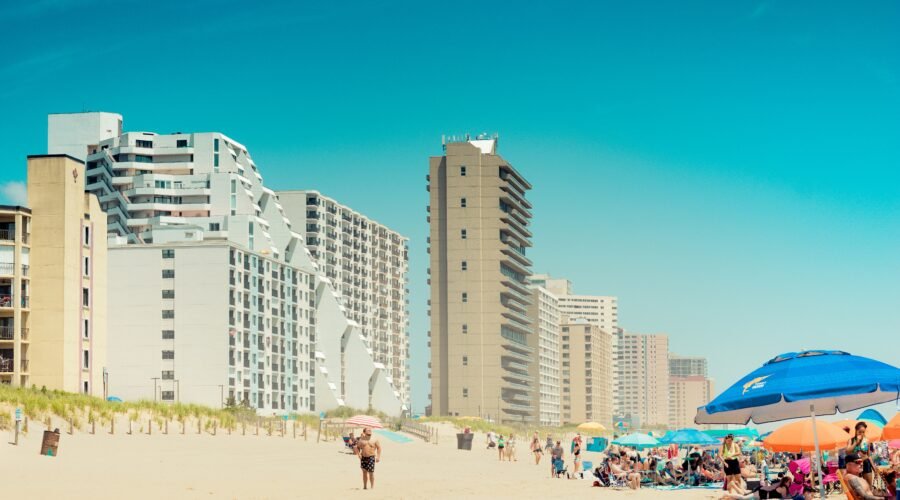
Thinking about a trip to Ocean City, Maryland, and wondering when to go? Your ideal dates depend on whether you want warm ocean water, lively summer attractions, smaller crowds, or lower accommodation costs. Late spring and early fall offer a useful balance, while July and August deliver the classic Ocean City summer experience.
Quick Answer
The best time to visit Ocean City, Maryland, is generally May to early June or September to early October for pleasant weather and fewer crowds. Choose July or August for warmer swimming conditions and the full summer atmosphere. Visit in winter for a quieter, often more affordable getaway, but expect limited seasonal attractions.
Key Takeaways
- Best overall balance: May, early June, and September offer pleasant conditions without the full midsummer rush.
- Best for swimming: July through early September generally offers the warmest ocean temperatures.
- Best for summer attractions: July and August provide the traditional beach-resort atmosphere.
- Best for quieter travel: Late fall, winter, and early spring have fewer visitors.
- Important exception: Holidays, car shows, concerts, and festivals can make shoulder-season weekends unexpectedly busy.
- Swimming safety: Plan ocean activities around lifeguard coverage, not just warm weather.
Best Time to Visit Ocean City, Maryland: Seasonal Comparison
The following overview helps you compare the main travel seasons before choosing your dates.
| Season | Typical conditions | Crowds and costs | Good for |
|---|---|---|---|
| March–April | Cool, changeable weather and cold water | Usually lighter crowds, except event weekends | Boardwalk walks and early spring getaways |
| May–Early June | Mild to warm days; ocean still warming | Often more manageable than midsummer | Sightseeing, dining, and beach relaxation |
| July–August | Warm to hot weather and warmer ocean water | Busy, with strong accommodation demand | Swimming, family vacations, and summer attractions |
| September–Early October | Warm September days followed by cooler autumn weather | Often quieter, except major festival weekends | Beach walks, early fall swimming, and events |
| Late October–November | Cooler, sometimes windy weather | Generally quiet outside event periods | Relaxed coastal trips |
| December–February | Cold weather and very cold ocean water | Low seasonal demand, with holiday exceptions | Peaceful walks and winter activities |
These are typical seasonal patterns rather than guarantees. Actual temperatures, hotel rates, and crowd levels depend on your exact dates.
1. The Sweet Spot: Late Spring and Early Fall
If you’re looking for comfortable weather, more room on the beach, and a less hectic vacation, the shoulder seasons deserve serious consideration.
Late spring and early fall offer different advantages. Spring brings longer days and a town preparing for summer. September offers warmer ocean water after months of summer heating.
Weather in Late Spring: May to Early June
May usually feels pleasant for walking, sightseeing, and spending time outdoors. June brings noticeably warmer conditions as the summer season approaches.
NOAA’s 1991–2020 climate normals provide a useful baseline for typical conditions. At the Ocean City Municipal Airport weather station, average daytime highs are approximately 70°F in May and 79°F in June.
- Comfortable temperatures: May is suitable for boardwalk walks, outdoor dining, and relaxing on the sand. Early June usually feels warmer.
- Ocean water: NOAA lists average water temperatures near 60°F in May and 68°F in June at Ocean City Inlet. Many visitors will find the water chilly, especially early in the season.
- Humidity: Late spring can feel more comfortable than midsummer, although humid or rainy days remain possible.
- Evenings: Pack a light jacket or sweatshirt for cooler nights and ocean breezes.
For a relaxed beach vacation without making swimming the main activity, late spring is a practical choice.
Crowds in Late Spring
The town gradually becomes busier as summer approaches. May weekdays can feel relatively calm, while weekends attract more visitors.
- Before the main summer rush: Beaches and the boardwalk are often less crowded than in July and August.
- Events: Spring festivals and car shows can create busy weekends well before summer begins.
- Memorial Day: Expect a noticeable increase in visitors around the holiday weekend.
- Parking: Finding a space may be easier on ordinary weekdays, but event areas can still fill quickly.
For a quieter visit, compare midweek accommodation rates and check the event calendar before booking.
Costs in Late Spring
May and early June may offer better accommodation value than the busiest summer weeks, although prices vary by property and date.
- Hotels and rentals: Compare weekday and weekend prices rather than assuming the entire season is discounted.
- Dining: You may encounter shorter waits, but lower restaurant prices are not guaranteed.
- Attractions: Some seasonal businesses operate reduced hours before the summer schedule begins.
- Travel expenses: Consider parking, fuel, transportation, and accommodation fees together when comparing dates.
Pro Tip: If your dates are flexible, compare a May weekday stay with a Memorial Day weekend stay. A small date change can make a noticeable difference in availability and the overall atmosphere.
Weather in Early Fall: September to Early October
September is appealing because the ocean has had the summer to warm up while air temperatures begin to ease.
- September temperatures: Average daytime highs are around the upper 70s°F, with cooler evenings becoming more common as the month progresses.
- October temperatures: Average highs fall toward the upper 60s°F, making layers useful for outdoor activities.
- Ocean water: NOAA lists an average of about 74°F for September at Ocean City Inlet, compared with approximately 66°F in October.
- Outdoor activities: Beach walks, mini-golf, cycling, and waterfront dining can remain enjoyable on mild days.
September can provide some of the most comfortable combinations of beach weather and ocean temperature.
However, warm air and warm water do not automatically mean swimming conditions are safe.
Crowds in Early Fall
The family vacation rush generally eases after Labor Day, but the town does not become uniformly quiet.
- Ordinary weekdays: Beaches, restaurants, and the boardwalk often feel less crowded than during summer.
- September weekends: Good weather can still attract substantial visitor traffic.
- Major festivals: Large concerts and events can bring heavy demand for hotels, parking, and transportation.
- October: Some weekends are busy even as regular beach-season activity declines.
For 2026, Oceans Calling is scheduled for September 25–27 and Country Calling for October 2–3, according to the town’s transportation schedule.
Those dates are important if you’re looking for a quiet fall getaway.
Costs in Early Fall
Accommodation rates may become more competitive after Labor Day, particularly during ordinary weekdays.
- Hotels: Compare several properties and cancellation terms.
- Vacation rentals: Check minimum-stay requirements, cleaning fees, and parking charges.
- Restaurants: Some businesses offer seasonal specials, while others reduce their operating hours.
- Attractions: Seasonal hours may become shorter as October approaches.
Major event weekends can reverse the usual shoulder-season pricing advantage.
Note: September is attractive for swimming, but lifeguard coverage becomes more limited after Labor Day. Confirm that a staffed lifeguard stand is operating before entering the ocean.
2. Peak Summer: July and August
If your vacation centers on swimming, amusement rides, beach activities, and a lively resort atmosphere, July and August offer the traditional Ocean City experience.
The trade-offs are larger crowds, busier roads, and stronger demand for accommodations.
Weather in July and August
July and August are typically the warmest part of the year.
- Air temperatures: Average daytime highs are around the low to mid-80s°F. Hotter days and uncomfortable heat indexes are possible.
- Ocean temperatures: NOAA lists averages of approximately 73°F in July and 75°F in August at Ocean City Inlet.
- Humidity: Humid conditions can make outdoor activities feel more tiring.
- Thunderstorms: Summer showers and thunderstorms can interrupt beach plans.
For many visitors, this is the most appealing period for swimming and water activities.
Remember that water temperature and wave conditions can change from one day to the next.
Crowds in July and August
Expect the strongest concentration of traditional summer vacation traffic.
- Boardwalk: Popular stretches can become busy during evenings and weekends.
- Beaches: Arriving earlier often gives you more choice when selecting a spot.
- Restaurants: Popular dining locations may have longer waits.
- Attractions: Ride lines and other seasonal attractions may be busiest during peak hours.
- Traffic: Coastal Highway and routes into town can become congested.
The lively atmosphere is part of Ocean City’s summer appeal, but it helps to plan transportation and meal times in advance.
Costs in July and August
Summer demand often pushes accommodation prices above shoulder-season levels.
- Hotels and rentals: Book earlier when you need specific dates, locations, room types, or family-sized accommodations.
- Attractions: Compare admission prices and available passes before purchasing.
- Parking: Include municipal parking charges in your daily budget.
- Dining: Compare menus and choose restaurants that fit your planned spending.
For popular summer weeks, begin comparing accommodation options several months ahead. Larger rentals and properties near the boardwalk may require even more planning.
3. Quiet and Economical: Late Fall and Winter
If you enjoy open beaches, ocean views, and a slower pace, Ocean City’s off-season has its own appeal.
Just remember that the experience is different from summer. Some attractions close, restaurants may shorten their hours, and ocean swimming is generally unsuitable.
Weather in Late Fall: Late October and November
Autumn becomes noticeably cooler as November approaches.
- October: Average daytime highs are around the upper 60s°F, although late-month conditions may be cooler.
- November: Average highs fall toward the upper 50s°F.
- Wind: Coastal breezes can make temperatures feel colder.
- Ocean: Water temperatures decline as autumn progresses.
Pack layers, comfortable walking shoes, and a wind-resistant jacket.
Crowds in Late Fall
After the main autumn event season, Ocean City generally becomes much quieter.
- Boardwalk: Expect more space for walking, jogging, and enjoying ocean views.
- Beaches: Open stretches of sand are easier to find.
- Restaurants: Year-round businesses remain available, while seasonal locations may close.
- Atmosphere: The town takes on a more relaxed local character.
Festival weekends can still draw substantial crowds, so check the event calendar before choosing dates.
Costs in Late Fall
Lower seasonal demand can create opportunities for accommodation savings.
- Hotels: Compare fall packages and weekday stays.
- Rentals: Check cleaning fees and minimum-stay rules before judging the total price.
- Dining: Confirm restaurant opening hours before planning a meal.
- Activities: Some summer attractions will no longer be operating.
The savings are most useful when the activities you want are still available.
Weather in Winter: December to February
Winter brings cold air, chilly winds, and a very different view of the Atlantic.
- Daytime temperatures: Average highs are generally in the mid-40s to upper 40s°F.
- Nights: Temperatures may fall below freezing.
- Snow: Snow is possible, but conditions vary from year to year.
- Ocean: The water is far too cold for ordinary recreational swimming.
Winter can be appealing for photography, quiet walks, and watching the ocean from a warm indoor setting.
Crowds in Winter
Ocean City is usually much quieter in winter than in summer.
- Boardwalk: Enjoy peaceful walks without the usual summer foot traffic.
- Beach: Large stretches of sand may have very few visitors.
- Local businesses: Year-round restaurants and shops continue operating.
- Holiday events: Some weekends become busier around seasonal celebrations.
The town is not completely closed for winter. Indoor attractions, dining, arts activities, and holiday events can still provide things to do.
Costs in Winter
Winter is often a useful period for travelers seeking accommodation deals.
- Hotels: Look for winter packages and weekday offers.
- Rental properties: Compare the full price rather than the nightly rate alone.
- Restaurants: Some offer seasonal promotions, while others operate fewer days.
- Activities: Plan around the smaller selection of open attractions.
Holiday weekends and special events may cost more than ordinary winter weekdays.
4. Late Winter and Early Spring: March and April
March and April are transitional months. Ocean City gradually prepares for the busy season, but the weather can still feel like winter.
Weather in March and April
Conditions can change quickly, especially near the ocean.
- March: Average daytime highs are around the low 50s°F.
- April: Average highs rise into the low 60s°F.
- Ocean: Water temperatures remain cold and are not suitable for most recreational swimmers.
- Outdoor plans: Sunny days can be pleasant, but windy and rainy weather is possible.
Bring layers and keep an indoor activity in mind in case the weather changes.
Crowds in March and April
Visitor numbers generally begin increasing as spring progresses.
- Early March: Often quiet outside special events.
- Spring breaks: Some weekends may attract more families and visitors.
- April: More businesses begin preparing for the summer season.
- Major events: Spring festivals can create crowded weekends and increased traffic.
For 2026, Ocean City’s Springfest took place April 23–26, while Cruisin’ Ocean City ran April 30–May 3.
Costs in March and April
Early spring can offer a useful balance between accommodation availability and travel costs.
- Hotels: Compare weekday prices before the summer season.
- Rentals: Confirm that the property’s advertised amenities are available during your dates.
- Restaurants: Some seasonal establishments reopen gradually.
- Events: Popular spring weekends may carry higher accommodation prices.
For visitors who enjoy sightseeing more than swimming, this can be an attractive time to explore Ocean City.
5. Considering Specific Preferences and Events
Beyond the general seasonal breakdown, your ideal dates may depend on a particular activity or event.
If You Love Events and Festivals
Ocean City hosts events throughout the year. These can add excitement to a trip, but they can also affect hotel availability, parking, and traffic.
The following dates reflect the confirmed 2026 schedule and should not be assumed to apply to future years.
- Springfest: April 23–26, 2026. The annual spring celebration features arts, crafts, food, and live entertainment.
- Cruisin’ Ocean City: April 30–May 3, 2026. A major car event that attracts visitors and vehicles from outside the area.
- OC Air Show: June 13–14, 2026. Aerial performances bring significant spectator traffic to the beach and surrounding streets.
- July 4 celebrations: Independence Day is a popular summer holiday. Confirm the year’s official fireworks and event schedule before traveling.
- White Marlin Open: August 3–8, 2026. The tournament brings anglers and spectators to Ocean City.
- Oceans Calling: September 25–27, 2026. A major music festival that affects downtown travel and accommodation demand.
- Country Calling: October 2–3, 2026. Another major festival weekend.
- Sunfest: October 22–25, 2026. A fall celebration featuring arts, crafts, food, and entertainment.
- Winterfest of Lights: November 19, 2026, through January 2, 2027, at Northside Park.
For current details, consult the town’s official special-events information.
Pro Tip: If your goal is a quiet September getaway, check both the hotel calendar and the festival schedule. A normally relaxed fall week can become much busier during a major event.
If You’re a Surfer
Ocean City can offer surfing opportunities throughout the year, although conditions and water temperatures change by season.
- Fall: September and October can bring useful swells, but changing weather and tropical systems also require caution.
- Spring: Surfing is possible, although colder water may require suitable thermal protection.
- Summer: Surfing is restricted to designated areas during guarded beach hours.
- Winter: Cold water, wind, and changing surf conditions require appropriate experience and equipment.
Check the day’s designated surfing beaches and follow Ocean City Beach Patrol instructions.
If You Enjoy Fishing
Fishing opportunities change throughout the year, depending on species, water temperature, regulations, and weather.
- Spring: Inshore and coastal fishing opportunities begin changing as water temperatures rise.
- Summer: Offshore trips may target tuna, marlin, mahi-mahi, and other seasonal species.
- Fall: Coastal and inshore fishing can remain productive as seasonal fish movements change.
- Winter: Fishing opportunities are more limited by weather, species availability, and operating schedules.
Always review the current Maryland fishing license requirements and applicable seasonal regulations before your trip.
Surf fishing on Ocean City public beaches is also subject to seasonal restrictions and rules intended to protect swimmers and other beach users.
For Families With Young Children
Families often benefit from choosing travel dates based on both water temperature and the availability of supervised swimming.
- Late spring: Pleasant weather and more manageable crowds can make beach visits easier, but the water is often cold.
- July and August: Warmer ocean conditions and summer attractions are appealing, although beaches and restaurants can be busy.
- Early September: Warm water and smaller ordinary weekday crowds can be attractive when school schedules allow.
- Late fall and winter: Better suited to walks and indoor activities than swimming.
Choose a beach area near an operating lifeguard stand, bring sun protection, and supervise children closely around the water.
6. Practical Tips for Planning Your Ocean City Trip
Book According to Your Travel Dates
Summer weekends, holidays, and large events can affect accommodation availability well in advance.
Compare the full cost of your stay, including parking, taxes, cleaning fees, and cancellation conditions.
For a September or October trip, flexible booking terms can be particularly useful because weather conditions may change.
Plan Parking and Transportation
Ocean City operates municipal parking areas and a Beach Bus service along Coastal Highway.
According to the town’s posted 2026 parking schedule, the Inlet Lot rate is $4.50 per hour during the main summer parking period, May 22 through September 30. Certain major events carry an additional parking surcharge.
The town also lists a $4 ride-all-day standard Beach Bus fare. Schedules and service frequency vary by season.
Check the official parking information and Beach Bus schedule before traveling.
Using public transportation can reduce the time spent searching for parking near popular attractions.
Check Lifeguard Coverage Before Swimming
Ocean City Beach Patrol generally guards the beaches from the Saturday of Memorial Day weekend through the third Sunday after Labor Day.
Normal guarded hours are 10 a.m. to 5:30 p.m.
Coverage becomes more limited after Labor Day, and visitors should swim in front of staffed stands.
Warning: Never assume the ocean is safe because the weather is warm or the waves look small. Swim only when lifeguards are on duty, follow posted warnings, and do not enter the water during dangerous surf conditions. If someone is in trouble, call 911 rather than attempting an untrained rescue.
Read the official Ocean City Beach Patrol guidance before planning ocean activities.
Consider Hurricane Season and Coastal Storms
The Atlantic hurricane season runs from June 1 through November 30.
This does not mean Ocean City experiences a hurricane every year. However, tropical systems and other coastal storms can affect surf, weather, travel conditions, and beach access.
September visitors should pay particular attention to forecasts because the broader Atlantic hurricane season typically reaches its peak around that time.
Monitor the National Hurricane Center and local weather alerts before traveling.
Confirm Seasonal Business Hours
Ocean City’s businesses do not all follow the same opening schedule.
Some restaurants, shops, and indoor attractions operate throughout the year. Others close or reduce their hours outside the summer season.
Before booking an off-season getaway:
- Check the opening hours of the restaurants you want to visit.
- Confirm that planned attractions will be operating.
- Review the weather forecast before choosing outdoor activities.
- Check transportation schedules for your exact dates.
- Leave room in your plans for unexpected closures or poor weather.
Ultimately, Ocean City offers different experiences throughout the year. May and September provide a useful balance of weather and crowds, July and August deliver the full summer atmosphere, and the quieter months offer a different way to enjoy the coast. Choose your dates around the activities that matter most to you.
Frequently Asked Questions
1. What is the best time to visit Ocean City, Maryland, for ideal weather?
June through September generally offers the warmest beach weather. July and August are usually the warmest months, while September can offer comfortable daytime temperatures and ocean water that remains warm after summer. May and early June are also appealing for visitors who prefer milder conditions.
2. When is the peak tourist season in Ocean City, Maryland?
The main summer vacation season runs from Memorial Day weekend through Labor Day, with July and August especially busy. Holidays, concerts, car shows, and other major events can create additional crowd peaks outside those months.
3. What is the off-peak season in Ocean City, Maryland?
The quietest travel period generally falls between late fall and early spring. May and September are often considered shoulder-season months, although holidays and major events can still attract substantial crowds.
4. When should I visit Ocean City to avoid crowds?
Try ordinary weekdays in May, September, or October. Late fall and winter are usually quieter still. Check the event calendar because major festivals can make some off-season weekends unexpectedly busy.
5. When is the most affordable time to visit Ocean City?
Late fall, winter, and early spring often provide opportunities for lower accommodation rates. Prices still vary by property, holiday, and event. Compare the total booking cost and remember that fewer seasonal attractions may be operating.
6. Is September a good time to visit Ocean City, Maryland?
Yes. September often combines warm ocean water, pleasant daytime temperatures, and fewer ordinary weekday visitors than midsummer. However, major events can make certain weekends busy, and lifeguard coverage becomes more limited after Labor Day.
7. Is the ocean warm enough for swimming in May?
The ocean is usually cold in May. NOAA lists an average water temperature near 60°F at Ocean City Inlet. July through early September generally provides more comfortable water temperatures for recreational swimming. Always check lifeguard availability and surf conditions.
8. Are Ocean City lifeguards on duty after Labor Day?
Yes, lifeguard service generally continues through the third Sunday after Labor Day, but coverage becomes more limited. Normal guarded hours are 10 a.m. to 5:30 p.m. Swim only in front of an operating lifeguard stand and follow Beach Patrol instructions.
9. Is Ocean City worth visiting in winter?
Winter can be enjoyable for visitors who prefer quiet beaches, boardwalk walks, indoor activities, and seasonal events. Some hotels and restaurants remain open, but swimming is unsuitable and many summer attractions operate limited schedules or close.
Sources
- NOAA National Centers for Environmental Information — U.S. Climate Normals — historical air-temperature patterns and seasonal climate averages.
- NOAA Coastal Water Temperature Guide — monthly Ocean City Inlet water-temperature averages.
- Town of Ocean City — Beach Patrol — lifeguard schedules and swimming safety.
- Town of Ocean City — Sunfest — confirmed 2026 fall festival dates.
- Town of Ocean City — Parking Information — parking periods, rates, and event surcharges.
- NOAA National Hurricane Center — Tropical Cyclone Climatology — Atlantic hurricane-season timing and seasonal storm patterns.



[…] If you like comparing destinations by weather, visitor levels, and travel costs, you can also read our guide to optimal times to visit Ocean City, Maryland. […]
[…] For a broader comparison of how weather, crowds, and costs can affect a coastal trip, you can also see Optimal Times to Visit Ocean City, MD: Weather, Crowds, and Costs. […]