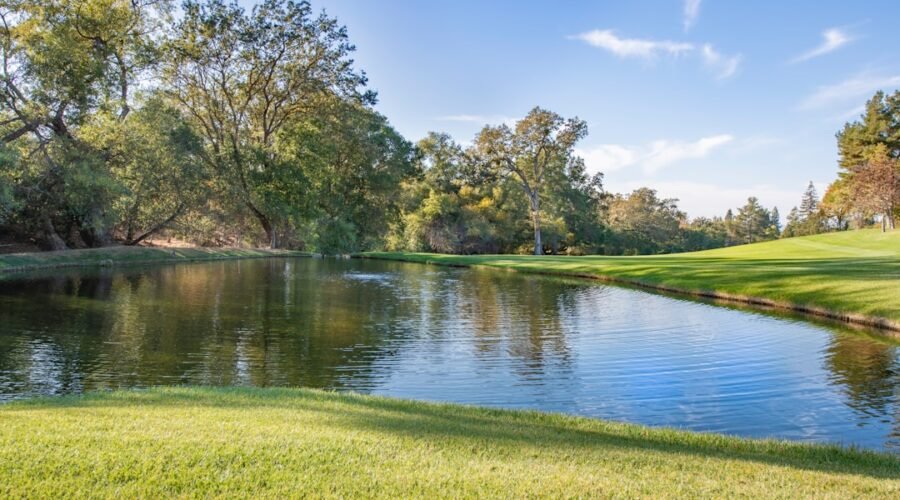
Thinking about a trip to Kırıkkale? Great! The best time to visit this central Anatolian city really depends on what you’re looking for. Generally speaking, if you prefer mild weather and fewer crowds, late spring (May-June) and early autumn (September-October) are your sweet spots. These months offer comfortable temperatures for exploring without the intense summer heat or the chill of winter, and you’ll often find more reasonable prices for accommodation and activities.
Kırıkkale: An Overview
Kırıkkale, often overlooked by international tourists, holds a unique place in Turkey. It’s an industrial hub, certainly, but it’s also surrounded by agricultural lands and offers glimpses into authentic Turkish life outside the major tourist circuits. While it might not have ancient ruins or beachfront resorts, it provides a fascinating insight into modern Turkey’s development and a chance to experience genuine hospitality. Many people pass through Kırıkkale on their way to other destinations, but taking the time to explore can be a rewarding experience for those interested in cultural immersion rather than typical sightseeing.
Kırıkkale experiences a continental climate, which means distinct seasons. You’ll find hot, dry summers and cold, often snowy, winters, with relatively short spring and autumn periods. This significant temperature variation throughout the year is a primary factor in determining the best time for your visit.
Summer (June, July, August)
What to Expect: Heat and Activity
Summers in Kırıkkale are generally hot and dry. Daytime temperatures in July and August can easily reach into the 30s Celsius (80s-90s Fahrenheit), sometimes even higher. The sun is intense, and rainfall is minimal. While the evenings do offer some relief, it can still be quite warm, making extensive daytime outdoor activities challenging, particularly during peak hours.
Crowds and Prices in Summer
Despite the heat, some local Turkish tourists might travel internally during the summer, especially to visit family or agricultural areas. However, compared to coastal resort towns, Kırıkkale won’t feel overwhelmingly crowded. Accommodation prices might see a slight increase due to domestic travel, but generally remain moderate. You might find some local festivals or outdoor events happening, which can add to the vibrancy, but these are usually community-focused rather than major tourist draws.
Best For:
- Those who don’t mind heat and are perhaps visiting family or for business.
- Experiencing local summer life and seasonal produce.
- Evening strolls and enjoying outdoor cafes once the sun sets.
Autumn (September, October, November)
What to Expect: Pleasant Temperatures and Changing Scenery
Autumn is arguably one of the most pleasant seasons in Kırıkkale. September and October bring comfortable, mild temperatures, usually ranging from the high teens to mid-20s Celsius (60s-70s Fahrenheit). The air is crisp, and the surrounding agricultural landscapes start to transform with autumn colors, though perhaps not as dramatic as forested regions. Rainfall begins to increase towards late October and November, but these are often gentle showers rather than prolonged downpours.
Crowds and Prices in Autumn
Crowds are generally low during autumn. The domestic summer rush has subsided, and international tourists are less inclined to visit Kırıkkale specifically. This means you’ll usually find better deals on hotels and potentially flights if you’re connecting via Ankara. You’ll also encounter a more authentic local experience without feeling overwhelmed by other visitors.
Best For:
- Exploring the city and surrounding areas on foot comfortably.
- Enjoying outdoor markets and local agricultural produce.
- Experiencing Kırıkkale at a relaxed pace with fewer tourists.
- Photography, especially of the changing natural landscape.
Winter (December, January, February)
What to Expect: Cold and Snow
Kırıkkale winters are cold and can be quite snowy. Temperatures frequently drop below freezing, and snowfall is common, sometimes heavy. January is typically the coldest month. While beautiful, the constant cold and potential for travel disruptions due to snow make it a less ideal time for general tourism, especially if you’re planning on being outdoors much.
Crowds and Prices in Winter
Winter sees the fewest tourists. Accommodation prices are usually at their lowest during this period, as demand significantly decreases. If you’re looking for budget travel and don’t mind the cold, you’ll certainly save money. However, some smaller local attractions or outdoor activities might have reduced hours or be closed.
Best For:
- Budget travelers who are resilient to cold weather.
- Experiencing a traditional Turkish winter, potentially including warm drinks and hearty local cuisine indoors.
- Visiting family or for business that requires travel during this specific period.
- Those seeking solitude and a very quiet atmosphere.
Spring (March, April, May)
What to Expect: Warming Weather and Blooming Nature
Spring is another excellent time to visit Kırıkkale. March can still be quite cool and rainy, with lingering winter chill, but by April and especially May, temperatures become much more agreeable, similar to early autumn. Daytime highs typically range from 15-25 Celsius (50s-70s Fahrenheit). The landscape awakens, and the surrounding fields become green and vibrant. While rainfall is more frequent than in summer, it’s generally manageable and contributes to the fresh atmosphere.
Crowds and Prices in Spring
Much like autumn, spring offers low crowd levels and reasonable prices. May might see a slight uptick as the weather becomes consistently pleasant, potentially overlapping with some local holidays or events. However, it’s generally a peaceful time to explore. You’ll find good availability for hotels and other services.
Best For:
- Enjoying the fresh air and blooming nature.
- Comfortable walking and exploring the city’s sights.
- Experiencing local life before the summer heat sets in.
- Travelers who appreciate mild weather and fewer crowds.
Factors to Consider for Your Trip
Beyond just the seasons, a few other things can influence your decision on when to visit Kırıkkale. Thinking about these practicalities can help you fine-tune your travel plans.
Special Events and Festivals
Kırıkkale isn’t known for major international festivals, but like many Turkish cities, it does host local events that can offer a unique cultural experience.
Agricultural Fairs and Livestock Shows
Given Kırıkkale’s agricultural surroundings, you might encounter local agricultural fairs, especially in late spring or early autumn, corresponding with harvest or planting cycles. These are very much local affairs and can be fascinating for those interested in Turkish rural life and economy. They’re not widely advertised to tourists, but keeping an eye on local news sources or asking around once you arrive might yield some interesting opportunities.
National and Religious Holidays
Turkey observes several national and religious holidays. During these times, public services might operate on reduced hours, some businesses may close, and transport can be busier as people travel to visit family. Roads, especially, might see increased traffic. Examples include Republic Day (October 29th), Children’s Day (April 23rd), and various Islamic holidays like Eid al-Fitr and Eid al-Adha, which shift dates annually based on the lunar calendar. If your visit coincides with one of these, be prepared for some adjustments to your schedule.
Cost Considerations
Budget is often a major factor in travel. Kırıkkale, being off the main tourist trail, is generally more affordable than major Turkish cities or coastal resorts.
Accommodation Pricing
As highlighted, winter offers the lowest accommodation prices, with autumn and spring being very reasonable. Summer might see a slight increase but remains moderate. Online booking platforms can give you a good sense of current rates, but local pansions (guesthouses) or smaller hotels not listed online might offer even better value if you’re willing to inquire locally.
Transportation Costs
Kırıkkale is well-connected by bus to Ankara and other Turkish cities. Bus travel is generally very affordable. If you’re flying into Turkey, Ankara Esenboğa Airport (ESB) is the closest major international airport, about an hour and a half drive away. You can then take a shuttle or bus to Kırıkkale. Car rental is also an option if you plan to explore the region extensively. Fuel costs and car rental rates are consistent throughout the year, but demand might slightly influence rental prices during peak travel periods (like national holidays).
Food and Activities
Food in Kırıkkale is very reasonably priced. You’ll find plenty of local eateries serving delicious, authentic Turkish cuisine at a fraction of the cost you’d pay in Istanbul or tourist hotspots. Activities within Kırıkkale itself are generally inexpensive or free, focusing more on walking, observing local life, and visiting a few local museums or parks. If you plan day trips, factor in transportation costs.
What to Pack
Your packing list will, of course, heavily depend on the season you choose for your visit.
Spring & Autumn
Layers are key. Think light jackets, sweaters, long-sleeved shirts, and comfortable walking shoes. An umbrella or light rain jacket is also a good idea, as occasional showers are possible.
Summer
Light, breathable clothing is essential. Cotton or linen fabrics are ideal. Don’t forget a wide-brimmed hat, sunglasses, and high-SPF sunscreen. Evenings might require a light long-sleeved shirt to protect against mosquitoes or if there’s a slight drop in temperature.
Winter
Warmest clothing is a must. A heavy winter coat, gloves, a hat, a scarf, and waterproof boots are indispensable. Layers underneath your coat will help you adjust to indoor heating and outdoor cold.
Getting to Kırıkkale
Kırıkkale’s accessibility is quite straightforward, primarily thanks to its relatively close proximity to Ankara, the capital.
By Air
The closest major airport is Ankara Esenboğa Airport (ESB). From ESB, you have a few options to reach Kırıkkale:
- Bus/Shuttle: There are Havaş airport shuttles that connect directly to Ankara’s central bus terminal (AŞTİ). From AŞTİ, you can easily find intercity buses heading to Kırıkkale, which is a short journey (around 1 hour).
- Taxi/Private Transfer: This is the most convenient but also the most expensive option. You can arrange a private transfer directly from the airport to Kırıkkale.
By Bus
Turkey has an excellent and extensive intercity bus network. You can reach Kırıkkale by bus from almost any major city in Turkey.
- From Ankara: Frequent buses depart from Ankara’s AŞTİ bus terminal to Kırıkkale throughout the day. The journey is short, usually taking about an hour.
- From Other Cities: If you’re coming from further afield, such as Istanbul or Izmir, you can take a direct bus to Kırıkkale, or often transfer via Ankara. Bus tickets are generally affordable and comfortable.
By Car
Renting a car offers the most flexibility, especially if you plan to explore the surrounding regions. Kırıkkale is on the D200 highway, a major east-west route. The roads are generally in good condition. Be aware of local driving customs and speed limits. Parking in the city center can sometimes be a challenge but is usually manageable.
Final Thoughts for Your Kırıkkale Trip
Kırıkkale might not be on every tourist’s radar, but that’s precisely what makes it an intriguing destination for those looking to veer off the well-trodden path. It offers a chance to see a different facet of Turkey – one that’s industrial, agricultural, and deeply rooted in local life.
If you’re seeking pleasant weather for exploration and don’t want to break the bank, late spring (May-June) and early autumn (September-October) are your best bets. You’ll enjoy comfortable temperatures, fewer crowds, and generally good value for your money. Summer can be hot but less crowded than coastal areas, while winter is best reserved for the budget-conscious and those who truly don’t mind the cold.
Embrace the opportunity to connect with friendly locals, savor authentic regional cuisine, and gain a fresh perspective on this often-overlooked Anatolian city. Kırıkkale may surprise you with its understated charm and genuine Turkish atmosphere. Happy travels!
FAQs
1. What is the best time to visit Kırıkkale, Turkey?
The best time to visit Kırıkkale is during the spring (April to June) and the fall (September to November) when the weather is mild and pleasant.
2. What is the weather like in Kırıkkale throughout the year?
Kırıkkale experiences hot summers with temperatures reaching up to 30°C (86°F) and cold winters with temperatures dropping to around 0°C (32°F). Spring and fall offer milder temperatures.
3. When is the peak tourist season in Kırıkkale?
The peak tourist season in Kırıkkale is during the summer months (July and August) when the weather is hot and dry. This is also when the city experiences the highest number of visitors.
4. What are the crowds like in Kırıkkale during the peak tourist season?
During the peak tourist season in the summer, Kırıkkale can be quite crowded, especially at popular tourist attractions and accommodations. It is advisable to book accommodations and tours in advance.
5. How does the cost of visiting Kırıkkale vary throughout the year?
The cost of visiting Kırıkkale is generally higher during the peak tourist season in the summer due to increased demand for accommodations and activities. Visiting during the shoulder seasons of spring and fall may offer more affordable options.