

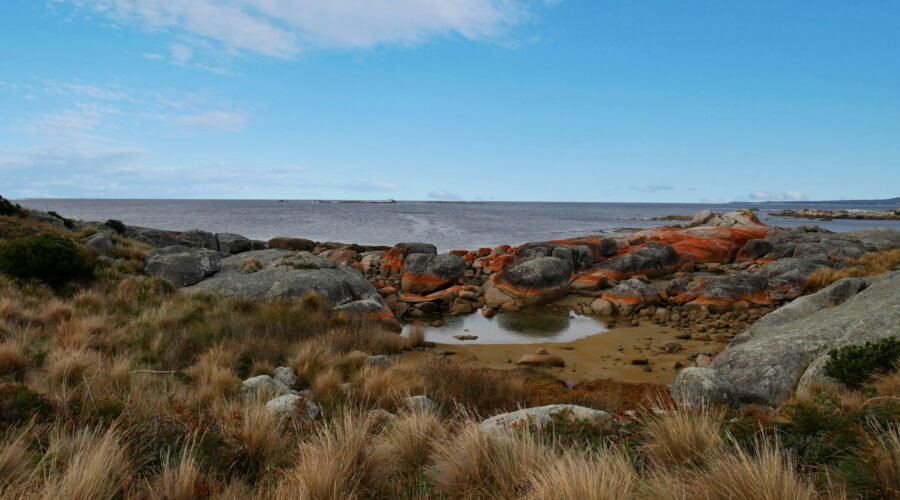
Planning a trip to the Bay of Fires in Tasmania? For most travelers, the strongest window is from late spring through early autumn, especially November to March. Those months give you milder temperatures and longer days for beaches, walks, photography, and camping. Your ideal month still depends on whether you care most about swimming, quieter beaches, lower seasonal demand, or wildlife.
Quick Answer
For most travelers, the best time to visit the Bay of Fires is November through March, with March offering an especially good balance of mild weather and lighter demand than the Christmas–January peak. Choose December–February for beach time, spring or autumn for quieter walks, and winter for solitude and dramatic coastal scenery.
Key Takeaways
- Best overall window: November to March for warmer conditions and long days.
- Best for swimming and beach days: December to February, although Tasmanian seawater can still feel cool.
- Best balance of weather and quieter conditions: March, April, October, and November.
- Best for solitude: June to August, with cooler temperatures and shorter days.
- Important: Check swimming conditions, fire restrictions, campground rules, and weather forecasts before you travel.
Understanding the Bay of Fires Climate
The Bay of Fires sits on Tasmania’s north-east coast and has a mild maritime climate. Weather can change quickly, so even a warm-season visit should include layers and a waterproof outer shell.
The Bureau of Meteorology’s St Helens Aerodrome climate statistics provide a useful nearby benchmark. Mean maximum temperatures range from about 22.9°C in January to 13.6°C in July. Rain occurs throughout the year, so there is no completely rain-free season.
| Season | Typical Nearby Mean Maximums | Best For | Main Trade-Off |
|---|---|---|---|
| Summer Dec–Feb |
About 21.3–22.9°C | Beach days, swimming, camping, long daylight | Highest seasonal demand |
| Autumn Mar–May |
About 16.2–21.1°C | Walking, photography, quieter trips | Cooler evenings as the season progresses |
| Winter Jun–Aug |
About 13.6–14.4°C | Solitude, moody photography, coastal walks | More rainy days and shorter daylight |
| Spring Sep–Nov |
About 16.1–19.5°C | Walking, wildlife, longer days, lower demand than peak summer | Changeable and sometimes windy weather |
General Weather Patterns
Tasmania is not known for consistently hot beach weather. At nearby St Helens, January has a mean maximum of about 22.9°C, February about 22.1°C, and December about 21.3°C. Occasional hotter days occur, but you should not plan a Bay of Fires trip on the assumption that every summer day will be hot.
Winter is cool rather than severely cold at sea level. Mean maximum temperatures near St Helens are about 14.1°C in June, 13.6°C in July, and 14.4°C in August. Mean minimums during those months sit near 5°C, so mornings and evenings can feel much colder than daytime conditions.
Rain is possible in every month. Winter tends to have more days with measurable rain, but it is misleading to describe winter as automatically having the highest rainfall totals. BOM averages show that some spring months can receive as much or more total rain than individual winter months.
Wind and Sunshine
The exposed coastline can be breezy at any time of year. Wind can make a mild day feel colder, particularly on open beaches and rocky headlands. Summer gives you the longest daylight for exploring, while winter requires more careful planning because usable daylight is much shorter.
Note: The Bay of Fires is a long coastal region rather than one beach. Binalong Bay marks the southern end, while larapuna/Eddystone Point lies at the northern end within Mount William National Park. Rules and facilities can differ between the conservation area and national park.
Optimal Seasons: Balancing Weather, Crowds, and Cost
There is no single perfect month for everyone. Summer gives you the warmest conditions, while autumn and spring are often more comfortable if you value quieter surroundings. Winter is best suited to travelers who prioritize solitude over swimming.
Summer: December to February
Summer is the Bay of Fires’ main warm-weather season and the easiest choice if beach time is your priority.
Weather in Summer
At St Helens, the mean maximum is about 21.3°C in December, 22.9°C in January, and 22.1°C in February. These are mild-to-warm averages rather than guaranteed daily temperatures, and cooler changes, showers, and windy periods remain possible.
Summer also provides the longest days of the year, making it easier to combine Binalong Bay, The Gardens, beach walks, swimming, and photography without rushing.
The sea is still cool by many visitors’ standards, but summer is generally the most comfortable season for swimming and snorkeling.
Summer Crowds
December through February attracts strong holiday demand, particularly around Christmas, New Year, school-holiday periods, long weekends, Binalong Bay, and popular campgrounds. The coastline is extensive enough to find quieter places, but the easiest-access beaches and parking areas can feel much busier than they do during the shoulder seasons.
Accommodation with desirable views or locations is worth reserving well ahead if your dates are fixed.
Pro Tip: If you want summer-like conditions with less holiday pressure, consider late February or March rather than the Christmas and January peak. You still need flexible clothing because Tasmanian coastal weather can change quickly.
Summer Costs
High-demand summer dates often bring stronger accommodation and car-hire prices, but there is no fixed seasonal percentage that applies to every property or rental company. Compare live rates for your exact dates rather than assuming summer will always cost a specific amount more.
Flexible travelers can sometimes save money by avoiding Christmas, New Year, school-holiday weeks, and major long weekends.
Autumn: March to May
Autumn is one of the strongest alternatives to the summer peak, especially if you care more about walking and scenery than spending hours in the water.
Weather in Autumn
March remains relatively mild, with a nearby mean maximum of about 21.1°C. That falls to roughly 18.6°C in April and 16.2°C in May. Nights become progressively cooler, so a warm layer becomes more important later in the season.
March can still deliver excellent beach and picnic weather. April and May are better treated as walking, sightseeing, and photography months, although fine calm days can still feel very pleasant.
Autumn Crowds
Visitor pressure generally eases after the main summer-holiday period. March can remain lively, particularly around weekends and Easter-period travel, but autumn normally offers a more relaxed experience than the peak weeks of summer.
Autumn Costs
Because demand is often lower outside major holiday dates, you may find more accommodation choice and better-value rates. Prices still vary substantially by property, weekend, event, and booking lead time.
Spring: September to November
Spring combines increasing daylight with gradually warmer weather and can be an excellent choice for travelers who want to visit before the summer rush.
Weather in Spring
Nearby mean maximum temperatures rise from about 16.1°C in September to 17.6°C in October and 19.5°C in November. Early spring can still feel cool, especially in wind, while November can deliver conditions that feel much closer to summer.
Spring weather is variable, so pack clothing you can add or remove throughout the day. A light waterproof jacket remains useful even when the forecast looks favorable.
Spring Crowds
September and October tend to feel quieter than peak summer dates. Visitor numbers normally build as November progresses, especially on warm weekends, but the overall atmosphere can still be more relaxed than during the Christmas–January holiday period.
Spring Costs
Spring can provide better availability than peak summer. As always, the real cost depends on your exact dates, accommodation type, and how early you book.
The Quieter Times: Winter’s Unique Character
Winter changes the Bay of Fires experience considerably. It is not the best choice for a traditional beach holiday, but it can be rewarding if you want empty-looking beaches, quiet walks, wildlife opportunities, and dramatic coastal light.
Winter: June to August
Weather in Winter
Mean maximum temperatures near St Helens are about 14.1°C in June, 13.6°C in July, and 14.4°C in August. Mean overnight minimums are close to 5°C.
Winter also records more frequent rainy days than summer. That does not mean it rains continuously, and rainfall totals are not automatically higher than every other season. Fine, crisp days are entirely possible, but you should have a wet-weather alternative.
Strong winds can make exposed beaches feel significantly colder, and the short winter daylight means you should avoid packing too many distant stops into one day.
Winter Crowds
Winter is the strongest season for travelers seeking peace and space. Beaches, lookouts, and camping areas generally feel much less pressured than during summer holiday periods.
Winter Costs
Lower demand can translate into attractive accommodation rates, but not every property follows the same pricing pattern. Some tourism businesses may also operate reduced hours outside the busier travel season, so verify anything you consider essential before your trip.
What to Pack for Winter
Bring warm layers, a waterproof and wind-resistant jacket, sturdy walking footwear, warm socks, and a beanie. Gloves can be useful on windy mornings or evenings. If you plan a longer outdoor day, carry drinking water, food, and an extra dry layer rather than depending on services being available beside the beaches.
Activities and the Best Times to Do Them
Your planned activities matter as much as the calendar. A photographer, camper, swimmer, and whale watcher may each choose a different “best” month.
Beach Activities: Swimming, Snorkeling, and Relaxing
Best time: December to February gives you the warmest average air temperatures and longest daylight. November and March are good alternatives if you are comfortable with cooler water.
Warning: Do not judge swimming safety by how calm or clear the water looks. Tasmania Parks and Wildlife Service warns that Bay of Fires beaches can have steep drop-offs into deep water and can be affected by rips. Assess conditions carefully, supervise children closely, and stay out if you are unsure.
Hiking and Walking
Best time: March to May and September to November are particularly comfortable for long coastal walks because temperatures are generally milder than peak summer heat events and daylight is still useful.
Summer also works well, especially in the morning or late afternoon. Winter walking can be beautiful if you have waterproof clothing, warm layers, and enough daylight to finish safely.
Photography
Best time: There is no single best season. Autumn and spring combine comfortable walking weather with useful sunrise and sunset light, while winter can produce dramatic clouds and moody coastal scenes.
During summer, avoid assuming midday will provide the best photographs. Early and late light usually gives the white sand, turquoise water, granite, and orange lichen more texture and depth.
Wildlife Spotting
The Bay of Fires forms part of Tasmania’s East Coast Whale Trail, and the coast can offer views of humpback and southern right whales during migration. Tasmania Parks and Wildlife Service notes that humpbacks generally move north between May and July and south between September and November. Southern right whales typically move north from June to September and return south between September and late October.
That makes roughly May to November the most relevant period if whales are a major reason for your trip, although sightings are never guaranteed. Dolphins, seals, shorebirds, and other wildlife can also occur along the coast at other times of year.
You can read the official Tasmania Parks marine mammal guidance for migration information.
Camping
Best time: December through March is popular because of warmer temperatures, while autumn and spring offer a good balance of manageable nights and lower seasonal demand. Winter camping requires much better preparation for cold, rain, and wind.
Camping rules depend on which part of the Bay of Fires you visit. According to the Tasmania Parks Bay of Fires camping information, designated campgrounds in the Bay of Fires Conservation Area are free and no bookings are required. Camping is allowed only in designated campgrounds.
Popular southern sites include Grants Lagoon, Jeanneret Beach, Swimcart Beach, Cosy Corner, Seatons Cove, and Sloop Reef. Because reservations are not taken for these conservation-area sites, do not assume a preferred site will be available when demand is high.
The northern portion of the Bay of Fires reaches into Mount William National Park. A valid Tasmania parks pass is required for national-park entry, and camping arrangements there differ from the free conservation-area campgrounds farther south.
Campfire rules can change with fire conditions. Parks advises visitors to observe local restrictions, particularly during summer. Before lighting any fire, check current Tasmania Fire Service fire-ban and permit information. On a Total Fire Ban day, outdoor-fire restrictions become much stricter.
If you are comparing destination seasons elsewhere, you can also see this guide to the best time to visit Kula Manisa.
Practical Bay of Fires Planning Tips
Know Which Part of the Coast You’re Visiting
Binalong Bay is the southern gateway to the Bay of Fires. From St Helens, you can reach the southern conservation area via Binalong Bay Road and continue toward The Gardens.
The northern section around larapuna/Eddystone Point is associated with Mount William National Park and requires different access planning. Do not assume the entire Bay of Fires operates under one set of campground and entry rules.
Bring Food and Fuel Before Remote Sections
Tasmania Parks recommends stocking up before heading into the more remote Bay of Fires areas. St Helens is the main nearby service town for groceries, fuel, and other supplies.
Check the Forecast Close to Departure
Long-term climate averages help you choose a month, but they cannot tell you what conditions will be like on your actual travel dates. Check the current Bureau of Meteorology forecast shortly before leaving and be willing to adjust beach, walking, and water activities when conditions change.
Do Not Base the Trip on Price Assumptions Alone
Summer normally brings stronger demand, while shoulder and winter dates can offer better availability. However, accommodation and car-rental pricing changes constantly. Compare your actual dates rather than relying on a generic claim that one season is always cheapest.
Making Your Decision: A Quick Guide
- For a classic beach trip: Choose December to February. You get the warmest average air temperatures and longest days, but should expect stronger holiday demand.
- For the best overall balance: Consider March, October, or November. Conditions are often comfortable for walking and sightseeing without being as heavily associated with peak summer travel.
- For photography and coastal walking: March to May and September to November are excellent starting points.
- For whale-migration opportunities: May to November covers the main northbound and southbound migration periods for humpback and southern right whales around Tasmania.
- For camping: Late spring through early autumn offers easier temperatures, but check campground availability rules and fire restrictions before arriving.
- For solitude: June to August gives you the quietest style of visit, provided you are comfortable with cold mornings, more rainy days, and shorter daylight.
For most first-time visitors, March or November offers the most useful compromise: milder weather, enough daylight for a full day outside, and generally less peak-holiday pressure than Christmas and January.
Ultimately, the best time to visit the Bay of Fires depends on what you want to do. Summer is the easiest choice for swimming and long beach days. Autumn and spring are strong all-round options for walks, photography, and quieter travel. Winter works best for visitors who value solitude and dramatic scenery more than warm-weather activities. Whatever month you choose, pack layers and let the short-term forecast guide your daily plans.
Sources
- Australian Bureau of Meteorology — St Helens Aerodrome Climate Statistics — monthly temperature, rainfall, rainy-day, and wind records.
- Tasmania Parks and Wildlife Service — Bay of Fires Conservation Area — access, swimming safety, wildlife, camping, fire restrictions, and parks-pass information.
- Tasmania Parks and Wildlife Service — Bay of Fires Camping — designated campground locations, facilities, fees, and booking rules.
- Tasmania Parks and Wildlife Service — Mount William National Park — northern Bay of Fires access, wildlife, facilities, and parks-pass requirements.
- Tasmania Parks and Wildlife Service — Marine Mammals — humpback and southern right whale migration periods.
- Tasmania Fire Service — Total Fire Bans, Fire Permits and Burn Registrations — current outdoor-fire restrictions and safety rules.
Frequently Asked Questions
What is the best time to visit Bay of Fires, Tasmania for good weather?
December to March gives you the warmest average conditions, while November is another strong option if you want longer days without going straight into the peak Christmas–January period. Nearby St Helens averages its highest daytime maximum temperatures in January and February.
When is the best time to visit Bay of Fires to avoid crowds?
Autumn and spring are good choices if you want less seasonal pressure than the main summer-holiday period. March, April, October, and November are particularly useful compromises between comfortable weather and a quieter atmosphere. Weekends and public-holiday periods can still be busy.
What is the peak tourist season at the Bay of Fires?
Summer, especially the Christmas and January holiday period, normally brings the strongest demand for accommodation, beaches, parking, and popular campgrounds. Book fixed-date accommodation early if you plan to visit during that period.
When is the off-peak season at the Bay of Fires?
June through August is the quietest seasonal option for most travelers. Expect mean daytime maximum temperatures around 14°C near St Helens, colder nights, more rainy days, and shorter daylight than in summer.
How does the cost of visiting Bay of Fires vary during the year?
Accommodation and vehicle demand is usually strongest during peak summer holiday dates, which can push prices higher or reduce availability. Shoulder-season and winter dates may offer better value, but there is no guaranteed seasonal discount. Compare live prices for your exact travel dates.
Can you camp for free at the Bay of Fires?
Yes, designated campgrounds in the Bay of Fires Conservation Area are free and do not require bookings according to Tasmania Parks and Wildlife Service. Camping is permitted only in designated campgrounds. Different rules apply in Mount William National Park at the northern end, where a valid parks pass is required.
Is winter worth visiting the Bay of Fires?
Yes, if you prefer quiet beaches, walking, wildlife, and atmospheric photography over swimming. Winter is cool and has more rainy days, so bring warm waterproof layers and plan around shorter daylight.
When is the best time to see whales around the Bay of Fires?
May through November covers the main whale-migration periods around Tasmania. Humpbacks generally move north from May to July and south from September to November, while southern right whales move north from June to September and south from September to late October. Sightings are possible but never guaranteed.


[…] Bay of Fires, Tasmania […]