

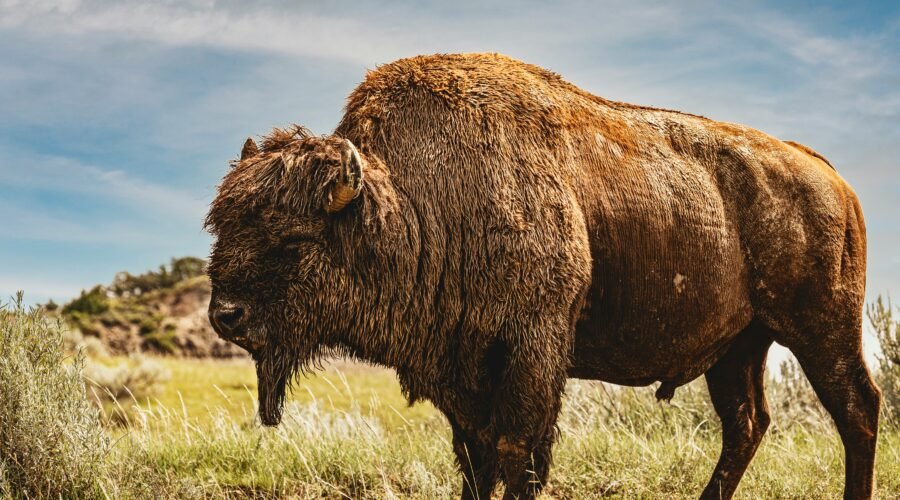
So, you’re thinking about North Dakota? Smart move! People often ask about the “best” time to visit, and honestly, it really depends on what you’re hoping to get out of your trip. North Dakota offers a unique experience, from its starkly beautiful landscapes to its friendly small towns, but the weather can be a major factor. We’ll break down when to go based on the weather, how busy it gets, and what your wallet can expect.
If you’re aiming for the most comfortable weather, generally speaking, you’ll want to plan your visit between May and October. This is when you’re most likely to avoid the extremes of North Dakota’s notoriously cold winters and enjoy milder temperatures that are good for outdoor activities.
May: Spring’s Gentle Arrival
May is when North Dakota starts to shed its winter coat. Snowmelt is usually complete, and the landscape begins to green up. Temperatures are warming up, often ranging from the 50s to the 70s Fahrenheit (10-20s Celsius). It’s a pleasant time to be outdoors, and you’ll start to see wildflowers popping up.
- Pros: Fewer crowds than summer, blooming nature, mild temperatures.
- Cons: Days can still be cool, especially in the evenings. The mud season can sometimes linger in early May, depending on the year.
June: Summer’s Warm Welcome
June is often considered one of the best months. The days are long and sunny, and temperatures are reliably pleasant, typically in the 70s and 80s Fahrenheit (20s Celsius). This is a fantastic time for exploring state parks, hiking, fishing, and enjoying outdoor festivals.
- Pros: Ideal weather for most outdoor activities, long daylight hours, everything is open.
- Cons: It’s the start of peak season, so popular spots might start to get a bit busier.
July & August: Peak Summer Vibrancy
These are the warmest months. Expect highs in the 80s and sometimes 90s Fahrenheit (late 20s to low 30s Celsius), with plenty of sunshine. This is prime time for water sports on the lakes, visiting attractions like Theodore Roosevelt National Park, and experiencing local events.
- Pros: Warmest weather, perfect for all summer pursuits, vibrant atmosphere.
- Cons: Can be the busiest time, especially in tourist areas. July and August can also see humidity and occasional thunderstorms.
September: Autumn’s Golden Touch
September offers a beautiful transition to fall. Temperatures cool down to a comfortable range, usually in the 60s and 70s Fahrenheit (15-20s Celsius). The foliage starts to change, creating stunning scenery, especially in the western parts of the state. It’s a great time for hiking and photography.
- Pros: Beautiful autumn colors, pleasant temperatures, fewer crowds than summer.
- Cons: Days are getting shorter, and evenings can get chilly.
October: Fall’s Crisp Embrace
October sees temperatures dropping further, often in the 40s and 50s Fahrenheit (5-10s Celsius). While you might get some unseasonably warm days, it’s definitely leaning towards cooler weather. The fall colors are often at their peak in early October, and it’s a good time for enjoying crisp air and fewer visitors before winter sets in.
- Pros: Stunning fall foliage (early in the month), very few crowds, crisp, clean air.
- Cons: Weather can be unpredictable and can quickly turn cold. Many outdoor attractions might start to reduce hours or close for the season.
If you’re planning a trip to North Dakota, you might find it helpful to read an article on the best times to visit the state, considering factors like weather, crowds, and costs. For more insights and tips on how to make the most of your travel experience, check out this related article on travel planning. You can find it here: Best Time to Visit North Dakota: Weather, Crowds, and Costs.
2. Dodging the Peak Crowds: Shoulder Seasons Shine
If you prefer a more relaxed experience with fewer people, the “shoulder seasons” are your best bet. These are the periods just before and after the main summer rush.
Late April to Mid-May: Spring’s Quiet Beginning
As mentioned, May offers pleasant weather and is still relatively uncrowded. By visiting in late April or early May, you can experience the thawing landscape of North Dakota before the majority of tourists arrive. You’ll find plenty of availability for accommodation and a more laid-back atmosphere at attractions.
- Key Advantage: Before the summer vacationers descend.
- Consideration: Weather can be more variable.
September to Mid-October: Autumn’s Peaceful Retreat
September is a sweet spot. The summer crowds have mostly dissipated, but the weather is still quite agreeable. You’ll find the popular spots much easier to navigate, and you can enjoy the changing scenery without feeling rushed. Early October can still offer beautiful fall colors and an even more tranquil experience.
- Key Advantage: Beautiful scenery, calm atmosphere.
- Consideration: Daylight hours decrease, and some seasonal businesses might be winding down.
3. Embracing the Extremes (If You Dare): Winter Wonders

North Dakota winters are, to put it mildly, cold. Temperatures routinely drop below freezing, often into the single digits or negative Fahrenheit (-20s to -10s Celsius), with wind chills making it feel even colder. Snowfall is common, and the landscape transforms into a hushed, white world.
November to Early December: The Transition to Winter
These months bridge autumn and full winter. Expect rapidly dropping temperatures and increasing chances of snow. While not as consistently brutal as January or February, it’s definitely cold enough to require serious cold-weather gear. Some outdoor activities might still be possible, but many will be winding down.
- Pros: Stunningly pristine snowscapes, very few tourists, opportunities for early winter sports.
- Cons: Bitterly cold, short daylight hours, potential for travel disruptions due to snow.
Mid-December to February: Deep Winter Delights (or Challenges)
This is the heart of North Dakota’s winter. If you’re looking for a true winter wonderland experience, this is it. Think ice fishing, snowmobiling, cross-country skiing, and simply enjoying the quiet beauty of a frozen landscape. However, you must be prepared for extreme cold.
- Pros: Unparalleled winter beauty, ideal for dedicated winter sports enthusiasts, true sense of solitude.
- Cons: Extreme cold is a major factor, requires specialized gear and planning. Many attractions or activities might be limited or closed. Road conditions can be challenging.
March: Winter’s Lingering Grip and Spring’s First Whispers
March can be a mixed bag. You might still experience significant snowfall and cold snaps, but you’ll also start to see signs of spring. Ice is beginning to break up on lakes, and the sun feels a bit stronger. It’s a transitional month, and the weather can be quite unpredictable.
- Pros: A unique chance to see winter giving way to spring, potentially fewer crowds.
- Cons: Highly variable weather, can still be very cold and snowy, “mud season” can begin.
4. Budgeting Your Trip: When Your Wallet Will Thank You

Generally, you’ll find lower prices for flights and accommodation outside of the peak summer months.
Peak Season Prices (June – August):
This is when demand is highest, so you’ll likely see the highest prices for hotels and rental cars. If you’re traveling during these months, booking well in advance is highly recommended to secure better rates and availability.
- Expect: Higher costs for everything.
- Tip: Look for package deals or consider booking accommodation further from major tourist hubs.
Shoulder Season Savings (May, September, October):
These months offer a good balance of decent weather and more affordable prices. You can often find good deals on accommodations, and flights might be cheaper too. September, in particular, can be a great time for budget-conscious travelers looking for pleasant weather.
- Expect: Moderate prices, good value for money.
- Tip: This is often the sweet spot for balancing cost and experience.
Off-Season Bargains (November – April, excluding holidays):
If you’re looking for the absolute lowest prices, consider visiting during the off-season. However, be aware that this is when the weather is the most challenging, and many outdoor attractions might be closed or have limited operations. This is best suited for those who are specifically seeking winter activities or don’t mind the cold.
- Expect: The lowest prices, but with significant weather constraints.
- Tip: Ensure any activities or attractions you wish to visit are open and accessible during these months.
If you’re planning a trip to North Dakota, you might also find it helpful to read about the best times to explore the state’s stunning national parks and outdoor activities. For more insights on travel planning, check out this informative article on cookie policies that can enhance your travel experience. Understanding the weather, crowds, and costs can significantly improve your visit, ensuring you make the most of your time in this beautiful state.
5. What Activity Do You Have in Mind?
| Month | Weather | Crowds | Costs |
|---|---|---|---|
| June | Pleasant temperatures, occasional rain | Moderate crowds | Mid-range costs |
| July | Warm temperatures, occasional thunderstorms | High crowds | High costs |
| August | Warm temperatures, occasional thunderstorms | High crowds | High costs |
| September | Cooling temperatures, decreasing rain | Moderate crowds | Mid-range costs |
Ultimately, the “best” time to visit North Dakota really hinges on what you want to do.
For Outdoor Enthusiasts and Hikers:
- Best Bet: Late May through October.
- Consider: June, July, and September offer the most comfortable hiking temperatures and long daylight hours. Theodore Roosevelt National Park is spectacular in these months.
- Winter Option: For very specific activities like snowshoeing or winter hiking, December to February can be breathtaking, but only if you are fully prepared for extreme cold.
For Wildlife Viewing and Photography:
- Best Bet: Late Spring (May) and Fall (September, October).
- Why: Wildlife is often more active during the cooler parts of the day. Spring brings new life, and fall offers the dramatic backdrop of changing colors.
- Consider: Theodore Roosevelt National Park is excellent year-round for wildlife, but the scenery is enhanced by seasonal colors.
For Water Sports and Lake Activities:
- Best Bet: June, July, and August.
- Why: These are the warmest months, perfect for swimming, boating, and fishing on North Dakota’s numerous lakes.
- Consider: Lake Sakakawea and Devils Lake are popular spots. Be prepared for potential afternoon thunderstorms.
For Experiencing Local Culture and Festivals:
- Best Bet: Summer (June – August).
- Why: This is when most of the state’s larger festivals and community events take place, from county fairs to music festivals.
- Consider: Check local event calendars for specific towns or regions you plan to visit.
For Ice Fishing and Winter Sports:
- Best Bet: December through February.
- Why: These are the months with the most reliable ice conditions for ice fishing and ample snow for other winter activities like snowmobiling and cross-country skiing.
- Consider: Safety first! Always check ice conditions and be prepared for the extreme cold.
For Solitude and Peace:
- Best Bet: Shoulder seasons (May, September, October) or the deep off-season (November – March, excluding holidays).
- Why: You’ll find fewer tourists, allowing for a more intimate experience with the landscapes and towns.
- Consider: Even in the off-season, some visitor centers might have reduced hours.
So, to wrap it up, think about what matters most to you – the weather, the crowds, or the cost – and then pick the time that best aligns with your priorities for an unforgettable North Dakota adventure.
FAQs
1. What is the best time to visit North Dakota based on weather?
The best time to visit North Dakota based on weather is during the summer months of June, July, and August. These months offer the warmest temperatures and the most sunshine, making it ideal for outdoor activities and sightseeing.
2. When is the peak tourist season in North Dakota?
The peak tourist season in North Dakota is during the summer months, particularly in July and August. During this time, the state experiences an influx of visitors, especially to popular attractions such as Theodore Roosevelt National Park and the International Peace Garden.
3. What is the off-peak season in North Dakota?
The off-peak season in North Dakota is during the winter months of December, January, and February. During this time, the state experiences colder temperatures and snowfall, which may deter some visitors. However, this can be a great time to visit for winter sports enthusiasts and those looking for a quieter, more peaceful experience.
4. When can visitors find the best deals and lower costs in North Dakota?
Visitors can find the best deals and lower costs in North Dakota during the off-peak seasons, particularly in the winter months. Many hotels and attractions offer discounted rates during this time, making it a more budget-friendly option for travelers.
5. What are the key factors to consider when planning a trip to North Dakota?
When planning a trip to North Dakota, key factors to consider include the weather, crowds, and costs. It’s important to determine whether you prefer warmer temperatures and more activities (summer) or colder temperatures and fewer crowds (winter). Additionally, budget-conscious travelers may want to take advantage of off-peak season discounts.

[…] you like comparing how seasons affect different destinations, this guide to the best time to visit North Dakota uses the same weather, crowd, and cost […]