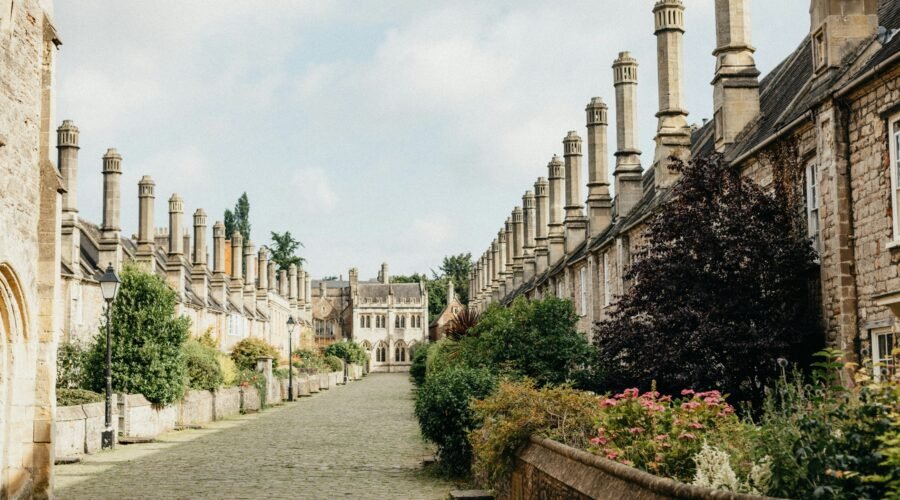
So, you’re wondering about the best time to visit Wells, eh? If you want the sweet spot where the weather’s pleasant, the crowds aren’t overwhelming, and your wallet doesn’t take too much of a hit, then late spring (May-early June) or early autumn (September-early October) is generally your best bet. This is when you’ll strike a good balance, avoiding the peak summer rush and the less predictable weather of winter. Let’s dig into the details.
1. Understanding Wells’ Seasons: A Quick Overview
Before we dive into specific timings, it’s helpful to get a feel for what each general season brings to Wells. It’s a city steeped in history and heritage, and the atmosphere can shift quite a bit depending on the time of year. Knowing this helps you manage your expectations and pack accordingly.
1.1. Spring (March – May)
Ah, spring! This is when Wells starts to wake up.
- Weather: Generally mild, with temperatures steadily rising. You’ll see averages from 8°C (46°F) in March to 15°C (59°F) in May. Expect a mix of sunshine and some rain showers – it is England, after all. The days get noticeably longer, which is a real plus for sightseeing.
- Crowds: March is still pretty quiet, making it a good option if you want fewer people. April starts to pick up, especially around Easter. May, particularly the latter half, sees more visitors but still significantly fewer than the summer months.
- Costs: Generally lower accommodation and flight prices, especially if you book outside of school holidays. Attractions might not be running their full summer schedules yet, but the main ones will be open.
1.2. Summer (June – August)
This is peak tourist season, and for good reason.
- Weather: Warmest months, with average temperatures ranging from 18°C (64°F) to 22°C (72°F), sometimes higher. The longest daylight hours, meaning more time to explore. While it’s generally the driest season, don’t rule out the occasional summer downpour.
- Crowds: Heaviest crowds, particularly in July and August. Wells Cathedral and the Bishop’s Palace can get very busy. Expect queues for popular attractions and restaurants.
- Costs: Highest prices for accommodation, travel, and sometimes even food due to demand. You’ll need to book well in advance if you plan to visit during this time.
1.3. Autumn (September – November)
A truly beautiful time, as the leaves start to turn.
- Weather: Early autumn (September) is often delightful, an “Indian summer” with mild temperatures around 16°C (61°F). October sees a dip to around 12°C (54°F), and November gets cooler, around 8°C (46°F), with more chance of rain and wind. Shorter days than summer, but still enough light for exploration.
- Crowds: September is still popular but noticeably quieter than August. Crowds continue to thin out through October and November. This is a fantastic time if you prefer a more relaxed pace.
- Costs: Prices generally decrease from September onwards, making it a more budget-friendly option than summer.
1.4. Winter (December – February)
The quietest season, offering a very different experience.
- Weather: Coldest months, with average temperatures between 2°C (36°F) and 7°C (45°F). Frosts are common, and while snow is rare in Wells itself, it’s not unheard of. Shorter days (dark by 4 pm in December). Can be damp and grey, but also wonderfully atmospheric on crisp, clear days.
- Crowds: Very few tourists, apart from the Christmas and New Year period which sees a slight spike in local visitors. You might have the Cathedral almost to yourself at times.
- Costs: Lowest prices for accommodation and travel. Many smaller attractions might have reduced hours or close for maintenance, so check ahead.
If you’re planning a trip to Wells and want to make the most of your visit, you might find the article on the best time to visit Wells particularly helpful. It covers essential aspects such as weather conditions, crowd levels, and costs associated with different seasons. For more detailed insights, you can check out this related article on travel tips and recommendations at Lele Tours.
2. The Weather Weigh-In: When to Maximize Your Comfort
Let’s face it, good weather can make or break a trip. While England’s weather is notoriously fickle, there are definitely times when you have a better shot at sunshine and warmth.
2.1. Best for Mild Temperatures and Sunshine: Late Spring / Early Autumn
- Why it’s great: These shoulder seasons offer the best chance of comfortable temperatures that are perfect for walking around and exploring. You’re less likely to be sweating from the heat or shivering from the cold. The sun is usually out enough to make things pleasant without being oppressively bright.
- What to expect: You’ll still need layers. A light jacket, a scarf, and maybe even a hat will be useful, especially in the evenings or if a cloud rolls in. Don’t forget an umbrella because, well, it’s England.
2.2. Hottest (and Busiest): Summer
- Why people love it: If you’re a sun worshipper and want the guaranteed warmest weather, summer is your pick. Long daylight hours mean you can cram more into your days.
- Things to consider: It can get genuinely hot, sometimes into the high 20s or even 30s °C (low 80s to 90s °F), which isn’t always ideal for tramping around historic sites. Hydration is key.
2.3. Coolest (and Quietest): Winter
- Why some prefer it: If you enjoy crisp, cold air, the possibility of frost on the ground, and a very atmospheric, quiet visit, winter can be enchanting. The Cathedral especially takes on a magical feel.
- Things to consider: Short days mean less time for outdoor activities. You’ll need proper winter gear: a warm coat, hat, gloves, and waterproof shoes are essential.
3. Evading the Hordes: Navigating Wells’ Crowds
Wells isn’t a massive city, and its main attractions are quite concentrated. This means that when it gets busy, it really feels busy. Timing your visit to avoid peak crowds can significantly enhance your experience.
3.1. Tranquil Times: January – March, November, and Early December
- Why these months shine: These are the absolute quietest times. You’ll have the Cathedral, the Bishop’s Palace, and the market square with far fewer people. It’s ideal for leisurely exploration, photography without dozens of strangers in your shot, and soaking in the atmosphere without feeling rushed.
- Caveats: Some smaller, seasonal attractions might be closed or have reduced hours. Weather can be a deterrent for some.
3.2. Pleasant Pace: April, May, September, October
- The sweet spot for balance: These shoulder seasons offer a good compromise. There are definitely visitors, but it feels manageable. You won’t struggle to get into restaurants or find a good spot at the market. School holidays and bank holidays will see spikes, so try to avoid those if possible.
- Tip: Check the UK school holiday calendar before booking, especially for the Easter period in April and the half-term breaks in May and October.
3.3. Peak Season Bustle: June – August, and Christmas/New Year
- What to expect: Expect lots of people, especially families. Queues for attractions, busy cafes, and potentially harder to find parking. While there’s a buzzing atmosphere, it might not be what you’re looking for if peace and quiet are high on your list.
- If you must go: Book everything in advance (accommodation, possibly even dinner reservations). Go early in the morning or later in the afternoon to avoid the mid-day rush at popular spots.
4. The Budget-Friendly Breakdown: When Wells is Kinder to Your Wallet
Travel costs can add up, and Wells, while not as expensive as London, can still be a pricey destination if you hit it at the wrong time. Smart timing can save you a fair bit of cash.
4.1. Lowest Overall Costs: Winter (Excluding Christmas/New Year)
- Why it’s cheap: Low demand drives down prices.
- Accommodation: You’ll find the best deals on hotels, B&Bs, and guesthouses. Many places offer off-season rates.
- Flights/Travel: If you’re flying into a UK airport and then travelling to Wells, airfares are generally at their lowest during these months (again, exclude the festive period). Train tickets might also be cheaper outside of peak commuting times.
- Attractions: While entry fees usually stay consistent, you might find special offers or fewer crowds meaning you can spend less time faffing and more time exploring.
- Considerations: Reduced hours for some businesses, and the potentially challenging weather.
4.2. Good Value: Late Spring (March-April, Pre-Easter) & Early Autumn (October-November)
- Finding the balance: These periods offer decent weather and fewer crowds than summer, leading to better prices without the deep discounts of winter.
- Accommodation: Rates start to climb from winter lows but are still noticeably less than summer peaks.
- Travel: Similar to accommodation, travel costs are moderate.
- Attractions: All major attractions will be open, and you’ll get more bang for your buck by avoiding the peak season squeeze.
4.3. Highest Costs: Summer (July-August) & Christmas/New Year
- When to open your wallet wide:
- Accommodation: Expect peak rates. Booking months in advance is essential for securing a good spot at a reasonable (for the season) price.
- Travel: Flights and train tickets will be at their most expensive due to high demand.
- Everything else: While Wells isn’t London-expensive, general costs for food and drink might nudge up slightly, and competition for tables at popular eateries will be high.
- Why it’s worth it for some: If guaranteed good weather and a lively atmosphere are your top priorities, these higher costs might be acceptable.
When planning your trip to Wells, it’s essential to consider not only the best time to visit but also how to make the most of your experience. For further insights on travel planning and product reviews, you might find this article helpful. It provides valuable information that can enhance your travel preparations, ensuring you have a memorable visit. Check it out for more tips on optimizing your travel experience here.
5. Special Events & Considerations: Adding to the Wells Experience
Sometimes, your trip isn’t just about the weather or crowds, but about what’s happening in Wells. The city has a calendar of events that could either be a draw or something to avoid, depending on your preferences.
5.1. Major Festivals and Events
- Wells Cathedral events: The Cathedral has an active calendar of concerts, recitals, and special services throughout the year. Checking their website is a must, as these can add a unique dimension to your visit. Some events can draw significant crowds.
- Wells Food Festival (October): A popular event that showcases local produce. Expect the city to be buzzing, especially the market square. If you’re a foodie, this could be a major draw, but be prepared for crowds and potentially higher accommodation demand.
- Wells Literary Festival (October): Another cultural highlight that brings authors and readers to the city. Increases the intellectual buzz and visitor numbers.
- Christmas Markets & Carols (December): Wells does Christmas beautifully. The Cathedral hosts stunning carol services, and there’s often a small but charming Christmas market. The atmosphere is festive and magical, but also increases local visitor numbers.
5.2. School Holidays and Bank Holidays
- The Crowd Multiplier: These periods (Easter, May half-term, Summer holidays, October half-term, Christmas/New Year, and the various UK bank holidays) are absolutely critical to consider. They are always busier and more expensive, regardless of the overall season. If you can avoid them, your experience will generally be more relaxed and wallet-friendly.
- Planning ahead: If you have to travel during these times, book everything far in advance.
5.3. Local Market Days
- A regular delight: Wells has a vibrant market on Wednesdays and Saturdays in the Market Place.
- Why visit: It’s fantastic for local produce, crafts, and food stalls. It adds a lot of character to the city.
- Crowd impact: While not a massive event that transforms the city, Market Days do make the Market Place and surrounding streets busier. Plan a wander through, but be aware it won’t be deserted.
6. Final Thoughts & Recommendations
So, to boil it down, you’ve got options, each with its own flavour.
- For the “Goldilocks” visitor (just right): Late May / Early June or September / Early October. You’ll get decent weather, manageable crowds, and reasonable prices. This is the sweet spot.
- For the budget-conscious and peace-seeker: January – March (avoiding school holidays). Be prepared for colder weather but enjoy having the city almost to yourself and the best prices.
- For the sun-seeker and social butterfly: July / August. Embrace the warmth and the lively atmosphere, but brace for crowds and higher costs. Book well ahead!
- For the atmospheric and cosy traveller: November or Early December. Think chilly, crisp days, potentially fewer daylight hours, but wonderfully atmospheric visits to the Cathedral and a chance to experience early festive cheer before the main rush.
Ultimately, Wells is a wonderful place to visit any time of year. Knowing what each season brings means you can plan your trip to best suit your personal preferences for weather, crowds, and budget. Enjoy your visit!
FAQs
1. What is the best time to visit Wells in terms of weather?
The best time to visit Wells in terms of weather is during the summer months, from June to August, when the temperatures are warm and the days are long.
2. When is the peak tourist season in Wells?
The peak tourist season in Wells is during the summer months, from June to August, when the weather is warm and the city is bustling with visitors.
3. When is the off-peak season in Wells?
The off-peak season in Wells is during the winter months, from November to February, when the temperatures are cooler and the city is less crowded with tourists.
4. What is the cost of visiting Wells during the peak tourist season?
The cost of visiting Wells during the peak tourist season is generally higher, as accommodation and attraction prices tend to increase due to high demand.
5. When is the best time to visit Wells to avoid crowds and save on costs?
The best time to visit Wells to avoid crowds and save on costs is during the shoulder seasons of spring (March to May) and autumn (September to October), when the weather is still pleasant and the city is less crowded with tourists.