Planning a trip to Düziçi in Osmaniye Province requires balancing seasonal mountain weather, hiking trail conditions, and regional festival crowds. Situated in the foothills of the Nur (Amanos) Mountains, Düziçi experiences a Mediterranean climate characterized by hot, dry summers and mild, rainy winters. For outdoor activities like hiking and sightseeing, timing your arrival to match moderate temperatures ensures the best experience.
Quick Answer
The best time to visit Düziçi is during late spring (May to early June) and early autumn (late September to mid-November). During these months, daytime temperatures range from 20°C to 27°C (68°F–81°F), rainfall remains low, and conditions are ideal for hiking Mount Düldül, touring Harun Reşit Castle, and exploring local agricultural valleys without summer heat.
Key Takeaways
- Late Spring (May–June): Wildflowers, clear skies, daytime averages of 24°C–28°C (75°F–82°F), and optimal conditions for ridge trails and outdoor exploration.
- Early Autumn (September–November): Mild weather, harvest festivals, active local markets, and crisp conditions for photography and trekking.
- Peak Summer (July–August): Temperatures frequently exceed 36°C (97°F) in the plains, shifting outdoor activities to high-altitude plateaus, shaded river canyons like Sabun Çayı, or thermal spas.
- Low Season (December–March): Lower accommodation rates and fewer visitors, accompanied by higher rainfall and cooler nights requiring layered clothing.
- Transit & Access: Fly into Çukurova International Airport (COV) or Gaziantep Airport (GZT) and reach Düziçi via the O-52 motor route.
Best Time to Visit Düziçi: Top Month for Sunny Outdoor Days
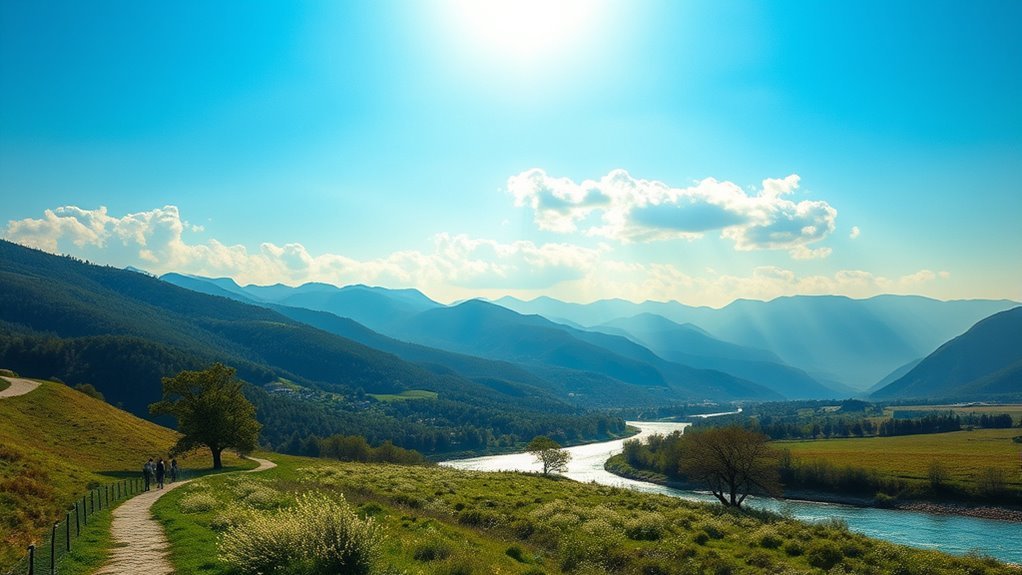
For reliably sunny days suitable for exploring Düziçi’s surrounding plains, foothill trails, and historic landmarks, May is the single best month. During May, the intense heat of the Çukurova basin has not yet peaked, and winter precipitation has tapered off, leaving the countryside lush and green.
Average daytime highs sit comfortably around 26°C (79°F), offering ample sunlight for full-day excursions. May also marks the beginning of regional agro-cultural activities, giving visitors an opportunity to witness rural traditions and regional food preparation across local villages.
“Late spring brings clear mountain visibility across the Amanos range, making it the premier window for heritage visits and elevated hiking routes in Düziçi.”
Recommended day itineraries in May balance morning hikes along foothill ridges with afternoon visits to historical ruins, such as Harun Reşit Castle (Harunur Reşit Kalesi), followed by shaded coffee breaks in town squares.
Pro Tip: In May, plan higher-altitude ascents on Mount Düldül (Düldül Dağı) for early morning hours when summit cloud cover is minimal and ambient humidity remains low.
Seasonal Weather in Düziçi: Spring, Summer, Autumn, Winter
Düziçi transitions between distinct seasonal patterns influenced by both Mediterranean coastal systems and inland elevation changes. Understanding these cycles helps you prepare the right clothing, schedule activities effectively, and choose the right base for your stay.
| Season | Months | Avg High / Low | Precipitation | Best For |
|---|---|---|---|---|
| Spring | April – June | 22°C–29°C / 11°C–17°C (72°F–84°F / 52°F–63°F) | Moderate to Low | Hiking, historical sightseeing, photography |
| Summer | July – August | 34°C–38°C / 21°C–25°C (93°F–100°F / 70°F–77°F) | Very Low | Canyon visits, thermal baths, evening cultural events |
| Autumn | September – November | 20°C–31°C / 10°C–18°C (68°F–88°F / 50°F–64°F) | Low to Moderate | Harvest markets, mountain trails, cultural tourism |
| Winter | December – March | 11°C–15°C / 3°C–6°C (52°F–59°F / 37°F–43°F) | High (Frequent rain) | Thermal springs (Haruniye), budget travel, quiet stays |
According to regional climate records from the Turkish State Meteorological Service (MGM), the wider Osmaniye province experiences its highest precipitation from December through February, while mid-summer features prolonged dry spells with high midday UV indices.
Best Months for Hiking and Cool Weather in Düziçi
The optimal hiking windows in Düziçi align with the shoulder seasons, when comfortable temperatures support strenuous ascents and stable weather limits trail hazards.
Mild Spring Temperatures
Spring (especially late April through May) provides optimal trekking conditions. Cooler mornings keep energy levels high, while afternoon warmth makes pauses in village squares and mountain meadows comfortable. Flowing streams, blooming orchards, and pine forests line the approach routes to Mount Düldül, and trails remain firm underfoot.
Crisp Autumn Days
From late September to mid-November, autumn offers crisp air, lower humidity, and colorful foliage across the oak and scrub-covered slopes. The trails are less frequented by casual summer day-trippers, creating a peaceful environment for photography and long-distance walking.
- Start early to capture morning mist lifting over mountain terraces and rural valleys.
- Visit village harvest markets around midday to purchase fresh walnuts, pomegranates, and dried figs directly from local growers.
- Time your return hike for late afternoon to catch sunset light illuminating the Amanos ridgelines.
Low Rainfall Windows
The driest trekking window extends from late May through October. During these months, the risk of trail washouts or sudden mountain rainstorms decreases significantly. Although late summer brings elevated afternoon temperatures, morning departures ensure dry, reliable trail conditions on exposed ridges.
Note: While rain is rare from June to September, carry at least 2 to 3 liters of water per person on mountain routes, as natural springs at lower elevations can diminish by late summer.
Peak Season, Crowds, and Festival Dates to Know
Peak visitor traffic in Düziçi occurs during summer (July and August) and during major public holiday weeks. While Düziçi is not an overcrowded mass-market resort, local guesthouses, restaurants, and recreational spots fill quickly with regional travelers escaping city heat from nearby Adana, Osmaniye, and Gaziantep.
Summer Peak Months
July and August bring lively evenings to town centers and parks. Families gather in shaded outdoor tea gardens, and weekend recreational sites near Berke Dam and Sabun Çayı see heavy day-use traffic. Daytime hiking is generally restricted to early dawn or shaded valley floors due to high afternoon temperatures.
Major Local Festivals
Düziçi and neighboring Osmaniye districts host several cultural and agricultural events across the year:
- Spring Cultural Fairs (April–May): Celebrations highlighting regional crafts, traditional culinary arts, and local folk music.
- Summer Plateau & Music Gatherings (July–August): Open-air evening concerts and highland picnics held in cooler mountain settlements.
- Autumn Harvest & Gastronomy Days (September–October): Displays of seasonal produce, olive oil pressing, and traditional molasses (pekmez) production.
Crowd Management Tips
To navigate the busier summer weekends without delays:
- Visit popular tourist landmarks like Harun Reşit Castle or Haruniye Thermal Springs during weekday mornings.
- Reserve local boutique lodging and rental vehicles at least 3 to 4 weeks in advance if traveling during national holiday periods (Bayram holidays).
- Plan dining reservations early in the evening if visiting popular family-run lokantas during festival weekends.
Low Season: Quiet Months and Cheapest Prices
The low season runs from December through March. During this winter period, tourist numbers drop significantly, and regional guesthouses and hotels offer their lowest room rates of the year.
Winter in Düziçi is comparatively mild by central Anatolian standards, with daytime temperatures averaging 12°C (54°F). However, rainy spells are common, and higher peaks around Mount Düldül receive seasonal snowfall. This period is well-suited for travelers interested in wellness tourism at the Haruniye thermal springs, museum visits, and relaxed culinary tours without crowds.
Warning: High-altitude trails and unpaved forest roads in the Amanos range can become slippery or muddy following heavy winter downpours. Always check local route safety before driving into remote mountain passes.
Costs by Season: Travel, Lodging, and Dining in Düziçi
Seasonal fluctuations directly impact travel budgets in Düziçi:
- Shoulder Seasons (April–May & October–November): Offer the best price-to-value ratio. Accommodation rates remain stable, local transportation is readily available, and fresh seasonal produce keeps dining affordable.
- Peak Season (July–August): Higher demand for air-conditioned accommodations and rental cars slightly increases overall travel costs.
- Low Season (December–March): Highest discounts on lodging; however, shorter daylight hours and occasional rain require flexible itineraries.
How to Choose the Best Month for Your Priorities (Hiking, Heat, Crowds, Budget)
Select your travel dates based on your primary outdoor and travel objectives:
- For Trekking and Nature Photography: Choose May or October for optimal trail visibility, moderate temperatures, and colorful scenery.
- For Festivals and Vibrant Nightlife: Choose July or August, focusing your days around high-altitude plateaus and evenings around town festivities.
- For Maximum Budget Savings: Choose November, March, or April to take advantage of lower guesthouse rates and discounted rental car fares.
- For Thermal Spa Wellness: Choose November through February to enjoy the hot mineral pools of Haruniye during cooler weather.
Frequently Asked Questions
Are there direct flights to Düziçi from major Turkish cities?
No, Düziçi does not have its own commercial airport. Travelers typically fly into Çukurova International Airport (COV) in the Adana/Mersin area (approx. 120 km away) or Gaziantep Airport (GZT) (approx. 100 km away), then continue to Düziçi via rental car, intercity bus, or the O-52 highway.
What are typical opening hours for local markets and shops?
Most standard shops and businesses in Düziçi operate between 08:30 and 19:00, Monday through Saturday. Weekly neighborhood produce markets (pazar) open early around 07:30 and wind down by late afternoon. In the summer, pharmacies, cafes, and bakeries often remain open late into the evening.
Is tap water safe to drink in Düziçi?
Municipal tap water in Düziçi is treated and monitored, but most visitors and many residents prefer bottled spring water or filtered water for daily drinking due to local mineral hardness and taste preferences.
Are there medical facilities or hospitals in town?
Yes, the Düziçi State Hospital (Düziçi Devlet Hastanesi) provides 24/7 emergency medical services, diagnostic testing, and general outpatient clinics. For advanced specialized medical treatments, major tertiary care hospitals are located 30 minutes away in Osmaniye city center.
Do locals commonly speak English or other foreign languages?
Turkish is the primary language spoken throughout Düziçi. While hospitality staff and younger residents may understand basic English, having a translation app and learning essential Turkish travel phrases will facilitate easy communication in local markets and rural districts.
Conclusion
Visiting Düziçi during late spring (May to June) or early autumn (September to November) delivers the best overall travel experience. These shoulder months provide clear skies, mild mountain breezes, and manageable visitor numbers, allowing you to hike the trails of Mount Düldül, tour Harun Reşit Castle, and explore the agricultural heritage of Osmaniye in comfort. Aligning your trip with these seasonal windows ensures reliable weather and excellent value across the region.
Sources
- Turkish State Meteorological Service (MGM) — Official regional climate, precipitation, and seasonal temperature records for Osmaniye Province.
- Osmaniye Provincial Directorate of Culture and Tourism — Historical site guides, Harun Reşit Castle documentation, and local cultural assets.
- Republic of Türkiye Ministry of Culture and Tourism (Kültür Portalı) — Regional heritage listings, thermal tourism profiles, and ecotourism route documentation.