

So, you’re wondering when’s the best time to visit Keno City, Yukon? Well, the straightforward answer is: it largely depends on what kind of experience you’re after. Summer (June to August) offers the most accessibility and pleasant weather, making it ideal for most visitors. However, if you’re prepared for the cold and seeking a truly unique, quiet, and budget-friendly adventure, the shoulder seasons or even a winter visit have their distinct appeals.
1. Summer: The Popular Pick (June – August)
Summer in Keno City is when things are most “alive,” relatively speaking. The weather is at its best, and most, if not all, amenities are open.
1.1 Weather: Long Days and Mild Temps
The Yukon is famous for its midnight sun, and Keno City is no exception. In June and July, you’ll experience incredibly long daylight hours, often with the sun barely dipping below the horizon. This means more time for exploring!
- Average Temperatures: Expect daytime highs typically ranging from 15°C to 25°C (59°F to 77°F). Nights can still be cool, dropping to 5°C to 10°C (41°F to 50°F), so layering is key.
- Rainfall: While generally dry, summer can still bring occasional rain showers. It’s smart to pack a waterproof outer layer.
- Benefits: The mild temperatures are perfect for hiking, exploring historical sites, and enjoying the natural beauty without extreme heat. The extended daylight means you can pack more into your days.
1.2 Crowds: Relatively Bustling (for Keno)
Keno City isn’t exactly a bustling metropolis even in summer, but this is when you’ll find the most people around.
- Visitor Numbers: You’ll encounter other tourists, particularly at popular spots like the Keno City Mining Museum. Expect a friendly, small-town vibe rather than overcrowded attractions.
- Accessibility: Most businesses, including the Sourdough Cafe and the Keno City Hotel, are typically operating full-time during these months. Roads are also in their best condition and fully accessible.
- Accommodation: While not impossible to find last-minute, booking your accommodation in advance is a good idea, especially if you have specific preferences, as options are limited.
- Drawbacks: If you’re truly seeking solitude, even the small summer crowds might feel like too many. You’ll also pay peak prices for lodging.
1.3 Costs: Peak Season Pricing
As with most tourist destinations, summer is when you’ll find the highest prices in Keno City.
- Accommodation: Expect to pay the most for hotel rooms or cabins during June, July, and August. Booking well in advance can sometimes save you a bit, but don’t count on major discounts.
- Tours/Activities: If you plan on any guided excursions or specialized activities originating from nearby Mayo or Dawson City that might reach Keno, these will be at their standard, non-discounted rates.
- Fuel/Supplies: While not directly Keno-specific, the broader travel costs to and within the Yukon will be standard, and gas prices tend to fluctuate, but aren’t typically “discounted” in summer.
If you’re planning a trip to Keno City, Yukon, you might find it helpful to read about the best times to visit this unique destination, considering factors like weather, crowds, and costs. For more insights on travel tips and recommendations for exploring the Yukon region, check out this related article on Lele Tours, which offers valuable information to enhance your travel experience.
2. Shoulder Seasons: The Savvy Traveler’s Choice (May & September)
If you’re looking for a balance between decent weather, fewer crowds, and potentially lower costs, the shoulder seasons are your best bet.
2.1 May: Awakening and Wildflowers
May is when Keno City slowly shakes off winter. The snow recedes, and the landscape begins to burst with life.
- Weather: Expect cooler temperatures than mid-summer, with daytime highs often ranging from 5°C to 15°C (41°F to 59°F). Nights will still be chilly, sometimes below freezing.
- Daylight: Days are getting long very quickly in May, so you’ll still have plenty of light for activities.
- Landscape: You’ll witness the transition from winter starkness to vibrant greenery. Wildflowers start to appear, and animal activity increases.
- Accessibility: Most main roads will be clear, but some smaller, less-maintained trails might still be muddy or snow-covered. Some services might still be on reduced hours or just opening for the season.
- Crowds: Very light. You’ll mostly encounter locals getting ready for the summer, a few early-bird adventurers, and perhaps some wildlife enthusiasts.
- Costs: Generally lower than peak summer. You might find better deals on accommodation as businesses ramp up.
2.2 September: Autumn Colors and Crisp Air
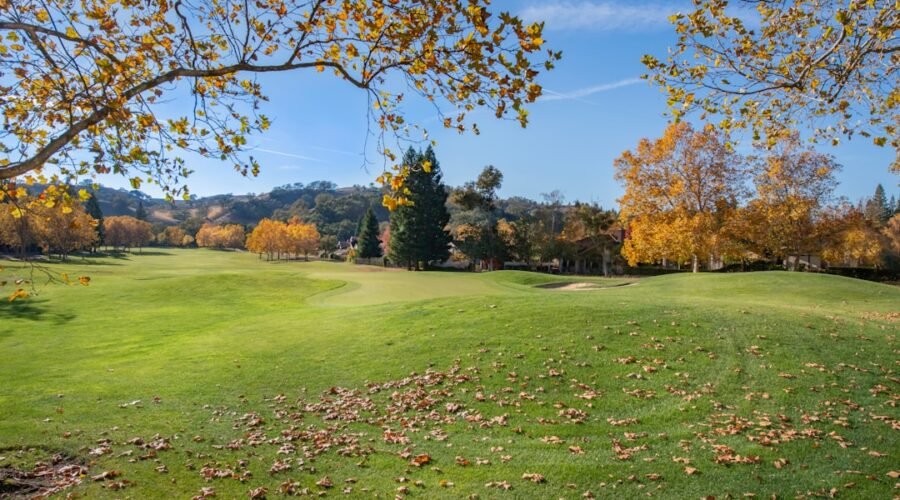
September brings a spectacular display of autumn colors to the Yukon, and Keno City is no exception. This can be a truly magical time to visit.
- Weather: Crisp and cool, with daytime highs similar to May, perhaps 5°C to 15°C (41°F to 59°F). Freezing temperatures at night become more common, and you might even see the first dustings of snow towards the end of the month.
- Daylight: Days are noticeably shorter than in summer but still long enough for good exploration. The darkening nights also increase your chances of seeing the Northern Lights.
- Landscape: The golden hues of the aspen and birch trees, contrasted with the dark evergreens and the vast Yukon sky, are breathtaking.
- Accessibility: Roads are typically good, but service hours might start to reduce as businesses prepare for winter. Check ahead for opening times of specific attractions.
- Crowds: Light to moderate, significantly less than summer. You’ll find a peaceful atmosphere, perfect for photography and quiet reflection.
- Costs: Often similar to May – better than summer, but not as low as deep winter. Some businesses might offer slight discounts before closing for the season.
3. Winter: The Ultimate Solitude Seeker (October – April)
Visiting Keno City in winter is not for the faint of heart, but it offers an unparalleled, raw Yukon experience. This is when Keno truly embodies its remote, rugged charm.
3.1 Weather: Bone-Chilling Cold and Short Days
Winter in Keno is synonymous with extreme cold and limited daylight.
- Average Temperatures: Expect daytime temperatures to be consistently below freezing, often ranging from -15°C to -30°C (5°F to -22°F). Nights can plunge much lower, sometimes to -40°C (-40°F) or colder.
- Daylight: In December and January, daylight hours are very short, just a few hours around midday. The sun barely rises above the horizon, casting a soft, ethereal light.
- Snowfall: Keno receives significant snowfall, transforming the landscape into a pristine, white wonderland.
- Benefits: Incredible opportunities for Northern Lights viewing due to long, dark nights. The landscape is stunningly beautiful when covered in snow and ice. Truly experience the quiet solitude of the North.
- Drawbacks: The extreme cold requires specialized clothing and preparation. Activities are limited mostly to snow-related pursuits (snowshoeing, cross-country skiing, or photography). Vehicle reliability is paramount.
3.2 Crowds: Ghost Town Quiet
If you want to feel like you have the place to yourself, winter is your time.
- Visitor Numbers: Minimal. You’ll mostly encounter permanent residents and a few hardy adventurers. It will feel incredibly peaceful and remote.
- Accessibility: Road conditions can be challenging. While the main Silver Trail to Keno is usually plowed, expect snow and ice. Some services, like the Keno City Mining Museum, will be closed. The Keno City Hotel and Sourdough Cafe often maintain winter hours, but it’s crucial to confirm in advance.
- Accommodation: Limited options. The Keno City Hotel is generally open, but it’s wise to book ahead and confirm their operating status. Other options might be closed for the season.
- Drawbacks: Very few services open. Requires a higher level of self-sufficiency and preparation.
3.3 Costs: The Most Budget-Friendly (with caveats)
In terms of direct lodging costs, winter can be the cheapest time to visit, but other expenses might offset this.
- Accommodation: You might find the lowest rates for rooms that are open. However, fewer options mean less competition.
- Travel Expenses: Heating your vehicle, specialized winter gear, and potential vehicle maintenance expenses due to the cold need to be factored in. Fuel efficiency can also decrease in extreme cold.
- Activities: Many summer activities are unavailable. Winter activities (like snowmachine rentals or specialized tours from larger communities) can be expensive if you don’t bring your own gear.
- The Caveat: While nightly rates might be lower, the overall cost of a winter trip can be higher due to the need for specific gear, vehicle preparation, and limited access to cheaper food or supplies.
4. What’s Your Priority?
To truly pinpoint the “best” time, consider what you value most in a travel experience.
4.1 For Outdoor Enthusiasts & Hikers
- Best Time: Summer (June-August).
- Why: Mild temperatures, long daylight hours, and accessible trails make it ideal for exploring the surrounding wilderness on foot. The lack of snow means easier navigation and more varied terrain.
- Consider: Early September for stunning fall foliage and still decent hiking weather before the snow hits.
4.2 For Photography Buffs
- Best Time: Shoulder Seasons (May & September) or Winter (December-February for aurora).
- Why: May offers the vibrant greens of spring and melting landscapes. September delivers breathtaking autumn colors. Winter provides stark, snow-covered vistas and incredible opportunities for aurora photography against a pristine white backdrop. The low angle of the sun in winter also creates unique golden light.
- Consider: The extended twilight in the shoulder seasons and winter can be magical for photographers.
4.3 For Northern Lights Chasers
- Best Time: Late August to Mid-April.
- Why: Keno City is in a prime location within the aurora oval. During these months, the nights are long and dark enough to see the aurora borealis. The colder, clearer winter nights often offer the best viewing conditions (weather permitting, of course).
- Consider: September and early October are excellent, with fewer extreme cold snaps than deep winter, but still very dark nights.
4.4 For History & Culture Seekers
- Best Time: Summer (June-August).
- Why: The Keno City Mining Museum is fully open, offering the best interpretation of the area’s rich mining history. You’ll also likely encounter more locals who can share stories.
- Consider: The shoulder seasons might still offer some access, but with reduced hours.
4.5 For Ultimate Solitude and Quiet
- Best Time: Winter (October-April) or May.
- Why: Winter transforms Keno into an almost ghost town-like experience, with profound silence and minimal human presence. May, before the summer rush, also offers a very quiet, contemplative atmosphere.
- Consider: If you crave true escape from the hustle and bustle, these are your prime windows.
If you’re planning a trip to Keno City, Yukon, you might find it helpful to explore an article that discusses the best times to visit various destinations in the Yukon. This resource provides insights into weather patterns, crowd levels, and cost considerations that can enhance your travel experience. For more information, you can check out the article on travel tips and recommendations here.
5. Final Considerations & Packing Advice
No matter when you visit, Keno City requires a bit of planning.
5.1 Weather Preparedness is Crucial
- Layering is Key: Seriously, this can’t be stressed enough. Even in summer, evenings can be chilly. In winter, proper extreme cold weather gear is not optional – it’s a necessity for safety. Think insulated boots, warm base layers, mid-layers, and a windproof, waterproof outer shell.
- Check Forecasts: Always check the local forecast (for Mayo/Keno) right before you leave and even during your trip, as weather can change rapidly.
5.2 Amenities and Services
- Limited Options: Keno City is a very small, remote community. Don’t expect big box stores or multiple dining choices. The Keno City Hotel and Sourdough Cafe are usually your mainstays.
- Fuel Up: Ensure your vehicle is fueled up in Stewart Crossing or Mayo before heading into Keno. There is currently no fuel available in Keno City itself.
- Carry Supplies: Bring a basic first-aid kit, extra water, snacks, and any specific medications you might need. Cell service is unreliable or non-existent in many areas around Keno and along the Silver Trail. Consider a satellite messenger for emergencies, especially if venturing off the main road.
5.3 Vehicle Reliability
- Well-Maintained Vehicle: Regardless of the season, a well-maintained vehicle is essential for navigating Yukon roads.
- Winter Readiness: If visiting in winter, your vehicle must be winterized. This means a block heater, an engine appropriate for extreme cold, winter tires (studded are highly recommended), and an emergency kit including booster cables, a shovel, extra warm clothes, and food.
- Tire Type: All-season tires may be fine for paved roads in summer, but for the gravel Silver Trail and any unpaved excursions, good quality all-terrains are recommended.
In essence, Keno City offers a different kind of magic in every season. Your “best” time will hinge entirely on the adventure you’re dreaming of. Just remember to come prepared, and you’re in for an unforgettable Yukon experience.
FAQs
1. What is the best time to visit Keno City, Yukon for favorable weather?
The best time to visit Keno City, Yukon for favorable weather is during the summer months of June to August when temperatures are milder and the days are longer.
2. When is the peak tourist season in Keno City, Yukon?
The peak tourist season in Keno City, Yukon is during the summer months of June to August when the weather is most favorable and outdoor activities are in full swing.
3. What is the off-peak season in Keno City, Yukon?
The off-peak season in Keno City, Yukon is during the winter months of December to February when temperatures are extremely cold and outdoor activities are limited.
4. When can visitors expect lower costs for accommodations and activities in Keno City, Yukon?
Visitors can expect lower costs for accommodations and activities in Keno City, Yukon during the off-peak seasons of spring (April to May) and fall (September to October).
5. What are the main factors to consider when planning a visit to Keno City, Yukon?
The main factors to consider when planning a visit to Keno City, Yukon include the weather, tourist crowds, and costs of accommodations and activities.

[…] a trip to Katherine in the Northern Territory, you might also find it helpful to explore the best time to visit Keno City in Yukon. This separate destination guide compares weather, crowds and travel costs for Keno […]