

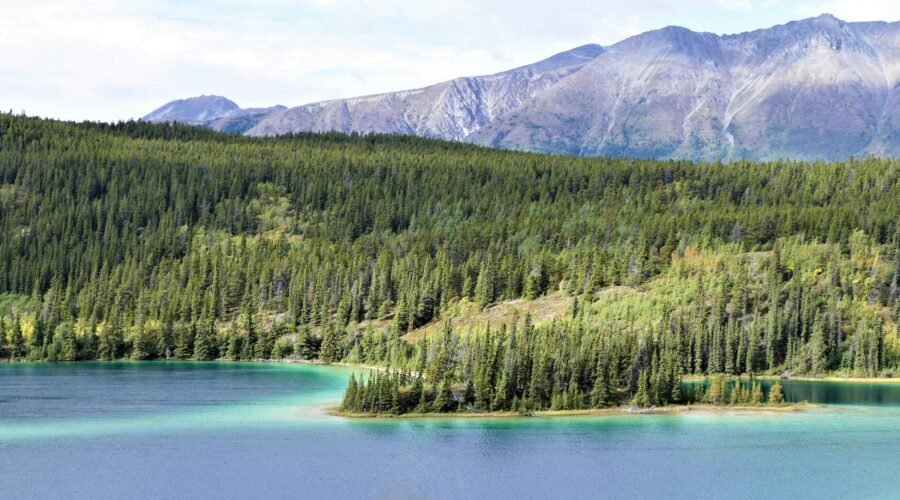
Heading to the Yukon? You’re in for a treat, but let’s be real – it’s not like planning a beach vacation. The key factors to consider are weather, crowds, and cost. In short, expect wild weather swings, fewer crowds outside of peak summer, and a higher price tag than many destinations. Now, let’s dig into the details so you can plan your adventure wisely.
The Yukon’s weather is a big part of its charm and its challenge. It’s often described as “four seasons in one day,” and that’s not an exaggeration. Don’t underestimate it – proper gear is non-negotiable.
1.1 Summer (June – August): Land of the Midnight Sun
Summer is when most people visit, and for good reason. The days are incredibly long, sometimes with 24 hours of daylight around the summer solstice. This gives you ample time for exploration.
- Temperatures: Daytime averages range from 18°C to 25°C (64°F to 77°F), but can dip to 5°C (41°F) or even lower at night, especially at higher elevations or in early June/late August. Record highs can creep into the low 30s°C (80s°F), so don’t completely discount warm weather gear.
- Rainfall: Summer is also the wettest season. Expect intermittent showers, sometimes heavy. A good waterproof jacket and pants are essential – not just for rain, but for wind protection too.
- Mosquitoes & Black Flies: Oh, they’re prolific. Especially in July and early August, near water. Pack strong insect repellent with DEET, head nets are not a bad idea for some, and long sleeves/pants are your best defense.
- What to Pack: Layers, layers, layers! Think moisture-wicking base layers, fleece or wool mid-layers, and a waterproof/windproof outer shell. Sturdy hiking boots are a must. Don’t forget a wide-brimmed hat, sunglasses (even at midnight!), and plenty of sunscreen.
1.2 Autumn (September – October): Golden Hues and Northern Lights
Autumn is a spectacular time if you’re chasing the Northern Lights and love fall foliage. The crowds thin out, and the air becomes crisp.
- Temperatures: Expect a rapid cool-down. September daytime highs are often 10°C to 15°C (50°F to 59°F), dropping to near freezing at night. By October, daytime highs are usually single digits Celsius (40s°F), with nighttime lows well below freezing. Snow can fall anytime from mid-September onwards.
- Rain/Snow: A mix of rain and snow is common. Be prepared for wet conditions, which can quickly turn icy.
- Northern Lights: This is prime viewing season as the nights get longer and darker.
- What to Pack: Heavier mid-layers (down jacket or warm synthetic insulation), thermal underwear, waterproof and insulated boots, warm hat, gloves, and a scarf. A headlamp is also very useful for early darkness.
1.3 Winter (November – March): A Frozen Wonderland
Winter in the Yukon is an experience unto itself. It’s harsh but incredibly beautiful, with opportunities for unique activities like dog sledding and ice fishing. It’s also prime Northern Lights viewing.
- Temperatures: Seriously cold. Daytime highs can hover around -10°C to -25°C (14°F to -13°F), with nighttime lows routinely dropping to -30°C to -40°C (-22°F to -40°F) or even colder during cold snaps. Wind chill can make it feel even more extreme.
- Snowfall: Expect significant snowfall. Roads are generally well-maintained, but fresh snow can impact travel.
- Daylight: Very short days, especially around the winter solstice (late December), with only a few hours of twilight.
- What to Pack: Think extreme cold weather gear. Multiple layers are critical. You’ll need a heavy-duty, insulated parka (rated for -40°C/-40°F), insulated snow pants, thermal base layers, wool sweaters, balaclava, goggles, mittens (warmer than gloves), and well-insulated, waterproof winter boots (like Sorel or Baffin). Hand and foot warmers are a good idea. Seriously, no cotton for anything touching your skin!
1.4 Spring (April – May): Thaw and Awakening
Spring is a transition period. The snow begins to melt, and life slowly emerges from winter’s grip. It’s often muddy and can be less predictable.
- Temperatures: April sees daytime temperatures around 0°C to 10°C (32°F to 50°F), with nights still below freezing. By May, daytime highs reach 10°C to 15°C (50°F to 59°F), and nights start to stay above freezing.
- Conditions: Expect a lot of melting snow and mud. Roads can be soft and trails wet. Lakes and rivers start to thaw, which can be dangerous.
- What to Pack: Waterproof hiking boots are paramount. Layers are still crucial, as temperatures can fluctuate wildly. A good waterproof and windproof jacket is essential.
If you’re planning a trip to the Yukon, it’s essential to consider not only the best time to visit based on weather, crowds, and costs but also to learn more about the unique experiences the region has to offer. For additional insights into travel planning and tips for exploring the Yukon, you can check out this informative article on the Lele Tours website. For more details, visit Lele Tours.
2. Understanding Crowds: Finding Your Solitude
The Yukon is vast, and “crowds” are relative. You’ll rarely feel overwhelmed, but there are definitely busier periods and places.
2.1 Summer Peak Season (July – Mid-August)
This is when the Yukon sees the most visitors, particularly around Whitehorse and Dawson City.
- Visitor Types: Families on summer holidays, RVers, international tourists, and hikers.
- Impact: Lodging in popular spots (Whitehorse, Dawson City, along the Alaska Highway) can book up months in advance. Campsites, particularly those with services, fill quickly, especially on weekends. Popular hiking trails might see more people, but it’s still far from metropolitan levels. Attractions like the S.S. Klondike or the Commissioner’s Residence will have queues. Car rental availability can be tight and prices higher.
- When to Book: Book accommodations and rental cars at least 3-6 months out for July/August. Tour operators also fill up.
2.2 Shoulder Seasons (May, June, late August, September, October)
These are fantastic times to visit if you want fewer people and often better prices (especially for accommodation outside of popular Northern Lights tours).
- May/Early June: Before the main summer rush. Trails can still be wet or snowy at higher elevations. Lodging is easier to find.
- Late August/September: The “sweet spot” for many. Fall colours emerge, Northern Lights start, and summer crowds dissipate. Lodging can still be busy if Northern Lights tourism operators are active, but otherwise generally good.
- October: Significantly quieter. Many seasonal businesses start to close. If you’re focused purely on Northern Lights and don’t mind fewer services, it’s a great time.
- Camping: Campsites are much easier to find, and some government campgrounds convert to self-registration.
2.3 Winter (November – April)
The quietest time overall, except for specific Northern Lights-focused camps or tours.
- Visitor Types: Dog sledding enthusiasts, ice fishers, cross-country skiers, and dedicated Northern Lights tourists.
- Impact: You’ll encounter very few other travellers outside of Whitehorse. Many seasonal businesses are closed. However, winter activity operators (dog sledding, snowmobiling) can be fully booked, so plan if you want those experiences.
- When to Book: If you’re looking for an organized winter tour, book well in advance. Individual accommodation in Whitehorse is usually easier to come by.
3. Demystifying Yukon Costs: Prepare Your Wallet

The Yukon is expensive. There’s no sugarcoating it. Remote location, shorter seasons, and logistical challenges all contribute to higher prices for just about everything.
3.1 Accommodation
This will likely be one of your biggest expenses.
- Hotels/Motels: In Whitehorse, expect to pay CAD $180-$300+ per night for a standard hotel room, especially in summer. Dawson City can be similar, sometimes even higher due to limited options. Smaller towns will have fewer choices and still be in the CAD $150-$250 range.
- B&Bs/Guesthouses: Often a good value, around CAD $150-$250, sometimes including breakfast.
- Cabins: Self-catering cabins can range from CAD $150-$300+, depending on amenities and location.
- Camping: The most budget-friendly option.
- Government Campgrounds (Yukon Parks): CAD $12 per night. Simple amenities (outhouse, fire pit, sometimes wood). Free in winter (many have gates closed, but you can usually access).
- Private Campgrounds/RV Parks: CAD $30-$60+ per night for full hookups.
- Random Camping/Boondocking: Free, but you need to understand local regulations and respect private land/ecological sensitivities. Often found on gravel pits or old spur roads off main highways.
3.2 Transportation
Getting around is essential.
- Flights: Flights to Whitehorse (YXY) are often expensive, especially from international destinations. Expect CAD $500-$1000+ return from major Canadian cities, more from the US or Europe. Booking far in advance is crucial.
- Car Rentals: This is a major cost.
- Sedan: CAD $100-$180+ per day in summer.
- SUV/4×4: CAD $150-$250+ per day. Essential if you plan to drive on unpaved roads (e.g., Dempster Highway, Campbell Highway). Note: Some rental companies prohibit their 2WD vehicles on gravel roads, or charge extra for “gravel road insurance.” Read the fine print carefully. Rental availability can be very limited in summer, winter, and even shoulder seasons. Book early.
- Fuel (Gasoline): Significantly more expensive than southern Canada. Expect CAD $1.80-$2.30+ per litre, increasing the further you get from Whitehorse. Factor this into your budget, especially for long drives.
- Buses/Shuttles: Limited public transport outside Whitehorse. Shuttles exist for specific tours or routes (e.g., from Whitehorse to Skagway), but they’re not a comprehensive network.
- RV/Campervan Rentals: Very popular, but also very expensive. Expect CAD $250-$500+ per day, plus mileage charges, insurance, fuel, and campground fees. These book up a year in advance for summer.
3.3 Food & Drink
Dining out and groceries come with a northern premium.
- Groceries: Expect prices 20-50% higher than in Vancouver or Toronto. Fresh produce, in particular, can be quite expensive. Whitehorse has larger grocery stores (Superstore, Save-On-Foods) with wider selections. Dawson City has smaller, more expensive options.
- Restaurants:
- Casual Cafes/Diners: CAD $18-$30 for a main dish.
- Mid-Range Restaurants: CAD $25-$45+ for a main.
- Alcohol: Significantly more expensive in bars and restaurants due to Yukon liquor regulations and taxes. Expect CAD $9-12 for a pint of domestic beer, higher for craft or spirits.
- Cooking Your Own: If you’re on a budget, self-catering (camping or accommodations with kitchens) will save you a lot. Stock up in Whitehorse if heading out into more remote areas.
3.4 Activities & Tours
The Yukon offers amazing experiences, but they come at a cost reflecting specialized gear, guides, and logistics.
- Hiking: Generally free, aside from park admission (if applicable).
- Canoeing/Kayaking: Rentals range from CAD $50-$100+ per day. Guided trips can be hundreds or thousands depending on duration.
- Wildlife Viewing Tours: CAD $100-$300+ for half-day to full-day excursions.
- Northern Lights Tours: CAD $90-$150+ per person for a short evening viewing tour, or several hundreds for multi-day packages including accommodation and activities.
- Dog Sledding: A bucket-list item, but expensive. CAD $200-$500+ for a half-day or full-day experience, ranging into thousands for multi-day expeditions.
- Museums/Attractions: Typically CAD $10-$20 entry fees.
- Fishing/Hunting Licenses: Necessary if you plan these activities, costs vary significantly.
3.5 Saving Money
- Travel in Shoulder Seasons: Fewer crowds, often slightly lower accommodation prices.
- Camp: If you’re comfortable, camping is by far the cheapest accommodation option.
- Cook Your Own Meals: Grocery shopping and prepping your own food will save a fortune over eating out.
- Limit Alcohol: The cost adds up quickly.
- Book Well in Advance: Applies to flights, rental cars, and popular tours, particularly in summer and for winter Northern Lights experiences. Last-minute bookings are often more expensive or impossible.
- Travel with Others: Share costs for accommodation, car rentals, and fuel.
4. Key Travel Logistics: Getting There and Around

Planning your journey within the Yukon is crucial, as distances are vast and services can be sparse.
4.1 Major Entry Points
- Whitehorse (Erik Nielsen Whitehorse International Airport – YXY): This is the main gateway. Air Canada, WestJet, and Yukon’s own Air North fly here from major Canadian cities.
- Driving: The Alaska Highway is the primary overland route, either from British Columbia/Alberta or Alaska. Be prepared for long stretches between services.
4.2 Transportation Between Towns
- Rental Car: The most flexible and recommended option for exploring outside Whitehorse. As mentioned, assess your needs for 2WD vs. 4×4.
- Greyhound (now Ebus in some parts of Western Canada) / Bus Services: Limited options. Check specific routes and schedules.
- Air North: Offers flights between Whitehorse and Dawson City, Inuvik (NWT), and Old Crow. Handy for covering vast distances quickly.
- Hitching: Not recommended as a primary mode of transport due to long distances and low traffic volume.
4.3 Road Conditions
| Month | Weather | Crowds | Costs |
|---|---|---|---|
| June | Mild temperatures, long days | Peak tourist season, crowded | High costs for accommodations |
| July | Warmest month, wildflowers in bloom | Peak tourist season, crowded | High costs for accommodations |
| August | Mild temperatures, fall colors start | Peak tourist season, crowded | High costs for accommodations |
| September | Cooler temperatures, fall foliage | Decreasing crowds | Lower costs for accommodations |
| October | Cool temperatures, chance of snow | Lowest tourist season, less crowded | Low costs for accommodations |
- Paved Highways: Most main arteries (Alaska Highway, Klondike Highway to Dawson) are paved and generally well-maintained.
- Gravel Roads: Many iconic routes (Dempster Highway, Campbell Highway, Canol Road) are gravel. These require a sturdier vehicle, careful driving, and preparedness for flats. Check road conditions before you go, especially in spring (thaw), heavy rain, or winter.
- Winter Driving: If visiting in winter, ensure your rental car has appropriate winter tires (often studded). Drive cautiously; black ice is common. Carry an emergency kit.
If you’re planning a trip to the Yukon, you might also find it helpful to explore the article on travel tips for exploring the Canadian wilderness, which offers insights into the best outdoor activities and hidden gems in the region. Understanding the weather patterns, crowd levels, and costs associated with visiting the Yukon can greatly enhance your travel experience, making it essential to consider all aspects of your journey.
5. Essential Planning Tips for Your Yukon Adventure
A little foresight goes a long way in the North.
5.1 Fuel & Services
- Gas stations can be 100-300 km apart on some highways. Always fill up when you can, even if your tank isn’t empty. Carry an extra fuel can if venturing into truly remote areas (e.g., parts of the Dempster).
- Services like mechanics, medical clinics, and grocery stores are few and far between outside of Whitehorse and a handful of larger communities.
5.2 Communication
- Cell Phone Service: Spotty outside of Whitehorse and larger towns (Dawson, Haines Junction, Watson Lake). Expect large dead zones on most highways. Consider a satellite messenger (e.g., InReach) if you plan on extended backcountry trips or remote road travel.
- Wi-Fi: Available in most hotels and some cafes in larger towns, but can be slow or inconsistent.
5.3 Wildlife Safety
- The Yukon is home to bears (black and grizzly), moose, caribou, wolves, and other wildlife.
- Bear Safety: Carry bear spray (and know how to use it!), make noise on trails, store food properly, and never approach wildlife. Familiarize yourself with bear encounter protocols.
- Driving: Wildlife on the roads is a significant hazard, especially at dawn and dusk. Drive defensively, particularly on highways like the Alaska Highway.
5.4 What to Pack (General Reminders Beyond Weather)
- First-Aid Kit: Comprehensive, including blister treatment, pain relievers, and any personal medications.
- Navigation: Paper maps (Backroad Mapbooks are excellent), GPS device, and a compass. Don’t rely solely on your phone.
- Emergency Kit: For your vehicle (jump starter, spare tire, basic tools, extra fluids, blankets, shovel, traction aids if winter). For yourself (headlamp, fire starter, emergency shelter, whistle).
- Sun Protection: Even with cooler temperatures, the UV index can be high, especially with snow reflection.
- Insect Repellent: As mentioned, essential in summer.
- Reusable Water Bottle: Stay hydrated. Yukon water is generally safe and delicious.
5.5 Respectful Travel
- First Nations Culture: The Yukon has a rich and vibrant First Nations heritage. Take time to learn about and respect local traditions and history. Consider visiting cultural centres or taking guided tours led by First Nations interpreters.
- Leave No Trace: Pack out everything you pack in. Dispose of waste properly. Stay on designated trails.
- Road Etiquette: Pull over to let faster vehicles pass you on gravel roads. Wave to other travellers – it’s a northern tradition.
By keeping these points in mind, you’ll be well-prepared for an incredible and unforgettable journey to the vast, wild, and awe-inspiring Yukon. Enjoy the adventure!
FAQs
1. What is the best time to visit Yukon based on weather?
The best time to visit Yukon based on weather is during the summer months of June to August when the temperatures are milder and the days are longer, allowing for more outdoor activities.
2. When is the peak tourist season in Yukon?
The peak tourist season in Yukon is during the summer months of June to August when the weather is most favorable and many outdoor activities and events are available.
3. When is the off-peak season in Yukon?
The off-peak season in Yukon is during the winter months of November to March when the temperatures are extremely cold and many outdoor activities are limited.
4. What are the costs like during the peak tourist season in Yukon?
During the peak tourist season in Yukon, costs for accommodations, tours, and activities are generally higher due to the high demand.
5. Are there any specific events or festivals that are worth considering when planning a trip to Yukon?
The Yukon International Storytelling Festival in July and the Yukon Riverside Arts Festival in August are popular events worth considering when planning a trip to Yukon during the summer months.


[…] If you’re planning a trip to Denmark, Western Australia, understanding the best time to visit can greatly enhance your experience. For insights on weather patterns, crowd levels, and cost considerations, you might find it helpful to check out a related article on the Yukon, which offers a comprehensive overview of similar factors in a different yet equally captivating destination. You can read more about it in this article: The Ultimate Guide to Visiting Yukon: Weather, Crowds, and Costs. […]
[…] If you enjoy comparing destinations using the same weather, crowd, and cost framework, you can also read The Ultimate Guide to Visiting Yukon: Weather, Crowds, and Costs. […]