


Thinking about visiting Old Crow, Yukon? The best time depends on what you want to see. Summer brings milder weather and nearly endless daylight, while the darker months offer opportunities to watch the Northern Lights. Spring and fall have their own appeal, but changing weather can make travel more challenging.
Old Crow is a small Vuntut Gwitchin community above the Arctic Circle. It is also Yukon’s only community without road access. That makes planning your flights, accommodation and activities just as important as choosing the right month.
Quick Answer
The best time to visit Old Crow, Yukon, for milder weather and outdoor exploration is late June through early August. Choose September for fall scenery and the return of darker nights. Winter offers longer aurora-viewing opportunities but requires serious cold-weather preparation. Whatever the season, arrange flights and accommodation before traveling.
Key Takeaways
- Best for milder weather: Late June through early August.
- Best for the midnight sun: Late May through much of July.
- Best for fall scenery: Late August and early September, depending on conditions.
- Best for dark skies: Fall and winter, when aurora viewing becomes practical again.
- Most important travel consideration: Old Crow has no road connection, and local accommodation is limited.
Best Time to Visit Old Crow, Yukon: Seasonal Overview
There is no single month that suits every traveler. The following comparison will help you choose based on the experience you want.
| Season | Main Attractions | Main Challenges |
|---|---|---|
| June–August | Milder weather, long daylight hours, birds and outdoor activities. | Mosquitoes, limited accommodation and no useful darkness for much of the season. |
| May | Spring migration, increasing daylight and seasonal change. | Unpredictable snow, ice breakup and changing ground conditions. |
| September–October | Fall colors, fewer insects and returning dark skies. | Freezing temperatures, possible snow and limited seasonal activities. |
| November–March | Long nights, winter scenery and potential aurora viewing. | Severe cold, short daylight hours and demanding travel conditions. |
| April | Increasing daylight and late-winter scenery. | Cold weather, changing snow conditions and diminishing aurora darkness. |
Average Monthly Temperatures in Old Crow
Old Crow has long, cold winters and a short summer. The following figures come from Environment and Climate Change Canada’s 1991–2020 climate normals.
These are historical averages, not guaranteed temperatures for your trip.
| Month | Average Daily High | Average Daily Low |
|---|---|---|
| January | -24.6°C | -32.9°C |
| February | -20.8°C | -30.4°C |
| March | -14.7°C | -27.6°C |
| April | -2.8°C | -15.3°C |
| May | 10.2°C | -1.6°C |
| June | 19.3°C | 7.0°C |
| July | 20.4°C | 9.2°C |
| August | 16.1°C | 5.7°C |
| September | 8.1°C | -0.4°C |
| October | -4.4°C | -11.2°C |
| November | -17.6°C | -25.5°C |
| December | -21.4°C | -29.6°C |
Source: ECCC official 1991–2020 data and station inventory (CSV ZIP); location: OLD CROW.
1. Best Overall Time: Late June to Early August
Want the classic Old Crow experience with the mildest weather and long days? Late June through early August is a good starting point.
Summer offers more comfortable conditions for exploring the community, learning about local culture and arranging suitable outdoor activities.
Mildest Weather
June and July are generally the warmest months. Average daily highs reach approximately 19–20°C (66–68°F), although individual days can be warmer or colder.
August remains relatively mild, with an average daily high of about 16°C (61°F).
Nights are cooler, and rain or sudden temperature changes can still occur. Pack layers rather than assuming every day will feel like a typical southern Canadian summer.
One of the most distinctive experiences is the midnight sun. Around the summer solstice, the sun stays above the horizon throughout the day and night.
Check the Old Crow sunrise and sunset calendar to see how daylight changes on your intended travel dates.
Note: Bring a sleep mask if you are sensitive to light. During the midnight sun, darkness will not arrive at your usual bedtime.
Accessible Travel
Old Crow is a fly-in community. The Dempster Highway does not connect to the village, so you cannot drive there.
Parks Canada identifies scheduled air service from Whitehorse, Dawson City and Inuvik. Air North serves Old Crow, but routes, connections and operating days must be checked for your particular dates.
Use the official Air North flight schedule rather than assuming flights operate daily.
The Porcupine River is another important transportation route within the region. Summer boating may be possible, but water levels, weather and local guidance determine whether a particular journey is suitable.
Do not assume that summer eliminates flight delays or river hazards.
Wildlife Viewing Opportunities
Summer is an appealing time for birdwatching and observing northern wildlife.
The nearby Old Crow Flats form an important wetland habitat for migratory waterfowl. The wider region is also associated with the Porcupine Caribou Herd, moose, bears and other northern animals.
However, wildlife sightings are unpredictable.
The Porcupine Caribou Herd travels over a vast area, and its traditional calving grounds extend across the Arctic foothills and coastal plain. A visit to Old Crow does not guarantee a caribou sighting or access to calving areas.
Ask a qualified local guide about current wildlife conditions and suitable viewing opportunities.
Community Events and Cultural Experiences
Old Crow is the home of the Vuntut Gwitchin First Nation, whose relationship with the land, rivers and wildlife remains central to community life.
One of the most useful places to begin your visit is the John Tizya Centre.
The centre features exhibits about Vuntut Gwitchin culture, local history, traditional knowledge and Vuntut National Park.
Interpretive tours may be available by arrangement. Contact the centre before your visit to confirm access and any current programming.
Community gatherings and traditional activities should not be treated as scheduled tourist attractions. If you receive an invitation to an event, follow local guidance and respect the occasion.
Outdoor Activities
Summer can provide opportunities for boating, canoeing, kayaking, walking, photography and guided wilderness experiences.
The long daylight hours give you more flexibility, while the seasonal landscape supports birdwatching and nature observation.
Fishing may also be possible in permitted regional waters, subject to the applicable regulations.
However, all waters within Vuntut National Park are closed to fishing.
Do not assume that a river trip, hiking route or guide will be available simply because you are visiting in summer. Confirm arrangements directly with a local operator.
Warning: Remote river and wilderness travel requires appropriate skills, equipment and emergency planning. Do not attempt an unfamiliar route without reliable local information and a suitable communication plan.
Be prepared for mosquitoes and black flies, particularly in late June and July.
Pack insect repellent, long sleeves and a head net if you expect to spend extended periods outdoors.
Before choosing your dates, consider whether you value warm weather and long daylight more than dark skies and fewer insects. That trade-off matters more in Old Crow than in many other Canadian destinations.
2. Shoulder Seasons: May, September and October
If you prefer a different side of the Arctic, the shoulder seasons deserve consideration.
These months bring dramatic changes in daylight, snow cover and wildlife activity. They can also make travel more complicated, so flexibility is essential.
May: Spring Awakening
May is a transitional month. Snow and ice begin to disappear, the days grow rapidly longer, and the landscape starts changing from winter to summer.
The average daily high is approximately 10°C (50°F), although nights still average below freezing.
Spring breakup can affect river travel and ground conditions. Do not assume that ice is safe to cross or that a boating route is open.
Unique Wildlife Viewing
Spring brings migrating birds and changes in animal activity.
Caribou may be moving north toward their calving grounds, while bears and other animals become more active as the season progresses.
Actual sightings depend on migration routes, weather and local conditions.
Keep your distance from wildlife, especially mothers with young.
Fewer Crowds
May may appeal to visitors who prefer a quieter setting, but Old Crow is a small community with limited tourism infrastructure throughout the year.
There is no reliable monthly visitor dataset establishing exactly how much quieter May is than summer.
More importantly, available accommodation, guides and services may be limited during seasonal transitions.
Potential for Northern Lights
May is not a practical month to choose specifically for aurora viewing.
Old Crow’s daylight hours increase rapidly through spring, and the midnight sun arrives during the latter part of May.
The aurora may occur above the atmosphere, but a sky that never becomes dark enough makes it difficult or impossible to observe.
Choose a darker season if the Northern Lights are your main reason for traveling.
September: Autumn Colors and Early Aurora
September combines fall scenery with the return of darker nights.
It is worth considering if you want to experience the transition from the short northern summer toward winter.
Spectacular Fall Foliage
The tundra and surrounding vegetation can develop rich shades of red, orange and yellow during the fall transition.
The exact timing changes with temperature and seasonal conditions. Late August and early September are useful periods to consider, but the landscape will not look identical every year.
Photography opportunities can be excellent when clear weather and fall color coincide.
Excellent Aurora Viewing
September brings the return of darker nights, making aurora viewing possible again.
Visibility still depends on solar activity, cloud cover and the amount of darkness available on your travel dates.
Later September generally provides more darkness than early September.
Do not plan an entire trip around a guaranteed display. Even during the darker months, the Northern Lights may not be visible on a particular night.
Fewer Insects
Cooler temperatures usually reduce mosquito and black fly activity compared with the height of summer.
Some insects may remain active during milder periods, so packing repellent is still sensible.
Moderate Temperatures
September is noticeably colder than July or August.
The average daily high is approximately 8°C (46°F), while the average daily low is slightly below freezing.
Snow is possible, and conditions can change quickly. Bring warm layers, waterproof outerwear and suitable footwear.
October: Winter’s Approach
By October, Old Crow has moved into much colder conditions.
The average daily high is approximately -4°C (24°F), and the average low is around -11°C (12°F).
Snow, ice and freezing temperatures become important factors when planning activities.
Aurora Viewing and Budget Considerations
October provides longer periods of darkness than September, making it an appealing month for visitors interested in the Northern Lights.
However, October is not automatically cheaper than summer or winter.
Airfare depends on the available flights and fare conditions. Accommodation and guide prices also need to be checked individually.
Compare actual quotations rather than relying on a general shoulder-season discount.
A Quiet Travel Experience
October can offer a peaceful Arctic setting, although no verified figures establish it as Old Crow’s quietest tourism month.
The practical challenge is that some activities may not operate during the transition into winter.
Confirm that your intended experience is available before committing to travel dates.
Early Winter Activities
Snowshoeing, skiing and winter photography may become possible as snow accumulates.
The Porcupine River also begins its seasonal transition toward winter conditions.
Do not treat newly formed river ice as safe. Ice conditions must be assessed locally before any activity involving frozen waterways.
3. Winter in Old Crow: December and January
For travelers interested in Arctic winter scenery and the Northern Lights, December and January provide a very different experience from summer.
These are demanding months, with extreme cold and limited daylight.
The winter solstice occurs in December, while daylight gradually increases again during January.
Prime Aurora Viewing
Long periods of darkness provide more opportunities to look for the aurora.
December is particularly distinctive because Old Crow experiences polar night around the winter solstice, when the sun does not rise above the horizon.
There can still be periods of twilight around midday.
Remember that darkness alone does not guarantee a display. Solar activity and clear skies are also necessary for a successful viewing experience.
Extreme Cold
Winter temperatures are severe.
Environment and Climate Change Canada’s climate normals show an average daily high of approximately -21°C (-7°F) in December and -25°C (-12°F) in January.
Average nighttime temperatures are even lower, and individual cold spells can be substantially colder.
Wind can further increase the risk of frostbite and hypothermia.
Warning: Winter travel requires clothing and equipment suitable for severe Arctic cold. Exposed skin, inadequate footwear and poor emergency preparation can become dangerous quickly.
Limited Daylight
December has exceptionally little direct sunlight, with polar night occurring around the solstice.
January gradually brings longer days, but daylight remains limited compared with spring and summer.
Plan sightseeing and outdoor activities around the available light rather than assuming normal daytime conditions.
Winter Activities
Depending on local operators and conditions, winter experiences may include dog sledding, snowshoeing, cross-country skiing, ice fishing and guided excursions.
These activities are not guaranteed to operate on every date.
Arrange a suitable local guide and confirm what equipment, transportation and safety support are included.
For ice fishing, verify the applicable local regulations and remember that fishing is prohibited in Vuntut National Park waters.
Higher Costs and Limited Travel Flexibility
Winter travel can involve additional costs for cold-weather equipment, specialized guiding and unexpected overnight stays if transportation is disrupted.
However, there is no verified basis for claiming that winter airfare is always higher or that every winter route operates less frequently than in summer.
Check the current timetable and allow flexibility around connections.
Pro Tip: Avoid a tightly scheduled onward flight after leaving Old Crow. A flexible connection or an additional night in your travel hub can reduce the consequences of a weather-related delay.
4. Transition Months: April and November
April and November sit between the main travel seasons.
Both can provide interesting scenery, but neither should be treated as a predictable combination of summer and winter conditions.
April: Late Winter and Early Spring
April remains cold, although daylight increases rapidly.
The average daily high is approximately -3°C (27°F), and nights are much colder.
Increased Daylight
The lengthening days provide more daylight for suitable outdoor activities.
April may appeal to travelers who want to experience a northern winter landscape without December’s extremely short days.
Still Possible to See the Aurora
Aurora viewing may still be possible in early April when sufficient darkness remains.
As the month progresses, the brighter nights reduce the available viewing window.
If seeing the Northern Lights is your primary goal, check the daylight calendar before choosing April dates.
Changing Snow and Ice Conditions
Late-winter conditions can begin changing as temperatures rise.
Snow may soften, and river ice can become unreliable during the seasonal transition.
Never assume ice is safe based on the calendar or on its appearance.
November: Early Winter
November brings shorter days, freezing temperatures and the return of a more established winter landscape.
The average daily high is approximately -18°C (0°F).
Consistent Darkness for Aurora Viewing
November offers long, dark nights suitable for looking for the aurora when sky conditions cooperate.
It may be less cold than January on average, but temperatures remain severe.
Winter Wonderland
Snow-covered scenery, frozen ground and low-angle daylight can create striking photographic conditions.
Actual snow cover and weather vary from year to year.
Transition in Services
Guided activities and other visitor services may change as the community moves into winter.
Confirm bookings directly rather than assuming a summer activity remains available in November.
For any seasonal visit, the most useful travel resources are the current airline schedule, local accommodation contacts and official Parks Canada information.
5. Cost Considerations
Understanding the financial side of a trip to Old Crow is essential.
Its remote location and limited services make advance planning especially important, but seasonal prices cannot be predicted reliably without actual quotations.
Accommodation
Old Crow has a small accommodation market. Availability can be limited, and published listings may not reflect what is currently operating.
Do not assume that a property is available because it appears in an older travel guide.
The John Tizya Centre is a cultural and visitor information facility, not a confirmed hotel or lodge.
Contact local accommodation providers directly and obtain confirmation before purchasing a non-refundable flight.
For current visitor information, the John Tizya Centre listing provides contact details.
When booking, ask whether meals, airport transportation and other services are included.
Flights
Air travel is the normal way to reach Old Crow.
Air North provides booking and flight-schedule information for its northern network.
Use the official booking page to check prices for your actual travel dates.
Peak Season: June–August
Summer is appealing because of the weather and long daylight hours.
Book early enough to coordinate flights, accommodation and any guided experiences.
Do not assume that a particular fare will remain available while you arrange the rest of your trip.
Shoulder Seasons: May, September and October
These months may offer different booking opportunities, but lower prices are not guaranteed.
Compare the complete cost of your trip, including the availability of accommodation and activities.
Winter: November–April
Winter airfare can vary with the route and available seats.
Also account for cold-weather gear, guiding arrangements and possible changes to your itinerary.
A cheaper ticket is not necessarily the cheaper trip if it creates a difficult connection or additional overnight expense.
Guided Tours and Activities
Local knowledge is especially valuable in the Old Crow region.
Guides can help visitors understand the landscape, cultural context and practical risks associated with remote outdoor activities.
Summer: Availability and Demand
Summer may provide a wider range of suitable outdoor conditions.
Nevertheless, guide availability must be confirmed. Do not assume that a boat charter or cultural tour operates every day.
Shoulder Seasons: Flexible but Unpredictable
Changing snow, ice and river conditions may influence what an operator can safely offer.
Ask about alternative activities and cancellation terms before booking.
Winter: Specialized Experiences
Winter guiding may require specialist equipment and additional safety planning.
Request a clear quotation showing transportation, equipment, activity duration and any additional costs.
Food and Supplies
Old Crow’s remote location affects access to groceries and other supplies.
Parks Canada identifies the Old Crow Northern Store among the community’s services, but visitors should not assume that every preferred item will be available.
Budget for food, confirm meal arrangements with your accommodation provider and bring appropriate personal essentials.
If carrying food or other supplies by air, check airline baggage and dangerous-goods restrictions first.
6. How to Get to Old Crow, Yukon
Getting to Old Crow requires more planning than an ordinary road trip.
The community has no road connection. Most visitors arrive by scheduled aircraft.
According to Parks Canada, scheduled air service connects Old Crow with Whitehorse, Dawson City and Inuvik.
The Dempster Highway lies well away from the community and does not provide a driving route into the village.
How to Organize Your Trip
- Choose your season. Decide whether your priority is milder weather, fall scenery, cultural experiences or dark skies.
- Check flights. Find actual operating dates and suitable connections.
- Confirm accommodation. Obtain a confirmed place to stay before finalizing non-refundable travel.
- Arrange activities. Contact local operators about availability and weather requirements.
- Check restrictions. If visiting Vuntut National Park, arrange the required permits and registration.
- Prepare for delays. Keep sufficient flexibility, essential medication and appropriate clothing with you.
7. Visiting Vuntut National Park from Old Crow
Vuntut National Park is one of the most remote wilderness areas in Canada.
Old Crow is the closest community, but the park is approximately 50 kilometres away by air or 190 kilometres by river.
The park has no established visitor facilities or developed access infrastructure.
A village visit and a wilderness expedition are therefore two very different experiences.
Permits and Registration
Parks Canada requires permits for certain activities, including overnight backcountry use, camping and aircraft landings.
Overnight visitors must register before their trip and deregister when they return.
Aircraft landing permits require advance planning. Parks Canada advises applying three months before the intended trip.
Read the official Vuntut National Park visitor guidelines before arranging a wilderness expedition.
Important Park Restrictions
- Fishing is prohibited in park waters.
- Wildlife must not be fed, harassed or approached.
- Natural and cultural objects must not be removed.
- Garbage must be packed out.
- Firearms are not permitted.
- Activities requiring permits must be authorized before the trip.
These park rules should not be confused with regulations governing other lands and waters around Old Crow.
8. Safety and Packing Tips for Every Season
Even a short trip deserves careful preparation because Old Crow is remote and weather conditions can change quickly.
Summer Packing Essentials
- Waterproof jacket and suitable footwear.
- Warm layers for cool evenings.
- Insect repellent and a head net.
- Sun protection and a sleep mask.
- Personal medication and essential supplies.
- Appropriate equipment for any booked outdoor activity.
Winter Packing Essentials
- Insulated winter parka and thermal layers.
- Insulated boots suitable for extreme cold.
- Warm mittens and spare gloves.
- Face protection and insulated headwear.
- Cold-weather emergency supplies.
- Suitable lighting and spare power sources.
Backcountry Communication and Emergency Planning
For wilderness trips, Parks Canada recommends reliable communication equipment, including satellite-based devices.
Cellular service should not be treated as a dependable substitute for an appropriate backcountry communication system.
Share your itinerary, travel route and expected return time with the relevant contacts.
Know how to request assistance and understand that emergency response may be delayed by distance and weather.
Warning: Parks Canada states that wilderness travelers in Vuntut National Park must be prepared to handle emergencies independently. Rescue assistance can be delayed for days. Do not undertake an independent expedition without the necessary experience, equipment and emergency arrangements.
Respecting Wildlife and the Community
Keep a safe distance from bears, moose, caribou and other wildlife.
Store food appropriately and follow official bear-safety advice.
Ask permission before photographing residents, private property or community activities.
Respect local guidance and remember that Old Crow is a living community, not simply a tourist attraction.
Ultimately, your ideal time to visit Old Crow depends on your priorities. Summer provides the mildest conditions and extraordinary daylight. September brings fall scenery and darker nights. Winter offers a striking Arctic experience, provided you are prepared for the cold. Whatever you choose, confirm transportation, accommodation and activities before setting out.
Frequently Asked Questions
What is the best time to visit Old Crow, Yukon, for favorable weather?
June through August offers the mildest weather. Late June through early August is a useful period for outdoor exploration, with July having the highest average daily temperature.
When is the best time to visit Old Crow to avoid crowds?
May, September and October may suit travelers seeking a quieter seasonal experience. However, monthly visitor figures are not established, and accommodation remains limited throughout the year. Confirm availability before booking.
What is the peak tourist season in Old Crow?
Summer is the main season to consider for milder weather and long daylight hours. However, Old Crow is a small, remote destination, and verified monthly tourism figures are not available to establish a precise peak period.
When is the best time to visit Old Crow to save on costs?
There is no verified month that consistently provides the lowest total travel cost. Compare actual flight prices, accommodation availability and guide quotations. Allow for possible delays and additional overnight expenses.
What are the typical weather conditions throughout the year?
Old Crow has long, cold winters and a short summer. Average daily highs are approximately 20°C in July, 8°C in September and -25°C in January. Actual temperatures vary, so check the forecast before departure.
Can you drive to Old Crow, Yukon?
No. Old Crow has no road connection. Most visitors arrive by aircraft. The Dempster Highway does not reach the community.
Can you see the Northern Lights in Old Crow during summer?
The midnight sun and bright summer nights prevent practical aurora viewing for much of the season. Darker nights return later in summer, with longer viewing opportunities through fall and winter. Aurora visibility is never guaranteed.
Do you need a permit to visit Vuntut National Park?
Certain activities require permits, including overnight backcountry use, camping and aircraft landings. Overnight visitors must register before their trip and deregister afterward. Check current Parks Canada requirements before arranging an expedition.
Sources
- ECCC official 1991–2020 data and station inventory (CSV ZIP); location: OLD CROW — official 1991–2020 historical temperature data.
- Parks Canada — Getting to Vuntut National Park — Old Crow access, transportation and park location.
- Parks Canada — Visitor Guidelines — permits, registration and park restrictions.
- Parks Canada — Visitor Safety Information — wildlife, communications and emergency preparation.
- Travel Yukon — John Tizya Centre — cultural interpretation and visitor information.
- Air North — Flight Schedules — current flight planning and schedule verification.

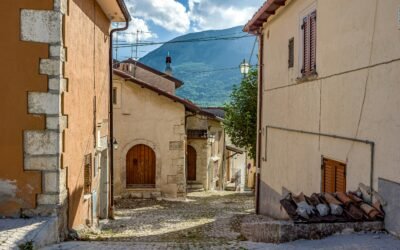

[…] Old Crow, Yukon […]