

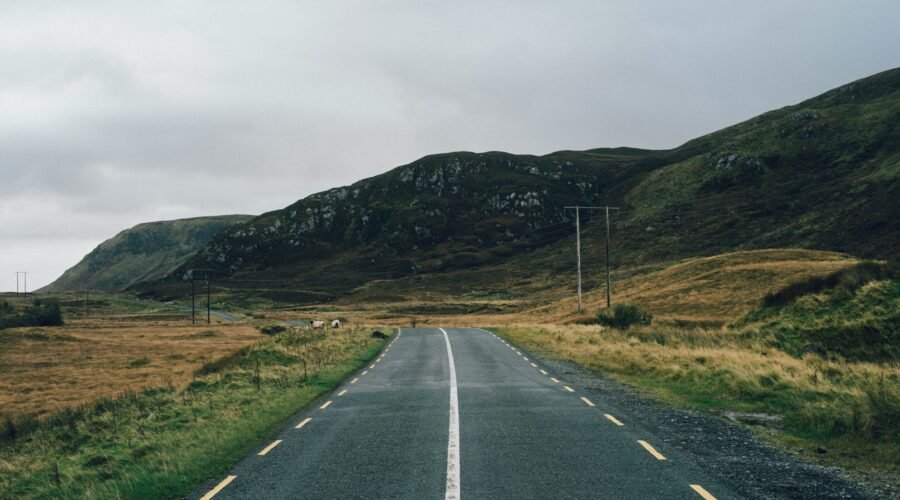
So, you’re thinking about heading to Mayo, Yukon? That’s a great choice for an adventure off the beaten path. Deciding when to go can make a big difference to your experience, and it’s not just about the weather. We’ll break down the best times to visit Mayo, looking at what the skies will likely be doing, how busy it might be, and what your wallet might feel like.
Understanding Mayo’s Climate: A Tale of Two Seasons
Mayo, like much of the Yukon, experiences a subarctic climate. This means you can expect some pretty dramatic swings between summer and winter. Knowing these extremes is key to picking the right time for your kind of trip.
Summer: The Land of the Midnight Sun (and Mosquitoes!)
Summer in Mayo, roughly from June to August, is characterized by long daylight hours, a significant thaw, and a burst of activity in the natural world.
June: The Transition and the Light Show
June is when Mayo really shakes off the last vestiges of winter. The snow melts away, the rivers start flowing freely, and the landscape begins to green up.
- Daylight: This is prime time for experiencing the “midnight sun.” You’ll have almost 24 hours of daylight, meaning incredibly long days for exploring. This can be both a blessing and a curse if you’re not used to it – bring an eye mask!
- Temperatures: Expect average daily temperatures to hover around 10-15°C (50-59°F). It can get warmer, sometimes into the low 20s°C (low 70s°F), but cooler days are also common, especially early in the month. Nights can still drop to near freezing, so layering is essential.
- Nature: Wildflowers start to bloom, and the birds are in full song. It’s a vibrant time for observing wildlife activity.
- Challenges: This is also peak mosquito season. Be prepared with good insect repellent and consider wearing protective clothing.
July: The Warmest Month
July is generally considered the warmest month in Mayo, offering the most comfortable temperatures for outdoor pursuits.
- Daylight: Still plenty of daylight, though slightly less than in June. The sun is high, and days are long and pleasant.
- Temperatures: Average daily highs are around 15-20°C (59-68°F). You might encounter heatwaves where temperatures can climb into the mid-to-late 20s°C (mid-to-late 70s°F). Nights are cool, often between 5-10°C (41-50°F).
- Outdoor Activities: This is the prime time for hiking, fishing, canoeing, and exploring the surrounding wilderness. The ground is usually dry enough for most trails.
- Wildlife: July is excellent for spotting wildlife as they are actively foraging for food.
August: A Taste of Autumn and Emerging Colours
August brings a subtle shift in Mayo’s summer. The days start to shorten, and a hint of autumn creeps into the air.
- Daylight: Daylight hours are decreasing but still generous, offering ample time for activities.
- Temperatures: Early August is often similar to July, with average highs around 15-20°C (59-68°F). As the month progresses, you’ll notice a cooling trend, with temperatures starting to drop. Frost is possible by the end of August and into September.
- Scenery: The landscape begins to show subtle hints of colour change, particularly in the vegetation. Berry picking often starts in late August.
- End of Mosquito Season: Mosquitoes tend to become less of a nuisance as the month progresses, especially with cooler evenings.
Winter: The Realm of the Aurora and Deep Freeze
Winter in Mayo, from roughly November to March, is characterized by extreme cold, heavy snowfall, and the magical spectacle of the Northern Lights.
November to February: The Heart of Winter
These months represent the deepest part of Mayo’s winter, defined by consistent cold and long nights.
- Daylight: Days are very short. In December and January, you’ll experience only a few hours of twilight each day. This makes planning activities around daylight crucial.
- Temperatures: Expect average daily temperatures to be well below freezing, often in the -20°C to -30°C (-4°F to -22°F) range. It’s not uncommon for temperatures to plummet to -40°C (-40°F) or even lower, especially with wind chill. Proper layering and warm gear are absolutely non-negotiable.
- Snowfall: Significant snowfall is common, blanketing the landscape and creating ideal conditions for winter sports.
- Aurora Borealis: This is prime viewing time for the Northern Lights. The long, dark nights provide the perfect canvas for this natural phenomenon. You’ll need clear skies for the best chances.
- Activities: Snowmobiling, cross-country skiing, ice fishing, and dog mushing are popular winter pastimes.
March: A Glimmer of Spring
March in Mayo is a transitional month, still very much winter but with the first subtle signs of the coming spring.
- Daylight: Daylight hours start to noticeably increase, offering more time for outdoor activities.
- Temperatures: While still very cold, average temperatures begin to moderate slightly compared to January and February. You’ll still experience deep freezes, but the extreme lows may become less frequent.
- Snow Conditions: Snow cover is still abundant, often at its peak, making it excellent for winter sports. However, you might start to see some thawing during the warmest parts of the day, especially later in the month.
- Aurora Viewing: While still possible, the increasing daylight hours mean your chances of seeing the aurora will gradually decrease as March progresses.
Shoulder Seasons: Sweet Spots Between Extremes
If you’re looking to avoid the peak of summer crowds and the harshest of winter cold, the shoulder seasons offer a compelling alternative.
April & May: Thawing and Awakening
These months mark the transition from winter to summer. It’s a time of significant change.
- Daylight: Daylight hours are rapidly increasing. By May, you’ll have significantly more light than in the winter months.
- Temperatures: April is still very much winter-like in terms of what you should pack, with freezing temperatures being common. May sees a significant thaw, with average temperatures becoming more pleasant, though nights can still be chilly. Expect frost to persist into May.
- Landscape: The landscape is transitioning. Rivers may still be frozen or just beginning to break up. Ground can be muddy and wet as snow melts. Early wildflowers might appear in late May.
- Challenges: This is spring breakup, which can make travel challenging. Roads can be soft and muddy. Some trails may be inaccessible due to snowmelt. Mosquitoes begin to emerge in late May.
September & October: Autumn’s Descent
Following summer, these months bring a beautiful, but colder, shift.
- Daylight: Daylight hours are decreasing rapidly. By October, you’ll have much shorter days and longer nights.
- Temperatures: September can still offer pleasant, crisp days, with average highs around 10-15°C (50-59°F). Nights will start to get cold, dropping near or below freezing. October sees a definite drop in temperature, with snow becoming more likely. Average highs might be 5-10°C (41-50°F).
- Scenery: This is arguably one of the most visually stunning times. The deciduous trees and shrubs turn vibrant shades of red, orange, and yellow, creating breathtaking landscapes.
- Wildlife: Many animals are preparing for winter, and you might see increased activity. Bear sightings are possible as they gorge on berries before hibernation.
- Aurora Potential: As nights lengthen and temperatures drop, the chances of seeing the aurora increase in late September and October, especially if the skies are clear.
If you’re planning a trip to Mayo, Yukon, it’s essential to consider not only the best time to visit but also how to make the most of your experience. For more insights on travel planning, including tips on accommodations and local attractions, check out our related article on travel essentials at Lele Tours. This resource can help you navigate your journey and ensure a memorable adventure in this beautiful region.
Navigating Crowds: When to Expect Company
Mayo is not typically a bustling tourist destination, so “crowded” is a relative term here. However, there are definitely periods when you’ll encounter more fellow travellers.
Peak Season: Summer Buzz
The summer months, specifically July and August, are when Mayo sees the most visitors.
- Why it’s busy: The warmer weather, longer daylight hours, and accessibility of roads make this the most inviting time for exploration. Tourists and locals alike are out enjoying the outdoors.
- What to expect: While not packed like a major city, you might find accommodations are more booked up, and popular spots could have a few more people. Booking accommodation and any desired tours in advance is a good idea.
- Impact on experience: The atmosphere is generally more lively. You’ll have more opportunities to connect with other travellers and locals.
Shoulder Season: Quieter Exploration
The shoulder months – late May to June and September to early October – offer a balance between decent weather and fewer people.
- Why it’s appealing: You get a good taste of what the Yukon has to offer without the peak season hustle. The scenery can be particularly beautiful during these times (spring bloom or autumn colours).
- What to expect: Accommodation availability is generally good. You’ll have more flexibility with bookings. Some seasonal services might still be operating, but others may be winding down or starting up.
- Impact on experience: You’ll likely feel like you have more of the wilderness to yourself. It’s a more intimate experience with nature.
Off-Season: Embracing Solitude and the Cold
The true off-season in Mayo centres around the harsh winter months, from November to March, excluding any specific winter festivals.
- Why it’s quiet: The extreme cold and limited daylight hours deter most casual travellers. Only those with a specific purpose, like aurora hunting or winter sports enthusiasts, are likely to visit.
- What to expect: You’ll likely encounter very few other tourists. Many local businesses and services might have reduced hours or be closed altogether. Accommodation options will be limited and might require advance booking even then.
- Impact on experience: This is the time for true solitude. You’ll experience Mayo at its most stark and potentially most beautiful, with vast snow-covered landscapes and the magic of the Northern Lights. It requires careful planning and self-sufficiency.
Considering Costs: Your Budget’s Best Friend
The time of year can definitely influence how much your trip to Mayo will cost, primarily due to demand for accommodation and services.
Summer Highs: Peak Prices
As you’d expect, the summer months are generally the most expensive.
- Accommodation: Hotels, B&Bs, and any cabin rentals will be at their highest rates. The principle of supply and demand is in full effect.
- Flights: If you’re flying into Whitehorse (your likely entry point before heading to Mayo), flight prices can also be higher during the summer.
- Tours and Activities: Demand for guided tours, boat rentals, and other seasonal activities will be at its peak, so prices might reflect that.
- Food: While not a huge driver of cost differences in Mayo, local restaurants might be busier, and some items could be in higher demand.
Shoulder Season Savings: Smart Spending
The shoulder seasons offer a sweet spot for managing costs.
- Accommodation: You’ll likely find more competitive rates for accommodation compared to peak summer. Some places might offer off-season discounts or deals.
- Flights: Flights to Whitehorse might start to decrease in price as you move away from the absolute peak summer.
- Tours and Activities: While many services will still be running, you might find slightly lower prices or more flexibility in booking without the rush.
Winter Lows: Budget-Friendly (with Caveats)
The deep winter months can appear cheaper in terms of accommodation, but there are important considerations.
- Accommodation: Base rates for lodging might be lower due to reduced demand.
- Flights: Flights to Whitehorse can be significantly cheaper in the winter.
- Caveats: You’ll need to factor in the potentially higher cost of specialized winter gear if you don’t own it. Also, the limited availability of services means that if you find something open, it might still be priced competitively, and you might be paying a premium for convenience due to the lack of options. Moreover, travel disruptions due to weather can add unexpected costs.
- Unique Costs: If your primary goal is Northern Lights viewing, you might be paying extra for guided tours specifically for aurora hunting or for accommodations in remote, darker locations.
Understanding Travel Practicalities: Getting There and Getting Around
Your choice of timing can also impact the ease of travel to and within Mayo.
Summer’s Accessibility: Open Roads and Easier Travel
Summer offers the most straightforward travel conditions.
- Roads: The Klondike Highway and Mayo’s local roads are generally in good condition. Snow and ice are gone, making driving safer and more comfortable.
- Flights: Flights to Whitehorse are most frequent and varied during the summer.
- Vehicle Access: Most rental car companies will have their full fleet available. Roads to more remote areas that might be impassable in winter are usually open.
- Public Transport: While limited in Mayo year-round, any seasonal shuttle services will likely be operating.
Winter’s Challenges: Snow, Ice, and Limited Options
Winter travel in Mayo requires significant preparation.
- Roads: Roads will be snow-covered and icy. Winter tires are essential, and 4WD or AWD vehicles are highly recommended. Driving can be slow and hazardous, and road closures due to blizzards are possible.
- Flights: Flights to Whitehorse will operate, but weather delays are more common.
- Vehicle Access: Rental agencies will provide winter-equipped vehicles, but availability might be lower. Some roads that are accessible in summer may be completely closed and impassable due to snow.
- Public Transport: Seasonal services will likely be suspended.
Shoulder Season’s Transition: Navigating Change
The shoulder seasons present unique travel considerations.
- Spring (April-May): This is “breakup” season. Roads can be muddy, soft, and prone to being washed out or closed temporarily. River ice can be unpredictable. Travel can be more challenging and require flexibility.
- Autumn (September-October): Roads are generally good, but you’ll need to be prepared for increasingly cold temperatures and the possibility of early snow. The first frosts can appear, and ice can form on smaller bodies of water.
If you’re planning a trip to Mayo, Yukon, understanding the best time to visit can greatly enhance your experience. For more insights on travel planning, you might find our article on travel tips and considerations particularly helpful. It covers various aspects such as weather patterns, crowd levels, and cost-saving strategies that can help you make the most of your journey.
The Best Time to Visit Mayo: A Personal Decision
Ultimately, the “best” time to visit Mayo depends entirely on what you want from your trip.
For the Long Daylight Explorer: Late June to Early August
If you want to maximize your daylight hours for hiking, fishing, and general exploration, and you’re prepared for the mosquitoes, this is your window.
- Pros: Longest days, warmest temperatures, lush green landscapes, abundant wildlife activity.
- Cons: Peak mosquito season, highest crowds, highest prices.
- Consider if: You love being outdoors all day, aren’t bothered by insects, and want the classic Yukon summer experience.
For the Aurora Hunter and Winter Enthusiast: November to February
If the Northern Lights are your main draw, and you embrace the cold and the short days, winter is for you.
- Pros: Prime aurora viewing conditions, beautiful snow-covered landscapes, opportunities for winter sports, very few crowds.
- Cons: Extreme cold, very short daylight hours, limited access to some areas, many services might be closed.
- Consider if: You’re a seasoned cold-weather traveller, prioritize seeing the aurora, and want a truly wild and quiet experience.
For the Scenery and Solitude Seeker: September
If you want stunning autumn colours, fewer crowds, and a good chance of seeing the aurora without the deepest winter cold, September is a prime contender.
- Pros: Beautiful fall colours, decreasing mosquito activity, good potential for aurora viewing, fewer crowds than summer, moderate temperatures initially.
- Cons: Daylight hours are decreasing, nights are getting cold, and early winter conditions are possible towards the end of the month.
- Consider if: You appreciate dramatic scenery, want a more relaxed experience, and are hoping for a glimpse of the aurora.
For the Budget-Conscious Explorer with Flexibility: May and October
If you’re looking to save a little money and don’t mind transitional weather, these months can be excellent.
- May: Experience the thawing landscape and awakening of spring, but be prepared for mud and unpredictable conditions.
- October: Catch the tail end of autumn colours, with the increasing likelihood of snow and colder temperatures.
- Pros: Lower costs, fewer crowds, unique transitional scenery.
- Cons: Unpredictable weather, potential for difficult travel conditions (snowmelt in May, early snow in October), services might be winding down or starting up.
- Consider if: You are flexible with your plans, don’t mind a bit of unpredictability, and are looking for a more authentic, less polished experience.
FAQs
1. What is the best time to visit Mayo, Yukon in terms of weather?
The best time to visit Mayo, Yukon is during the summer months, from June to August, when the weather is milder and more suitable for outdoor activities such as hiking, fishing, and wildlife viewing.
2. When is the peak tourist season in Mayo, Yukon?
The peak tourist season in Mayo, Yukon is during the summer months, from June to August, when the weather is most favorable and outdoor activities are at their best.
3. When is the off-peak season in Mayo, Yukon?
The off-peak season in Mayo, Yukon is during the winter months, from November to March, when the weather is colder and less conducive to outdoor activities.
4. What are the average costs of visiting Mayo, Yukon during the peak tourist season?
During the peak tourist season, the costs of visiting Mayo, Yukon may be higher due to increased demand for accommodations, tours, and activities. It is advisable to book in advance to secure better rates.
5. What are the average costs of visiting Mayo, Yukon during the off-peak season?
During the off-peak season, the costs of visiting Mayo, Yukon may be lower due to decreased demand for accommodations, tours, and activities. However, some attractions and services may have limited availability during this time.

[…] times to visit other destinations. For instance, you can check out this informative article on the Best Time to Visit Mayo, Yukon: Weather, Crowds, and Costs, which provides insights into seasonal weather patterns, tourist crowds, and travel expenses in a […]