

Planning a trip to Carcross, Yukon, and wondering when to go? This small community offers mountain scenery, Indigenous culture, historic railway experiences, and outdoor adventures throughout the year. However, the weather, daylight, available attractions, and travel costs change considerably between seasons. Choosing the right month can make a real difference to your trip.
Quick Answer
The best time to visit Carcross, Yukon, is June through early September for sightseeing, hiking, and outdoor activities. September offers beautiful fall colours, lighter crowds, and opportunities to see the northern lights. May is quieter but some attractions are still opening, while winter offers snow and aurora viewing with shorter days and fewer services.
Key Takeaways
- June–August: The main sightseeing season, with long days, milder weather, and more seasonal attractions operating.
- September: A good choice for fall colours, fewer visitors, and northern lights after dark.
- April–May: Quieter travel, increasing daylight, and variable conditions as winter gives way to spring.
- November–March: Snow-covered scenery, winter activities, and long nights suitable for aurora viewing.
- Before booking: Check attraction schedules, accommodation availability, weather forecasts, and road conditions.
Best Time to Visit Carcross: Month-by-Month Overview
Carcross has four distinct seasons, but local attractions do not all follow the same calendar. Use this comparison to match your travel dates with your main interests.
| Period | Main Attractions | Planning Considerations |
| April–May | Spring scenery, wildlife, quieter sightseeing | Snow, mud, cold nights, and seasonal openings |
| June–August | Hiking, biking, cultural experiences, railway trips | Higher demand and very long daylight hours |
| September | Fall colours, hiking, photography, aurora viewing | Cooler nights and some attractions ending their season |
| October | Quiet scenery and northern lights | Possible snow, shorter days, and limited services |
| November–March | Snow activities, winter scenery, northern lights | Cold temperatures, icy roads, and reduced daylight |
1. Summer: The Main Season for Sightseeing and Long Days
Summer, from June through August, is the main visitor season in Carcross. The weather is generally milder, daylight lasts well into the evening, and more attractions and tour operators are active.
This is a practical time to visit if you want to explore the community, walk along Bennett Lake, visit the Carcross Desert, or spend time hiking and mountain biking.
1.1. Weather in Summer
Summer temperatures in southern Yukon are generally mild to warm, although conditions can change quickly. Daytime temperatures may reach the low to mid-20s Celsius, while evenings can still feel cool.
The region can also experience rain showers and occasional thunderstorms, so pack a light waterproof jacket even when the forecast looks favourable.
- Long daylight hours: Carcross receives nearly 19 hours of actual daylight around the June solstice, with lingering twilight providing additional evening light.
- Outdoor opportunities: The long days leave plenty of time for hiking, biking, photography, and exploring nearby lakes.
- Insects: Mosquitoes and other biting insects can be active during warmer months, particularly near water and sheltered areas. Bring repellent.
- Changing conditions: Higher trails may remain wet or snowy after lower elevations have thawed. Check trail conditions before setting out.
You can review the seasonal climate overview from Travel Yukon before choosing your dates.
Note: Carcross does not experience a true midnight sun. The sun sets in summer, but the long twilight can make the evening sky remain bright.
1.2. Crowds in Summer
Summer attracts more visitors, especially people travelling between Whitehorse and Skagway, Alaska.
Popular stops include Carcross Commons, Emerald Lake, the Carcross Desert, and the historic town centre. The Yukon Suspension Bridge is another attraction farther along the South Klondike Highway toward Skagway.
- Busy attractions: Expect more activity around the Commons, railway station, and popular scenic stops.
- Advance reservations: Book accommodation, guided excursions, and railway trips ahead of time.
- More visitor services: Summer offers a wider choice of seasonal shopping, food, cultural experiences, and tours.
The official Destination Carcross listing identifies May through September as the operating season for Carcross Commons.
1.3. Costs in Summer
Summer demand can affect the price and availability of accommodation and transportation. However, there is no single seasonal price that applies to every hotel, campground, or tour.
- Accommodation: Compare Carcross and Whitehorse options before booking. Whitehorse can be a practical base for a day trip.
- Activities: Reserve popular guided experiences early, particularly when travelling on fixed dates.
- Flights: Compare fares into Whitehorse across several departure days.
- Car rental: Check availability and rental terms before finalizing your itinerary.
Before paying for travel arrangements, review cancellation terms, weather-related policies, and what is included in each booking. This matters when your plans depend on outdoor conditions or seasonal transport.
2. Fall: Golden Landscapes and Quieter Travel
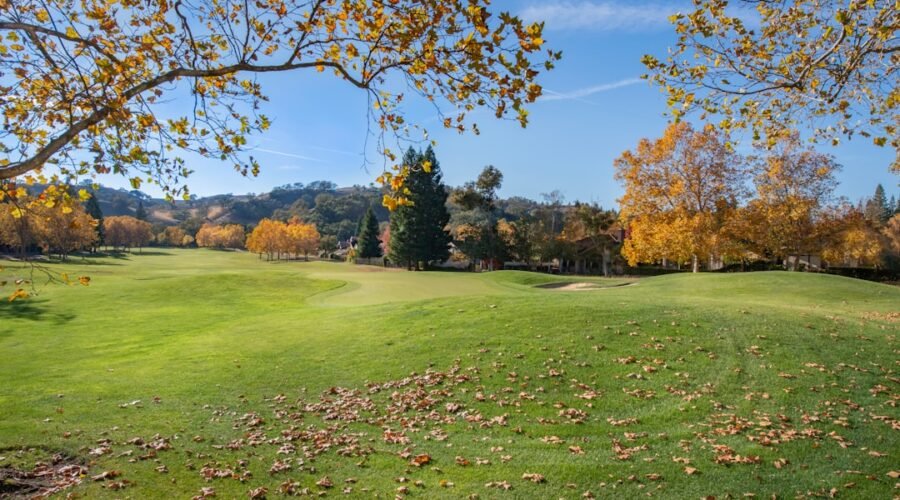
September and October bring a different atmosphere to Carcross. Summer visitors begin to leave, temperatures drop, and the surrounding landscape turns shades of yellow, gold, and russet.
For travellers who enjoy photography, peaceful sightseeing, and crisp weather, early fall can provide an appealing balance.
2.1. Weather in Fall
September can offer cool, comfortable days, while October brings a greater chance of freezing temperatures and snow.
- Fall colours: Aspen, birch, shrubs, and alpine vegetation change colour as the season progresses. The timing varies with elevation and weather.
- Cool nights: Overnight temperatures can fall below freezing even when daytime conditions are pleasant.
- Shorter days: Daylight decreases quickly, so plan longer hikes earlier in the day.
- Early snow: Snow and ice become more likely as fall progresses, especially on higher roads and trails.
Travel Yukon identifies mid-September as a typical peak period for fall colour around the Whitehorse region, although exact timing changes from year to year.
2.2. Crowds in Fall
Visitor numbers generally ease after the main summer travel period. Scenic viewpoints and walking areas may feel quieter, particularly on weekdays.
However, fewer visitors also mean that some seasonal businesses begin reducing their operating hours.
- September: Many visitor services are still available, although individual closing dates differ.
- October: More businesses may be closed or operating by appointment.
- Outdoor attractions: Scenic areas remain worth visiting when conditions allow, even after nearby shops or tour services close.
The railway is an important example of why checking individual schedules matters. The published 2026 White Pass & Yukon Route Carcross service operated from May 26 through September 12. It should not be assumed that train excursions remain available throughout autumn.
Check the railway’s official excursion information for the operating dates that apply to your trip.
2.3. Costs in Fall
Fall may offer opportunities to save on accommodation after the busiest summer period, but lower rates are not guaranteed.
- Lodging: Compare prices and confirm that the property remains open.
- Tours: Check whether the experience is still operating before selecting travel dates.
- Flights: Compare fares rather than assuming that every September or October flight will cost less.
- Transport: Consider the additional cost of renting a vehicle if seasonal tours are unavailable.
Pro Tip: If your trip depends on a particular train excursion or cultural attraction, check its final operating date before booking flights or accommodation.
3. Spring: Thawing Landscapes and Increasing Daylight
April and May are transitional months in Carcross. Winter snow gradually melts, daylight increases, and the landscape begins to turn green.
Spring appeals to visitors who prefer quieter surroundings and do not mind uncertain weather or limited seasonal services.
3.1. Weather in Spring
April can still feel like winter, especially during the morning and evening. May is generally milder, but freezing nights and occasional snow remain possible.
- Variable conditions: Roads and trails may alternate between dry, muddy, snowy, and icy sections.
- Snowmelt: Lakes and rivers begin thawing as temperatures rise. Conditions change at different times across the region.
- Emerging greenery: Trees, shrubs, and wildflowers gradually return as the season progresses.
- Longer days: Increasing daylight makes sightseeing easier than during midwinter.
Water temperatures can remain dangerously cold even after the ice has disappeared. Never assume that a lake is safe for swimming or paddling simply because the weather feels warm.
3.2. Crowds in Spring
Spring is generally quieter than the main summer season.
April offers a more solitary atmosphere, while activity begins increasing as seasonal attractions reopen in May.
- Fewer visitors: Popular scenic stops may be less crowded than in July or August.
- Limited services: Some accommodation, food outlets, and tour operators may not yet be open.
- Trail conditions: Mud, snow, or maintenance closures may restrict outdoor activities.
Carcross Commons generally opens for the visitor season in May. Confirm the actual opening day and hours if it is an important part of your itinerary.
3.3. Costs in Spring
Spring can offer flexible travellers opportunities to compare lower-demand travel dates, but the available accommodation and activities may be limited.
- Accommodation: Look at both Carcross and Whitehorse properties.
- Activities: Confirm that the experience is operating before making a reservation.
- Transportation: Compare flights and rental-car rates across several dates.
For a short sightseeing visit, basing yourself in Whitehorse may simplify transport and accommodation planning.
4. Winter: Snowy Scenery and Northern Lights
Winter in Carcross generally runs from November through March, although snow and freezing temperatures can arrive earlier and last into spring.
This is the season for visitors who enjoy winter landscapes, quiet surroundings, and watching the northern lights.
4.1. Weather in Winter
Winter temperatures are frequently below freezing, and severe cold spells are possible. Snow and ice affect roads, walking surfaces, and outdoor activities.
- Cold weather: Insulated clothing, warm footwear, gloves, and face protection are essential.
- Snow cover: Suitable conditions may allow snowshoeing, cross-country skiing, and fat biking.
- Short daylight hours: Around the December solstice, Carcross has fewer than six hours of actual daylight.
- Long nights: Dark skies create opportunities for northern lights viewing when solar activity and weather conditions cooperate.
The Yukon aurora viewing season generally extends from mid-August to mid-April. Travel Yukon identifies approximately 10 p.m. to 3 a.m. as a useful viewing window.
Learn more through the official Yukon northern lights guide.
Note: Northern lights sightings are never guaranteed. Clear skies, darkness, and suitable solar activity all matter. A longer night does not automatically mean a stronger display.
4.2. Crowds in Winter
Winter usually feels much quieter than summer. Visitors tend to focus on winter recreation, photography, and aurora viewing rather than conventional sightseeing.
- Peaceful surroundings: Snow-covered landscapes and shorter operating hours create a quieter atmosphere.
- Specialized activities: Some winter experiences operate through dedicated providers or advance reservations.
- Limited services: Many seasonal businesses are closed, including Carcross Commons.
Confirm that your accommodation is open and suitable for winter conditions before travelling.
4.3. Costs in Winter
Winter accommodation can sometimes be less expensive outside busy holiday periods, but the total cost of a winter trip depends on transportation, equipment, and activities.
- Accommodation: Compare available properties and winter packages.
- Guided activities: Aurora tours, winter excursions, and equipment rental may add to your budget.
- Transportation: Allow for suitable winter tires, fuel, and additional travel time.
- Weather disruptions: Keep some flexibility in your schedule in case road or flight conditions change.
Warning: Do not begin a winter road trip without checking current conditions, fuel availability, weather forecasts, and your vehicle’s suitability. Carry warm clothing, water, food, and an emergency kit. Avoid stopping in unsafe locations to photograph the northern lights.
5. Shoulder Seasons: A Balance of Scenery and Fewer Visitors
The shoulder seasons provide alternatives to the busy summer period. However, May, September, and October offer quite different experiences.
5.1. Late Spring: May
May brings longer days, emerging greenery, and improving sightseeing conditions.
- Spring scenery: Snow-covered mountains contrast with thawing valleys and lakes.
- Growing activity: Seasonal businesses begin reopening.
- Quieter travel: Visitor numbers are generally lower than during midsummer.
- Weather limitations: Higher trails may still contain snow, and unpaved routes can be muddy.
May can work well for scenic driving and relaxed sightseeing, provided you check the availability of individual attractions.
5.2. Early Fall: September
September combines autumn scenery with the return of darker nights.
- Fall colours: Golden trees and changing alpine vegetation provide attractive photography opportunities.
- Cooler temperatures: Hiking may feel more comfortable than during warmer summer days.
- Fewer visitors: Popular areas generally become quieter after the main summer travel period.
- Aurora opportunities: Darker nights make northern lights viewing possible again.
Keep in mind that some seasonal services finish earlier than others. A September visit does not guarantee access to every summer attraction.
5.3. Late Fall: October
October brings shorter days, colder weather, and an increasing chance of snow.
- Early winter scenery: Snow may begin covering mountains and lower areas.
- Northern lights: Longer nights provide additional darkness for viewing.
- Quieter attractions: Fewer visitors and seasonal closures change the atmosphere.
- Travel preparation: Winter driving conditions become more likely.
October is better suited to flexible travellers who are comfortable with changing conditions and reduced services.
6. Special Considerations for Your Carcross Visit
Weather, crowds, and prices are important, but a successful trip also depends on transportation, activity timing, and preparation.
6.1. Wildlife Viewing
Wildlife may be encountered throughout the year, although sightings depend on habitat, weather, and animal behaviour.
- Summer and fall: Watch for wildlife in suitable habitats and along roads, particularly during quieter parts of the day.
- Spring: Animals become more active as snow melts and vegetation returns.
- Winter: Tracks in the snow and cold-adapted birds can make wildlife observation interesting even when larger mammals are less visible.
Possible wildlife in the wider southern Yukon region includes bears, moose, mountain sheep, and smaller mammals. Sightings are never guaranteed.
Observe animals from a safe distance, never feed them, and learn proper bear-safety practices before entering backcountry areas. Carry bear spray where appropriate and know how to use it.
6.2. Specific Activities and Their Best Times
Different activities are better suited to different seasons.
- Hiking and mountain biking: Late spring through early fall can offer suitable conditions, depending on snowmelt and trail maintenance. Montana Mountain is a well-known area for outdoor recreation.
- Carcross Desert: The sand dunes are a popular sightseeing stop. Warmer months generally provide more comfortable walking conditions.
- Emerald Lake: The lake is a scenic stop along the South Klondike Highway. Its appearance changes with light, weather, and the season.
- Carcross Commons: Visit during its seasonal operating period for shopping, local art, and cultural experiences.
- Historic railway: White Pass & Yukon Route services operate on published seasonal schedules. Advance booking is recommended.
- Fishing: Check the applicable regulations, licence requirements, species restrictions, and water-specific rules before fishing.
- Northern lights: Mid-August through mid-April offers the necessary seasonal darkness, subject to weather and solar activity.
- Winter recreation: Snowshoeing, skiing, and fat biking depend on sufficient snow and safe conditions.
- Canoeing and kayaking: Warmer months are generally more practical, but wind, cold water, and changing weather remain important safety concerns.
For fishing, consult the Government of Yukon’s current fishing regulations. Most recreational anglers need an appropriate licence unless an exemption applies.
6.3. Indigenous Culture and Historic Attractions
Carcross is within the traditional territory of the Carcross/Tagish First Nation. Its cultural heritage is an important part of the visitor experience.
Depending on seasonal access and programming, visitors can explore Carcross Commons, view Indigenous artwork, and learn about local history and traditions.
Travel Yukon also highlights Haa Shagóon Hídi, the Carcross/Tagish First Nation Cultural Centre, as a place to learn about the region’s culture and history.
Other historic attractions include the railway station, the Caribou Hotel, and the S.S. Tutshi memorial area.
Check opening hours and available programs before arriving, and follow visitor guidance at cultural and historic sites.
6.4. Getting to Carcross
Carcross is approximately an hour’s drive south of Whitehorse, making it a practical day-trip destination.
The usual driving route follows the Alaska Highway and South Klondike Highway.
- By air: Fly into Whitehorse and arrange onward transportation.
- By car: A rental vehicle provides flexibility for scenic stops and attractions outside the town centre.
- By guided tour: Some operators offer excursions from Whitehorse or Skagway.
- By rail: White Pass & Yukon Route offers seasonal services and rail-and-motorcoach connections on selected dates.
If your journey includes Skagway, remember that you may cross the Canada–United States border. Check the entry requirements for your citizenship, travel documents, and route before booking.
6.5. Road Conditions and Access
Road conditions vary substantially throughout the year.
- Summer: Major roads are generally easier to travel, although construction, rain, and wildlife remain possible hazards.
- Fall: Frost, early snow, and shorter daylight hours can affect driving.
- Spring: Snowmelt may leave unpaved roads muddy, while shaded sections can remain icy.
- Winter: Snow-covered or icy roads require suitable tires, additional following distance, and careful planning.
Before travelling, check 511 Yukon for current road conditions, incidents, advisories, and closures.
During wildfire season, review official Yukon wildfire information if smoke, fire activity, or road restrictions could affect your plans.
6.6. What to Pack for Each Season
Layered clothing is useful throughout the year because conditions can change quickly.
- Summer: Comfortable walking shoes, waterproof jacket, warm evening layer, sunscreen, and insect repellent.
- Fall: Insulating layers, waterproof footwear, gloves, and a warm jacket.
- Spring: Waterproof boots, warm layers, and clothing suitable for mud or snow.
- Winter: Insulated boots, thermal base layers, winter jacket, gloves, hat, and face protection.
Bring a charged phone, navigation information, water, and basic emergency supplies when travelling beyond the community.
6.7. How to Plan Your Travel Budget
Rather than relying on an assumed high-season or low-season price, compare the total cost of your actual itinerary.
Include accommodation, transport, fuel, guided activities, food, and any necessary equipment rental.
A low nightly room rate may not provide meaningful savings if it requires a longer drive or leaves you far from the attractions you want to visit.
Similarly, a winter trip may require additional spending on suitable clothing, transportation, or guided activities.
Pro Tip: Choose your must-do activity first, confirm its operating dates, and then compare accommodation and transportation costs. This is especially useful for railway trips, seasonal cultural attractions, and guided winter experiences.
Ultimately, the right time to visit Carcross depends on the experience you want. Summer provides the broadest range of conventional sightseeing opportunities, September brings fall colours and darker nights, spring offers a quieter transition, and winter reveals the Yukon’s snowy landscapes. Match your dates to your priorities, check current conditions, and leave some flexibility for northern weather.
Frequently Asked Questions
1. What is the best time to visit Carcross, Yukon, for pleasant weather?
June through August generally provides the mildest conditions for sightseeing and outdoor activities. Even in summer, pack layers and rain protection because temperatures and weather can change quickly.
2. When is the peak tourist season in Carcross?
Summer, particularly June through August, is the main visitor season. Carcross also receives travellers exploring the route between Whitehorse and Skagway. Book popular tours and accommodation ahead of time.
3. What is the off-peak season in Carcross?
Winter and early spring are generally quieter than summer. However, many visitor services operate seasonally, so check accommodation and attraction availability before travelling.
4. Is Carcross cheaper to visit outside summer?
Some accommodation and transportation options may cost less outside the main visitor season, but savings are not guaranteed. Compare actual booking prices and include transport, activities, and equipment in your total budget.
5. What are the most popular summer activities in Carcross?
Popular activities include hiking, mountain biking, visiting the Carcross Desert, photographing Emerald Lake, exploring the historic community, and visiting Carcross Commons. Seasonal White Pass & Yukon Route railway excursions are another option.
6. Can you see the northern lights in Carcross during September?
Yes. September has sufficiently dark nights for aurora viewing. Sightings depend on clear skies and solar activity, so they cannot be guaranteed.
7. Can you visit Carcross as a day trip from Whitehorse?
Yes. Carcross is approximately an hour’s drive from Whitehorse. Allow extra time for Emerald Lake, the Carcross Desert, the historic town centre, and any scheduled activities.
Sources
- Travel Yukon — Seasons — Seasonal weather, daylight, and travel activities.
- Travel Yukon — Destination Carcross — Carcross Commons and its seasonal operating information.
- Travel Yukon — Northern Lights — Aurora viewing season and conditions.
- White Pass & Yukon Route Railway — Excursions — Official railway services, schedules, and booking information.
- 511 Yukon — Current road conditions, closures, incidents, and travel advisories.
- Government of Yukon — Fishing Regulations — Current fishing rules and licensing requirements.


[…] Another comparison is this guide to the best time to visit Carcross, Yukon. […]