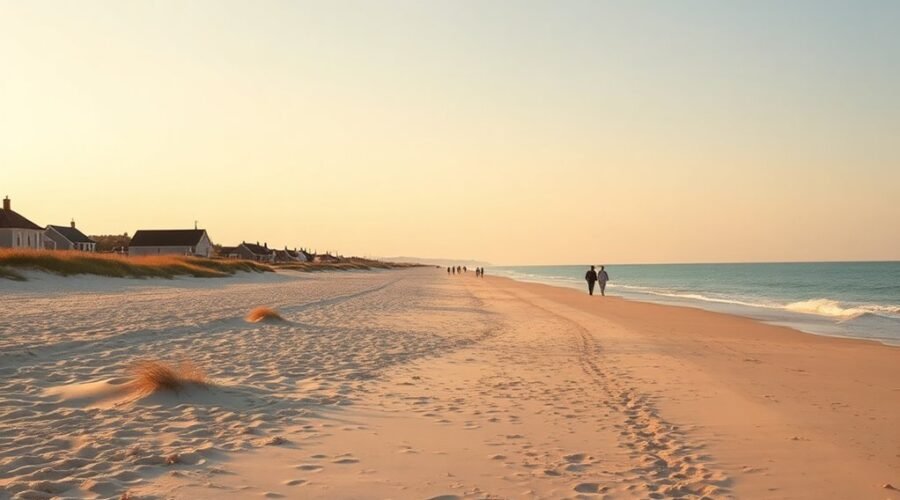
Martha’s Vineyard isn’t a destination you can visit any time and expect the same experience. The season you choose shapes everything — your budget, your beach access, and whether you’re sharing the island with thousands of strangers or practically have it to yourself. Summer promises vibrancy but comes at a price. Fall whispers something different entirely. Before you book anything, you’ll want to know exactly what each season delivers — and what it costs you.
The Best Time to Visit Martha’s Vineyard: A Quick Answer
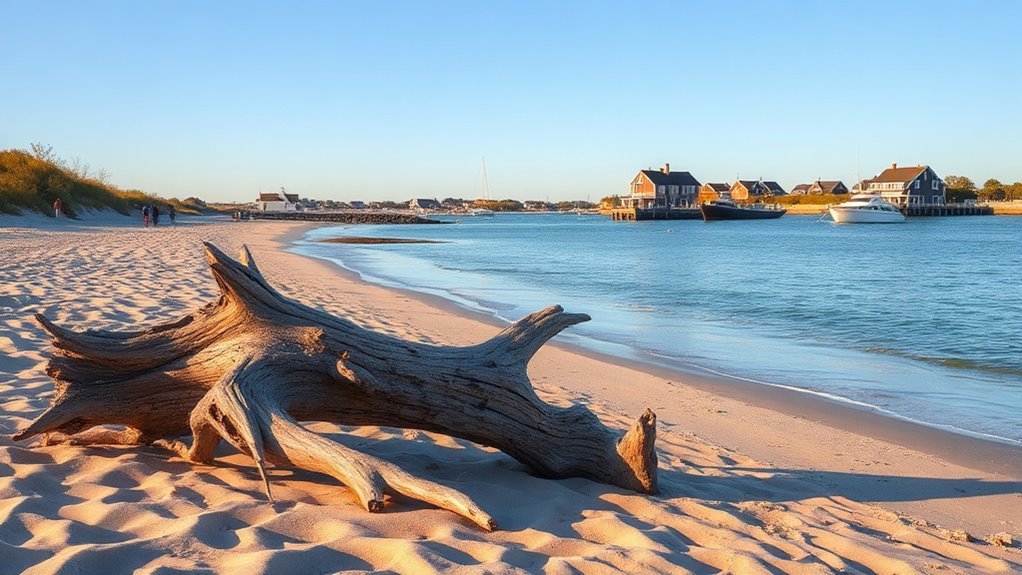
Whether you’re chasing sun-soaked beaches, vibrant fall foliage, or a quieter escape, Martha’s Vineyard has a sweet spot for every type of traveler.
The island transforms dramatically across seasons, offering distinct experiences that cater to different priorities.
For peak energy and local events like the Martha’s Vineyard Agricultural Fair, visit in late July or August.
If you prefer fewer crowds and cooler temperatures, September and October deliver stunning foliage and a more relaxed pace.
Budget-conscious travelers will find May and June ideal — rates drop, yet the island still buzzes with life.
Here’s a quick breakdown to guide your planning:
- Summer (June–August): Peak season, beaches, festivals
- Fall (September–October): Foliage, fewer crowds, mild weather
- Spring (April–May): Budget-friendly, peaceful
These travel tips help you align your visit with your personal travel style, ensuring Martha’s Vineyard delivers exactly what you’re seeking.
Martha’s Vineyard Weather Month by Month
Understanding how the weather shifts month by month helps you pack smart, plan activities, and avoid any unwelcome surprises.
January–February: Temperatures hover between 25–40°F.
The island feels raw and quiet, ideal if you crave solitude over seasonal activities.
March–April: Things begin thawing.
Expect 40–55°F with unpredictable rain. Early outdoor adventures like hiking start becoming viable.
May–June: Temperatures climb to 60–75°F.
Wildflowers bloom, beaches awaken, and outdoor adventures truly take off without summer’s crushing crowds.
July–August: Peak season hits with 75–85°F days.
Swimming, kayaking, and cycling dominate, though you’ll share everything with thousands of visitors.
September–October: Perhaps the island’s sweet spot.
Temperatures settle around 60–70°F, foliage turns golden, and seasonal activities continue with noticeably thinner crowds.
November–December: Cold returns, ranging 35–50°F.
Ferry schedules shrink, most shops close, but the island’s raw, unhurried beauty rewards the adventurous traveler.
Peak Season: What July and August Actually Look Like
July and August transform Martha’s Vineyard into a completely different world. The island’s population swells from roughly 20,000 year-round residents to over 100,000 visitors, reshaping everything from ferry lines to restaurant wait times.
You’ll find July festivals lighting up every corner—the Martha’s Vineyard Agricultural Fair previews summer’s end while street fairs and outdoor concerts fill your evenings with genuine island energy.
August activities intensify the experience further. Sailing regattas, beach yoga, art gallery openings, and farm-to-table dining events compete for your attention daily.
You’ll pay premium prices for this privilege—accommodations can run 40-60% higher than shoulder season rates, and you’ll need reservations weeks, sometimes months, in advance.
But here’s the trade-off: the island is fully alive. Every shop opens, every beach buzzes, and the collective spirit feels electric.
If crowds don’t intimidate you, peak season delivers Martha’s Vineyard at its most vibrant.
Shoulder Season: Why Spring and Fall Beat Summer for Most Visitors
Peak season’s energy comes with real costs, and many visitors discover that May, June, September, and October actually deliver a richer Martha’s Vineyard experience.
You’ll move through charming towns without fighting crowds, secure reservations without months of planning, and pay considerably less for accommodations and ferries.
Spring activities open up the island beautifully — cycling the bike paths, kayaking calm harbors, and exploring the Gay Head Cliffs without shoulder-to-shoulder tourists.
Spring reveals the island at its most accessible — bike paths open, harbors calm, cliffs finally yours to explore.
Restaurants operate at their best, chefs are present, and staff actually have time for you.
Fall foliage transforms the island’s landscapes into something genuinely stunning.
Oak Bluffs’ gingerbread cottages glow against amber and crimson trees, and the beaches become yours almost entirely.
September water temperatures remain warm enough for swimming, making it arguably the most sensible beach month.
You trade peak-season spectacle for genuine freedom — and that’s exactly the exchange most thoughtful travelers prefer.
Winter on Martha’s Vineyard: What’s Open and What Isn’t
Winter strips Martha’s Vineyard down to its bones, and what’s left is surprisingly worth knowing. The crowds vanish, prices drop markedly, and the island reveals its authentic self. You’ll find a quieter, rawer version of this place that summer tourists never see.
Most shops and accommodations close between December and March, so plan carefully. Edgartown and Vineyard Haven maintain the strongest year-round presence, keeping select inns, galleries, and services running.
Local dining options shrink considerably, but the restaurants that stay open are genuinely good — these places earn loyalty from year-round residents, not seasonal foot traffic.
Winter activities lean toward the meditative: long beach walks, birding, hiking trails without another soul in sight. Ferry service continues but runs less frequently.
If you crave solitude, creative freedom, and honest connection with a place, winter delivers something summer simply can’t.
How Much Does Martha’s Vineyard Cost by Season?
Your budget plays a huge role in deciding when to visit Martha’s Vineyard, as costs can swing dramatically between seasons.
During peak summer months, you’ll pay premium prices for everything from ferry tickets to accommodations, with rental homes often fetching thousands of dollars per week.
If you visit in the off-season, however, you’ll find notably reduced rates, making the same island experience far more affordable.
Peak Season Price Spikes
Visiting Martha’s Vineyard during peak summer months can cost considerably more than other times of year—sometimes two to three times as much.
Accommodations skyrocket between late June and August, with waterfront rentals easily exceeding $5,000 per week. Hotels that charge $150 nightly in spring regularly demand $400 or more during summer events like the Martha’s Vineyard Agricultural Fair or Illumination Night.
Restaurants inflate menus, ferry tickets sell out weeks in advance, and even bike rentals spike in price.
If you’re chasing peak season activities—sailing excursions, beach club access, or festival experiences—budget accordingly. Expect to spend $300–$500 daily per couple, excluding accommodations.
Knowing these realities empowers you to plan strategically, whether you embrace the peak premium or intentionally sidestep it.
Off-Season Budget Savings
Traveling off-season slashes Martha’s Vineyard expenses dramatically—hotels that command $400 nightly in July drop to $100–$150 by October, and weekly rental homes often fall 50–60% below summer rates.
You’ll also find travel deals on ferries and flights that simply don’t exist during summer’s frenzied peak. Restaurants offer reduced menus at honest prices, and parking becomes completely free across most of the island.
Off-season activities—hiking coastal trails, exploring art galleries, and cycling uncrowded paths—cost nothing extra yet deliver something summer rarely offers: breathing room.
You’re not fighting crowds for every experience; you’re actually living inside the island’s quieter, truer rhythm. Your dollar stretches further, your stress drops considerably, and Martha’s Vineyard finally feels like yours to explore freely.
Best Time to Visit Martha’s Vineyard for Beaches
If you’re chasing the best beach experience, June through August is your sweet spot, when Martha’s Vineyard’s stunning shorelines are fully alive with activity.
Water temperatures peak in July and August, reaching a comfortable 68–72°F, making swimming far more enjoyable than the chilly spring months.
That said, if you prefer fewer crowds, shoulder months like late May or early September offer quieter beaches with still-pleasant conditions.
Peak Beach Season Months
Martha’s Vineyard’s beaches truly come alive from late June through August, when warm water temperatures, long sunny days, and lively coastal energy make the island an ideal summer retreat. You’ll find the widest range of beach activities during these months, from kayaking and paddleboarding to volleyball and sunset strolls. Family-friendly beaches like South Beach and Owen Park buzz with joyful crowds, offering lifeguards, calm waters, and open space.
| Month | Water Temp | Best For |
|---|---|---|
| June | 65–68°F | Quieter beach days |
| July | 70–74°F | Peak beach activities |
| August | 72–75°F | Family-friendly fun |
Plan early—accommodations fill fast. These peak months reward bold, spontaneous spirits willing to embrace the island’s full summer energy.
Water Temperature By Season
Water temperatures around Martha’s Vineyard shift dramatically with the seasons, shaping what kind of beach experience you can realistically expect.
- Winter (Dec–Feb): Temperatures drop to 35–40°F — swimming safety becomes critical, and most beach activities aren’t advisable.
- Spring (Mar–May): Waters hover around 45–55°F, still cold but improving; shoreline walks beat swimming.
- Summer (Jun–Aug): Temperatures climb to 68–74°F, hitting peak comfort for swimming safety and all beach activities, including surfing, kayaking, and paddleboarding.
- Fall (Sep–Nov): Waters cool gradually from 65°F down to 50°F — September still delivers solid swimming conditions before the chill returns.
Knowing these seasonal shifts lets you plan intentionally, matching your preferred beach activities to water conditions that actually support them.
Ideal Beach Crowd Levels
When you visit Martha’s Vineyard matters as much as where you plant your umbrella. July and August pack beaches shoulder-to-shoulder, limiting your freedom to spread out and truly unwind.
If you crave breathing room, target late May or early June, when the water’s cool but the sand stays gloriously uncrowded.
September is your sweet spot — warm enough for beach activities, yet dramatically quieter after Labor Day. You’ll reclaim entire stretches of coastline that summer crowds once monopolized.
Families should consider late June, when school schedules haven’t fully released yet, keeping crowds manageable while still offering robust family-friendly options like calm surf and lifeguarded beaches.
Avoid holiday weekends entirely unless you genuinely enjoy maneuvering through a sea of strangers before reaching the actual sea.
When to Visit Martha’s Vineyard to Avoid the Crowds
If you’re looking to experience Martha’s Vineyard without the summer frenzy, shoulder season is your best bet. You’ll breathe easier, move freely, and actually connect with the island’s authentic character.
Consider these prime windows for crowd-free exploration:
The island reveals itself differently depending on when you arrive—choose your window wisely.
- Late September–October: Fall foliage transforms the landscape while local events like the Martha’s Vineyard Film Festival draw culturally curious visitors rather than beach crowds.
- April–May: Spring blooms arrive before summer tourism peaks, giving you first access to refreshed restaurants and shops.
- Early November: Fewer visitors mean better transportation options, including uncrowded ferries and easier bike rentals.
- January–February: Experience the island at its most raw and unhurried—prices drop dramatically and locals genuinely welcome conversation.
You’ll trade packed beaches for genuine discovery, finding a Martha’s Vineyard that belongs entirely to you.
Frequently Asked Questions
Do I Need a Passport or ID to Visit Martha’s Vineyard?
You don’t need a passport to visit Martha’s Vineyard! Since it’s a U.S. destination, standard identification types work perfectly — just bring a valid driver’s license to meet all passport requirements for entry.
What Ferry Routes Are Available to Reach Martha’s Vineyard?
You’ve got the world at your feet! You can catch ferry schedules and boat options from Woods Hole, Falmouth, New Bedford, and Hyannis, giving you the freedom to choose your perfect route to Martha’s Vineyard.
Are Pets Allowed on Martha’s Vineyard Beaches and Accommodations?
You’ll find pet-friendly accommodations across Martha’s Vineyard, but you’ll need to check beach regulations carefully, as many restrict pets during peak summer months, giving you more freedom in the off-season.
What Local Events and Festivals Happen Throughout the Year?
You’ll discover vibrant local traditions year-round! Enjoy the Martha’s Vineyard Agricultural Fair in summer, the Film Festival in fall, and seasonal celebrations like Illumination Night, where you’re free to immerse yourself in island culture.
Is Martha’s Vineyard Accessible for Visitors With Mobility Challenges?
You’ll find Martha’s Vineyard offers solid wheelchair accessibility, with many beaches, shops, and attractions accommodating mobility challenges. The island’s public transportation system, including accessible buses, guarantees you can explore freely and independently.
Conclusion
Martha’s Vineyard is a gem that shines differently depending on when you arrive. If you’re chasing sun-soaked beaches and lively festivals, summer’s your season—but you’ll pay for it. If you’d rather stretch your dollar and soak in peaceful landscapes, fall and spring are hidden treasures waiting to be discovered. Whatever season calls your name, plan ahead, pack smart, and you’ll find this island has something magical to offer you year-round.