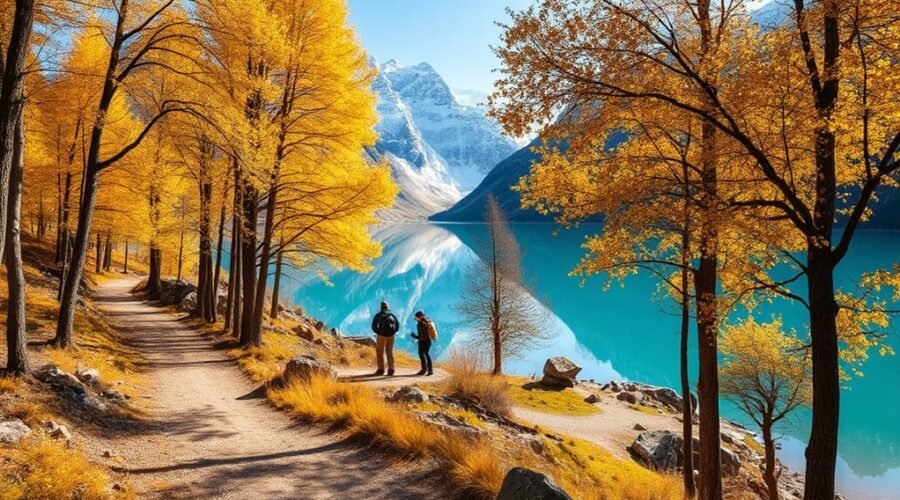
Argentina stretches across an enormous range of climates, so picking the wrong time to visit can mean closed trails, sold-out lodges, or sweltering heat. You’ll face very different conditions in Patagonia than in Buenos Aires or Mendoza. The good news? Timing your trip strategically can save you real money and earn you far better experiences. What you decide hinges on where you’re headed and what you want to do when you get there.
Argentina’s Regions and Why Timing Varies So Dramatically
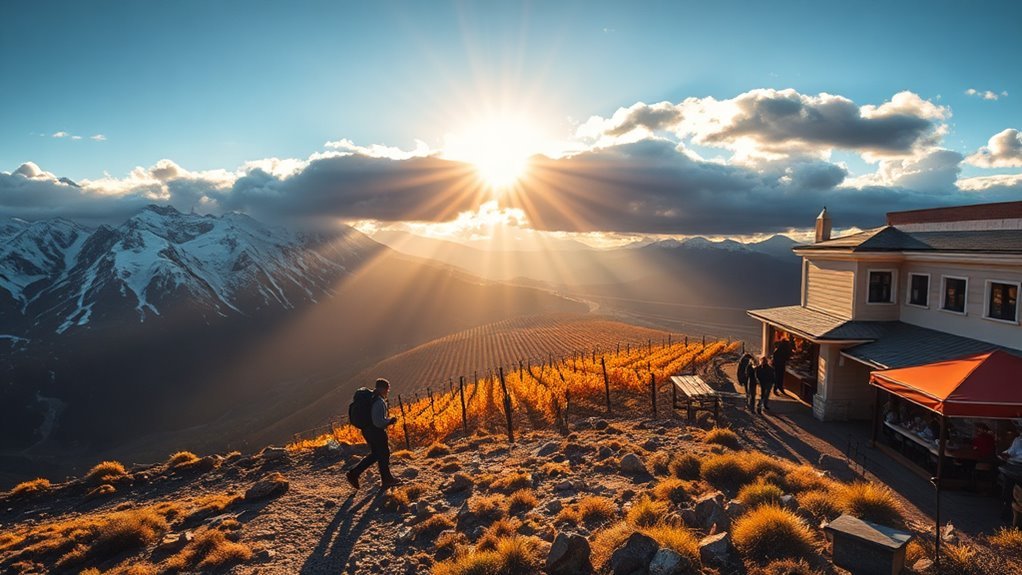
Argentina stretches nearly 3,500 kilometers from the subtropical north to the subpolar south, so the “best time to visit” depends almost entirely on where you’re headed.
Regional climates shift dramatically between provinces, making travel logistics a genuine puzzle worth solving before you book anything.
You’re fundamentally choosing between multiple countries within one border. Patagonia’s adventure sports peak during austral summer, while Mendoza’s food experiences and wine harvests shine in autumn.
Visiting Argentina means choosing between multiple destinations — each region operates on its own seasonal clock.
The Iguazú region rewards visitors who time wildlife migrations correctly, and Buenos Aires pulses with local festivals year-round.
Cultural diversity runs deep here, meaning seasonal activities vary not just by geography but by community tradition.
Each region guards its own rhythm. Understanding these rhythms liberates your itinerary from generic travel advice and positions you to experience Argentina authentically — eating what’s fresh, celebrating what’s alive, and moving through landscapes at precisely the right moment.
The Best Time to Visit Buenos Aires
Buenos Aires rewards visitors who time their arrival carefully, and the city’s temperate climate means you’re rarely locked out of a good experience — but some seasons genuinely outperform others.
Spring (October–November) and fall (March–April) deliver the sweetest conditions — mild temperatures, manageable crowds, and a city fully alive with cultural experiences like outdoor milongas, art fairs, and neighborhood festivals.
Summer (December–February) runs hot and humid, with temperatures climbing past 35°C. Many locals flee to the coast, yet the city still pulses if you can handle the heat.
Winter (June–August) brings cool, dry days perfect for diving deep into local cuisine — think slow-cooked stews and intimate parrilla dinners — without fighting tourist crowds.
Avoid traveling during major Argentine holidays like Semana Santa, when accommodation prices spike.
If freedom and authenticity drive your travel decisions, shoulder seasons hand you Buenos Aires at its most genuine and unhurried.
When to Visit Patagonia for Hiking, Wildlife, and Glaciers
Patagonia operates on its own schedule, and getting the timing wrong can mean trading glacier views for whiteout conditions or finding trail closures where you’d hoped to summit.
For Patagonia hiking, November through March delivers the strongest seasonal trails access, longer daylight hours, and passable mountain conditions.
December and January sit at the sweet spot — crowds arrive, but so does actual summer. Torres del Paine and Los Glaciares National Park open their most demanding circuits during this window.
Glacier exploration peaks between December and February, when ice is stable enough for guided treks onto Perito Moreno.
Wildlife watching rewards patience year-round, but Valdés Peninsula shines from September through November as southern right whales arrive and penguin colonies swell.
Shoulder months — November and March — offer thinner crowds and lower costs without sacrificing access.
Avoid June through August unless you’re chasing solitude over summits.
The Best Time to Visit Mendoza for Wine Harvest and Good Weather
Mendoza rewards visitors who time their trip around the grape — and the most dramatic window runs from late February through April, when harvest season transforms the region into a sensory event. Wine tours flow freely, harvest festivals fill the streets, and the Andean backdrop turns golden.
| Month | Experience | Crowds |
|---|---|---|
| February | Grape picking begins | Low |
| March | Vendimia Festival peaks | High |
| April | Crush season, cooler days | Moderate |
| May | Cellar tastings, quiet vineyards | Low |
| June | Winter sets in, fewer tours | Very Low |
March delivers the Vendimia Festival — Mendoza’s crown celebration — where you’ll witness folk performances and royal coronations alongside serious winemakers. If you prefer breathing room, April lets you explore bodegas without the crowds. You’ll still catch the tail end of harvest while enjoying mild, sun-drenched afternoons perfect for open-air tastings.
When to Visit Iguazú Falls for the Most Dramatic Water Levels
Few natural wonders respond to the calendar quite like Iguazú Falls. Water levels shift dramatically depending on the season, and timing your visit correctly transforms a beautiful trip into something genuinely unforgettable.
For the most powerful flows, visit between November and March. Rainfall peaks during these months, pushing the falls into a thunderous roar that you’ll feel deep in your chest. It’s raw, overwhelming, and completely humbling.
For Waterfall Photography Tips, consider visiting in August or September. Lower water levels reveal more rock formations, lighting is softer, and crowds thin considerably — giving you cleaner compositions without fighting for position.
Iguazú Rainforest Exploration rewards year-round visitors, but the dry season (June–August) offers easier trail conditions and better wildlife visibility.
You’re not just seeing falls; you’re entering a living ecosystem that demands respect and curiosity.
The Best Time to Visit Bariloche, Salta, and Beyond
In Bariloche, your timing shapes everything. Winter (June–August) delivers world-class skiing and snow-draped Andean scenery, while summer (December–February) reveals Bariloche activities like hiking, kayaking, and cycling through Patagonia’s jaw-dropping lake district.
Crowds peak in January, so shoulder months like November or March offer freedom without sacrifice.
Salta, in the northwest, rewards visitors differently. Spring (September–November) brings mild temperatures and vivid landscapes just before the rainy season.
That’s also when Salta cuisine shines brightest at local markets and festivals — think empanadas, locro stew, and Torrontés wine harvested from high-altitude vineyards.
Mendoza favors late summer (February–March) during grape harvest, while Patagonia’s Torres del Paine**** circuit is best tackled October through December before peak crowds arrive.
Know your destination, then pick your window.
Argentina’s Shoulder Seasons: Better Prices, Fewer Crowds
Traveling Argentina during shoulder season — April through May in autumn and September through November in spring — means you’ll score lower airfare, snag better hotel rates, and explore iconic sites without battling tour groups.
These windows deliver shoulder season advantages that peak-season travelers simply miss.
In Patagonia, trails stay accessible before summer crowds descend.
Buenos Aires buzzes with cultural energy during mild spring temperatures, making outdoor café culture genuinely enjoyable.
Mendoza’s vineyards glow with autumn foliage in April and May, offering wine tastings without reservation headaches.
One travel tip essential worth remembering: book accommodations early even during shoulder months, as boutique properties fill quickly.
Pack layers, since weather shifts unpredictably during changing periods.
You’ll stretch your budget further, move freely through landscapes that feel genuinely yours, and connect more authentically with local communities.
Shoulder season isn’t a compromise — it’s Argentina experienced on your own liberating terms.
Argentina Travel Costs by Season: What to Budget
Understanding what Argentina costs across different seasons helps you plan smarter and spend less without sacrificing experience.
Peak season—December through February—means higher accommodation rates, premium tour pricing, and fuller flights. You’ll pay top dollar for Patagonia trekking permits and Buenos Aires hotel rooms alike.
Shoulder seasons offer genuine bargain travel opportunities. March through May and September through November deliver comfortable weather alongside seasonal discounts of 20–40% on lodges, guided excursions, and international flights.
You’re getting comparable quality for dramatically less money.
Low season—June through August—cuts costs even further, particularly in Buenos Aires and wine country. Patagonia lodges often close, but urban Argentina becomes remarkably affordable.
Budget roughly $60–$100 daily during peak season for mid-range travel.
Shoulder season drops that to $40–$70. Low season can dip below $40 with smart planning. Argentina rewards flexible travelers who time their visits strategically.
Festivals and Events That Are Worth Timing Your Trip Around
Argentina’s festival calendar gives you compelling reasons to plan around specific dates rather than just seasons. These cultural celebrations immerse you in local traditions that no museum can replicate.
| Festival | When & Where |
|---|---|
| Buenos Aires Tango Festival | August, Buenos Aires |
| Vendimia Grape Harvest | March, Mendoza |
| Buenos Aires Carnival | February, nationwide |
Vendimia transforms Mendoza into a wine-soaked spectacle of parades and crowning ceremonies — a deeply rooted local tradition you’ll remember long after leaving. The Tango Festival opens milongas citywide, letting you dance alongside world-class performers rather than just watching from the sidelines.
Carnival brings contagious energy through murga street performances, particularly in Gualeguaychú, where elaborate costumes and percussion shake the night air.
Aligning your trip with these events means you’re not just visiting Argentina — you’re living it.
Month-by-Month Breakdown: The Best Time to Visit Argentina
Because Argentina stretches across such varied latitudes and climates, the ideal time to visit shifts dramatically depending on where you’re headed and what you want to do.
Use this month-by-month breakdown to sharpen your travel tips and catch each region’s seasonal highlights.
January–February: Buenos Aires sizzles, but Patagonia peaks. Head south for trekking.
March–April: Autumn paints wine country gold. Mendoza’s harvest festivals are unmissable.
May–June: Crowds thin, prices drop. Iguazú Falls surge with rainfall—dramatic and raw.
July–August: Ski season opens in Bariloche. Buenos Aires winters stay mild enough to explore freely.
September–October: Spring awakens the Lake District. Wildlife returns to Valdés Peninsula.
November–December: Patagonia’s long daylight hours reward hikers. Buenos Aires blooms with jacaranda trees lining every avenue.
Each month reveals a different Argentina.
Know what calls you, then choose your window deliberately.
Frequently Asked Questions
Do I Need a Visa to Travel to Argentina as a Tourist?
You’ll be thrilled to know that many nationalities don’t need a visa! Argentina grants automatic tourist permits upon arrival, making visa requirements hassle-free. Check your country’s specific status and embrace your freedom to explore!
What Vaccinations Are Recommended Before Visiting Argentina?
Before your Argentine adventure, you’ll want to prioritize travel health. Meet Sarah — she skipped hepatitis A vaccination and spent her Buenos Aires trip ill. Standard vaccination requirements include hepatitis A, typhoid, and routine updates for empowered, worry-free exploration.
Is Argentina Safe for Solo Female Travelers Year-Round?
Argentina’s generally safe for solo female travelers year-round, but you’ll want to stay alert. Practice smart solo travel tips, like avoiding isolated areas at night, and embrace these safety precautions to explore freely and confidently!
What Currency Is Used in Argentina, and Should I Exchange Money?
Like a river with two currents, Argentina’s economy runs on the peso. You’ll want to explore currency exchange options carefully, as local payment methods and “blue dollar” rates can stretch your budget further.
How Many Days Should I Budget for a Complete Argentina Trip?
For a complete Argentina experience, you’ll want 21-28 days in your itinerary planning. This travel duration lets you explore Buenos Aires, Patagonia, and the northwest freely, embracing each region’s unique culture without feeling rushed.
Conclusion
Argentina rewards travelers who plan smart. If you visit Buenos Aires in October, you’ll dodge the December crowds, pay less for hotels, and still catch jacaranda trees exploding in purple across the city—like Sarah, a solo traveler from Canada who stretched her two-week budget into three by simply shifting her flights six weeks earlier. Whether you’re chasing Patagonian peaks or Mendoza’s harvest, timing your trip thoughtfully means you’ll experience more of Argentina for less.