Whether you’re chasing sun-soaked beaches or sipping Tannat in rolling wine country, timing your Uruguay trip makes all the difference. You’ll find that each season brings its own trade-offs — lower costs, thinner crowds, or picture-perfect weather. But knowing *which* combination suits your travel style takes a little more unpacking. The month you choose could save you hundreds of dollars or cost you an experience you can’t get back.
Uruguay’s Weather, Seasons, and What They Mean for Your Trip
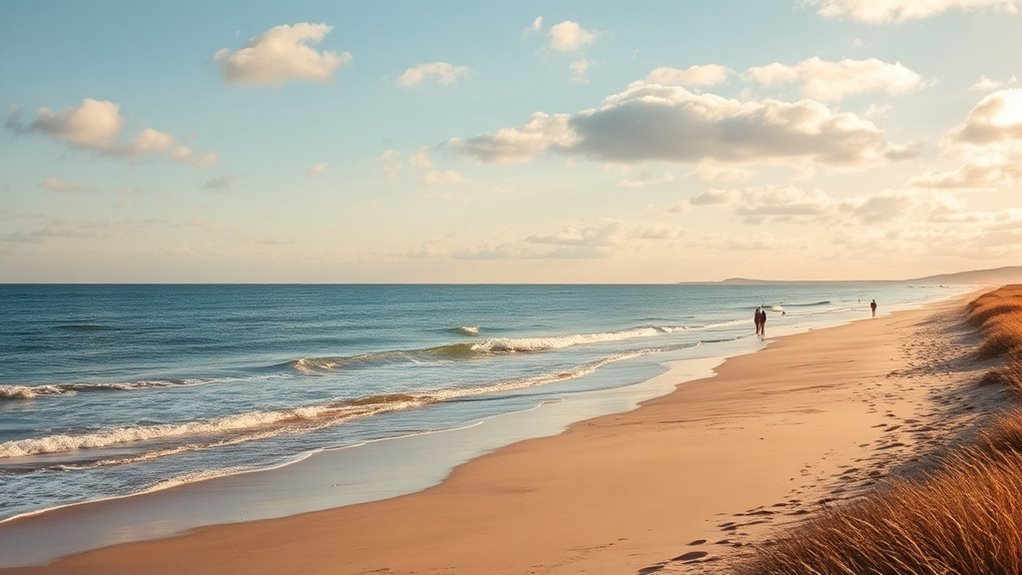
Uruguay sits in the Southern Hemisphere, so its seasons run opposite to those in North America and Europe — summer falls from December through February, and winter stretches from June to August. This timing matters because it shapes everything from beach access to festival schedules and travel costs.
Uruguay’s climate variations are relatively mild compared to other South American destinations. You won’t face extreme heat or brutal cold — temperatures rarely drop below 5°C in winter or climb above 35°C in summer. That means you’ve got genuine flexibility when planning your trip.
Spring (September–November) and autumn (March–May) offer comfortable temperatures and thinner crowds, making them ideal for exploring Montevideo’s neighborhoods or cycling through wine country.
Each season reveals different seasonal activities — summer brings coastal energy along Punta del Este, while winter suits slower, more intentional travel through Uruguay’s quieter interior towns and thermal spa regions.
The Best Time to Visit Uruguay for Beach Holidays
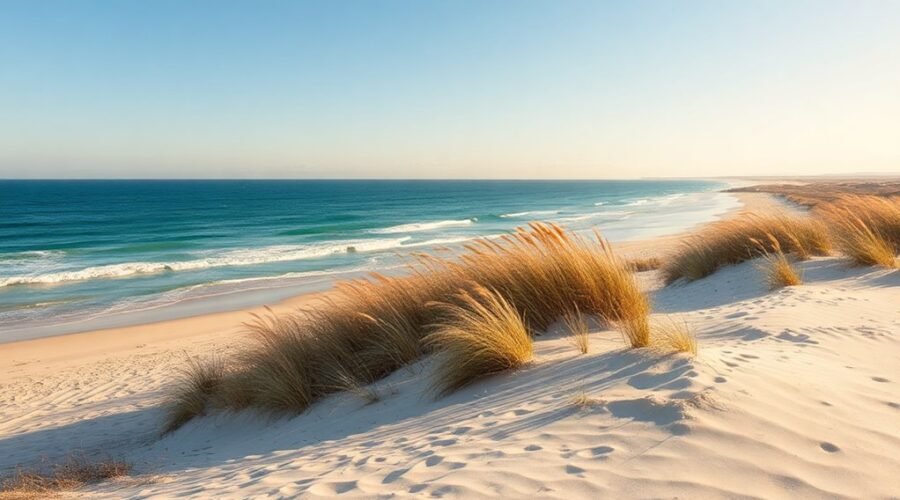
If you’re chasing sun, sand, and warm Atlantic water, Uruguay’s beach season runs from December through February, when summer temperatures hover between 25°C and 30°C along the coast.
Punta del Este buzzes with energy during these months, drawing beach lovers seeking vibrant nightlife, water sports, and world-class coastal experiences.
For quieter beach activities, consider José Ignacio or La Paloma, where smaller crowds let you breathe freely and connect authentically with Uruguay’s natural coastline.
Surfing, kayaking, and long coastal walks feel effortless under the summer sun.
Surfing, kayaking, and unhurried coastal walks come alive beneath Uruguay’s generous summer sun.
November and March offer a compelling compromise — warm enough to swim, yet noticeably less crowded and more affordable.
You’ll still enjoy golden beaches and comfortable temperatures without peak-season pressure.
Keep in mind that January brings the highest crowds and prices, particularly around Punta del Este.
Book accommodations early if you’re set on Uruguay’s most iconic beach destinations during midsummer.
When Prices Peak and What You’ll Actually Pay
Prices in Uruguay climb sharply between December and February, when summer demand pushes hotel rates in Punta del Este to two or three times their off-season levels. A mid-range room that costs $80 in June can easily hit $250 during peak weeks.
These price fluctuations affect everything — car rentals, restaurant bills, and beach-town accommodation all surge simultaneously.
You’ll find the best travel deals by visiting during shoulder season, specifically November or March. The weather stays warm, the beaches remain enjoyable, and you’re not competing with Buenos Aires holidaymakers for every available booking.
Montevideo holds its prices more steadily year-round, making it a smarter base if your budget matters.
April through September offers the deepest discounts, though cooler temperatures limit beach time.
If freedom over your finances drives your decisions, planning around Uruguay’s predictable price cycle lets you experience the country fully without financial compromise.
The Best Time to Visit Uruguay on a Budget
Traveling Uruguay on a tight budget rewards patience and timing. April through June hits the sweet spot — crowds have thinned, temperatures remain comfortable, and affordable accommodations drop considerably from their summer peaks.
Patience pays off in Uruguay — visit April through June and watch prices fall as the crowds disappear.
You’ll find hostels in Montevideo charging nearly half what they demand in January, and guesthouses in Colonia del Sacramento become genuinely negotiable.
Budget travel in Uruguay works best when you avoid the December-to-February crush and the Easter holiday spike. Mid-week stays consistently cost less than weekends, regardless of season.
Shoulder months also open doors to free or discounted cultural events, particularly in Montevideo, where neighborhood festivals replace expensive tourist packages.
Stock up at local mercados rather than tourist restaurants, use intercity buses instead of taxis, and book accommodations directly to skip platform fees.
Uruguay isn’t the cheapest South American destination, but smart timing makes it surprisingly accessible without sacrificing quality experiences.
Month-by-Month Breakdown: What to Expect Year-Round
Whether you’re chasing Uruguay’s vibrant summer festivals or seeking its quieter, budget-friendly winter charm, knowing what each month offers helps you plan smarter.
From December’s sun-soaked beaches to July’s misty, crowd-free streets of Montevideo, every month carries its own distinct appeal.
Here’s a month-by-month breakdown of what you can expect, covering both peak-season highlights and the hidden gems that off-season travel reveals.
Peak Season Monthly Overview
Uruguay’s peak season runs from December through February, when summer temps soar and the country buzzes with both local and international tourists flocking to its beaches and festivals.
You’ll find Punta del Este transforming into South America’s glamour capital, while Montevideo pulses with energy.
Peak season events and peak season activities fill every weekend:
- December – Carnival preparations ignite the streets, beach clubs overflow with sunbathers, and outdoor markets celebrate Uruguayan artisanship under golden skies.
- January – Punta del Este reaches maximum vibrancy, with yacht-dotted harbors, rooftop parties, and surf competitions drawing crowds from Buenos Aires and beyond.
- February – Carnival officially erupts, filling Montevideo’s streets with candombe drumming, elaborate costumes, and liberating late-night celebrations you won’t forget.
Expect higher prices and book accommodations early.
Off-Season Monthly Highlights
Beyond the summer frenzy, Uruguay’s quieter months reveal a different kind of appeal—one that’s potentially more authentic and far easier on your wallet.
April and May ease you into autumn with mild temperatures and thinning crowds, letting you explore Montevideo’s neighborhoods without encountering tourist traffic.
June through August bring cooler, windswept days perfect for witnessing wildlife migrations along the Atlantic coastline, where sea lions and migratory birds command the shoreline.
You’ll find accommodation prices drop considerably, and locals reclaim their own spaces.
September marks Uruguay’s cultural rebirth—cultural festivals celebrating gaucho traditions and spring blooms emerge across the interior.
October rewards you further with warming temperatures before summer crowds return.
These months don’t just save you money; they hand you something rarer—genuine connection to Uruguay’s soul.
Which Month to Book Based on Your Travel Style
Choosing the right month to visit Uruguay comes down to what you want out of your trip. Each season reveals a different version of this South American gem, so match your timing to your travel style:
- Beach Freedom Seeker (December–February): You’ll find sun-drenched shores, buzzing Punta del Este nightlife, and carnival energy that pulses through Montevideo’s streets.
- Culture & Discovery Lover (March–May): Cooler temperatures invite deeper culture experiences — wander colonial barrios, explore local markets, and connect with Uruguayans living at their natural rhythm.
- Adventure & Nature Explorer (June–August): Embrace the quiet wilderness. Adventure activities like surfing dramatic winter swells, whale watching off Cabo Polonio, and hiking coastal dunes reward those who crave raw, unfiltered landscapes.
Uruguay doesn’t demand a perfect season — it demands the right intention. Know what excites you, book accordingly, and the country delivers.
Frequently Asked Questions
What Visa Requirements Do Travelers Need to Enter Uruguay?
You’ll enjoy tourist exemptions if you’re from most Western nations — no visa types needed for stays under 90 days. Check entry requirements beforehand, and if necessary, navigate the straightforward application process to access Uruguay’s freedom!
Is Uruguay Safe for Solo Female Travelers Visiting Alone?
Uruguay’s generally safe for you as a solo female traveler! Apply smart safety considerations like staying aware of surroundings, trusting your instincts, and connecting with locals. These solo travel tips’ll empower you to explore freely and confidently.
What Language Is Spoken in Uruguay Besides Spanish?
“Knowledge is power!” Besides Spanish, you’ll encounter Portuñol, a blend reflecting Portuguese influence on Uruguayan culture. Near the Brazilian border, locals naturally mix both languages, giving you a liberating, authentic linguistic experience you won’t forget.
Do I Need Travel Insurance When Visiting Uruguay?
You don’t legally need travel insurance for Uruguay, but you’ll want it! It’s your freedom net — travel insurance benefits include types of coverage like medical emergencies, trip cancellations, and lost luggage, protecting your adventure completely.
What Vaccinations Are Recommended Before Traveling to Uruguay?
You’ll want to take key health precautions before visiting Uruguay. Recommended vaccination types include Hepatitis A, Hepatitis B, Typhoid, and routine immunizations. Consult your doctor to guarantee you’re fully protected and free to explore confidently!
Conclusion
Timing your Uruguay trip right is like finding the perfect wave — catch it at the right moment and everything flows effortlessly. Whether you’re chasing sun-soaked beaches, vibrant city culture, or affordable wine country escapes, you’ve now got the knowledge to plan smartly. Shoulder seasons offer you the sweetest balance of good weather, manageable crowds, and lower costs. So pick your window, pack your bags, and make Uruguay yours on your own terms.