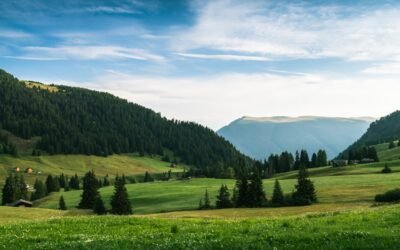
The best time to visit Kırklareli depends on whether you want to explore its historic streets, walk through flooded forests, or relax on the Black Sea coast. This province in northwestern Türkiye has warm summers, cold winters, and distinct spring and autumn seasons. Choosing the right month can make a big difference to your weather, travel costs, and available activities.
Quick Answer
The best time to visit Kırklareli is May to early June or September to early October. These periods offer comfortable temperatures for sightseeing, hiking, and exploring the Longoz Forests. Choose July or August for swimming in İğneada and Kıyıköy. Winter suits visitors seeking quieter streets and potentially lower accommodation prices.
Last checked: September 25, 2026. Key climate figures, attraction information, and stated event dates were checked against official sources.
Key Takeaways
- May averages 24°C during the day, making it suitable for sightseeing and forest walks.
- July and August are the warmest months, with average daytime highs above 31°C.
- September remains warm, while October brings cooler weather and autumn colors.
- Dupnisa Cave has seasonal restrictions, so not every section is accessible throughout the year.
- Summer weekends, national holidays, and major local festivals can be busier than ordinary weekdays.
Best Time to Visit Kırklareli by Month
Kırklareli has four distinct seasons, with substantial differences between summer and winter temperatures. The city is generally warmest in July and August, while January is the coldest month.
The following figures come from the Turkish State Meteorological Service’s official Kırklareli climate statistics. They represent long-term averages for the city, not forecasts or Black Sea coastal temperatures.
| Month | Average High | Average Low | Monthly Rainfall | Travel Conditions |
|---|---|---|---|---|
| January | 7.2°C | 0.3°C | 61.9 mm | Cold, quiet; indoor attractions |
| February | 9.2°C | 1.0°C | 48.3 mm | Cold; occasional winter conditions |
| March | 12.8°C | 3.4°C | 48.8 mm | Early spring; cool walks |
| April | 18.4°C | 7.3°C | 39.1 mm | Green landscapes; spring walks |
| May | 24.0°C | 12.0°C | 53.6 mm | Sightseeing, nature, cultural events |
| June | 28.7°C | 16.1°C | 56.2 mm | Early summer; coast and countryside |
| July | 31.3°C | 18.4°C | 34.2 mm | Beach season; busier weekends |
| August | 31.5°C | 18.6°C | 19.1 mm | Warmest beach period; summer crowds |
| September | 26.6°C | 14.5°C | 39.9 mm | Warm days; quieter coastal visits |
| October | 20.1°C | 10.3°C | 60.6 mm | Autumn foliage; vineyard visits |
| November | 14.0°C | 6.0°C | 62.4 mm | Cooler, wetter; quieter travel |
| December | 8.7°C | 2.1°C | 61.7 mm | Cold; indoor sightseeing |
These averages describe typical conditions, not the temperature on a particular day. Inland Kırklareli and coastal destinations such as İğneada can also experience different weather.
Spring in Kırklareli: March to May
Spring brings greener landscapes and increasingly comfortable temperatures. April and May are especially suitable for sightseeing, photography, and exploring the province’s forests.
March: Early Spring and Quiet Streets
March remains cool, with an average daytime high of 12.8°C. It is suitable for city visits and short outdoor walks, although mornings and evenings can feel cold.
The countryside begins its transition toward spring. Wear layers and allow flexibility for wet or muddy conditions on forest paths.
April: Green Landscapes and Spring Showers
April brings average daytime highs of 18.4°C. This makes walking around Kırklareli, visiting historic sites, and enjoying the countryside more comfortable.
The Longoz Forests become particularly interesting as seasonal water levels and new plant growth change the landscape. Rain remains possible, so waterproof footwear is useful.
May: One of the Best Months to Visit
May is one of the strongest choices for a general sightseeing trip. Its average high reaches 24°C, while the average low is 12°C.
The weather suits longer walks, forest excursions, and visits to nearby towns. Local spring celebrations also make this an appealing period for cultural travel.
However, major May events and public holidays can attract additional visitors. Those seeking a quieter trip should consider ordinary weekdays.
Summer in Kırklareli: June to August
Summer is the main season for beach holidays along Kırklareli’s Black Sea coast. June offers an early taste of summer, while July and August bring the highest temperatures and greater demand for coastal accommodation.
June: Early Summer and Coastal Trips
June has an average daytime high of 28.7°C. Early June can still offer a good balance between sightseeing and warmer outdoor activities.
As the month progresses, İğneada and Kıyıköy become more attractive for beach visits. The beginning of the month may suit travelers who want to avoid the busiest summer period.
July: Hot Weather and Popular Beaches
July averages 31.3°C during the day, with an average monthly rainfall of 34.2 mm. Temperatures can occasionally exceed 35°C.
It is a popular period for swimming, sunbathing, and enjoying the coastline. However, hotels, restaurants, and popular attractions can become significantly busier, especially during weekends.
Plan longer sightseeing walks for the morning or evening to avoid the strongest daytime heat.
August: Warmest Average Daytime Temperatures
August has an average daytime high of 31.5°C, slightly above July’s 31.3°C. Both months share the same average monthly temperature of 24.6°C.
August also has the lowest average monthly rainfall, at 19.1 mm. It remains a popular time for Turkish holidaymakers, particularly around the coast.
The warm sea can make swimming appealing, but beach conditions still depend on wind, waves, and local safety warnings.
Autumn in Kırklareli: September to November
Autumn offers a gradual return to comfortable sightseeing temperatures. September remains warm, October brings cooler weather and changing leaves, and November marks the transition toward winter.
September: Warm Days and Fewer Summer Crowds
September is an excellent month for combining the coast with countryside exploration. Average daytime temperatures reach 26.6°C, while evenings become noticeably cooler.
Swimming may still be comfortable in early September. Meanwhile, coastal walks, photography, and visits to historic districts can be more pleasant than during the height of summer.
October: Autumn Colors and Vineyard Visits
October has an average daytime high of 20.1°C and an average low of 10.3°C. These conditions suit walking, sightseeing, and exploring the forested areas of the province.
The Longoz Forests and surrounding Istranca Mountains offer changing autumn colors. October also overlaps with the region’s typical grape-harvest period.
Rainfall increases to an average of 60.6 mm, so visitors should prepare for occasional wet days.
November: Cooler Weather and Quiet Travel
November becomes noticeably colder, with an average daytime high of 14°C. Average monthly rainfall also rises to 62.4 mm.
It can still be a good month for museums, restaurants, markets, and short outdoor visits. However, longer forest excursions are more dependent on weather and ground conditions.
Bring warmer clothing, especially if you plan to spend time outside after sunset.
Winter in Kırklareli: December to February
Winter is the coldest and generally quietest period. It suits visitors who prefer city sightseeing, traditional food, and a slower travel pace rather than swimming or extended outdoor adventures.
December: Cold Weather and Shorter Days
December averages 8.7°C during the day and 2.1°C at night. Rainfall is relatively high, and snow is possible during colder spells.
The city remains active throughout winter, although some seasonal businesses along the coast may reduce their services.
January: The Coldest Month
January is usually the coldest month, with an average temperature of 3.3°C. Overnight temperatures can fall below freezing.
Snow may transform the surrounding countryside, but it can also make rural roads and outdoor exploration more difficult.
For visitors who enjoy quiet streets and indoor cultural attractions, January can still offer an enjoyable trip.
February: A Gradual Return Toward Spring
February remains cold, but its average daytime high rises to 9.2°C. Winter conditions may continue, particularly in higher or more exposed areas.
It is suitable for short city breaks and local dining. More demanding nature trips are better planned around favorable weather conditions.
When Is Kırklareli Most Crowded?
Visitor numbers vary by destination. Coastal towns experience stronger summer demand, while Kırklareli city can become busier during festivals and public holidays.
Peak Season: July and August
July and August are the main beach-holiday months, especially in İğneada and Kıyıköy.
Summer weekends can bring fuller hotels, busier restaurants, crowded parking areas, and greater demand for popular attractions such as Dupnisa Cave.
The beaches and areas around the Longoz Forests also attract day-trippers. Booking accommodation ahead is particularly useful during this period.
Shoulder Season: May to Early June and September to Early October
The shoulder seasons generally offer more manageable visitor numbers and greater flexibility when choosing accommodation.
These periods suit travelers who want to explore cultural attractions, forests, and coastal scenery without making swimming the main purpose of the trip.
May is not always quiet, however. Festivals and public holidays can create short periods of increased demand.
Off-Season: November to April
November through April is generally quieter for tourism, outside holidays and special events. December through February is usually the calmest stretch for coastal travel.
Visitors seeking solitude may appreciate the quieter atmosphere. However, seasonal coastal businesses can have reduced opening hours or close temporarily.
Central Kırklareli remains a practical base because its shops, restaurants, and everyday services serve residents throughout the year.
Public Holidays That Can Affect Crowds
Domestic holidays can increase travel demand even outside the usual peak season. For example, Türkiye’s official 2026 holiday calendar lists the following dates:
- May 1, 2026: Labour and Solidarity Day.
- May 19, 2026: Commemoration of Atatürk, Youth and Sports Day.
- May 26–30, 2026: The holiday period covering the eve and four days of Kurban Bayramı.
- July 15, 2026: Democracy and National Unity Day.
- August 30, 2026: Victory Day.
- October 28–29, 2026: Republic Day holiday period.
These are year-specific examples. Religious holiday dates change each year, so future trips should use the calendar for their actual travel year.
When Is Kırklareli Cheapest to Visit?
Accommodation costs generally follow seasonal demand, particularly in coastal areas. Summer is usually the more expensive period, while quieter months can provide greater flexibility and better room availability.
Summer: Higher Accommodation Demand
July and August can bring higher hotel and guesthouse rates, especially around İğneada and Kıyıköy.
Peak-season accommodation increases can reach 20–50% or more at some properties, although the actual difference depends on the hotel, room type, booking date, and demand.
Car rentals and organized activities may also cost more during busy periods. Local bus fares do not necessarily follow the same seasonal pricing pattern.
Shoulder Season: Better Balance Between Cost and Weather
May, early June, September, and early October often provide a favorable balance between pleasant weather and accommodation costs.
More room availability may also make it easier to choose your preferred location or adjust the length of your stay.
Food costs can remain reasonable throughout the year, particularly at local restaurants and markets. Tourist-oriented restaurants may charge more than everyday neighborhood eateries.
Winter: Potential Accommodation Savings
Winter can offer good accommodation deals, especially where businesses are trying to attract visitors during quieter months.
However, lower room prices do not always mean a cheaper overall trip. Limited coastal services, reduced tour availability, and weather-related transport changes can affect your plans.
If saving money is your priority, consider staying in Kırklareli city and choosing activities that remain available year-round.
Festivals and Special Events in Kırklareli
Kırklareli’s cultural calendar adds another reason to visit outside the main beach season. Spring celebrations, local festivals, markets, and harvest activities offer different ways to experience the region.
Hıdırellez: May 5–6
Hıdırellez is a traditional celebration marking the arrival of spring. It is usually observed on May 5–6 in Türkiye, with customs that can include music, dancing, picnics, and symbolic rituals.
Local celebrations may take place in Kırklareli and surrounding communities. However, the exact program varies by location.
Türkiye’s official tourism platform provides further information about Hıdırellez traditions and their cultural significance.
Kırklareli Karagöz Culture, Art and Kakava Festival: May
Kırklareli’s major cultural festival takes place in spring rather than late August or early September.
In 2026, the 32nd International Kırklareli Karagöz Culture, Art and Kakava Festival was held in May, alongside the Living Heritage Festival. Its main cultural celebrations took place May 21–24, with related sports events running May 18–24.
The municipality’s 2026 festival announcement documents the associated program.
The event celebrates local culture through performances, traditional arts, and community activities. It can make May a lively time to visit the city, although future festival dates should not be assumed to match the 2026 schedule.
Grape Harvest and Vineyard Activities: September and October
Kırklareli has a long history of grape growing and forms part of the Thrace Vineyard Route.
September and October are useful months for vineyard travel, with the region’s harvest generally taking place in October.
The official Thrace Vineyard Route guide identifies Kırklareli as one of the route’s main areas.
Some vineyards may offer harvest-related experiences, tours, or tastings. Smaller grape-harvest events can also provide a more personal introduction to regional agriculture, but individual programs vary.
Local Markets and Fairs: Throughout the Year
Weekly markets and occasional local fairs provide opportunities to experience everyday life in Kırklareli’s towns and villages.
They are useful places to explore regional produce, seasonal foods, and local products. Unlike a major annual festival, market activity is not limited to one travel season.
Best Time for Popular Activities in Kırklareli
The ideal travel period also depends on what you want to do. Historic districts, flooded forests, caves, beaches, and vineyards each have different seasonal advantages.
Historical Sites and City Sightseeing
Best time: May to early June and September to October.
Mild temperatures make it easier to explore Kırklareli’s streets, historic buildings, and nearby districts on foot.
The Hızırbey Complex, including its mosque, arasta, and historic bath, is one of the city’s notable cultural attractions.
Other options include Pınarhisar’s historic walls and the cultural sites of Vize. Cooler spring and autumn weather makes these excursions more comfortable than walking during peak summer heat.
Kırklareli Museum
Best time: Year-round.
The museum is a useful choice for a rainy day or a winter city break. Its collections cover natural history, archaeology, and ethnography.
According to the official Kırklareli Museum listing, admission is free. The stated opening hours are 08:30–17:30, with ticket-desk closing at 17:00. The museum is listed as open every day.
Hiking in İğneada Longoz Forests
Best time: April to June and September to October.
The Longoz Forests are among Kırklareli’s main natural attractions. A longoz is a forest that experiences seasonal flooding, creating a landscape of trees, wetlands, lakes, and waterways.
Spring brings fresh growth and seasonal flooding, while autumn offers changing foliage and comfortable walking temperatures.
The official İğneada Longoz Forests National Park information identifies an area of 3,155 hectares and describes its lakes, reed beds, and flooded woodland.
Summer visits are also possible, although hotter weather and insects can make longer walks less comfortable. Winter paths may become muddy or waterlogged.
Pro Tip: For a quieter forest experience, choose a weekday and visit earlier in the day. Bring suitable footwear and insect repellent, particularly when exploring wetland areas.
Exploring Dupnisa Cave
Best time: May 15 to mid-November for access to the seasonal visitor sections.
Dupnisa Cave is located near Sarpdere village in the Demirköy district. The cave system includes Kuru Cave, Sulu Cave, and Kız Cave.
The Kırklareli Provincial Directorate of Culture and Tourism states that Kuru Cave is accessible throughout the year under normal operating conditions.
Sulu Cave closes from November 15 to May 15 to protect bats. Kız Cave is closed to tourists because of its bat population.
The publicly accessible sections include approximately 250 metres of Sulu Cave and 200 metres of Kuru Cave.
Late spring and early autumn provide comfortable weather for reaching the cave and exploring the surrounding countryside. The cave itself remains cool, so bring an extra layer and wear shoes with good grip.
Temporary closures can also occur for maintenance or other operational reasons.
Birdwatching Around Saka Lake and Mert Lake
Best time: April to May and September to October.
Spring and autumn are useful periods for watching migratory birds around the wetlands.
Saka Lake and Mert Lake form part of the wider İğneada wetland environment. Their combination of water, reeds, and surrounding forest creates habitats for different bird species.
For easier observation, choose a quiet morning and use established viewing areas. Avoid disturbing birds or entering sensitive wetland habitats.
Swimming and Sunbathing in İğneada and Kıyıköy
Best time: Mid-June to early September.
The main beach season runs through summer, with July and August offering the warmest overall conditions.
İğneada is popular for its sandy Black Sea coastline and nearby forests. Kıyıköy offers coastal scenery, beaches, and a smaller-town atmosphere.
Early September can still be suitable for swimming, depending on sea temperatures and weather.
Warning: The Black Sea can develop dangerous waves and currents, even during warm weather. Use designated swimming areas, follow local warnings, and never assume calm-looking water is safe.
Coastal Walks, Photography, and Fishing
Best time: May to early June and September to October.
The shoulder seasons are especially pleasant for travelers who prefer coastal scenery rather than swimming.
Cooler temperatures can make longer walks easier, while quieter beaches provide more opportunities for photography.
Fishing conditions depend on weather, sea conditions, and the species being targeted. Local rules and any seasonal restrictions should be respected.
Food, Markets, and Local Cuisine
Best time: Year-round, with seasonal highlights.
Kırklareli’s food reflects its Thracian heritage, agricultural traditions, and proximity to the Balkans and Black Sea.
Spring and summer bring fresh vegetables and fruit. Autumn is associated with grapes and other harvest produce, while winter suits hearty regional meals.
Local specialties include Kırklareli köfte, regional cheeses, cured meats, and traditional dishes. Coastal restaurants in İğneada and Kıyıköy also serve seasonal fish.
For a food-focused visit, combine a local market with a traditional restaurant rather than relying only on tourist-oriented dining areas.
Final Thoughts on Planning Your Visit
For most travelers, late spring and early autumn provide the best balance of weather, activities, and manageable crowds in Kırklareli.
Choose May or early June for green landscapes and comfortable sightseeing. September and early October are excellent for forest walks, coastal scenery, and vineyard visits. July and August are more suitable if swimming is your main priority.
Winter offers a quieter alternative, particularly for museums, local food, and short city breaks. Match your travel dates to your preferred activities, then review the local weather forecast before departure.
Frequently Asked Questions
What is the best time to visit Kırklareli, Turkey?
The best time to visit Kırklareli is May to early June or September to early October. These months offer comfortable temperatures for sightseeing and nature trips. July and August are better for swimming, while winter suits travelers seeking a quieter visit.
What is the weather like in Kırklareli throughout the year?
Kırklareli has warm to hot summers and cold winters. Average daytime highs reach 31.3°C in July and 31.5°C in August. January is the coldest month, with an average temperature of 3.3°C. Spring and autumn generally offer milder conditions for outdoor activities.
When is the peak tourist season in Kırklareli?
July and August are the main tourist months, especially in the coastal towns of İğneada and Kıyıköy. Beaches, accommodation, restaurants, and popular natural attractions can become busier during summer weekends and holidays. May festivals can also increase visitor numbers in the city.
When is the off-peak season in Kırklareli?
The broader off-season runs from November to April, with December through February generally the quietest period for coastal tourism. Accommodation may be less expensive, but some seasonal businesses operate reduced hours. Kırklareli city remains active throughout the year.
What are the average costs of visiting Kırklareli?
Travel costs vary by season, accommodation type, and location. Summer accommodation is generally more expensive around popular coastal destinations, while quieter months may offer better room rates. Budget for lodging, meals, transportation, and any paid attractions or organized activities.
Does it snow in Kırklareli?
Yes, snowfall can occur in Kırklareli during winter. January is usually the coldest month, and overnight temperatures can fall below freezing. Snow is not guaranteed throughout the season, so visitors planning winter countryside trips should prepare for changing weather and road conditions.
When is the best time to visit İğneada Longoz Forests?
April to June and September to October are excellent periods for visiting the Longoz Forests. Spring brings fresh greenery and seasonal flooding, while autumn offers changing leaf colors. Summer is also possible, but hotter weather and insects may make longer walks less comfortable.
Is Dupnisa Cave open all year?
Dupnisa Cave has different access rules for its sections. Kuru Cave is normally accessible year-round, while Sulu Cave closes from November 15 to May 15 for bat protection. Kız Cave is closed to tourists. Temporary maintenance closures may also affect visits.
Sources
- Turkish State Meteorological Service: Official monthly temperature and precipitation statistics for Kırklareli.
- Directorate of Nature Conservation and National Parks: İğneada Longoz Forests National Park information.
- Kırklareli Provincial Directorate of Culture and Tourism: Dupnisa Cave, its visitor sections, and seasonal restrictions.
- Kırklareli Museum: Official admission information and opening hours.
- Kırklareli Municipality: 2026 festival-related event dates.
- GoTürkiye: Hıdırellez dates and traditions.
- GoTürkiye Thrace Vineyard Route: Regional vineyards and typical grape-harvest timing.
- Presidency of Religious Affairs: Official 2026 public and religious holiday dates.