✈️ Practical travel guides & honest gear reviews — trusted by explorers worldwide
Best Time To Travel

Best Time to Visit Çeşnigir Bridge, Kırıkkale: Weather, Crowds, and Costs

So, you’re wondering when’s the sweet spot for visiting Çeşnigir Bridge? It’s a fair question, and the answer boils down to a few key things: the weather, how busy it gets, and what your budget looks like. Generally, aiming for the shoulder seasons – spring and autumn – is your best bet for a pleasant experience that won’t break the bank. You get lovely weather, fewer people, and often better deals on accommodation and travel.

Understanding the Climate: Your Guide to Çeşnigir Bridge’s Weather

The weather is probably the first thing on your mind when planning a trip. You want to enjoy the views and the surroundings without being sweltering or shivering. Çeşnigir Bridge, situated in the Kırıkkale region of Turkey, experiences a continental climate, which means it can have quite distinct seasons.

Spring: A Gentle Awakening

Spring in Kırıkkale, typically from March through May, is a beautiful time. The harshness of winter fades, and the landscape starts to come alive.

March: The Transition Begins

March is a bit of a mixed bag. You might still get some chilly days, especially early in the month, and there’s a chance of rain. However, as the month progresses, you’ll notice the temperatures gradually warming up. It’s a good time if you don’t mind a potential cool breeze and are looking for fewer tourists.

April: Blossoms and Pleasant Temperatures

April is where spring really hits its stride. The weather becomes noticeably milder, with average temperatures hovering around the mid-to-high teens Celsius. The surrounding vegetation often starts to bloom, adding a splash of color to the scenery. It’s ideal for exploring on foot and taking in the historical marvel of the bridge.

May: Glorious Sunshine and Warmth

May is often considered one of the most pleasant months. The days are longer, and the sunshine is more consistent. Temperatures are comfortably warm, perfect for spending extended periods outdoors. You’ll find the area to be less crowded than in the peak summer months, making it a very agreeable time to visit.

Summer: Heat and Long Days

Summer in Kırıkkale, from June to August, is characterized by hot, dry weather and long daylight hours.

June: The Start of Summer’s Embrace

June marks the transition into summer. Temperatures start to climb, but it’s usually not yet oppressively hot. The days are long, giving you ample time to explore. You’ll start to see more visitors as families begin their summer holidays.

July & August: The Peak of Summer Heat

July and August are the hottest months. Daytime temperatures can regularly exceed 30°C (86°F), and sometimes reach into the high 30s. While the long daylight hours are great for sightseeing, the heat can be intense, especially if you’re not accustomed to it. This is also the peak tourist season, so expect larger crowds. Hydration is key, and early morning or late afternoon visits are recommended to avoid the midday sun.

Autumn: A Golden Farewell to Warmth

Autumn, from September to November, brings a welcome change from the summer heat and can offer some stunning natural beauty.

September: Lingering Warmth and Fewer Crowds

September is often a fantastic month. The intense heat of summer subsides, and the temperatures become much more comfortable, typically in the mid-20s Celsius. The days are still long enough for plenty of exploration, and the crowds begin to thin out considerably compared to July and August.

October: Crisp Air and Colorful Landscapes

October is when autumn truly settles in. The air becomes crisp and cool, and the surrounding landscapes might start to display beautiful autumnal colors. While the days are shorter, the moderate temperatures are perfect for walking and enjoying the historical site. Rain showers become more frequent, so it’s wise to pack accordingly.

November: Chilly Breezes and Early Winter

November signals the approach of winter. Temperatures drop significantly, and you can expect much cooler days, often with a distinct chill in the air. Rain is common, and snow is possible later in the month. This is definitely a time for warmer clothing, and many tourist services might begin to scale back.

Winter: Cold and Quiet

Winter in Kırıkkale, from December to February, is cold.

December, January, February: The Coldest Months

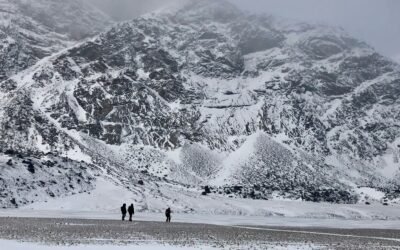
These months are the coldest, with temperatures frequently dropping below freezing, especially at night. Snowfall is common, which can add a dramatic, picturesque quality to the landscape, but it can also make travel conditions more challenging and limit outdoor activities. This is the quietest time of year for tourism, offering a stark contrast to the summer months. Accommodation prices are generally at their lowest.

Navigating the Crowds: When to Enjoy Çeşnigir Bridge with Peace

Crowds can significantly impact your experience. Visiting when it’s less busy means more space to appreciate the bridge and its surroundings, better photo opportunities, and potentially a more relaxed atmosphere.

Peak Season: The Summer Rush

The absolute peak season for tourism in Turkey generally coincides with the summer school holidays, meaning July and August are the busiest months for Çeşnigir Bridge.

July and August: School’s Out

During these months, you’ll encounter the largest numbers of tourists. This is often due to international holiday schedules and domestic travel as well. Expect more people around the bridge, especially during midday.

Shoulder Seasons: The Sweet Spot

The shoulder seasons offer a fantastic balance. You get good weather without the overwhelming crowds of peak summer.

April, May, September, October: The Goldilocks Months

These months are often ideal. The weather is pleasant enough for comfortable exploration, but the tourist numbers are noticeably lower. You can enjoy the bridge and its history with a sense of tranquility. This is when many locals would recommend visiting.

Off-Season: Quiet Solitude

The off-season offers the ultimate in solitude, but it comes with trade-offs.

November to March: The Winter Lull

During the colder months, visitor numbers dwindle significantly. If your priority is experiencing the bridge in near solitude, this is the time to go. However, be prepared for the weather and any potential limitations on local services that might be less frequent during this quiet period.

Budgeting Your Trip: Considering Costs Throughout the Year

Your travel budget will also play a role in deciding when to visit Çeşnigir Bridge. Prices for flights, accommodation, and even local activities can fluctuate depending on the time of year.

Peak Season Prices: Summer Premium

As with most tourist destinations, visiting during the peak summer months of July and August will likely mean higher prices.

Flights and Accommodation Surges

Airlines and hotels often increase their rates during the busiest travel periods to meet demand. Booking well in advance is crucial to secure any kind of reasonable pricing.

Shoulder Season Savings: Smart Travel

The shoulder seasons are generally a good compromise for your wallet.

Balanced Pricing in Spring and Autumn

You’ll find that prices for flights and accommodation tend to be more moderate during April, May, September, and October. This makes it a more budget-friendly time to travel while still enjoying good weather and fewer crowds.

Off-Season Deals: The Frugal Traveler’s Choice

If budget is your primary concern, the off-season offers the best opportunities for savings.

Winter Discounts

From November through March, you’re likely to find the lowest prices for flights and hotels. Many establishments offer significant discounts to attract visitors during the quieter, colder months. This is the time to snag a real bargain if you’re on a tight budget.

What to Pack and Prepare For

Knowing what to expect weather-wise will directly impact what you pack. Being prepared makes for a much more comfortable and enjoyable trip.

Spring and Autumn Essentials: Layering is Key

  • Light to Medium Jacket: Enough to ward off morning chills or evening coolness.
  • Sweaters or Fleeces: For layering when temperatures drop.
  • Long-Sleeved Shirts and Trousers: Versatile for varying temperatures.
  • Comfortable Walking Shoes: You’ll likely be doing some exploring on foot.
  • Scarf and Hat: Handy for cooler days or windy conditions.
  • Umbrella or Light Raincoat: Especially for April, October, and November.

Summer Gear: Beating the Heat

  • Lightweight, Breathable Clothing: Cotton and linen are your friends.
  • Sunscreen, Hat, and Sunglasses: Essential for sun protection.
  • Plenty of Water Bottles: Stay hydrated – you’ll need it.
  • Comfortable Sandals or Walking Shoes: For those hot days.
  • Light Scarf: Can be useful for modest entry into places or for a little sun protection.

Winter Wardrobe: Staying Warm

  • Warm, Insulated Jacket: Something waterproof is a good idea.
  • Thermal Underwear: Essential for colder days.
  • Warm Sweaters and Fleeces: Layer up significantly.
  • Waterproof Trousers: If snow is likely.
  • Sturdy, Waterproof Boots: Crucial for snow and ice.
  • Gloves, Warm Hat, and Scarf: Protect extremities from the cold.

Practical Tips for Visiting the Bridge

Beyond the general advice on weather, crowds, and costs, a few practicalities can enhance your visit to Çeşnigir Bridge.

Getting There and Around

Çeşnigir Bridge is located near Kırıkkale city.

  • By Air: The nearest major airport is Esenboğa International Airport (ESB) in Ankara. From Ankara, you can take a bus, train, or rent a car to reach Kırıkkale.
  • By Road: Kırıkkale is well-connected by road networks. If you’re driving, ensure your vehicle is suitable for the road conditions, especially during winter.
  • Local Transport: Once in Kırıkkale, you might need to arrange a taxi or local transport to reach the bridge itself, as it’s not always directly in the city center. Hiring a car for the day can offer flexibility.

Planning Your Visit Duration

  • Half-Day to Full-Day: Depending on your interest and how you wish to explore, you can spend anywhere from a few hours to a full day around the bridge. Consider visiting in conjunction with other nearby historical or natural sites.

What to Expect at the Site

  • Historical Significance: The bridge itself is a significant Ottoman-era structure, known for its impressive engineering for its time.
  • Natural Surroundings: The bridge is often set against a backdrop of natural landscapes, which can be particularly beautiful during spring and autumn.
  • Amenities: Check in advance for current facilities. There might be limited services directly at the bridge site itself, so bring any snacks or drinks you might need.

Conclusion: Finding Your Perfect Moment

Ultimately, the “best” time to visit Çeşnigir Bridge is subjective and depends on your priorities.

  • For the Best Weather and Moderate Crowds: Aim for late spring (May) or early autumn (September/early October). These months offer pleasant temperatures, good visibility, and a more relaxed atmosphere with fewer tourists.
  • For Budget Travelers Who Don’t Mind the Cold: The winter months (November to March) will offer the lowest prices, but be prepared for cold weather and potentially limited accessibility.
  • For those Who Prioritize Warmth and Don’t Mind Crowds: Summer (July/August) provides consistent heat and long days, but expect higher prices and larger numbers of visitors.
  • For a Balance of Everything: May and September are often highlighted as the sweet spot, offering a delightful combination of good weather, manageable crowds, and reasonable costs.

No matter when you choose to visit, Çeşnigir Bridge is a remarkable historical site that’s well worth the journey. A little planning goes a long way in ensuring you have a truly memorable experience.

FAQs

1. What is the best time to visit Çeşnigir Bridge in Kırıkkale?

The best time to visit Çeşnigir Bridge in Kırıkkale is during the spring and autumn months, specifically in April-May and September-October. During these times, the weather is pleasant and the crowds are smaller, allowing for a more enjoyable experience.

2. What is the weather like at Çeşnigir Bridge throughout the year?

The weather at Çeşnigir Bridge varies throughout the year. Summers are hot and dry, with temperatures reaching up to 30°C (86°F). Winters are cold and can experience snowfall, with temperatures dropping to around 0°C (32°F). Spring and autumn offer milder temperatures and are considered the best times to visit.

3. When are the crowds at Çeşnigir Bridge the largest?

The crowds at Çeşnigir Bridge are largest during the summer months, particularly in July and August. These months coincide with the peak tourist season, resulting in larger crowds and potentially longer wait times at popular attractions.

4. Are there any cost considerations when visiting Çeşnigir Bridge?

There are no entrance fees or specific costs associated with visiting Çeşnigir Bridge. However, visitors should consider the cost of transportation, accommodation, and meals when planning their trip to Kırıkkale.

5. What are the off-peak months to visit Çeşnigir Bridge?

The off-peak months to visit Çeşnigir Bridge are during the winter months, from December to February. During this time, the weather is cold and the crowds are minimal, making it a quieter and potentially more affordable time to visit.

N
Travel Writer
Nolan Ridgeway is a destination planning writer at Lele Tours. He specializes in helping readers discover the best time to visit cities, states, countries, beaches, national parks, and seasonal attractions. His guides explain how weather, crowds, prices, local events, and seasonal activities can affect a trip. Nolan helps travelers compare different months and choose a suitable time based on their destination, budget, and preferred experiences. He writes about topics such as the best time to visit, the cheapest months to travel, peak and off-season travel, seasonal weather, festivals, and places worth visiting during each part of the year. Nolan’s goal is to help readers choose where to travel and when to go so they can plan more comfortable, enjoyable, and well-prepared trips.

Leave a Comment

Your email address will not be published. Required fields are marked *