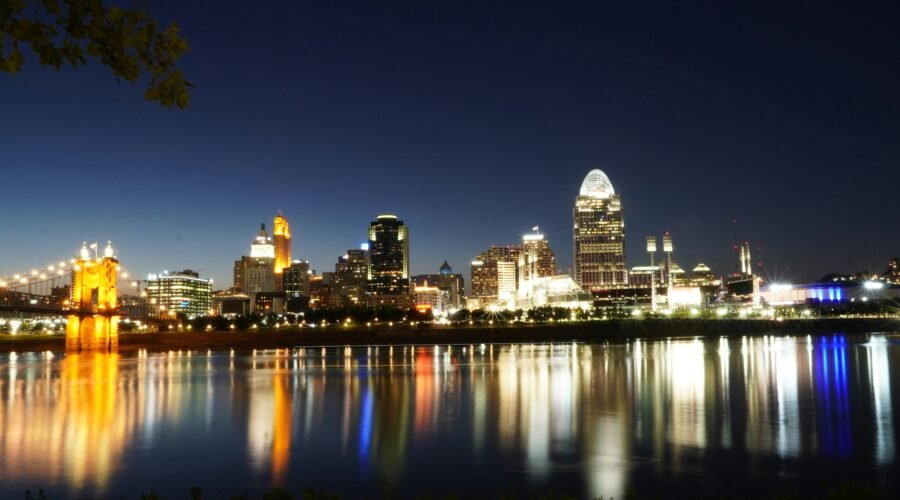
When to visit Cincinnati really comes down to what you want from the trip. For most travelers, late spring and early autumn give you the strongest mix of comfortable weather, outdoor activities, and a busy event calendar without relying on the hottest or coldest parts of the year. May, early June, September, and October are especially worth considering, but each season has its own advantages.
Quick Answer
The best time to visit Cincinnati is usually May to early June or September to October. These periods offer comfortable conditions for walking, parks, sports, and festivals. September is warmer than many travelers expect, while October brings cooler air and some of the region’s best fall color. January and February are better choices if keeping travel costs low is your main priority.
Key Takeaways
- Best overall: May, early June, September, and October balance weather, outdoor activities, and events.
- Best for summer festivals: June through August, if you can handle heat and humidity.
- Best for fall color: October, with peak color often developing around the third week of the month.
- Best chance for lower travel rates: January and February outside major event dates, although airfare and hotel prices are never guaranteed.
- Best holiday atmosphere: Late November through December, when seasonal lights and winter attractions begin.
Best Time to Visit Cincinnati at a Glance
| Your Priority | Best Time | What to Expect |
| Best overall weather | May, early June, September, October | Milder temperatures and good conditions for walking and outdoor sightseeing |
| Festivals and summer energy | June-August | Long days, baseball, concerts, festivals, heat, and humidity |
| Fall foliage | October | Cooler weather and colorful parks, hillsides, and river views |
| Holiday atmosphere | Late November-December | Holiday lights, skating, markets, and colder weather |
| Fewer tourists and possible bargains | January-February | Cold conditions, quieter attractions, and a better chance of off-season hotel deals |
Pro Tip: Cincinnati’s biggest events can temporarily turn a normally good-value month into an expensive weekend. Check the Reds schedule, major festivals, conventions, and downtown events before assuming spring or fall hotel prices will be lower than summer.
1. Spring: Late April to Early June
If you’re after comfortable weather and a lively city without midsummer heat, late spring is one of Cincinnati’s best travel windows.
1.1 Weather: Blooming and Mild
- Temperatures: Conditions warm quickly through spring. National Weather Service 1991-2020 normals for Cincinnati show a May average high of about 74.5°F and an average low of 53.7°F. Early June is warmer, so lightweight layers work better than planning for one fixed temperature.
- Rainfall: Spring can be wet. The same NWS normals put May precipitation at about 4.67 inches, so occasional showers and thunderstorms belong in your plans.
- Humidity: Humidity is usually easier to handle than during the middle of summer, although warm and muggy days can still occur.
For Cincinnati, the National Weather Service’s 1991-2020 May normals are 74.5°F for the average high and 53.7°F for the average low — a comfortable range for many outdoor sightseeing days.
1.2 Crowds: Growing but Manageable
- The city becomes much more active as warmer weather returns, especially on sunny weekends.
- Events: Cincinnati Reds baseball is underway by this point. Cincinnati’s famous Opening Day happens earlier, usually in late March; in 2026, the Reds opened at home on March 26. MLB’s official Reds coverage confirms the date.
- Bockfest timing: Bockfest celebrates the coming of spring but takes place in early March, not during the late-April-to-June window. The official Bockfest website lists its annual schedule.
- Parks and attractions: Smale Riverfront Park, Washington Park, and the Cincinnati Zoo & Botanical Garden become busier, but spring generally remains comfortable for walking and outdoor sightseeing.
1.3 Costs: Often Good Value, but Event Dates Matter
- Flights: Airfares vary by route and booking date rather than following a guaranteed seasonal pattern. Compare weekday and weekend departures instead of assuming spring is always cheaper.
- Accommodation: Hotel rates can jump around baseball games, graduations, festivals, conventions, and other major weekends. On ordinary dates, spring can still offer good value.
- Activities: Walking neighborhoods, enjoying riverfront parks, and exploring many public spaces can keep daily sightseeing costs low.
1.4 Why Spring Might Be Right for You
- You love walking and exploring without midsummer heat.
- You enjoy outdoor dining and riverfront activities.
- You want an active atmosphere without planning your entire trip around summer vacation.
- You don’t mind carrying a light rain jacket or umbrella.
If you have questions about this travel guide or the website, you can use the Lele Tours contact page.
Warning: Spring and summer thunderstorms can develop quickly in the Ohio Valley. Check the National Weather Service Wilmington, Ohio forecast before long outdoor activities, especially when thunderstorms, high winds, or heat are possible.
2. Summer: Mid-June to August
Summer in Cincinnati brings baseball, neighborhood events, concerts, festivals, and long evenings outside. The tradeoff is hotter weather, higher humidity, and busy weekends around popular attractions.
2.1 Weather: Hot and Humid
- Temperatures: July is typically the hottest part of the season. National Weather Service 1991-2020 normals at Cincinnati show an average July high of 86°F and an average low of 65.9°F.
- Hot days: NWS normals indicate roughly 7.9 July days reach at least 90°F, so heat is not unusual.
- Humidity: Muggy conditions can make afternoons feel hotter than the thermometer suggests. Plan indoor breaks and carry water if you’re walking for several hours.
- Rainfall: Summer thunderstorms remain possible. July’s normal precipitation is about 3.83 inches, so a dry-looking morning does not guarantee a rain-free afternoon.
2.2 Crowds: Busy, Especially Around Events
- Families traveling during school vacations add to summer demand, but Cincinnati does not have one simple citywide “peak season.” Some major spring and fall weekends can be just as busy.
- Major events: Summer can include the Panegyri Greek Festival, Cincinnati Music Festival, neighborhood celebrations, and the Black Family Reunion.
- Labor Day weekend: The Western & Southern/WEBN Fireworks and Riverfest is a major riverfront draw. In 2026, the event is scheduled for September 6, making Labor Day weekend considerably busier than an ordinary late-summer weekend.
- Attractions: The Cincinnati Zoo, riverfront parks, and Reds games can be especially active. Newport Aquarium is just across the Ohio River in Kentucky.
- Kings Island: Kings Island is in Mason, Ohio, about 20 miles northeast of Cincinnati. Visit Cincy describes it as roughly a 30-minute drive from downtown in normal conditions, rather than an hour.
- Downtown and Over-the-Rhine: Expect a lively atmosphere on weekend evenings.
2.3 Costs: Demand Depends Heavily on Your Dates
- Flights: Summer vacation demand can raise fares on some routes, but there is no reliable rule that every summer weekend will be the year’s most expensive. Compare multiple travel dates if possible.
- Accommodation: Hotels can cost more when major concerts, festivals, sports events, or conventions increase downtown demand.
- Activities: Parks and some outdoor events remain free, while baseball tickets, concerts, theme parks, and special attractions add to the trip budget.
2.4 Why Summer Might Be Right for You
- You love festivals, outdoor concerts, baseball, and a busy atmosphere.
- You plan to spend time at Kings Island, the zoo, or other family attractions.
- You don’t mind heat and humidity or are happy to schedule indoor breaks.
- You’re traveling with children during school vacation.
- You can book early when visiting on a major event weekend.
3. Autumn: September to October
For many travelers, early autumn is Cincinnati at its best. September still feels warm, while October becomes distinctly cooler and brings the strongest fall-color opportunities.
3.1 Weather: Warm September, Cooler October
- September: National Weather Service 1991-2020 normals show an average high of about 78.9°F and low of 57.3°F. That is warmer than the original idea that autumn highs are mainly in the 60s and low 70s.
- October: Normal temperatures fall to about 66.7°F for the average high and 45.7°F for the average low, making layers increasingly useful.
- Rainfall: Normal precipitation is about 3.11 inches in September and 3.35 inches in October, lower than Cincinnati’s May normal.
- Fall foliage: Color develops through October. Visit Cincy says peak fall color typically arrives around the third week of October, although weather can shift the timing from year to year.
3.2 Crowds: Less Summer Vacation Traffic, but Big Event Weekends
- Family vacation traffic usually drops after school resumes, but September can still be very busy around major events.
- Oktoberfest Zinzinnati: This is one of Cincinnati’s signature events. The official festival describes it as America’s largest Oktoberfest; the 2026 celebration runs September 17-20 at Sawyer Point and Yeatman’s Cove. Check the official Oktoberfest Zinzinnati site for the current year’s dates.
- Sports: Reds baseball reaches the final part of the regular season, while FC Cincinnati and football can add major local crowds depending on the date.
- Attractions: Parks, museums, the zoo, and riverfront areas remain active but generally feel less like summer-vacation destinations on ordinary weekdays.
3.3 Costs: Good Opportunities Between Major Events
- Flights: Post-summer dates can offer attractive fares, especially when you have flexibility, but prices vary by route and demand.
- Accommodation: September festival weekends can be expensive. October weekends may also become busy during fall events, football games, or conventions.
- Activities: Scenic walks, parks, neighborhood exploring, and fall-color viewing can be inexpensive or free.
3.4 Why Autumn Might Be Right for You
- You prioritize comfortable weather for outdoor activities and walking.
- You love fall colors and photography.
- You prefer visiting after the main summer-vacation period.
- You want the possibility of better-value travel between major event weekends.
- You want to experience Oktoberfest Zinzinnati.
Note: September and October should not be treated as identical weather months. September’s normal high remains close to 80°F, while October’s normal high is in the upper 60s. If you want true jacket weather and stronger fall color, October is usually the better choice.
4. Early Winter: November to Early December
This window can work well for travelers who want a quieter city break combined with the start of Cincinnati’s holiday season. Temperatures are noticeably colder, but many seasonal attractions begin before the busiest Christmas travel dates.
4.1 Weather: Chilly and Variable
- Temperatures: November often starts fairly mild and turns colder as the month progresses. By December, freezing nights become increasingly common.
- Precipitation: Rain is possible, and the first snow or mixed precipitation can occur as colder air settles in.
- What to wear: Bring layers, a warm jacket, and shoes that handle wet sidewalks comfortably.
4.2 Crowds: Usually Moderate Outside Holiday Peaks
- November can feel quieter outside major weekends, although Thanksgiving travel changes demand.
- Festival of Lights: Cincinnati Zoo’s PNC Festival of Lights is a major seasonal attraction. The 2026-27 edition runs from November 19, 2026 through January 3, 2027. Check the Cincinnati Zoo’s official Festival of Lights page for current details.
- Ice skating: Cincinnati’s longstanding downtown rink is no longer at Fountain Square. Beginning in 2025, the UC Health Ice Rink moved to Elm Street Plaza. The official rink page says it will return in November 2026.
- Holiday markets: Seasonal markets and other holiday programming appear throughout the Cincinnati region, but exact dates and locations change each year.
- Shopping: Over-the-Rhine, downtown, and neighborhood shopping districts become increasingly festive as December approaches.
4.3 Costs: Potential Bargains Between Busy Dates
- Flights: Fares can be reasonable on ordinary November and early-December dates but often rise around Thanksgiving and the Christmas travel period.
- Accommodation: Some off-peak nights can offer good hotel value, while holiday events, conventions, and weekend demand can raise rates.
- Activities: Holiday attractions range from free public displays to ticketed events, so check admission prices before setting your daily budget.
4.4 Why Early Winter Might Be Right for You
- You enjoy a festive and cozy atmosphere.
- You want to travel before the main Christmas and New Year rush.
- You don’t mind bundling up for outdoor sightseeing.
- You want holiday lights, skating, and seasonal events without relying entirely on outdoor attractions.
For information about how this website handles affiliate relationships, see the affiliate disclosure.
5. Deep Winter: Mid-December to March
Deep winter in Cincinnati is variable. You might get a mild, dry stretch, freezing rain, snow, or several different conditions during the same trip. It is generally the quietest period for traditional sightseeing once the Christmas and New Year holidays have passed.
5.1 Weather: Cold and Unpredictable
- Temperatures: January and February are normally the coldest part of the year. March begins the transition toward spring and can be much milder than midwinter.
- Snow and ice: Cincinnati can receive snow, freezing rain, or icy road conditions. Amounts vary substantially from one winter to another.
- Daylight: December and January have shorter daylight hours, so outdoor itineraries require more planning.
- Travel disruption: If you’re flying or driving during a winter storm, build flexibility into your schedule rather than assuming roads and flights will operate normally.
5.2 Crowds: Low After the Holidays
- Outside Christmas and New Year’s travel dates, January and February are generally much quieter for leisure tourism.
- Early March: Bockfest brings a significant burst of activity to Over-the-Rhine and downtown. It celebrates spring but takes place before the late-spring travel period.
- Indoor attractions: Cincinnati Museum Center, Cincinnati Art Museum, breweries, restaurants, performing arts venues, and Newport Aquarium are useful cold-weather options.
- Sports: Cincinnati Cyclones hockey and other indoor events can give you plenty to do even when the weather is poor.
5.3 Costs: Often the Best Chance for Off-Season Value
- Flights: January and February may offer lower fares on some routes after holiday demand fades, but there is no guarantee that they will be the cheapest dates for every traveler.
- Accommodation: Quieter winter nights often provide a better chance of discounted hotel inventory, particularly outside major events.
- Activities: Museums, galleries, restaurants, breweries, and indoor attractions make it possible to build a full winter itinerary without depending on favorable outdoor weather.
5.4 Why Deep Winter Might Be Right for You
- You’re prioritizing budget over warm weather.
- You’re primarily interested in museums, breweries, restaurants, performing arts, or other indoor attractions.
- You prefer quieter sightseeing periods.
- You’re visiting friends or family rather than building the trip around outdoor attractions.
- You’re prepared for changing weather and possible snow or ice disruptions.
How to Choose the Best Month for Your Trip
If two seasons both sound appealing, choose based on what matters most to you rather than trying to find one universally perfect month.
- Choose May for spring greenery, baseball, comfortable afternoons, and lots of outdoor activity. Keep a rain layer handy.
- Choose June if you want warmer evenings and a fuller summer event calendar but would rather avoid July’s typical heat.
- Choose September for festivals and warm weather without the heart of summer vacation. Do not expect crisp fall temperatures every day.
- Choose October for cooler walking weather, autumn color, and photography.
- Choose late November or early December for holiday lights and skating before the busiest late-December travel period.
- Choose January or February if your schedule is flexible, indoor attractions appeal to you, and you want the best chance of quieter hotels.
Booking and Packing Tips
- Check event dates before booking: Oktoberfest, Riverfest, Reds games, concerts, conventions, and other large events can affect hotel availability and downtown traffic.
- Compare weekday rates: A Sunday-through-Thursday trip can sometimes cost less than a Friday or Saturday stay.
- Pack layers in spring and fall: Morning and afternoon temperatures can feel very different.
- Bring rain protection: Cincinnati receives precipitation throughout the year, not just during one defined rainy season.
- Plan indoor backups: Thunderstorms, summer heat, winter snow, or cold rain can change outdoor plans quickly.
- Check the forecast close to departure: Seasonal averages describe what is typical, not what will happen during your exact trip.
In summary: If you want Cincinnati’s strongest all-around combination of weather and outdoor sightseeing, aim for May to early June or September to October. September stays fairly warm, while October is better for crisp air and fall color. Summer is ideal for travelers who prioritize festivals and family attractions despite heat and humidity. January and February are quieter and can offer strong value if you’re comfortable with winter weather.
Frequently Asked Questions
What is the best time of year to visit Cincinnati for favorable weather?
May, early June, September, and October are usually the most comfortable choices. May offers mild spring weather, September remains warm, and October brings noticeably cooler temperatures and fall color.
When is the peak tourist season in Cincinnati?
There is no single citywide peak that applies to every trip. Summer vacation brings families and outdoor-event traffic, while major spring and fall weekends can be equally busy because of baseball, festivals, football, Oktoberfest, conventions, and other events.
What is the off-peak season in Cincinnati?
January and February are generally among the quietest months for leisure tourism after the holiday period. They can be good choices for museums, restaurants, breweries, indoor attractions, and travelers hoping to find off-season hotel rates.
Which major events can affect the best time to visit Cincinnati?
Major examples include Reds Opening Day in late March, Bockfest in early March, summer festivals and concerts, Riverfest around Labor Day, and Oktoberfest Zinzinnati in September. Exact dates change each year, so verify the official event calendar before booking.
Is the Cincinnati Flower Show held every April?
Do not assume it is an annual April event. The Cincinnati Horticultural Society’s current Flower Show page says it did not produce the show in 2024 and does not provide a current 2026 edition on that page. Check the society’s official site for a newly announced show before planning a trip around it.
What is the best month to see fall colors in Cincinnati?
October is the best bet. Visit Cincy says peak fall color typically develops around the third week of October, although temperature, rainfall, and wind can shift the timing each year.
When is the cheapest time to visit Cincinnati?
January and February often give travelers a better chance of finding lower hotel rates after the holidays, but there is no guaranteed cheapest month. Airfare and lodging prices depend on your route, booking date, day of week, conventions, sports, and local events.
Is summer too hot for sightseeing in Cincinnati?
Not necessarily, but July and August can be hot and humid. July’s normal average high is around 86°F, and 90°F days are normal. If you’re sensitive to heat, plan outdoor activities for mornings and evenings and use museums, restaurants, or other indoor attractions during the hottest part of the afternoon.
Sources
- National Weather Service Wilmington — Climate Normals — explains the current 1991-2020 climate-normal period used for Cincinnati weather comparisons.
- Visit Cincy — Cincinnati & Northern Kentucky Visitor Information — seasonal travel guidance, attractions, and current destination information.
- Cincinnati Reds / MLB — Opening Day — supports Cincinnati Opening Day timing and its importance to the city.
- Oktoberfest Zinzinnati — official festival dates, location, and current visitor information.
- Cincinnati Zoo & Botanical Garden — PNC Festival of Lights — official holiday-event dates and details.
- Elm Street Plaza — UC Health Ice Rink — confirms the downtown rink’s move from Fountain Square and current seasonal location.