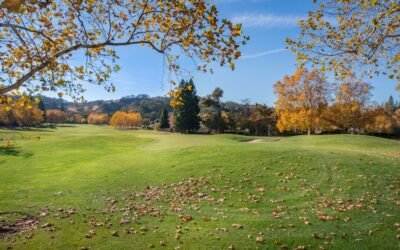
So, when’s the best time to visit Connecticut? Honestly, there isn’t one single “best” time for everyone. It really boils down to what you’re looking for. If you’re chasing vibrant foliage and crisp air, fall is your season. If beach days and sunny skies are your jam, summer’s calling. Spring offers a blooming landscape at a slightly lower cost, and winter has its quiet charm, especially for those who love snow sports or cozy indoor activities. We’ll break down the pros and cons of each season across weather, crowds, and costs to help you figure out what works best for your trip.
1. Spring (April – May): The Awakening
Spring in Connecticut is a beautiful transition, shedding the last vestiges of winter and bursting into life. It’s often overlooked, but it offers a unique charm for those willing to embrace a little unpredictability.
1.1 Weather in Spring: Mild and Unpredictable
Spring weather in Connecticut can be a mixed bag, which is part of its charm (or challenge, depending on your perspective).
- Early Spring (April): Expect average high temperatures in the low to mid-50s Fahrenheit (10-13°C) and lows in the upper 30s to low 40s (3-6°C). You might still encounter a late-season snowfall, especially in the higher elevations, but generally, it’s more about cool rains and gradually warming days. Don’t be surprised by a sudden cold snap or a surprisingly warm spell. Bringing layers is absolutely essential – a light jacket, a sweater, and maybe even a raincoat are good ideas.
- Late Spring (May): Things warm up considerably. Average highs climb into the low to mid-60s Fahrenheit (16-18°C), and lows are in the 50s (10-15°C). The risk of snow dwindles to almost zero, and sunny days become more frequent, though spring showers are still common. The air is often wonderfully fresh and clean after a rainstorm.
1.2 Crowds in Spring: Generally Lighter
Compared to the peak seasons of summer and fall, spring sees fewer tourists, especially in April.
- Before Memorial Day: This is your sweet spot for avoiding the biggest crowds. Attractions are starting to open up for the season, but the summer rush hasn’t quite begun. You’ll find more elbow room at popular spots like Mystic Seaport, Gillette Castle State Park, and the state parks.
- Memorial Day Weekend: This holiday marks the unofficial start of summer and brings with it a noticeable uptick in visitors, particularly to coastal areas and popular outdoor recreation spots. If you’re traveling around this time, expect higher demand for accommodations and slightly more crowded venues.
1.3 Costs in Spring: More Budget-Friendly
Traveling in spring, particularly before Memorial Day, can offer some savings.
- Accommodation: You’ll likely find better deals on hotels, B&Bs, and rental properties compared to summer or fall. Many establishments haven’t yet switched to their peak season pricing. Especially outside of major cities like New Haven or Hartford, you can secure some very reasonable rates.
- Flights: If you’re flying into Connecticut (via Bradley International Airport BDL or even New York/Boston airports), airfares tend to be lower than in the summer.
- Activities: While most attractions maintain consistent pricing, you might find some early-season promotions or packages, particularly for lodging that includes tickets to local sights. Gas prices also tend to be a bit lower than their summer peak.
1.4 Spring Activities & Highlights
- Flower Blooms: Gardens and parks come alive with tulips, daffodils, magnolias, and cherry blossoms. The Elizabeth Park Conservancy in Hartford is stunning with its rose garden (though roses peak a bit later) and early spring blooms.
- Hiking: Trails are less crowded, and the newly unfurling leaves offer a delicate green hue to the landscapes. Just be aware that some trails might still be muddy, especially after rain.
- Maple Sugaring (Early Spring): While the peak sugaring season is typically February-March, some operations might still be active into early April, offering a unique local experience.
- Antiquing & Shopping: Spring is a great time to explore Connecticut’s many antique shops and small town boutiques without the hustle and bustle.
If you’re planning a trip to Connecticut and want to make the most of your visit, you might find it helpful to read about the best times to explore the state’s charming attractions, considering factors like weather, crowds, and costs. For more insights into travel planning and tips, check out this related article on our website: Travel Tips and Insights.
2. Summer (June – August): Sun and Shores
Summer is Connecticut’s peak tourist season, and for good reason. The weather is generally fantastic, and the coastline truly shines.
2.1 Weather in Summer: Warm and Sunny
Summer in Connecticut is characterized by warm, often humid, and generally sunny days.
- Early Summer (June): Average highs are in the upper 70s Fahrenheit (24-26°C), with lows in the mid-60s (18-20°C). Humidity starts to build, but it’s generally manageable. It’s often considered one of the most pleasant summer months.
- Mid-Summer (July – August): These are the warmest months. Expect average highs in the low to mid-80s Fahrenheit (27-30°C), with lows in the upper 60s to low 70s (20-22°C). Humidity can be quite high, making it feel warmer than the actual temperature. Thunderstorms, sometimes severe, are also common, especially in the late afternoons. However, there are plenty of bright, clear days perfect for outdoor activities.
2.2 Crowds in Summer: Peak Season
Summer is when Connecticut truly comes alive with visitors, both from within the state and from out of state.
- Coastal Areas: Expect beaches, coastal towns like Mystic and Old Saybrook, and island ferries to be packed. Weekends are particularly busy.
- Major Attractions: Places like Mystic Aquarium, Gillette Castle, and even major shopping outlets will see significantly more visitors.
- State Parks and Lakes: Popular spots for hiking, swimming, and boating will draw large crowds, especially on warm days.
- Weekends vs. Weekdays: If you must visit in summer, try to plan your sightseeing for weekdays to avoid the biggest crowds. Arriving early in the morning at popular attractions can also make a big difference.
2.3 Costs in Summer: Highest Prices
Unsurprisingly, demand drives up prices during the summer months.
- Accommodation: This is when hotels, B&Bs, and especially coastal rental properties command their highest rates. Booking well in advance (3-6 months) is highly recommended, especially for popular areas or specific dates.
- Flights: Airfares will generally be at their peak.
- Activities: While entry fees to attractions are usually static, anything involving guided tours, specific water sports rentals, or popular events might see increased pricing or require advance booking. Gas prices also tend to be at their highest.
- Dining: Popular restaurants, especially those with outdoor seating or water views, will be busier and reservations are often a good idea. Pricing might also be slightly higher due to demand.
2.4 Summer Activities & Highlights
- Beaches & Coastal Towns: This is the time for swimming, sunbathing, boating, and exploring charming seaside villages. Hammonasset Beach State Park, Silver Sands State Park, and Eastern Point Beach are popular.
- Water Sports: Kayaking, paddleboarding, sailing, and fishing are all in full swing on Long Island Sound and the state’s many lakes and rivers.
- Outdoor Festivals & Concerts: Many towns host outdoor concerts, craft fairs, and food festivals. Check local tourism calendars for events.
- Hiking & Biking: Explore Connecticut’s scenic trails, but plan for earlier mornings or later evenings to avoid the peak heat and humidity.
- Farmer’s Markets: Abundant fresh produce and local goods are available.
3. Fall (September – November): Foliage Frenzy
Fall is arguably Connecticut’s most iconic season, drawing visitors from all over for its spectacular autumn foliage.
3.1 Weather in Fall: Crisp and Colorful
Fall weather is often ideal – cool, clear, and vibrant.
- Early Fall (September): Average highs are in the low to mid-70s Fahrenheit (21-24°C), with lows in the 50s (10-15°C). The air is crisp, and humidity drops significantly. The foliage begins to turn, particularly in the northern reaches of the state.
- Mid-Fall (October): This is prime foliage season. Average highs are in the mid-50s to low 60s Fahrenheit (13-17°C), with lows in the 40s (4-9°C). Expect brilliant sunshine interspersed with occasional cool, cloudy days. This is often described as perfect sweater weather. Peak foliage typically occurs mid-October, but it can vary by a week or two depending on elevation and annual weather patterns.
- Late Fall (November): The leaves have largely fallen, and temperatures drop further. Average highs are in the mid-40s to low 50s Fahrenheit (7-12°C), with lows in the 30s (0-5°C). It can be grey and windy, signaling the approach of winter, but there are also beautiful, clear days reminiscent of Indian Summer.
3.2 Crowds in Fall: Very High for Foliage
If you’re visiting for the leaves, prepare for company.
- Peak Foliage (Mid-October): This is Connecticut’s second busiest tourist season (after summer), especially in scenic areas like the Litchfield Hills and along scenic routes like Route 7 and Route 169.
- Weekends: Expect heavy traffic on popular foliage routes and crowded parking lots at scenic overlooks and state parks. Leaf peepers are a serious demographic!
- Coastal Areas: While less crowded than in summer, coastal towns still see a good number of visitors who combine foliage viewing with coastal charm.
3.3 Costs in Fall: Elevated, Especially for Peak Foliage
Due to the popularity of fall foliage, costs can be comparable to, or even exceed, summer prices in certain areas.
- Accommodation: Hotels and B&Bs in popular foliage viewing areas will have high demand and elevated prices, especially on weekends during peak season. Booking months in advance is crucial if you have specific dates or locations in mind.
- Flights: Airfares will likely be higher than in spring, though potentially slightly less than peak summer.
- Activities: While most attractions maintain standard pricing, specific foliage tours (e.g., boat tours, train rides) will be popular and might require advance booking. Dining in popular towns can also see increased demand.
3.4 Fall Activities & Highlights
- Foliage Drives: Route 7 in Western Connecticut, Route 169 in Northeastern Connecticut (a National Scenic Byway), and other back roads offer breathtaking views.
- Apple Picking & Pumpkin Patches: A quintessential fall activity at local farms throughout the state.
- Wineries & Breweries: Many offer outdoor seating and host events, making them perfect stops after a drive.
- Hiking: The cooler temperatures and stunning scenery make for excellent hiking conditions on trails like those in the Appalachian Trail region or Talcott Mountain State Park.
- Harvest Festivals: Many towns host festivals celebrating the harvest season with food, music, and crafts.
4. Winter (December – March): Quiet Charm
Winter in Connecticut can be starkly beautiful, offering a different, quieter experience for those who don’t mind the cold and potential snow.
4.1 Weather in Winter: Cold and Snowy
Winter brings freezing temperatures and precipitation, often in the form of snow.
- Early Winter (December): Average highs are in the upper 30s Fahrenheit (2-4°C), with lows in the low 20s (-6 to -4°C). Snow is possible, especially in late December. The holiday season brings festive lights and decorations to towns.
- Mid-Winter (January – February): These are the coldest months. Average highs are often below freezing, in the low 30s Fahrenheit (0-2°C), with lows in the teens and single digits (-12 to -7°C). January and February typically see the most snowfall. Expect blustery winds and icy conditions occasionally.
- Late Winter (March): Temperatures begin to creep up. Average highs are in the low 40s Fahrenheit (4-7°C), with lows in the upper 20s (-2°C). While still cold, the days noticeably lengthen, and the snow often starts to melt, though late-season storms are not uncommon.
4.2 Crowds in Winter: Lightest Season
Winter is generally the least crowded time to visit Connecticut, except around the holidays and for specific winter sports destinations.
- Weekends before Christmas: Towns are bustling with holiday shoppers and festivities.
- Ski Areas: Ski resorts in western Connecticut (like Mohawk Mountain or Ski Sundown) will naturally see crowds when snow conditions are good.
- Otherwise: Tourist attractions, museums, and historical sites will have fewer visitors, offering a more peaceful and intimate experience. Coastal areas are particularly quiet.
4.3 Costs in Winter: Most Affordable
For the budget-conscious traveler, winter often offers the best value.
- Accommodation: Outside of the Christmas-New Year’s holiday period, you’ll find the lowest rates for hotels, B&Bs, and rentals. Even in popular areas, prices drop significantly.
- Flights: Airfares are generally at their lowest, especially if you avoid the holiday travel rush.
- Activities: Many indoor attractions offer off-season promotions. Dining is also generally easier to book, and local specials might be more common.
4.4 Winter Activities & Highlights
- Skiing & Snowboarding: Small but enjoyable ski resorts offer a local option for snow sports enthusiasts.
- Cross-Country Skiing & Snowshoeing: Many state parks and forests offer groomed or ungroomed trails when there’s sufficient snow.
- Ice Skating: Numerous outdoor and indoor rinks pop up, often in charming town centers.
- Museums & Indoor Attractions: Perfect for escaping the cold. Explore the world-class Yale University Art Gallery, the Peabody Museum (check for reopening plans after renovation), or the New England Air Museum.
- Cozy Getaways: Enjoy fireplace dining, spa treatments, and the quiet charm of historic inns and towns.
- Holiday Festivities (December): Many towns host tree lightings, craft fairs, and festive events leading up to Christmas.
If you’re planning a trip to Connecticut and want to make the most of your visit, you might find it helpful to read about the best times to explore the state, considering factors like weather, crowds, and costs. For additional insights on travel planning, you can check out our article on meeting our team, which offers tips and recommendations to enhance your experience. Discover more by visiting our team page.
5. Final Thoughts: Tailoring Your Trip
Ultimately, the “best” time to visit Connecticut really depends on your travel priorities.
- If you crave sun and beach days: Summer is your season, but be prepared for crowds and higher costs.
- If vibrant fall foliage is a must: Mid-October delivers, but book well in advance and expect company.
- If you’re on a budget and prefer fewer crowds: Spring (before Memorial Day) or winter (excluding holidays) are excellent choices.
- If you love hiking and blooming landscapes without the summer heat: Spring offers a refreshing option.
- If you enjoy quiet, cozy getaways and potential snow sports: Winter has its unique appeal.
Connecticut is a state that truly transforms with each season, offering something different for every visitor. By considering what you value most – be it weather, crowd levels, or budget – you can pinpoint the ideal time for your perfect Connecticut adventure. Safe travels!
FAQs
1. What is the best time to visit Connecticut for favorable weather?
The best time to visit Connecticut for favorable weather is during the late spring (May-June) and early fall (September-October) when the temperatures are mild and the humidity is lower.
2. When is the peak tourist season in Connecticut?
The peak tourist season in Connecticut is during the summer months of July and August when the weather is warm and schools are on break. This is when crowds are at their highest and prices for accommodations and attractions are typically at their peak.
3. What is the off-peak season in Connecticut?
The off-peak season in Connecticut is during the winter months of January and February when the temperatures are cold and there is a higher chance of snow. This is when crowds are at their lowest and prices for accommodations and attractions are typically at their lowest.
4. When can visitors expect the highest costs for accommodations and attractions in Connecticut?
Visitors can expect the highest costs for accommodations and attractions in Connecticut during the peak tourist season of July and August, as well as during major holidays and special events.
5. What are the shoulder seasons in Connecticut?
The shoulder seasons in Connecticut are the late spring (May-June) and early fall (September-October) when the weather is still favorable but the crowds and costs are lower compared to the peak tourist season.