

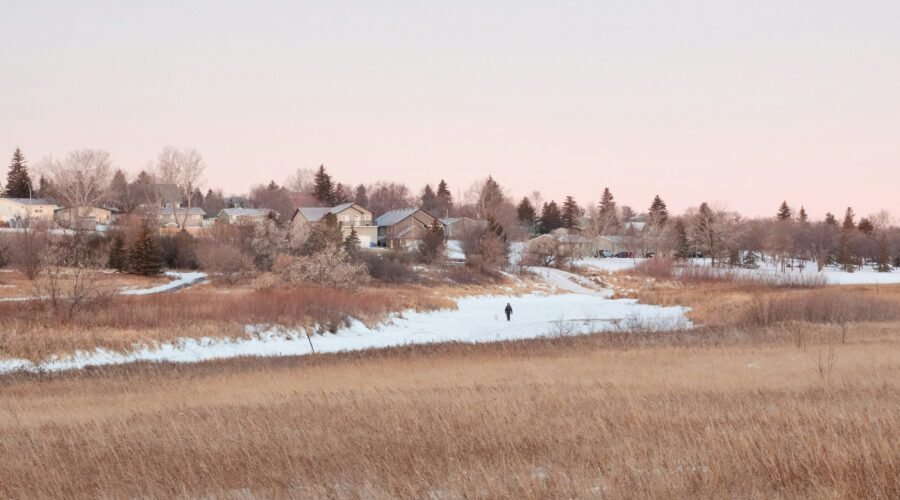
So, you’re thinking about a trip to Saskatchewan? Great choice! It’s a province that often flies under the radar, which is part of its charm. But before you pack your bags, you’re probably wondering about the best time to go, what kind of crowds to expect, and how much you’re likely to spend. Let’s break it down.
When is the Best Time to Visit Saskatchewan?
This really depends on what you’re after. Saskatchewan has distinct seasons, and each offers a different experience.
Summer: The Classic Saskatchewan Experience
Summer, from June to August, is hands-down the most popular time to visit. The weather is generally warm and sunny, perfect for getting out and exploring everything the province has to offer.
What to Expect Weather-Wise in Summer
You can generally count on daytime temperatures in the low to mid-20s Celsius (around 70-77°F). It’s not unusually hot, and the evenings can be pleasantly cool. There’s a good amount of sunshine, making it ideal for outdoor activities. However, it’s worth noting that Saskatchewan can get heat waves, so keep an eye on the forecast. Also, while not constant, summer showers do happen, so packing a light rain jacket is always a good idea. Thunderstorms are also a possibility, especially in the afternoon.
Summer Crowds and Activities
Because the weather is so accommodating, this is when you’ll encounter the most tourists, especially in popular spots like provincial parks and major cities for festivals. Think of it as prime time. However, “crowded” in Saskatchewan is relative. You’re unlikely to be shoulder-to-shoulder with people like you would in some more densely populated tourist destinations.
Summer is peak season for outdoor adventure:
- Hiking and Camping: Provincial parks like Grasslands National Park, Prince Albert National Park, and Cypress Hills Interprovincial Park are buzzing.
- Water Activities: Lakes are perfect for swimming, boating, fishing, and kayaking.
- Festivals and Events: Many communities host their summer festivals, rodeos, and agricultural fairs during these months, offering a great glimpse into local culture.
Summer Cost Considerations
Summer is the priciest season for travel in Saskatchewan. Accommodation, especially in or near popular parks and cities, will be at its highest. Booking well in advance is highly recommended if you’re planning a summer trip, particularly if you have specific accommodations or campsites in mind. Rental car prices can also creep up during this peak period.
Fall: Crisp Air and Beautiful Colours
September and October offer a distinct shift, bringing cooler temperatures and a different kind of beauty.
Fall Weather Outlook
Expect crisp, cool days, with average temperatures dropping into the teens Celsius (50s-60s°F). Mornings and evenings will be chilly, so layers are essential. The real show stopper here is the fall foliage, particularly in areas with deciduous trees. The colours can be absolutely stunning.
Fall Crowds and Scenery
Crowds thin out considerably after Labour Day. This is a fantastic time if you prefer a quieter experience. You’ll have more breathing room when exploring parks and attractions. The changing leaves in places like Prince Albert National Park provide a visually spectacular backdrop for hiking and photography. It’s also a good time for wildlife viewing as animals begin to prepare for winter.
Fall Budget Impact
Generally, you’ll find better deals on accommodation and potentially car rentals in the fall compared to summer. Many places offer shoulder-season rates. It’s a great time to travel if you’re looking to stretch your budget a bit further while still enjoying good weather for many activities.
Spring: Awakening and Rebirth (with caveats)
April, May, and early June mark spring in Saskatchewan. It’s a time of transition, with the landscape coming back to life.
Spring Weather in Saskatchewan
Spring can be a bit unpredictable. You might get beautiful, warm days followed by late snowfalls. Average temperatures are mild, often in the single digits to low teens Celsius (40s-50s°F), but this can fluctuate wildly. Wind is often a factor in spring. Mud in natural areas can also be an issue as the snow melts.
Spring Crowds and What to Do
Spring generally sees lower crowds. It’s a very quiet time to visit, which is appealing if you love solitude. Outdoor activities are dependent on the weather:
- City Exploration: Cities are great, as indoor attractions are always available, and pleasant days allow for walking tours.
- Wildlife Spotting: You might see migrating birds and newborn animals.
- Fishing: As lakes begin to thaw and warm up, fishing can be excellent.
However, many hiking trails in parks might still be wet or even snow-covered in early spring. Some campgrounds might not be open until later in the season.
Spring Cost Savings
You’ll likely find the lowest prices for accommodation and travel during the spring, especially outside of major holiday weekends. It’s an excellent option if your budget is a primary concern and you’re flexible with your plans and willing to contend with potentially less predictable weather.
Winter: The Frosty Embrace
December through March transforms Saskatchewan into a winter wonderland.
Winter Weather Conditions
Expect cold temperatures, often well below freezing, with wind chills making it feel even colder. Daytime highs might hover around -10°C to -15°C (5°F to 15°F), but lows can plunge much further. Snowfall is common, creating picturesque scenes.
Winter Crowds and Activities
This is the off-season for many tourists, so crowds are minimal. If you enjoy winter sports or embracing the quiet beauty of a snow-covered landscape, winter can be magical.
- Winter Sports: Cross-country skiing, snowshoeing, and skating are popular. Some areas offer ice fishing.
- Festivals: Some communities still host winter festivals and events.
- Northern Lights: The clearer, darker skies in winter can offer excellent opportunities to see the Aurora Borealis, especially in northern Saskatchewan.
Winter Budget Appeal
Winter is typically the cheapest time to visit Saskatchewan in terms of accommodation and flights. Many hotels will have their lowest rates. It’s perfect if you’re looking for a budget-friendly getaway and don’t mind the cold, or even embrace it.
For those planning a trip to Saskatchewan, understanding the best time to visit is crucial for an enjoyable experience. Factors such as weather, crowds, and costs play a significant role in determining the ideal time for your journey. To further enhance your travel planning, you might find it helpful to read our related article on how we review products, which provides insights into evaluating travel options and making informed decisions. You can check it out here: how we review products.
What to Pack Based on the Season
Packing smart makes all the difference. Here’s a quick rundown.
Essential Layers for Any Season
Your best friend in Saskatchewan is the art of layering. The weather can change, sometimes quite rapidly, regardless of the season.
- Base Layer: Moisture-wicking tops and bottoms. Think merino wool or synthetic fabrics, not cotton, especially for cooler months.
- Mid Layer: Fleece or a light down jacket provides insulation.
- Outer Layer: A windproof and water-resistant jacket is crucial. For winter, this needs to be a serious insulated coat.
- Headwear: A warm hat is non-negotiable in fall, winter, and even cooler spring days. A baseball cap or sun hat is useful in summer.
- Footwear: Comfortable walking shoes are a must. For summer, hiking boots are great. Consider waterproof boots for spring and fall. In winter, insulated, waterproof boots are essential.
- Gloves/Mittens: Absolutely necessary for fall, winter, and early spring.
Season-Specific Additions
- Summer: Lighter clothing, shorts, t-shirts, sunscreen, insect repellent (very important!), a swimsuit, sandals.
- Fall: A warmer sweater or two, a scarf, potentially some thermal leggings if you plan on being outdoors early or late in the day.
- Spring: Similar to fall, but be prepared for anything – include that waterproof jacket and maybe even some waterproof pants if you plan on exploring muddy trails.
- Winter: Thermal underwear, thick socks, a balaclava or neck warmer, and a very warm, insulated winter coat.
Understanding Saskatchewan’s Typical Weather Patterns
Saskatchewan experiences a continental climate, meaning it has significant temperature variations between seasons.
Summers: Warm Days, Cool Nights
Summers are generally warm and dry. You can expect lots of sunshine, which is fantastic for outdoor activities. However, it’s the prairies, so it can get hot. When it does, it’s usually from dry heat, which is more bearable than humid heat, but it can still be intense. Thunderstorms are a common feature of summer afternoons and evenings, often dramatic and impressive.
Winters: Cold and Snowy
Winters are cold, plain and simple. They are characterized by freezing temperatures, snow, and wind. The wind can make the cold feel much more severe due to wind chill factors. While it can be very cold, the snow cover is often beautiful and provides a great canvas for winter activities.
The “Shoulder” Seasons: Transition Time
Spring and Fall are the transition periods. Spring can be a mix of melting snow, mud, and thawing ground, with weather that can swing from mild to unseasonably cold, sometimes with late snowfalls. Fall is generally pleasant with crisp air and beautiful foliage, but it quickly cools down as you move into late October and November, bringing the first significant snow.
Wind: A Constant Companion
It’s worth mentioning the wind. Saskatchewan is known for it. It can significantly impact how the weather feels – making a cool day feel colder in autumn and spring, and a hot day feel a bit more bearable in summer. It also means you should be prepared for it year-round, especially when you’re out in the open spaces.
Navigating Crowds in Saskatchewan
The appeal of Saskatchewan often lies in its wide-open spaces and less frenetic pace compared to other Canadian destinations.
Peak Season Crowds (Summer)
During the summer months, especially July and August, popular spots will be busier. This primarily affects provincial and national parks like Prince Albert National Park, Grasslands National Park, and Cypress Hills Interprovincial Park, as well as festival venues in cities like Saskatoon and Regina.
- What to Expect: More cars in parking lots, busier campgrounds, and a more vibrant atmosphere at events. However, you’re unlikely to experience overwhelming crowds. You’ll still find plenty of space to spread out, especially if you’re willing to venture a little off the beaten path within parks.
- Tips for Avoiding Crowds: If you prefer absolute quiet, consider visiting in early June or late August. Exploring smaller, less-known parks or taking day trips to more rural areas can also offer a more secluded experience.
Off-Season Serenity (Fall, Winter, Spring)
The shoulder seasons (spring and fall) and the winter months offer significantly fewer tourists.
- What to Expect: Parks will be much quieter, sometimes almost deserted. This is perfect for an introspective trip, extensive photography without other people in the frame, or simply enjoying the peace.
- Considerations: Some facilities or services in parks might have reduced hours or be closed entirely during the off-season, so always check ahead.
Festivals and Events: Local Hotspots
During specific festivals or events, certain towns or cities will naturally be more crowded than usual. For example, the Craven Country Thunder music festival draws thousands, and the Fringe Festivals in Saskatoon and Regina are popular. Plan accommodation for these events well in advance.
If you’re planning a trip to Saskatchewan, you might also find it helpful to explore the article on the best times to visit various Canadian provinces, which provides insights into weather patterns, crowd levels, and travel costs across the country. This can help you make informed decisions about your travel itinerary. For more details, check out this informative piece on Canadian travel tips.
Saskatchewan Cost: What to Budget For
Saskatchewan is generally more affordable for tourists than many other parts of Canada, but costs still vary by season and travel style.
Accommodation Costs
- Hotels: In cities like Saskatoon and Regina, expect mid-range hotel prices to be anywhere from $120-$250+ per night, with rates peaking in summer. Smaller towns will be significantly cheaper.
- Camping: Provincial and National Park campsites are quite affordable, often ranging from $25-$50 per night, with more basic sites being less. Summer is when you’ll need to book these months ahead.
- Vacation Rentals: Options are available, but can vary widely in price. Booking with a group can make this a cost-effective choice.
Transportation Expenses
- Car Rentals: If you’re flying in and need a car, rental prices are comparable to other Canadian cities but can increase in summer. Budget anywhere from $50-$100+ per day, plus insurance and fuel.
- Fuel: Gas prices fluctuate but are generally in line with the Canadian average. With vast distances to cover, budgeting for fuel is important.
- Driving: If you’re driving your own vehicle, fuel and potential wear and tear are your main costs.
Food and Dining
- Restaurants: Casual dining in cities can range from $20-$40 per person for a meal. You can find more budget-friendly options at diners and pubs.
- Groceries: If you’re self-catering or camping, grocery prices are fairly standard for Canada. Buying local produce from farm stands can be a cost-effective and delicious option in summer and fall.
Activities and Entrance Fees
- Parks: National Parks have an entrance fee (Parks Canada Discovery Pass). Provincial parks generally have daily or annual entry permits, which are very reasonably priced.
- Museums and Attractions: Most city museums and attractions have entrance fees, typically in the $10-$25 range.
- Tours: Guided tours will vary in price depending on the type and duration.
Budget Travel Tips
- Travel in the Shoulder Seasons: Fall and spring offer significant savings on accommodation.
- Camp: If you enjoy the outdoors, camping is a very budget-friendly way to stay.
- Self-Cater: Utilize grocery stores and picnic lunches, especially during your park explorations.
- Look for Free Activities: Hiking, exploring small towns, or enjoying a free festival are great ways to experience Saskatchewan without spending a lot.
- Book in Advance: For summer travel, booking flights, accommodation, and rental cars early can often secure better rates.
By understanding the nuances of Saskatchewan’s weather, crowd levels, and costs across the seasons, you can plan a trip that perfectly matches your preferences and budget, allowing you to truly appreciate what this welcoming prairie province has to offer.
FAQs
1. What is the best time to visit Saskatchewan in terms of weather?
The best time to visit Saskatchewan in terms of weather is during the summer months of June, July, and August. These months offer warm temperatures and longer daylight hours, making it ideal for outdoor activities and sightseeing.
2. When is the peak tourist season in Saskatchewan?
The peak tourist season in Saskatchewan is during the summer months, particularly in July and August. During this time, the province experiences an influx of visitors, especially to popular attractions and outdoor recreational areas.
3. When is the off-peak season in Saskatchewan?
The off-peak season in Saskatchewan is during the winter months of December, January, and February. During this time, the province experiences colder temperatures and shorter daylight hours, resulting in fewer tourists and lower accommodation costs.
4. What are the average costs of visiting Saskatchewan during the peak season?
During the peak season, the average costs of visiting Saskatchewan may be higher due to increased demand for accommodations, attractions, and activities. It is advisable to book accommodations and activities in advance to secure availability and potentially lower costs.
5. Are there any specific events or festivals that are worth considering when planning a visit to Saskatchewan?
Saskatchewan hosts various events and festivals throughout the year, including the Saskatoon Jazz Festival in June, the Saskatchewan International Airshow in July, and the Regina Folk Festival in August. These events offer unique experiences and are worth considering when planning a visit to the province.

[…] you enjoy comparing the same weather-crowd-cost trade-offs across very different destinations, this Saskatchewan travel guide uses a similar planning framework. It is comparative reading only and is not a source for […]