As fall water cools in 2027, bass behavior shifts fast, and bait choice starts to matter more than ever. Anglers looking for an edge will see a mix of shallow cranks, umbrella rigs, tungsten jigs, and soft plastics rise to the top. Each lure serves a different purpose, but one of them may prove more effective than the rest when the bite tightens.
Rapala Dives-to 3/8 Oz Fishing Lures
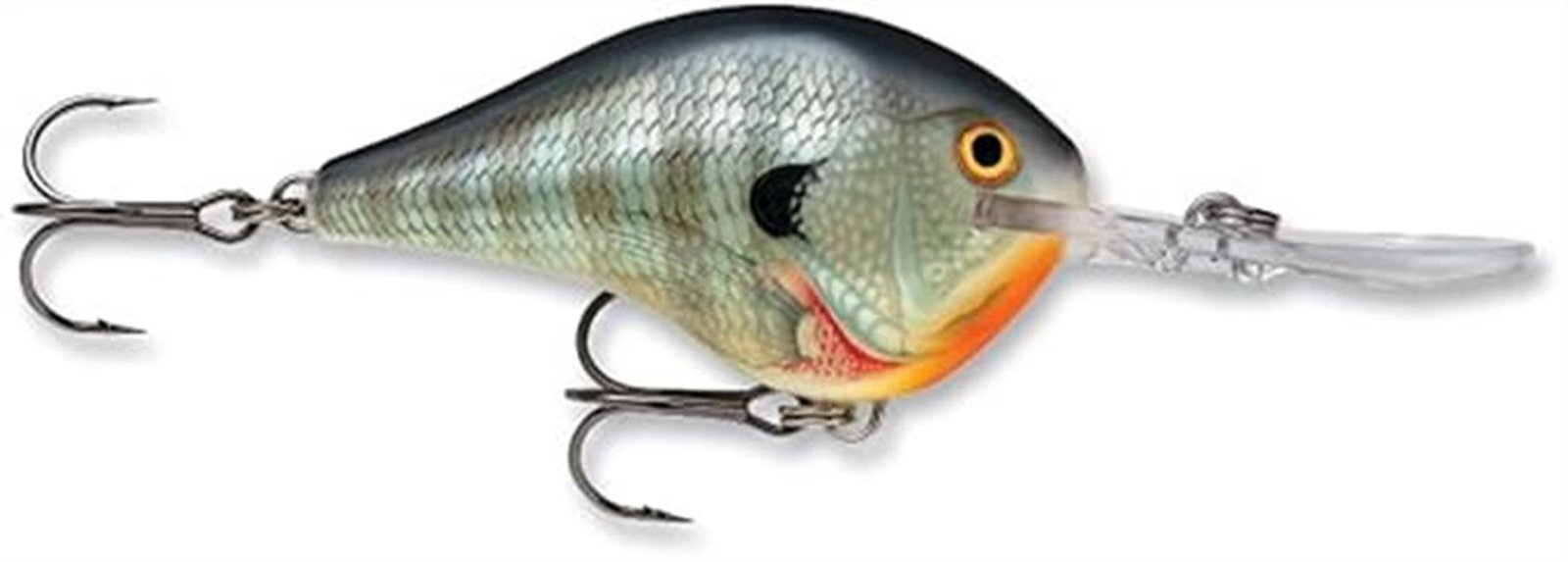
Rapala Dives-to 3/8 Oz Fishing Lures are a strong choice for anglers who want a compact crankbait that can draw fall bass with lifelike action. At 2 inches and 3/8 ounce, it runs to about 6 feet, placing it well for shallow to middepth targets. The bluegill pattern adds realism, while the bait’s flash, vibration, and tight movement help trigger strikes. Durable construction and sharp hooks support dependable use. Its simple cast-and-retrieve style suits shore, boat, and kayak fishing. Rapala’s fisherman-focused design emphasizes practical performance in cooler water.
Best For: Anglers seeking a compact, easy-to-use crankbait for targeting bass in shallow to middepth water, especially in cooler conditions.
Pros:
- Lifelike bluegill pattern with flash, vibration, and tight action that helps trigger bites
- Compact size and 6-foot running depth make it versatile for shore, boat, or kayak fishing
- Durable build with sharp hooks for dependable performance
Cons:
- Limited running depth may not be ideal for deeper-water fishing
- Small size may not appeal to anglers targeting larger species only
- Best performance is situation-specific, so it may be less effective outside bass-focused scenarios
Corki 5 Arms Alabama Umbrella Rig Fishing Lure
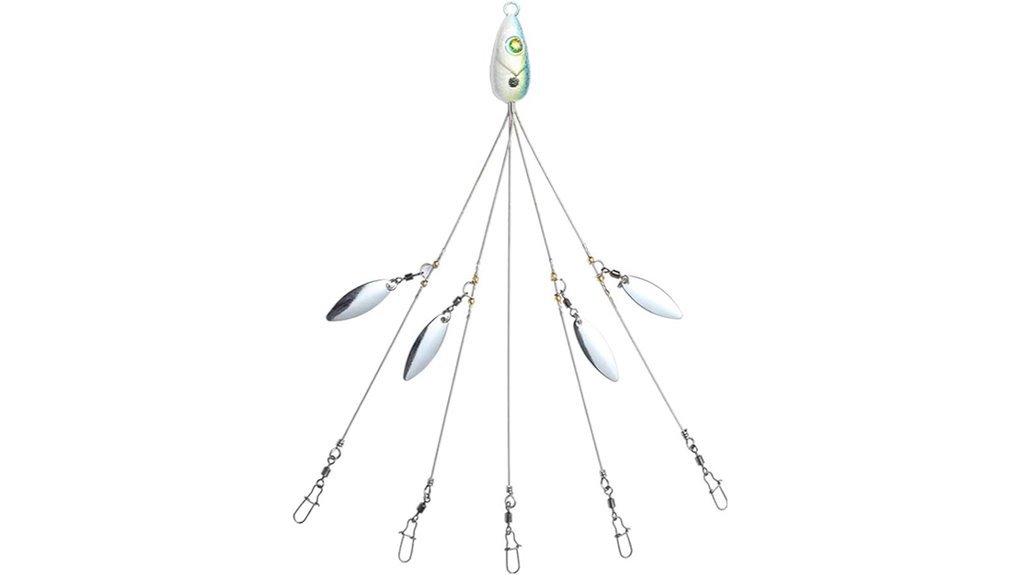
The Corki 5 Arms Alabama Umbrella Rig suits anglers targeting aggressive fall bass. Designed for bass fishing, it uses five durable steel arms and four willow leaf blades to present a compact school of fleeing prey. Its spoons spin freely, supporting different lure combinations and helping trigger strikes from predator fish in cooler water. Strong construction promotes longevity through repeated use. Backed by a one-month warranty, it also includes customer service that responds within 24 hours, offering practical support for fishing enthusiasts seeking to improve results.
Best For: Bass fishing enthusiasts and anglers who want a durable umbrella rig to imitate fleeing prey and improve strike rates.
Pros:
- Five durable steel arms and four willow leaf blades create a realistic, fish-attracting presentation.
- Spoons spin freely, allowing flexible rigging with different lure combinations.
- Strong construction, one-month warranty, and 24-hour customer support add value and peace of mind.
Cons:
- Best suited for anglers specifically targeting bass or other predator fish, so it may have limited use for other fishing styles.
- Umbrella rigs can be bulkier and more complex to rig than simpler lures.
- Not ideal for situations where a lighter or more minimal fishing setup is preferred.
Reaction Tackle Tungsten Football Jig Heads (2-Pack)
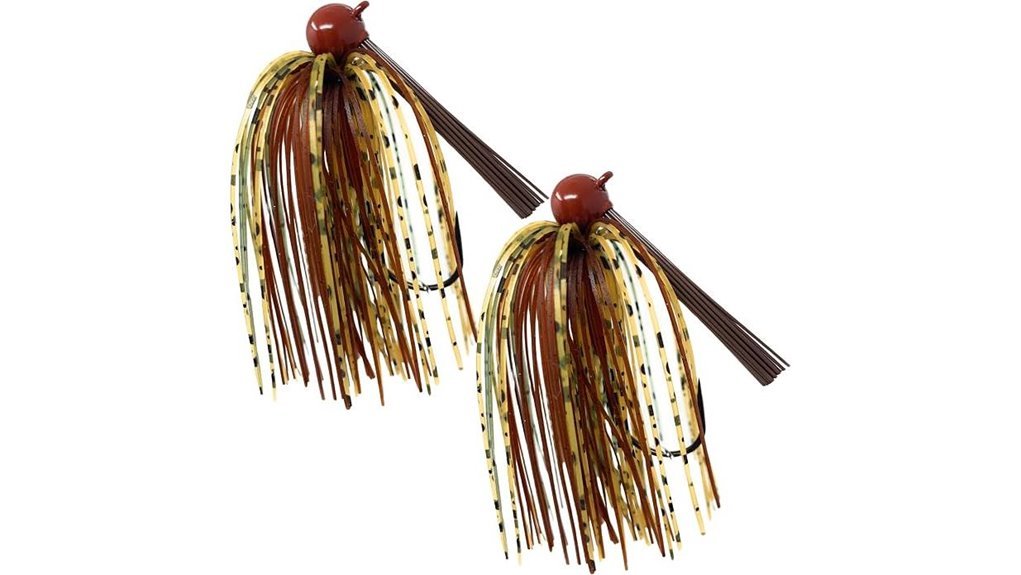
Reaction Tackle Tungsten Football Jig Heads suit anglers targeting bass in heavy cover. The 97% tungsten build creates a compact, fast-sinking profile that transmits bottom changes well, helping anglers detect gravel, rock, and other terrain in cooler fall water. A fiber weed guard and sharp hook reduce hang-ups around brush and vegetation. The football shape stands upright and resists rolling, making it effective for dragging. A hand-tied silicone skirt adds lifelike movement. Offered in multiple weights and colors, each two-pack provides a practical option for bass, walleye, pike, muskie, and crappie.
Best For: Anglers targeting bass and other species in heavy cover who want a compact, fast-sinking tungsten football jig for dragging over gravel, rock, and vegetation.
Pros:
- 97% tungsten construction provides a dense, compact profile with excellent bottom feedback.
- Weedless fiber guard and sharp hook help reduce hang-ups in brush and heavy cover.
- Hand-tied silicone skirt adds lifelike action and trigger appeal.
Cons:
- 2-pack packaging may be limiting for anglers who go through jigs quickly.
- Football head design is best suited for dragging, so it may be less versatile for other presentations.
- Limited size and color availability may not match every fishing condition or preference.
Corki 5 Arms Alabama Umbrella Rig Fishing Lure
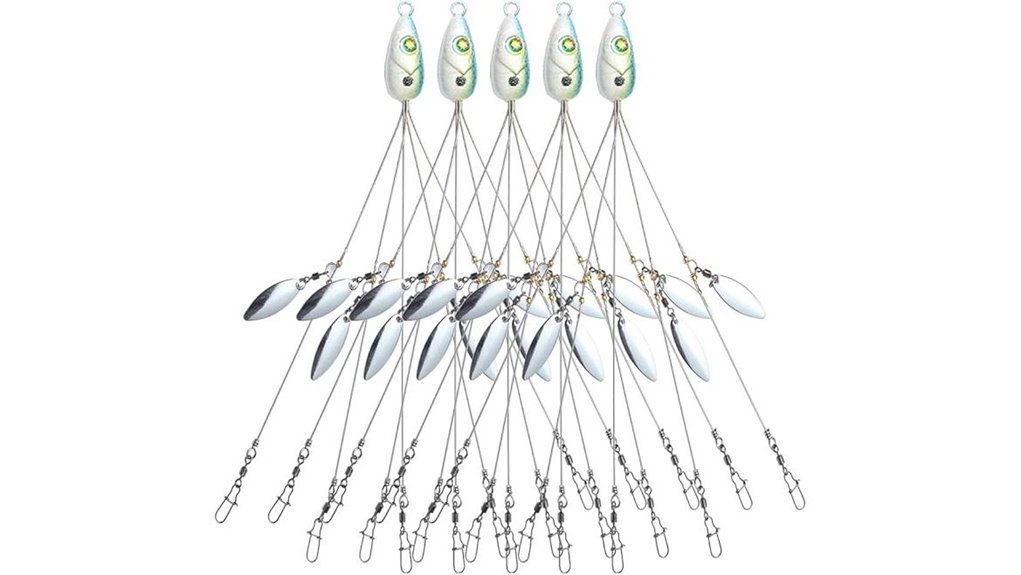
Corki’s 5-arm Alabama umbrella rig suits anglers targeting bass with a realistic multi-bait spread. It uses five durable steel arms and four willow leaf blades that spin freely, helping the rig imitate a small school and suggest fleeing prey in cooler fall water. Built from stainless and heat-treated alloy steel, the modern Blue*5 setup is made for repeated use. It is easy to rig with varied lures, carries model Ck-Lures-01, and includes a one-month warranty, with customer service resolving issues within 24 hours.
Best For: Bass anglers who want a durable 5-arm umbrella rig with a realistic multi-bait presentation to trigger strikes, especially in cooler fall water.
Pros:
- Five steel arms create a convincing school-of-baitfish effect.
- Four willow leaf blades spin freely to add flash and attraction.
- Stainless and heat-treated alloy steel construction supports repeated use.
Cons:
- Best suited mainly for bass fishing, so it may be less versatile for other species.
- Requires multiple lures and some rigging setup before use.
- One-month warranty is relatively short compared with some fishing gear.
Yamamoto 5″ Senko

Yamamoto’s 5″ Senko suits anglers who want a simple bait that still produces results. This original soft-plastic stickbait remains a staple because of its quality, consistency, and broad appeal. Its high salt content creates a natural fall rate that draws strikes in cooler water. It can be rigged weightless, wacky, Texas rig, Carolina rig, shaky head, or on a flipping jig, giving it unusual range. The many proven colors in the Senko lineup help match conditions, while its easy setup makes it effective for all skill levels and steady fall bass success.
Best For: Anglers who want a simple, versatile stickbait that’s easy to rig and consistently effective across multiple techniques.
Pros:
- Highly versatile and can be fished weightless, wacky, Texas rig, Carolina rig, shaky head, or on a flipping jig
- High salt content creates a natural fall rate that helps trigger strikes
- Easy for anglers of all skill levels to use successfully
Cons:
- Soft plastic design can tear after repeated use
- May not be the best choice when a more active or noisy bait is needed
- Can be less ideal in situations where a faster-falling or heavily weighted presentation is preferred
Factors to Consider When Choosing Fall Bass Baits 2026: Top Lures for Cooler Water
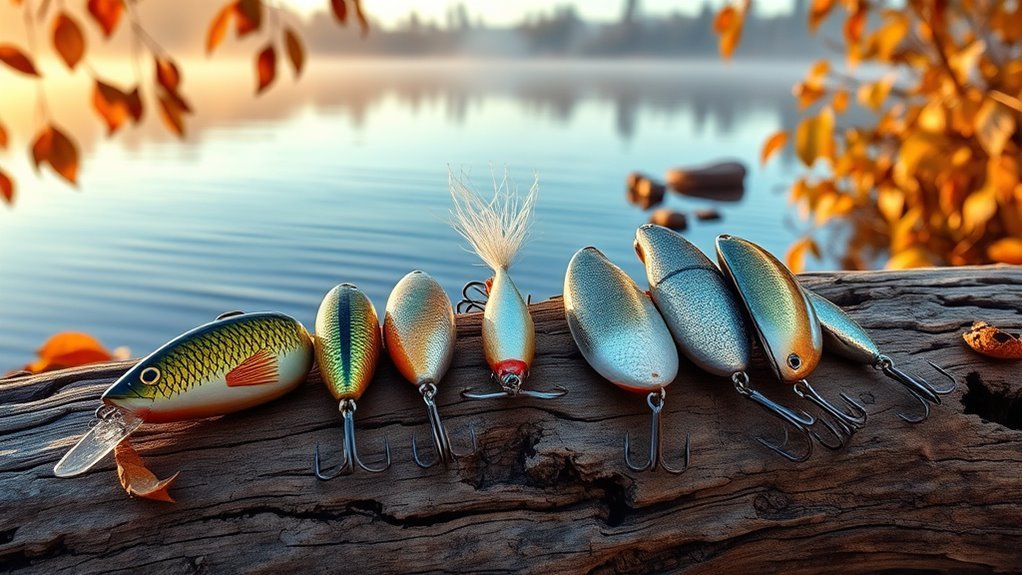
When choosing fall bass baits in cooler water, water temperature shifts and changing bass feeding patterns should guide lure selection. Effective options often match the right action and depth for nearby cover and structure, where bass frequently hold during seasonal changes. Versatile baits remain especially useful in fall because they can adapt to shifting conditions and active fish locations.
Water Temperature Shifts
As water temperatures dip in fall, bass often slow down and shift their position, making lure choice more dependent on both depth and presentation. In this cooler period, the most productive range often sits between 55°F and 65°F, when fish remain active enough to respond but still conserve energy. When temperatures fall further, bass commonly move from shallow cover toward deeper structure, so lure depth must match their new location. Slower-moving baits can be especially effective because lethargic fish are less willing to chase. At the same time, abrupt temperature changes can trigger reaction strikes, making erratic baitfish-style presentations useful. Anglers benefit from adjusting retrieves, sink rates, and lure profiles as water cools, since subtle shifts often determine whether bass hold tight or reposition.
Bass Feeding Patterns
Fall bass feeding patterns shift noticeably as water temperatures drop, and the fish often become more aggressive while building energy reserves for winter. In cooler conditions, a slower metabolism pushes bass toward high-protein prey such as shad and other forage fish. They often school in groups, which can make them easier targets for lures that resemble baitfish. As fall progresses, many bass follow bait movements into shallow water, where feeding opportunities increase around concentrated prey. Shorter days and changing light also affect activity, with early morning and late afternoon often producing the strongest bites. These patterns suggest that successful fall bait choices should match the season’s natural forage, the bass’s group behavior, and the periods when feeding intensity rises most.
Lure Action Depth
Depth control becomes a defining factor in cooler water, where bass often hold in more stable zones rather than roaming shallow flats. In fall, lure action depth should match the zone where fish are suspended or feeding, often between 6 and 15 feet. That range can shift with water temperature and bass behavior, so selecting baits built for a specific running depth matters. Mid-depth divers and bottom bouncers can reach targeted layers more consistently than general-purpose lures. Clear water calls for natural-looking presentations that appear believable at those depths. Retrieve speed and cadence also influence how a lure tracks, helping it stay in the strike zone longer. Precise depth control often separates active presentations from missed opportunities in colder conditions.
Cover And Structure
Bass selection in cooler water often depends on more than running depth, since fish also position around cover and structure that concentrate feeding activity. In fall, bass frequently shift toward deeper water while staying close to rocks, logs, vegetation, docks, and submerged brush. These features create ambush points and hold schooling fish, raising the odds of multiple hookups when a productive area is found. Drop-offs and ledges can also shape feeding behavior, especially when bass move along edges to intercept prey. Lures presented near cover often appear more natural because they follow the routes baitfish take around structure. For that reason, anglers often gain an edge by matching bait placement to the specific type of cover present, rather than fishing open water alone.
Fall Bait Versatility
Because water temperatures and bass behavior can shift quickly in autumn, versatile lures often provide the most dependable results. Fall bass fishing rewards baits that can adapt to changing conditions and be presented in multiple ways. Soft-plastic stickbaits fit this need well, since they can be fished weightless, wacky, or Texas rigged to reach bass holding at different depths and around varied cover. Umbrella rigs also add value by mimicking a baitfish school, a pattern that matches aggressive feeding before winter. Lures with a slower fall rate, especially those with high salt content, can improve strike chances when bass become less active in cool water. Durable baits that keep their action in lower temperatures help maintain consistent performance through the season’s shifting conditions and pressure.
Frequently Asked Questions
What Retrieve Speed Works Best in Chilly Fall Water?
In chilly fall water, a slow to moderate retrieve usually works best, letting bass commit without chasing far. Occasional pauses or short twitches can trigger strikes when fish remain lethargic and cautious.
How Does Water Clarity Affect Bait Color Choices?
Clear water often favors natural, subtle colors; stained water rewards brighter, louder ones. He or she notes that matching visibility helps bass notice bait, because in fishing, one size does not fit all.
When Should I Switch From Topwater to Bottom Baits?
They should switch when surface strikes fade, mornings shorten, and bass begin holding deeper or tighter to cover. As water cools, bottom baits usually become more reliable than topwater for consistent fall action.
Do Bass Prefer Larger Schools of Baitfish in Fall?
Yes; bass often target larger baitfish schools in fall because they provide concentrated feeding opportunities. They may key on these groups near points, creek mouths, and windblown banks, especially when prey is tightly packed.
What Rod Action Helps With Fall Bait Hooksets?
Wouldn’t a fast-action rod help the most? It offers quicker hooksets and solid control when bass strike baitfish imitations in fall. A medium-heavy fast rod is often preferred for driving hooks home cleanly.
Conclusion
In the crisp theater of fall, bass behave like suspicious critics, examining every lure as if it were a suspiciously shiny prop. The Rapala, umbrella rig, tungsten jig, and Senko all take their turn on the stage, while the hybrid jerkbait makes its cool-water entrance like a celebrity in a trench coat. When temperatures drop, the wiser angler simply offers the right bait—and lets the bass audition for the role of dinner.