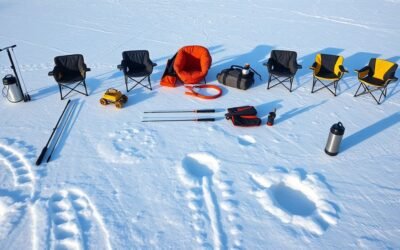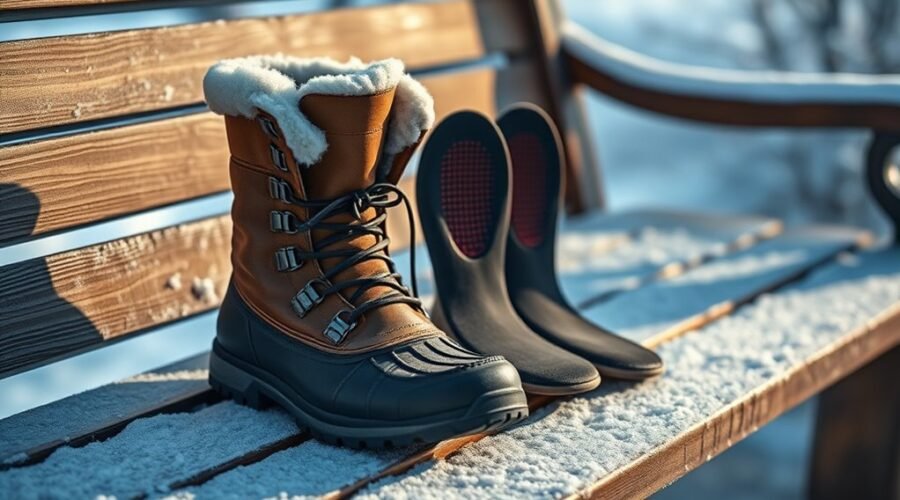
For winter 2027, the Therm-a-Rest RidgeRest SOLite pad and Outdoor Research Men’s Crocodile Gaiters emerge as practical choices for colder days. One supports insulation from below, while the other shields against snow, wind, and moisture. Together, they suggest that keeping feet warm is not only about socks. The details behind their performance, however, are where the real decision begins.
Therm-a-Rest RidgeRest SOLite Camping and Backpacking Sleeping Pad
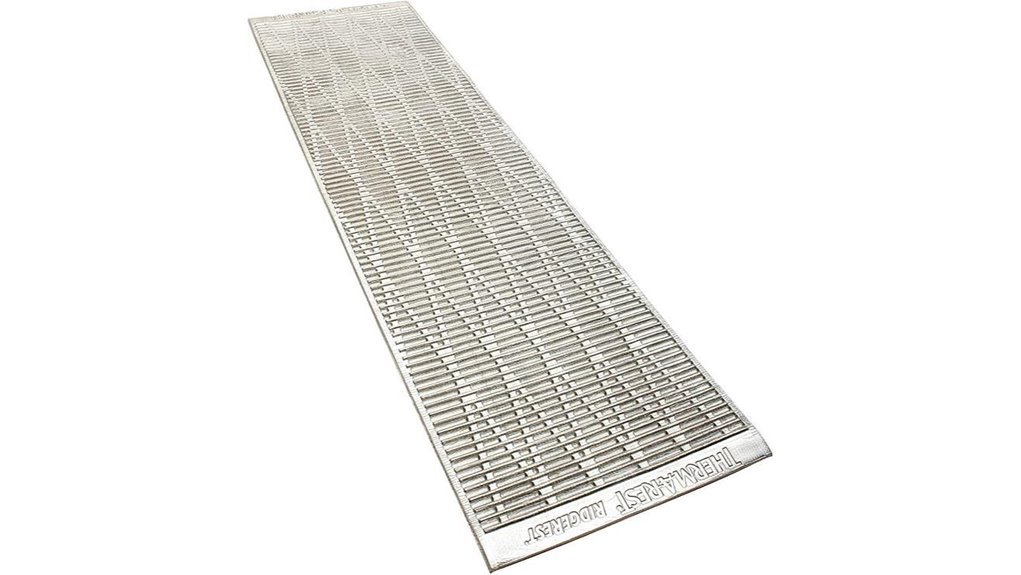
The Therm-a-Rest RidgeRest SOLite Camping and Backpacking Sleeping Pad is a strong choice for winter campers and backpackers who want dependable insulation without adding much weight. Its ThermaCapture surface reflects radiant heat back to the body, while the 2.8 R-value adds useful cold-weather protection. Soft peaks and heat-trapping valleys improve comfort during overnight use. Made in the USA from crosslinked polyethylene, it is designed to be virtually indestructible yet easy to carry. Available in regular, large, and small sizes, it suits varied sleep setups for camping and backpacking.
Best For: Winter campers and backpackers who want a lightweight, durable sleeping pad with solid insulation and reliable comfort.
Pros:
- ThermaCapture surface helps reflect body heat for improved warmth.
- 2.8 R-value offers good cold-weather insulation for the weight.
- Virtually indestructible crosslinked polyethylene construction is durable and easy to pack.
Cons:
- Foam pad design is less plush than inflatable sleeping pads.
- Bulkier than some ultralight or compressible alternatives.
- Regular size may feel narrow for sleepers who prefer more room.
Outdoor Research Men’s Crocodile Gaiters
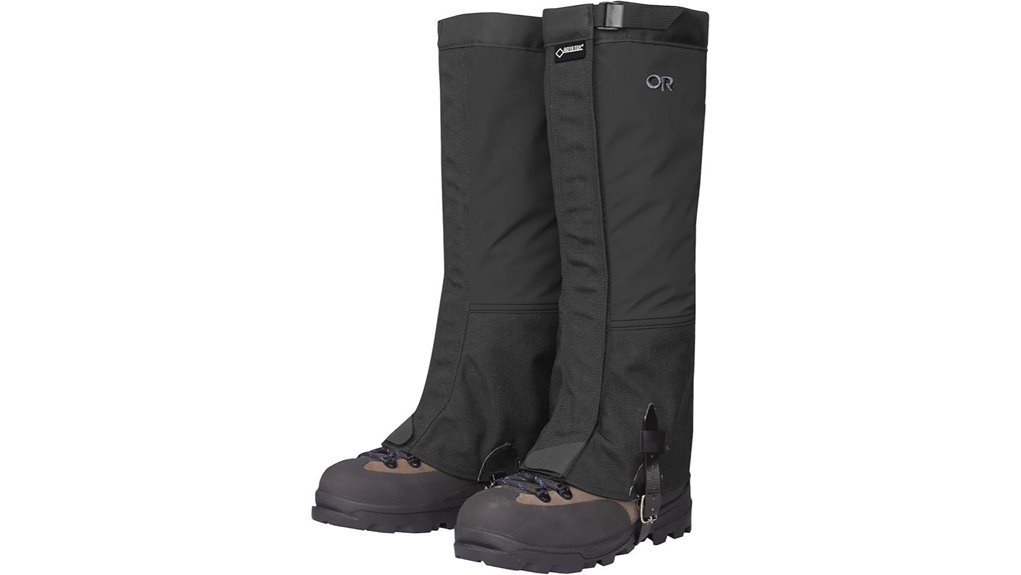
Outdoor Research Men’s Crocodile Gaiters suit adults needing rugged, waterproof protection in deep winter conditions. Built from 70D nylon with a Cordura 1000D inner, they combine waterproof, breathable, abrasion-resistant, and windproof performance in a lightweight 16-ounce package. Laminated construction and a durable Bio Thane instep strap help secure coverage while keeping snow, rocks, and debris out of boots. The larger circumference also accommodates plastic boots. Recognized for Hall of Fame-worthy durability, they are machine washable and imported. For winter travel, these gaiters add dependable lower-leg defense without excess bulk.
Best For: Adults needing rugged, waterproof lower-leg protection for deep winter travel, especially those using plastic boots or facing snow, rocks, and debris.
Pros:
- Waterproof, breathable, abrasion-resistant, and windproof for harsh winter conditions
- Durable laminated construction with a strong Bio Thane instep strap
- Larger circumference accommodates plastic boots and provides dependable coverage
Cons:
- At 16 ounces, they may feel a bit heavy for ultralight users
- Designed mainly for winter and rugged conditions, so they may be overkill in mild weather
- Machine-wash care is convenient, but the tough materials can still require extra maintenance after heavy use
Factors to Consider When Choosing Gear for Warm Feet in Winter 2026: Socks, Insoles, and Cold-Weather Essentials
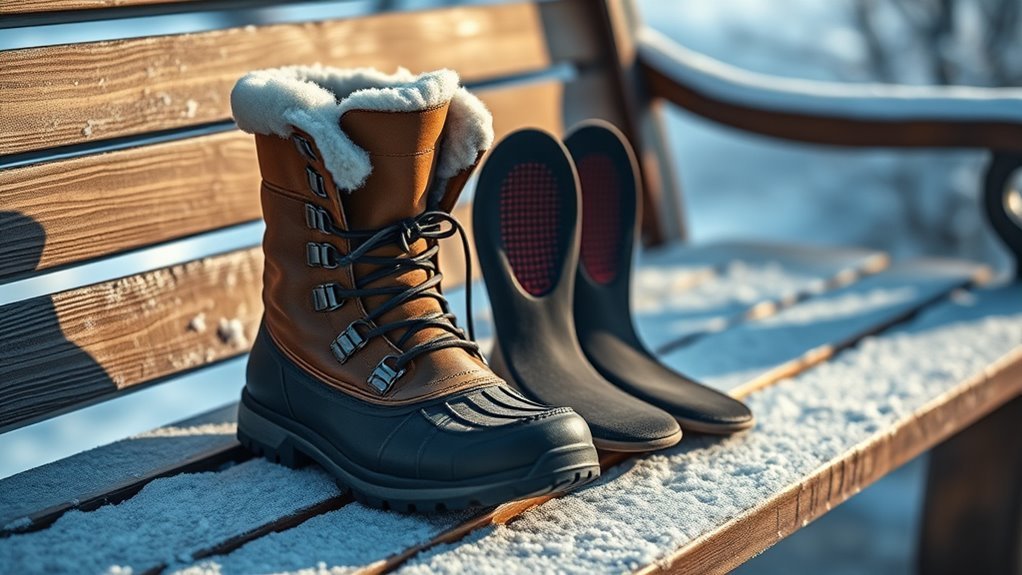
Choosing winter foot gear in 2026 starts with insulation and warmth, but it also depends on how well socks, insoles, and other essentials manage moisture during long wear. Fit and comfort matter because even the warmest setup can fail if it feels restrictive or causes pressure points, while durability determines how well the gear holds up through repeated cold-weather use. Weight and packability also play a role, especially for travelers and outdoor users who need compact layers that still perform in harsh conditions.
Insulation And Warmth
Warmth starts with insulation, and the best winter foot gear balances thermal resistance, moisture control, and breathability. Insulation is often described by R-Value, with higher numbers signaling stronger resistance to heat loss; an R-Value around 2.8 offers moderate protection for mild winter conditions. Reflective linings, including ThermaCapture-style materials, can return body heat toward the foot and help preserve overall warmth. Layering socks adds another barrier, and wool remains a practical choice because it retains heat effectively. Gaiters contribute by blocking cold air, snow, and debris from reaching the footwear opening. Durable waterproof materials also matter, since they support warmth while still allowing air exchange. Together, these features create a stable, insulated environment for cold-weather use.
Moisture Management
Moisture management plays a critical role in keeping feet warm during winter, because wetness accelerates heat loss and raises the risk of frostbite or other cold-related injuries. Effective gear should move sweat away from the skin, and moisture-wicking materials such as merino wool or synthetic blends do this well. Insulated footwear is often more effective when it includes wicking linings, since they help keep the interior drier and more comfortable in cold conditions. Layering socks can also support moisture control: a thin wicking sock under a thicker insulating layer helps reduce dampness while preserving warmth. Even well-insulated boots can trap moisture, so ventilation remains important. Without airflow, perspiration can accumulate, leaving feet cold, damp, and more vulnerable to discomfort.
Fit And Comfort
Beyond keeping feet dry, the next consideration is how gear fits and feels during winter use. Socks should fit snugly without restricting circulation, leaving room for insoles when extra insulation is needed. Merino wool is often favored because it combines warmth, moisture control, and a soft feel that supports comfort over long periods. Cushioning in high-impact zones can reduce pressure and help retain warmth by limiting heat loss. Insoles should match the shape of the footwear, adding arch support and insulation without crowding the toe box. Gaiters can also improve the fit around boot openings, helping block snow and debris while preserving comfort. When each layer complements the others, winter footwear feels secure, supportive, and warm during extended outdoor activity.
Durability And Wear
Durability matters when selecting winter gear, especially for socks, insoles, and accessories that face repeated abrasion, moisture, and cold. Materials such as 100% nylon and Cordura are often favored because they resist wear better than softer fabrics and hold up under harsh conditions. Laminated gaiters and footwear add another layer of protection, improving waterproof and windproof performance while extending service life. Higher fabric weight classes usually signal tougher construction and greater resistance to damage. Bio-based straps can also reduce friction-related wear without sacrificing function in rugged settings. Maintenance remains important: washing items according to care instructions helps prevent material breakdown and preserves performance. Choosing gear built for repeated use generally reduces premature failure in winter environments and supports reliable warmth over time.
Weight And Packability
Weight and packability are key considerations when choosing winter gear for warm feet, since lighter socks, insoles, and accessories reduce overall pack load and make movement easier on long outings. Weight should be assessed for each item, because every ounce matters when gear is carried for hours. Packability matters just as much; pieces that compress well help conserve space and keep a pack organized. Materials should balance low mass with enough insulation to remain effective without excessive bulk. Lightweight construction is most useful when paired with durability, so the gear can endure repeated use. The combined weight of socks, insoles, and other essentials should remain manageable, especially for extended trips where efficiency and comfort influence overall performance.
Weather Protection
Weather protection plays a major role in keeping feet warm in winter, especially after considering how gear weight and packability affect long outings. Waterproof and windproof materials are important because they block moisture and cold air from reaching the feet. Breathable fabrics matter as well, since they let sweat escape and reduce the dampness that can cause chill. Gaiters add another layer of defense by keeping snow, rocks, and debris out of boots, which helps maintain comfort and insulation. Durable, abrasion-resistant materials support long-term performance in harsh conditions. Fit also deserves attention: a snug but comfortable design helps trap warmth while limiting drafts. Together, these features create reliable protection without sacrificing comfort or warmth during winter wear.
Activity-Specific Needs
Choosing gear for winter activities starts with matching socks and insoles to the conditions at hand, since temperature and moisture levels can quickly change what keeps feet comfortable. Hiking, skiing, and similar pursuits demand different balances of warmth, drainage, and support. Moisture-wicking socks help move sweat away from skin, reducing chill during long outings. Ininsoles with thermal layers can add insulation without excessive bulk, which matters in tight boots. Reinforced heels and toes improve durability in high-friction zones and lower the chance of wear-related discomfort. Breathability remains important because trapped heat can turn into dampness, then cold. The best setup matches activity intensity, expected exposure, and footwear fit, keeping feet dry, protected, and warm throughout winter conditions.
Frequently Asked Questions
How Do I Prevent Foot Sweat From Freezing in Winter?
He should wick moisture with synthetic socks, change damp layers quickly, avoid cotton, and use breathable boots. Antiperspirant on feet can help. If sweat freezes, insulation is failing and ventilation needs adjustment.
Can Heated Socks Replace Insulated Winter Boots?
Not entirely; heated socks are a candle in a blizzard, but boots still shield from wind, moisture, and impact. In dry, mild conditions they may suffice, yet harsh winter demands insulated footwear too.
What’s the Best Way to Dry Boots Overnight?
The best way is to remove insoles and laces, then stuff boots with dry newspaper or use a boot dryer on low heat. Air circulation matters most; direct heat can damage materials and weaken adhesives.
Are Toe Warmers Safe for All-Day Use?
Like embers in a glove, toe warmers are generally safe for all-day use when used as directed. They should avoid direct skin contact, damaged packaging, and sleeping with them if heat becomes excessive.
How Often Should I Replace Winter Insoles?
Winter insoles should usually be replaced every six to twelve months, or sooner if they flatten, crack, smell persistently, or lose warmth and support. Heavy daily use can shorten their lifespan considerably.
Conclusion
In winter’s quiet kingdom, the feet are weary travelers seeking refuge. The Therm-a-Rest RidgeRest SOLite becomes a small hearth beneath the body, lending warmth like a steadfast lantern in the snow. The Outdoor Research Crocodile Gaiters stand as loyal sentries, turning back wind, slush, and the cold’s many tricks. Together, they tell an old allegory: those who guard the path beneath them can endure the fiercest season with comfort, courage, and calm.