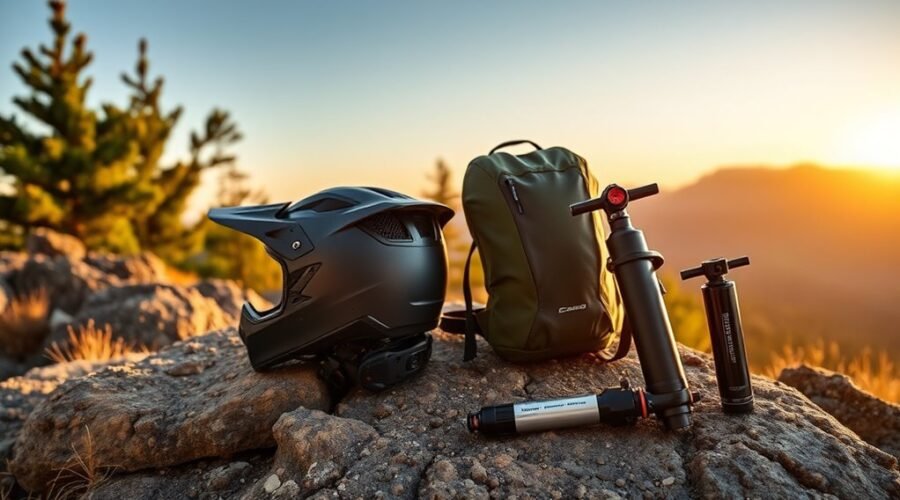
Mountain bikers in 2027 may find that a few compact accessories make a noticeable difference on the trail. The LEZYNE Port-A-Shop Bicycle Repair Tool Kit handles quick fixes, while the LEZYNE Tubeless Flow Storage Bike Bottle Cage adds useful storage without much bulk. For recovery after hard rides, the TRIGGERPOINT Grid Foam Roller Mini offers a practical option. Each one serves a different need, but the real question is which matters most on the trail.
LEZYNE Port-A-Shop Bicycle Repair Tool Kit
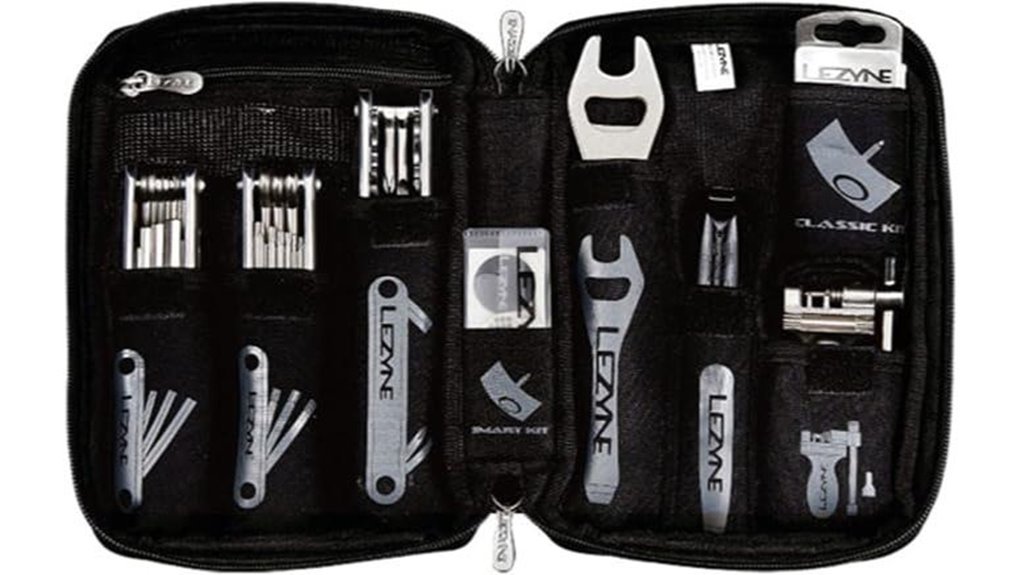
The LEZYNE Port-A-Shop Bicycle Repair Tool Kit is best suited for cyclists and travelers who need a compact, cycling-specific solution for basic repairs on the go. It bundles essential maintenance pieces, including a T block, chain drive for 9/10 speeds, multi and classic blocks, smart kit components, spoke wrenches, Saber levers, Power levers, TORX Block, and Square and Mavic spoke tools. The padded canvas case uses a zipper closure and labeled pockets to keep items organized and protected. It supports quick roadside adjustments and convenient storage during travel.
Best For: Cyclists and travelers who want a compact, cycling-specific tool kit for basic bike repairs and roadside adjustments on the go.
Pros:
- Includes a wide range of bike-specific tools for common maintenance tasks
- Padded canvas carrying case with zipper and labeled pockets keeps everything organized
- Compact and portable, making it convenient for travel and quick repairs
Cons:
- Best suited for basic repairs rather than advanced workshop-level maintenance
- Some cyclists may need additional specialized tools for certain bike components
- Organized kit design may still be bulkier than carrying a few individual essentials
LEZYNE Tubeless Flow Storage Bike Bottle Cage
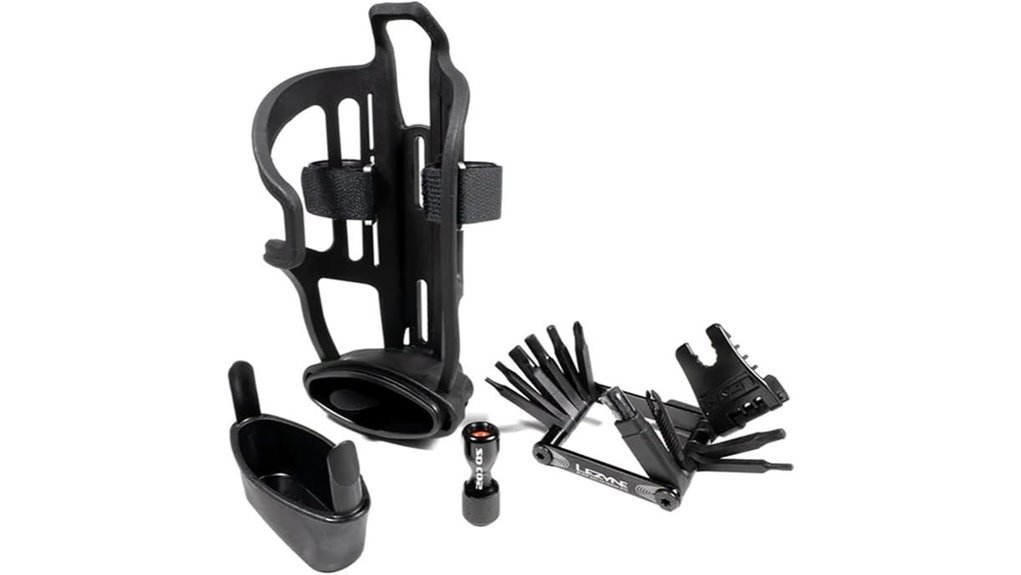
Built for riders who need compact trail-ready storage, the LEZYNE Tubeless Flow Storage Bike Bottle Cage keeps essentials close. Its fiber-reinforced Composite Matrix construction is designed for durability on rough terrain, while oval mounting slots allow precise vertical and horizontal adjustment for a secure, rattle-free fit. The modular setup stores the V Pro 17 multitool beneath the cage and the CO2 inflator head beside it, with tubeless plugs included. By mounting directly to bottle cage bolts, it replaces bulky bags and suits full-suspension mountain bikes, triathlon rigs, and tight-frame road builds.
Best For: Riders who want a compact, trail-ready bottle cage storage solution for carrying tubeless repair tools and CO2 gear on mountain, triathlon, or tight-frame bikes.
Pros:
- Durable fiber-reinforced Composite Matrix construction handles rough terrain well.
- Adjustable oval mounting slots help achieve a secure, rattle-free fit.
- Integrated storage keeps the multitool, CO2 head, and tubeless plugs organized and easily accessible.
Cons:
- CO2 cartridges are not included, so you need to already have them or buy replacements.
- Storage capacity is limited compared with larger saddle bags or frame bags.
- Best suited to bikes with bottle cage mounts, which may not work for every frame setup.
TRIGGERPOINT Grid Foam Roller Mini 4-inch Orange
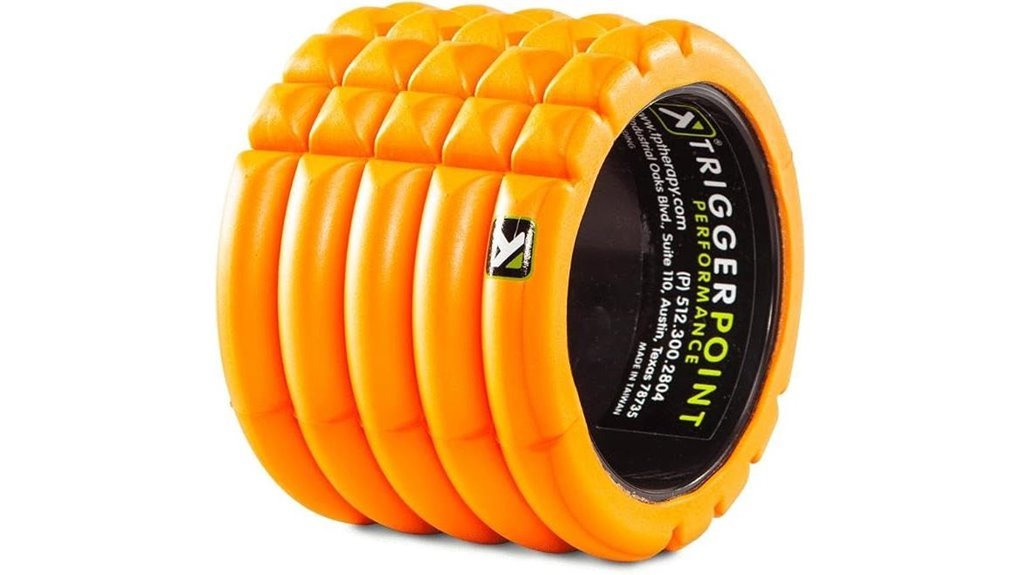
Compact and travel-friendly, the TRIGGERPOINT Grid Foam Roller Mini suits riders needing quick muscle recovery. Its 4-inch size and 5 x 5.5-inch profile make it easy to pack for races, road trips, or weekend rides. Built with Matrix technology and Distrodensity Zones, it delivers focused pressure for targeted muscle relief. The durable orange roller supports repeated use and helps improve flexibility, blood flow, and oxygen delivery. Suitable for different fitness levels, it aids recovery after demanding rides. Free online instructional videos provide simple guidance for effective use.
Best For: Riders and travelers who want a compact, durable foam roller for quick muscle recovery and targeted relief on the go.
Pros:
- Compact 4-inch size makes it easy to pack for travel, races, and road trips
- Matrix technology and Distrodensity Zones provide focused, targeted muscle relief
- Durable design supports repeated use and helps improve flexibility and blood flow
Cons:
- Mini size may be too small for users who prefer full-size foam rollers
- Best suited for quick recovery sessions rather than full-body rolling
- Focused pressure may feel intense for those new to foam rolling
Factors to Consider When Choosing Mountain Bike Accessories 2026: MTB Gear Picks for Better Rides
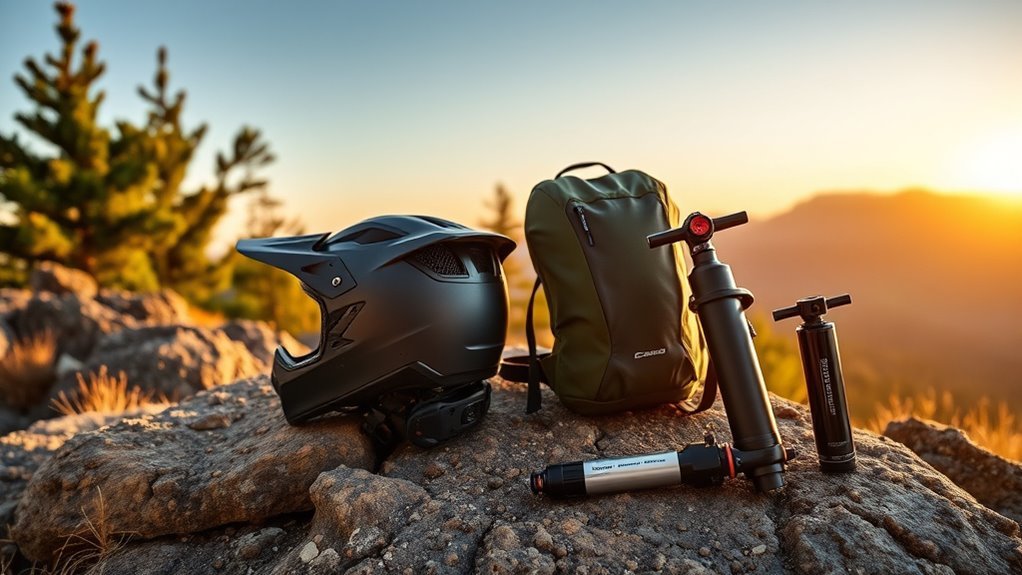
Choosing mountain bike accessories in 2026 depends first on terrain compatibility, since trail conditions shape what gear performs well. Weight and packability also matter, especially for riders who need compact items that do not slow them down. Durability, storage and organization, and multi-function utility help determine which MTB gear supports better rides with less hassle.
Terrain Compatibility
Terrain compatibility plays a major role in selecting mountain bike accessories, since rocky climbs, muddy trails, and smooth fire roads each demand different gear for control, safety, and efficiency. Tire tread, suspension setup, and brake performance should match the surface to improve traction and handling. On loose rock, reinforced components and tougher casings help resist damage, while wet trails call for moisture-resistant materials and reliable grip. Steeper descents benefit from wider handlebars, which can improve steering confidence and stability. Technical routes also favor accessories that support precision without unnecessary bulk, because harsh terrain punishes poor choices quickly. Matching gear to the trail type helps riders maintain control, protect equipment, and respond more effectively to changing conditions throughout the ride, whether the surface is dry, slick, rough, or fast.
Weight And Packability
Weight and packability are key considerations when selecting mountain bike accessories, since lighter gear can improve efficiency, handling, and overall ride comfort. Riders benefit from choosing compact items that fit neatly in a pack or mount cleanly on the frame, reducing clutter on technical trails. Multi-function tools are especially useful because they combine several repair needs in one small package, helping limit unnecessary weight. Streamlined storage solutions built into a bike setup can also remove the need for extra bags, keeping the load efficient and organized. The best choices balance low weight with practical usefulness, so essential gear remains available without slowing the ride. In this way, careful attention to size, weight, and storage supports better trail performance and easier transport.
Durability And Build
Durability matters most when mountain bike accessories are expected to handle repeated impacts, mud, and rough trail conditions. Materials such as fiber-reinforced composites and durable metals usually offer the best resistance to cracking, bending, and trail abuse. Weather-resistant coatings also help protect against corrosion, moisture, and long-term wear. At the same time, a strong weight-to-strength ratio remains important, since lighter components can preserve performance without becoming fragile. Designs with modular or adjustable features may last longer by adapting to different riding conditions and reducing unnecessary strain. User reviews and product testing data provide practical evidence of whether an accessory holds up under strenuous use. Together, these factors help identify gear that stays reliable through demanding rides.
Storage And Organization
Smart storage can make mountain bike accessories far more practical on the trail by keeping essential tools, tubes, and repair items easy to reach during quick fixes or maintenance. In practice, organized storage improves ride efficiency because it reduces time spent searching for gear when repairs are needed. Compact, modular solutions are often preferred since they limit bulk and fit cleanly on different frames without adding clutter. Labeled pockets and secure attachments further help keep items sorted, prevent loss, and support fast access during trail emergencies. Durability also matters, as storage materials must endure vibration, mud, and frequent handling while holding gear firmly in place. A thoughtful setup additionally supports safety by keeping tools and supplies from interfering with bike control or rider movement.
Multi-Function Utility
Multi-function utility is a major factor when choosing mountain bike accessories because gear that serves more than one purpose can make rides simpler and more efficient. Accessories with integrated multitools and repair kits give riders practical, on-the-go solutions for common mechanical problems, reducing disruption when breakdowns occur. Items that combine tire repair tools with CO2 inflators can lower overall carry weight while improving efficiency on technical routes. Compact storage options, including modular bottle cages, can help organize essential tools and supplies without adding unnecessary bulk. Durability also matters, since these accessories must endure rough terrain and repeated use. Easy operation is equally important, as multi-purpose gear only adds value when it remains reliable, accessible, and effective during demanding off-road conditions.
Travel-Friendly Design
Travel-friendly mountain bike accessories should balance compact size, easy storage, and reliable performance, especially for riders who need gear that fits neatly into a backpack or travel case. Compact construction helps keep essentials manageable, while integrated storage compartments reduce clutter and make tools easier to find. Lightweight materials are preferable because they lower carry weight without sacrificing toughness on rough trails. Multi-function designs add value by replacing several separate items with one efficient piece of gear. Accessories that support quick adjustments and on-the-go repairs also improve practicality, since they let riders respond to minor issues without unpacking bulky equipment. For frequent travelers, these qualities make setup simpler, transport easier, and ride preparation more efficient across different trail conditions and destinations.
Frequently Asked Questions
How Do I Maintain Suspension Forks on Long Rides?
Suspension forks on long rides should be kept clean, checked for leaks, and lightly wiped on stanchions. Air pressure and rebound should be verified before riding, while dust seals and lower legs need periodic attention.
What Hydration Pack Size Suits All-Day Mountain Biking?
A 15–25 liter hydration pack usually suits all-day mountain biking, carrying water, snacks, tools, and layers without excess bulk. For hotter routes or remote terrain, 25–30 liters can provide a more accommodating, untroubled reserve.
How Can I Improve Night Visibility on Trails?
They can improve night visibility by using a bright helmet-mounted headlight, a focused handlebar light, reflective clothing, and bike-mounted reflectors. Keeping lenses clean and carrying spare batteries also helps maintain safer trail visibility.
Which Gloves Reduce Hand Fatigue on Rough Descents?
Padded, gel-palmed gloves with silicone grip reduce hand fatigue on rough descents; full-finger models with breathable backs and ergonomic padding help absorb vibration. Riders often find the sweet spot with a snug, not tight, fit.
What GPS Features Matter Most for Mountain Bikers?
The most important GPS features are accurate trail mapping, reliable offline navigation, long battery life, breadcrumb tracking, and easy route following. Elevation data, ride stats, and crash alerts also help mountain bikers stay informed and safe.
Conclusion
Together, these three accessories make mountain biking feel almost limitless. The LEZYNE Port-A-Shop Bicycle Repair Tool Kit keeps riders prepared for unexpected trail-side fixes, while the LEZYNE Tubeless Flow Storage Bike Bottle Cage adds smart, streamlined storage for essential gear. After the ride, the TRIGGERPOINT Grid Foam Roller Mini helps speed recovery and keep muscles ready for the next challenge. For riders seeking practical upgrades, these picks deliver an almost magical blend of convenience, efficiency, and performance.