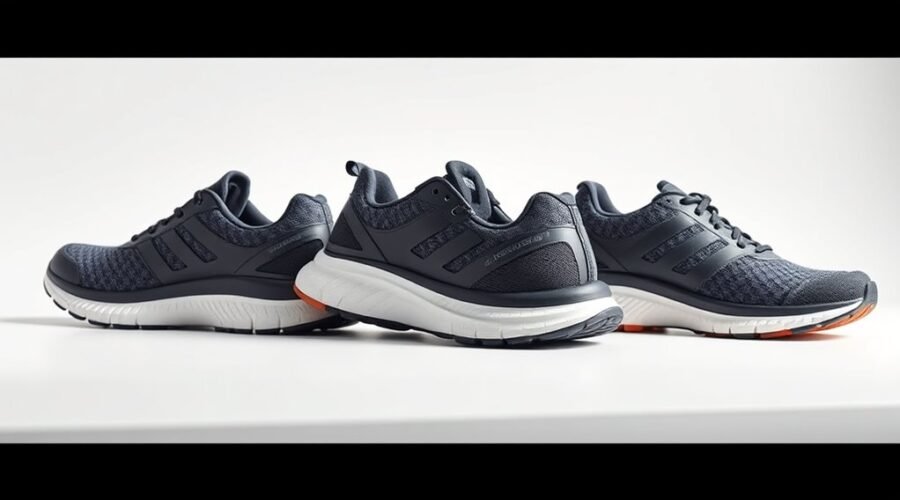
Plantar fasciitis can turn a run into a test of patience, so choosing the right shoe matters. In 2027, a few models stand out for cushioning, support, and stability, each aimed at easing pressure without slowing the stride. The ASICS Gel-Nimbus Lite, Salomon X-Mission 3, and Brooks Ghost 14 each offer a different answer, but one of them may fit the condition better than the others.
ASICS Men’s Gel-Nimbus Lite Running Shoes
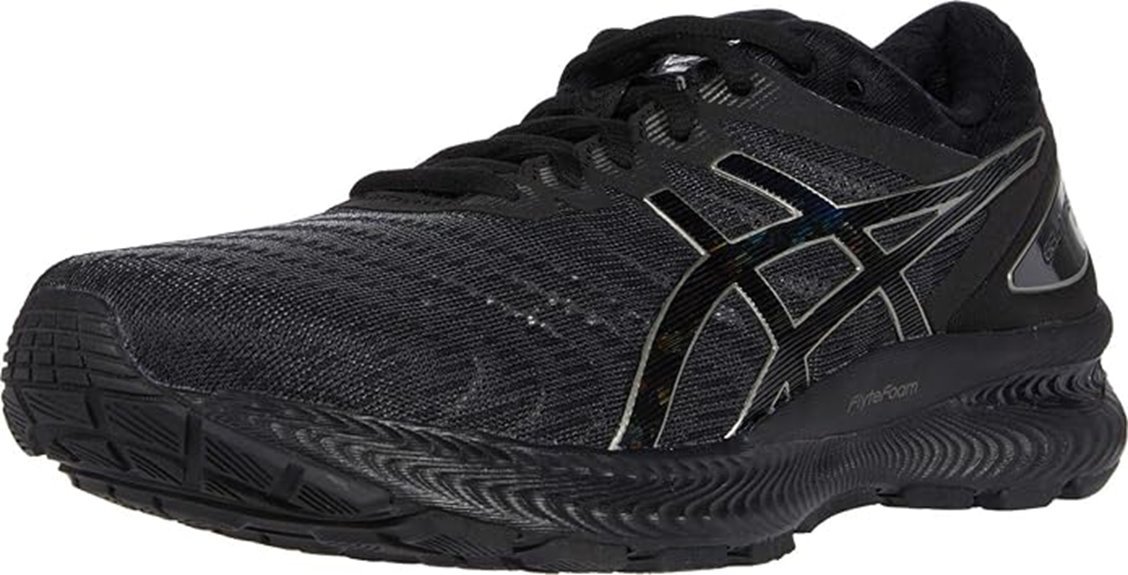
ASICS Men’s Gel-Nimbus Lite Running Shoes are a strong choice for runners seeking extra cushioning and support for plantar fasciitis, thanks to the Gel-Nimbus 22 platform and adaptive gel technology that softens impact as fatigue builds. The 360 Fluid Skin upper conforms to the foot, while strategic overlays add support without stiffness. Gradient mesh and 3D printing improve fit, flexibility, and stability. A redesigned lasting method opens the toe area for greater comfort and less restriction. The star-shaped eye-stay further refines static and dynamic fit, helping the shoe stay secure during mileage.
Best For: Runners seeking extra cushioning, support, and a comfortable fit, especially those managing plantar fasciitis or longer runs.
Pros:
- Adaptive gel cushioning helps soften impact as fatigue builds.
- 360 Fluid Skin upper and strategic overlays offer a supportive yet flexible fit.
- Redesigned toe area and star-shaped eye-stay improve comfort and security.
Cons:
- May feel more structured than runners who prefer a minimal or highly responsive shoe.
- Premium cushioning features can come with a higher price point.
- Best suited for runners who value support over a lightweight, stripped-down feel.
ASICS Men’s Gel-Nimbus Lite Running Shoes
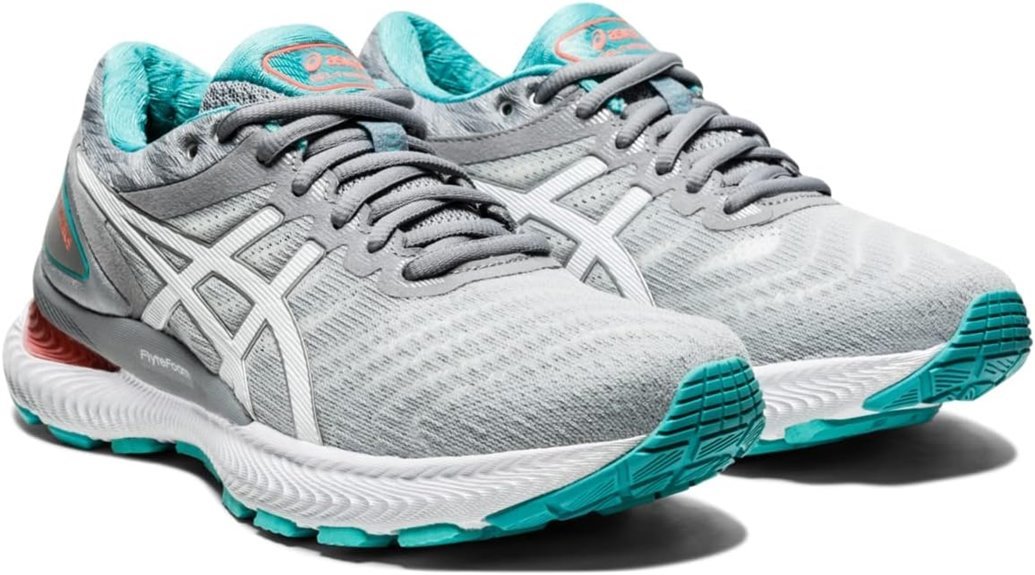
For runners needing responsive cushioning, this shoe offers a balanced, supportive ride. ASICS Men’s Gel-Nimbus Lite Running Shoes are built for comfort and performance, pairing adaptive gel cushioning with a fluid ride that becomes more supportive as fatigue builds. The 360 Fluid Skin upper follows foot shape for a personalized feel, while gradient mesh and 3D print add structure and flexibility. A revised lasting method creates more toe room, and the updated eye-stay improves fit in motion. Its lighter construction suits runners seeking comfort, responsiveness, and dependable support.
Best For: Runners who want a comfortable, responsive daily trainer with adaptive cushioning, supportive fit, and a lighter feel.
Pros:
- Adaptive gel cushioning offers a softer, more supportive ride as fatigue increases.
- 360 Fluid Skin upper and gradient mesh/3D print provide a comfortable, secure fit with flexibility.
- Revised toe room and improved eye-stay design enhance overall comfort and fit in motion.
Cons:
- May not provide the maximum plush cushioning some long-distance runners prefer.
- Supportive, balanced ride may feel less specialized for runners wanting a highly aggressive performance shoe.
- Lighter construction may come with less substantial underfoot feel for those who like a bulkier platform.
Salomon Men’s X-Mission 3 Trail Running Shoes
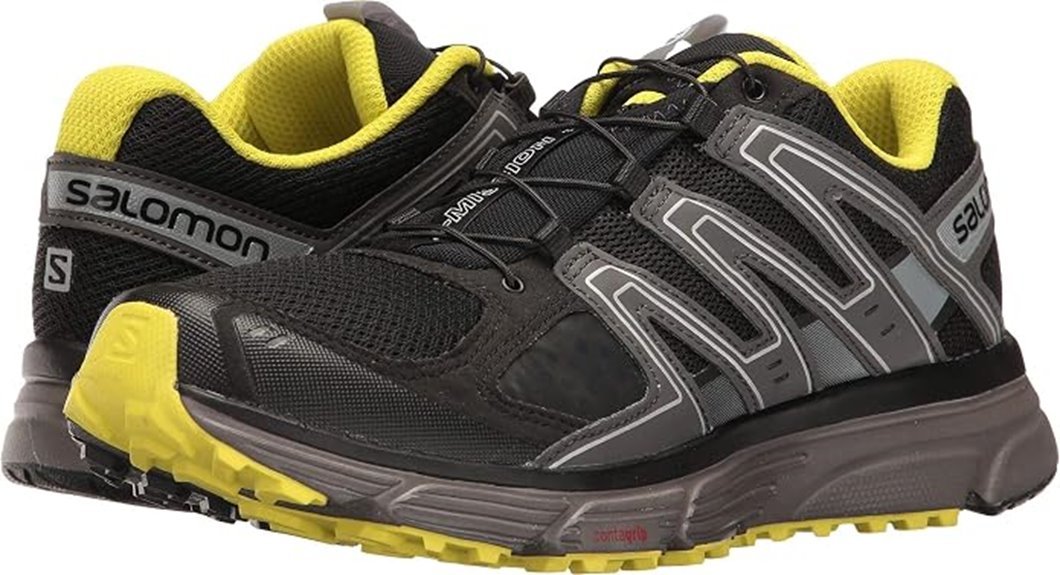
Salomon Men’s X-Mission 3 Trail Running Shoes suit runners who need reliable traction and all-day outdoor comfort. Rooted in Salomon’s Alpine heritage, the model reflects decades of innovation in mountain sports and performance-driven design. It is built for trail running, hiking, adventure racing, and mountaineering, where grip and stability matter. The shoe emphasizes practical comfort improvements that support athletic movement over rough terrain. Salomon’s long-standing focus on inventive equipment development informs its footwear approach, making this option well suited to outdoor athletes seeking dependable function and versatile trail capability.
Best For: Trail runners, hikers, and outdoor athletes who want reliable traction, comfort, and versatile performance on rough terrain.
Pros:
- Strong grip and stability for trail running and other outdoor activities
- Comfortable for all-day wear during athletic use
- Versatile enough for hiking, adventure racing, and mountaineering
Cons:
- Best suited to outdoor terrain rather than everyday casual wear
- May be more specialized than needed for road running
- Performance focus may come at the expense of style variety
Factors to Consider When Choosing Running Shoes for Plantar Fasciitis 2026: 5 Supportive Picks
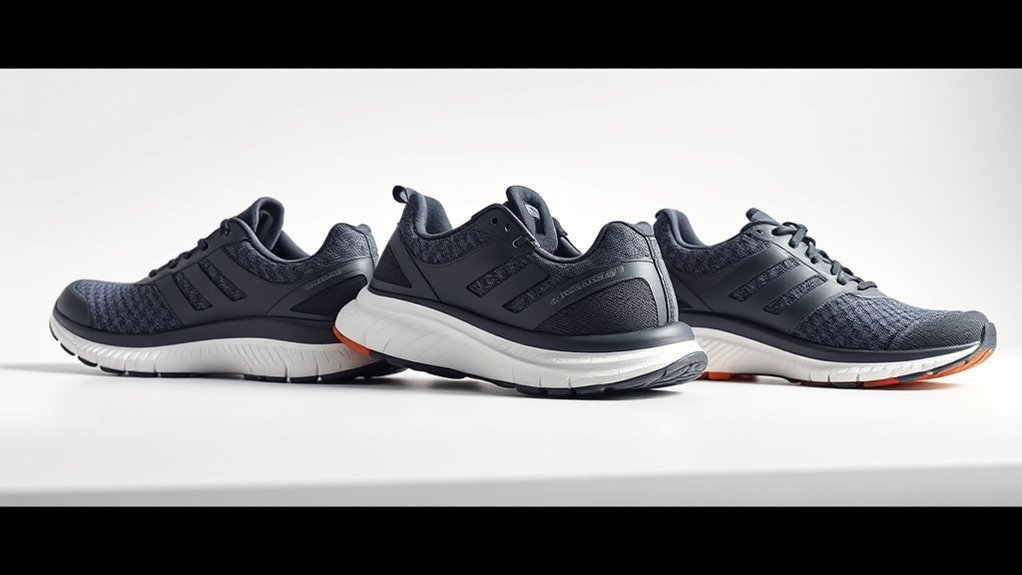
Selecting running shoes for plantar fasciitis requires close attention to arch support, cushioning levels, heel stability, toe box fit, and upper flexibility. Each feature affects how well the shoe reduces strain on the plantar fascia while still supporting a natural stride. The best 2026 options balance these elements to provide comfort, control, and dependable protection.
Arch Support Needs
Arch support is often a deciding factor for runners with plantar fasciitis because it helps distribute pressure more evenly across the foot and reduces strain on the plantar fascia. Proper support can also promote alignment, limiting excessive pronation that may worsen symptoms during training. Shoes with built-in arch structures, such as contoured footbeds or medial posts, often improve stability and help the foot move in a more efficient pattern. For runners with unusual pressure points or foot shapes, custom orthotics or insoles can refine the fit further. The best setup usually balances firmness with enough give to support the foot’s natural structure without feeling rigid. That balance can improve comfort, reduce irritation, and make each run more manageable for sensitive arches.
Cushioning Levels
Cushioning levels play a major role in easing the impact of each stride for runners with plantar fasciitis. Adequate padding helps absorb shock and reduce stress on the plantar fascia, which can limit discomfort during longer runs. A well-cushioned midsole may also support more natural foot alignment, helping prevent symptom flare-ups. Shoes with adaptive gel technology can add responsive cushioning as fatigue increases, maintaining comfort over time. It is also useful to choose models with a softer landing zone, since this can lessen pressure on the heel, a common pain point. Extra cushioning in both the forefoot and heel may distribute weight more evenly, reducing strain on irritated tissue.
Heel Stability
Heel stability is a key consideration for runners with plantar fasciitis, as it helps limit excess foot motion and supports each stride. A firm, well-structured heel counter can reduce overpronation, a movement that often worsens plantar fascia irritation. By keeping the rearfoot secure, the shoe helps the foot stay aligned through contact and push-off. Adequate cushioning in the heel also matters, since it absorbs impact and lowers stress on sensitive tissue. When the heel remains stable, the runner is less likely to roll inward or outward excessively, which can increase discomfort. This steadier platform promotes a more efficient gait, reduces strain on the arch, and supports smoother running mechanics over longer distances.
Toe Box Fit
A spacious toe box plays an important role in running shoes for plantar fasciitis because it helps prevent forefoot pressure that can add to overall foot discomfort. A wider fit also allows the toes to splay naturally, which supports stability and helps maintain better alignment while running. This added room can reduce rubbing, lowering the chance of blisters and other minor injuries caused by cramped movement. For runners managing plantar fasciitis, a comfortable toe area matters during longer sessions because it can ease strain and improve overall foot comfort. Shoes with a thoughtfully designed forefoot can also encourage a more natural gait, helping distribute load more evenly and reducing stress on the plantar fascia during each stride.
Upper Flexibility
Upper flexibility matters because it lets the shoe move with the foot instead of against it, which can ease strain on the plantar fascia during each stride. A more yielding upper accommodates natural foot motion, helping runners maintain a smoother, more comfortable stride. It also reduces the risk of tight sections that could aggravate plantar fasciitis symptoms over time. Modern constructions such as gradient mesh and 3D printing can improve this balance, shaping closely to the foot while still offering support. When the upper flexes well, fit often improves, promoting better foot positioning and alignment. That can be especially useful for managing discomfort during longer runs. Flexible uppers may also enhance breathability, helping keep the foot cooler and drier for sustained comfort.
Traction Requirements
Reliable footing is essential when choosing running shoes for plantar fasciitis, since stable traction helps reduce slips, sudden corrections, and the added strain those movements can place on the plantar fascia. Durable rubber outsoles are preferable because they maintain grip on wet pavement, packed dirt, and uneven paths. Multi-directional lugs or tread patterns can further improve control, letting the foot move naturally without excessive twisting. A wider toe box and flexible forefoot also support effective push-off, helping the runner stay secure through each stride. Traction should be strong enough to enhance safety, yet responsive enough to preserve smooth motion across varied surfaces. When these elements work together, the shoe can better protect sensitive tissue while supporting consistent, confident running form.
Weight Considerations
Weight plays a meaningful role in how running shoes feel over distance, because lighter models can reduce fatigue and lessen strain on the feet during each stride. For plantar fasciitis, that advantage matters: less mass often means less energy expenditure and reduced stress on the heel and arch. Shoes that are too heavy can worsen discomfort by adding impact with every step. Most running shoes fall between 6 and 12 ounces, with lighter versions usually built for racing or quicker runs, and heavier ones often emphasizing cushioning and support. The best choice balances low weight with enough structure to protect the plantar fascia. A streamlined shoe can also encourage a more natural gait, helping limit overstraining and supporting steadier, more comfortable mileage.
Frequently Asked Questions
How Often Should I Replace Running Shoes for Plantar Fasciitis?
Running shoes should generally be replaced every 300 to 500 miles, or sooner if cushioning declines. For plantar fasciitis, earlier replacement may reduce strain, especially when midsoles flatten or heel support feels less stable.
Do Orthotic Inserts Work With These Shoes?
Yes, orthotic inserts often work well with these shoes, especially if they have removable insoles and enough depth. A proper fit matters, since inserts can improve support but may alter comfort, spacing, and stability.
Are Trail Shoes Better Than Road Shoes for Heel Pain?
Trail shoes are not inherently better; heel pain usually responds more to cushioning, stability, and fit than terrain type. Road shoes often feel softer, while some trail shoes add support but may be stiffer.
Should I Choose More Cushioning or More Arch Support?
About 10% of runners report plantar fascia pain. More cushioning usually eases heel impact, while arch support helps only if collapse is the issue. A neutral, well-cushioned shoe often works best first.
Can Running Form Affect Plantar Fasciitis Symptoms?
Yes; running form can influence plantar fasciitis symptoms. Overstriding, excessive heel striking, and poor cadence may increase strain on the plantar fascia, while shorter strides, higher cadence, and smoother mechanics often reduce irritation and discomfort.
Conclusion
In 2027, the right running shoe can make an ordinary run feel almost like a lucky coincidence. The ASICS Gel-Nimbus Lite stands out with its adaptive cushioning, while the Salomon X-Mission 3 brings steady traction to unpredictable trails. With the Brooks Ghost 14 adding comfort and room for the toes, runners with plantar fasciitis may find relief where they least expect it—under every step, mile after mile, as support and comfort align.