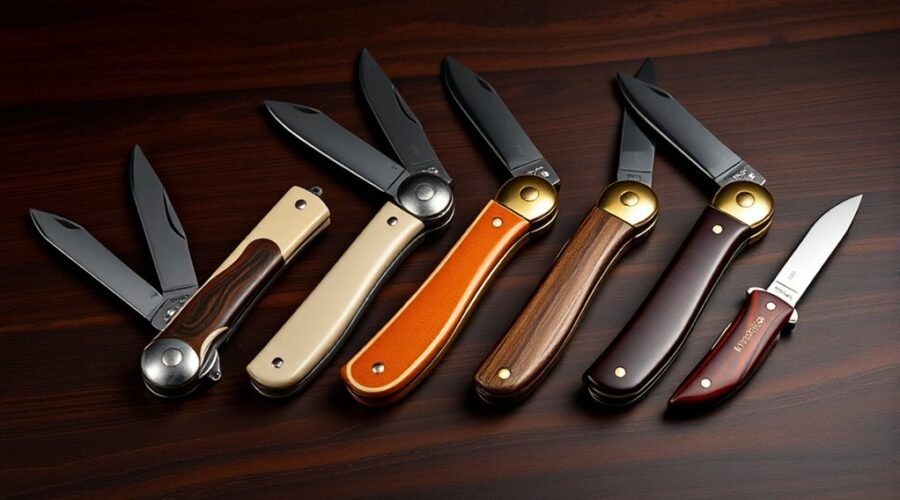
Classic pocket knives still matter in 2027, especially for those who value reliability over trends. From the Benchmade Osborne 940-2 to the Kershaw Atmos, each model brings a different balance of steel, weight, and carry comfort. Some lean toward hard use, while others favor elegance or simplicity. The real question is which one best fits everyday demands, and the answer is not as obvious as it first appears.
Benchmade Osborne EDC Knife, Black G10 Handle, S30V Steel Blade (940-2)
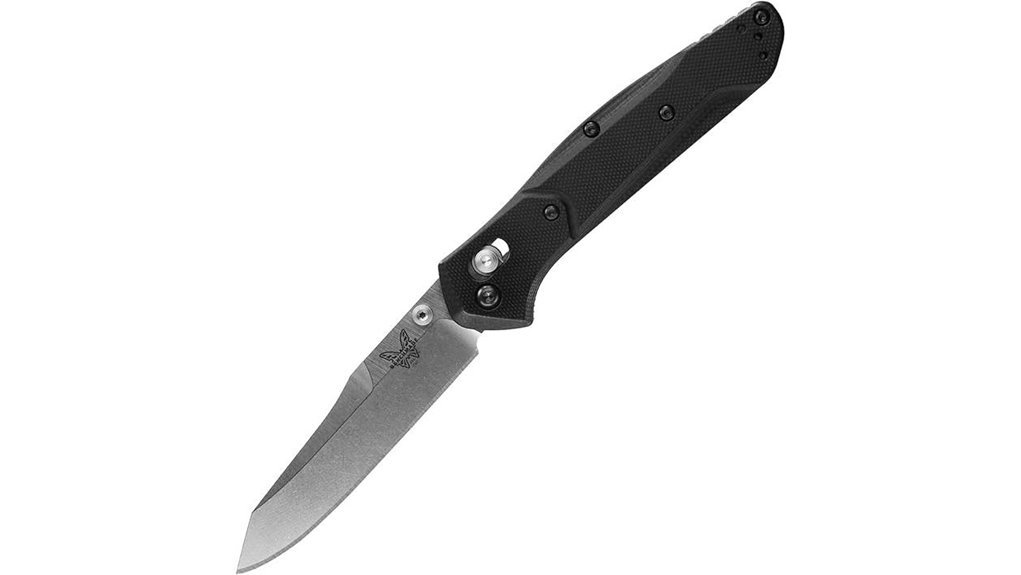
The Benchmade Osborne EDC Knife (940-2) is a strong choice for those who want a classic pocket knife with modern performance, especially users who value a lightweight, slim profile and reliable one-handed operation. Its 3.4-inch CPM-S30V reverse tanto blade offers controlled cutting, while the black G10 handle adds moisture resistance and stability. The AXIS lock supports secure, smooth use, and the reversible tip-up clip improves carry options. At 2.65 ounces, it suits everyday carry, camping, carving, fishing, and survival kits. Manufactured in Oregon City, Oregon, it is built for repeated use and requires hand washing.
Best For: EDC users, outdoors enthusiasts, and collectors who want a lightweight, slim, and reliable folding knife for everyday tasks and outdoor use.
Pros:
- Lightweight 2.65 oz design makes it easy to carry daily.
- CPM-S30V reverse tanto blade offers strong edge retention and controlled cutting.
- AXIS lock and reversible tip-up clip provide secure, convenient one-handed use.
Cons:
- Requires hand washing, so it is not low-maintenance.
- Blade length may be limiting for users who want a larger knife for heavy-duty tasks.
- Premium materials and build may come at a higher price than basic EDC knives.
Buck Knives The 55 Folding Pocket Knife, 1.9 oz
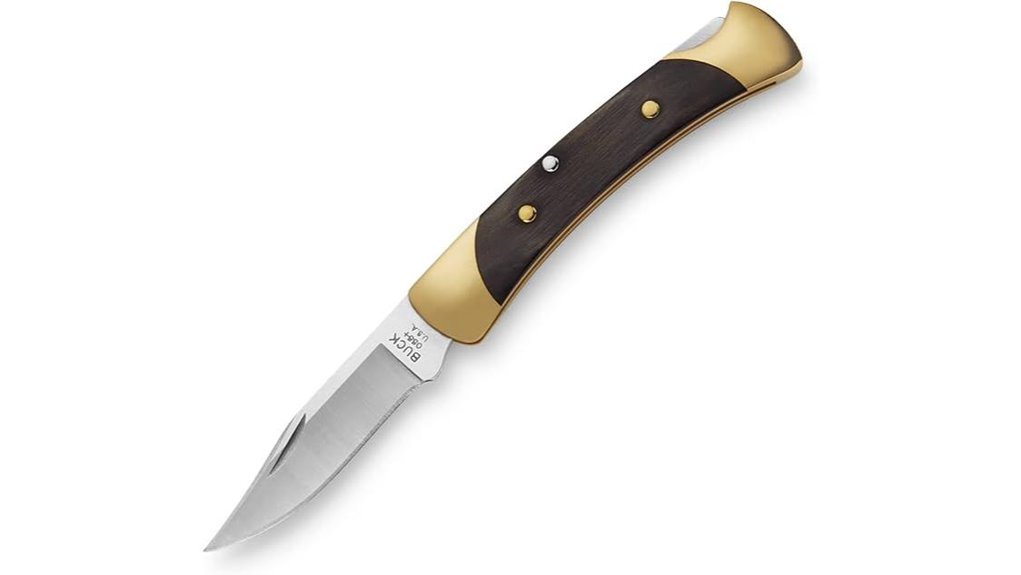
Weighing just 1.9 ounces, Buck Knives The 55 suits anyone wanting a truly pocket-friendly classic. Its 3-3/8-inch closed length and 2-3/8-inch 420HC stainless clip point blade keep it compact yet capable. The thinner blade offers controlled piercing, slicing, and precise work in tight spaces, while the lock back adds security. Genuine ebony or American walnut, paired with brass bolsters, gives it a refined look. Sourced sustainably with Taylor Guitars, it fits daily carry, outdoor use, and Buck’s 4-Ever lifetime warranty.
Best For: Anyone seeking a lightweight, classic pocket knife for everyday carry and light outdoor use.
Pros:
- Very lightweight at 1.9 oz and easy to pocket carry
- Compact clip point blade offers good control for slicing and precise tasks
- Attractive ebony or walnut handle with brass bolsters and a lifetime warranty
Cons:
- Small blade may be limiting for heavier-duty cutting tasks
- Hand wash only, so it needs more careful maintenance
- Lock back design may be less convenient for one-handed use than modern alternatives
Spyderco Para Military 2 Folding Pocket Knife, PlainEdge
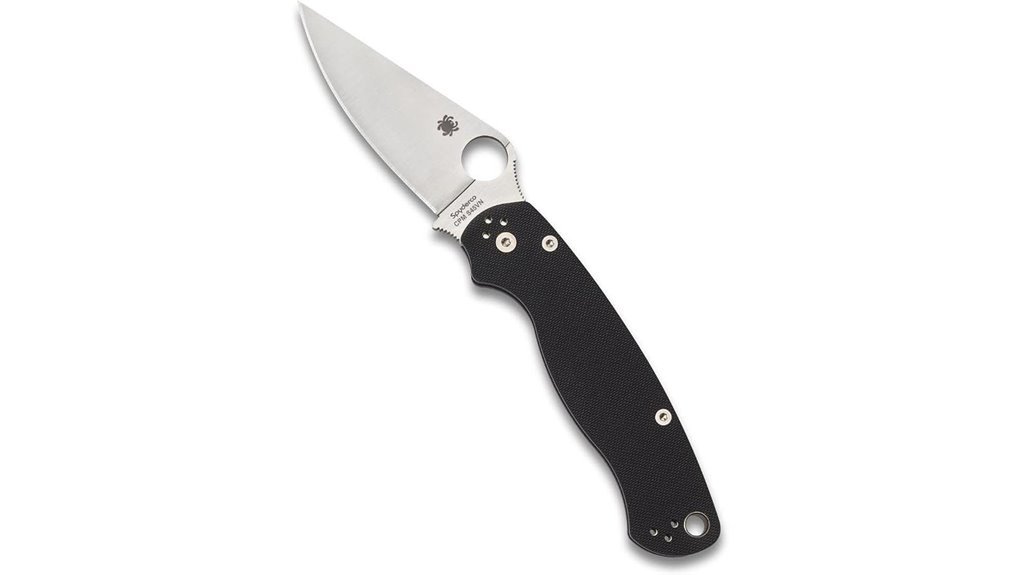
Spyderco’s Para Military 2 suits users who want a compact, high-performance folder for daily carry. The C81GP2 pairs an 8.26-inch overall length with a 3.45-inch CPM S45VN stainless steel PlainEdge blade, full-flat-ground for strong edge retention. Its G-10 handle, nested skeletonized liners, and open-backed construction keep weight low while preserving durability. A forward finger choil and thumb ramp improve control, and the Compression Lock supports smooth one-handed use. Four-position pocket clip placement and an oversized lanyard hole expand carry options. It is well suited to everyday tasks, camping, and outdoor use.
Best For: Users who want a compact, lightweight, high-performance everyday carry folding knife with excellent control and versatile carry options.
Pros:
- CPM S45VN blade with full-flat grind offers strong edge retention and efficient cutting performance
- Compression Lock, forward finger choil, and thumb ramp provide secure, comfortable one-handed use
- Four-position pocket clip and oversized lanyard hole allow flexible carry setups
Cons:
- Premium price point may be high for casual users
- Requires hand washing rather than easy dishwasher cleaning
- 3.45-inch blade and overall size may be too large for those seeking a very small pocket knife
Ontario Knife Company RAT 2 Folding Pocket Knife
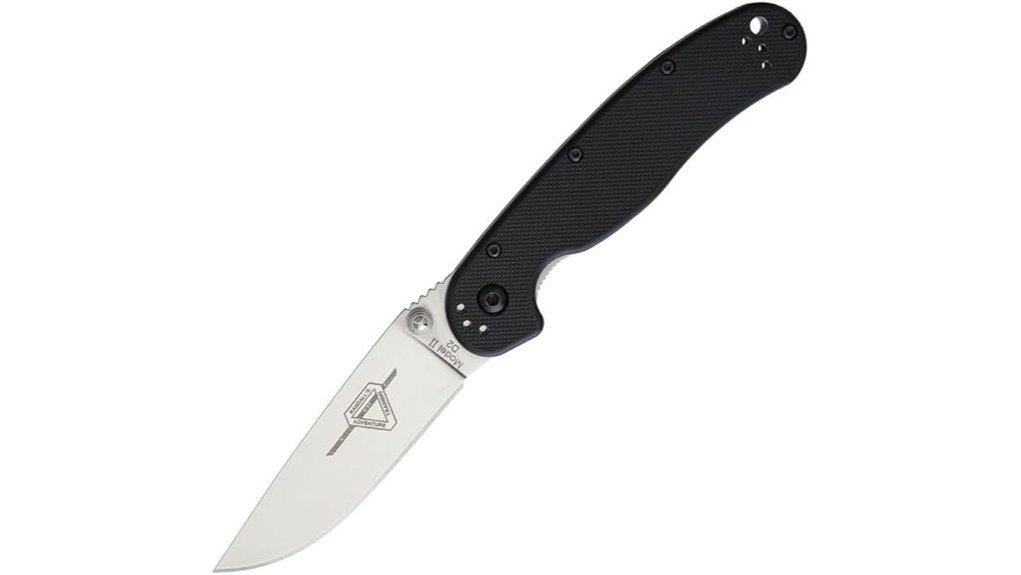
With its D2 blade and G-10 handle, the RAT 2 suits practical EDC users. Ontario Knife Company builds it around a 3-inch corrosion-resistant D2 tool steel blade, paired with a textured handle that improves control and durability. The thumb stud and liner lock support dependable one-handed use, while the removable pocket clip adds convenience. Its full flat taper grind produces clean, precise cuts for whittling, general chores, and kitchen tasks. Compact at 7 inches overall, the knife balances portability, style, and versatility for daily carry, outdoor use, and routine utility.
Best For: EDC users, outdoor enthusiasts, and anyone wanting a compact, durable folding knife for everyday tasks and precise cutting.
Pros:
- Durable 3-inch D2 tool steel blade offers strong corrosion resistance and reliable performance.
- Textured G-10 handle and liner lock provide a secure grip and dependable one-handed use.
- Compact, versatile design works well for whittling, chores, kitchen tasks, and daily carry.
Cons:
- 3-inch blade may feel small for users who prefer a larger knife.
- G-10 handle can be less comfortable than contoured scales for extended heavy use.
- Limited to folding-knife utility, so it may not suit heavier-duty cutting jobs.
Kershaw Atmos Pocket Knife, Black Carbon Fiber, 3 Inch Drop Point Blade
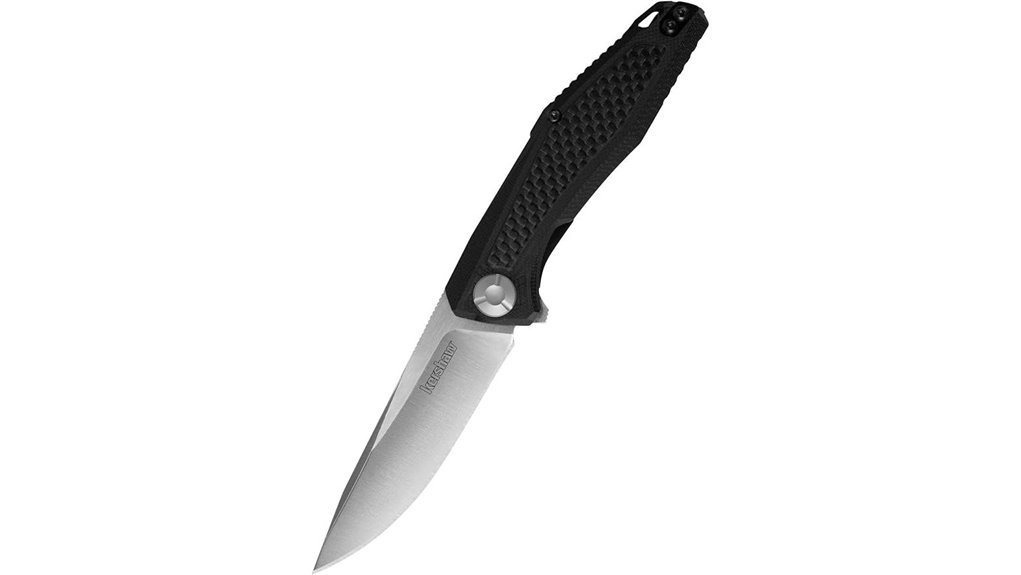
The Kershaw Atmos suits users who want a lightweight, refined everyday carry. Designed with custom knifemaker Dmitry Sinkevich, it pairs a 3-inch modified drop point blade in 8Cr13MoV steel with a satin finish for solid edge retention, hardness, and strength. The G10 handle with carbon fiber overlay is contoured for a secure grip, while the reversible pocket clip supports right- or left-handed tip-up carry. KVT ball bearings and thumb studs enable smooth opening, and the insert liner lock keeps the blade secure. At 1.9 ounces, it remains remarkably easy to carry.
Best For: Users seeking a lightweight, refined everyday carry pocket knife with smooth deployment, secure grip, and ambidextrous carry options.
Pros:
- Very lightweight at 1.9 oz, making it easy to carry daily
- Smooth opening with KVT ball bearings and thumb studs
- Reversible pocket clip and contoured handle add versatility and comfort
Cons:
- 3-inch blade may be too short for users wanting a larger knife
- 8Cr13MoV steel is solid, but not as premium as some higher-end steels
- Insert liner lock and lightweight build may feel less robust than heavier-duty options
Factors to Consider When Choosing Classic Pocket Knives 2026: 5 Iconic Blades That Stand the Test of Time
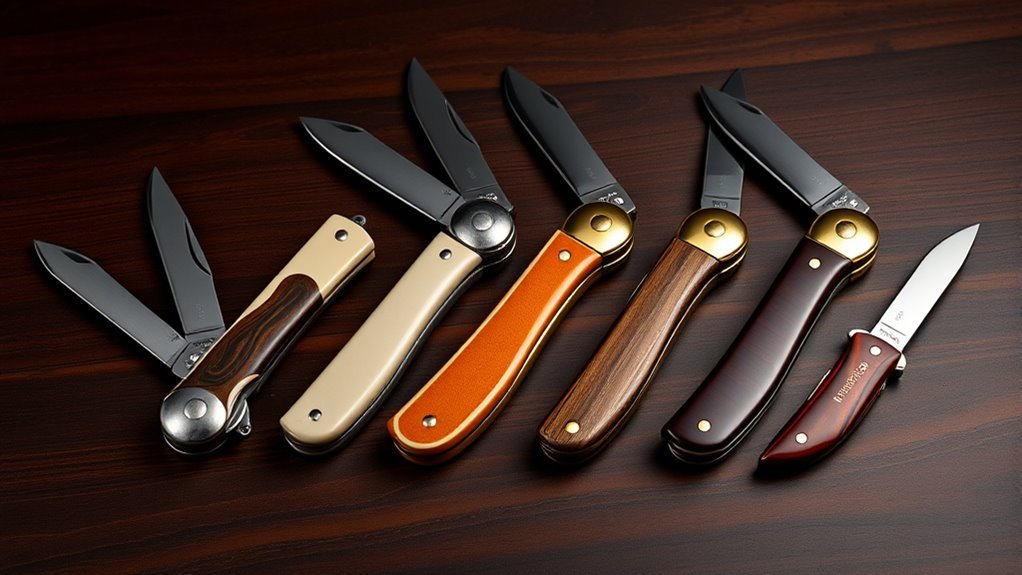
Classic pocket knives are often judged by blade steel quality, handle material comfort, locking mechanism safety, pocket carry profile, and blade shape utility. These factors help determine how well a knife performs in daily use and how reliably it holds up over time. In 2026, five iconic blades still earn attention because they balance tradition with practical design.
Blade Steel Quality
Blade steel quality directly shapes how well a classic pocket knife performs, influencing durability, edge retention, and corrosion resistance. In classic designs, the choice of steel often determines whether a blade stays useful through daily cutting or requires frequent sharpening. High-performance options such as CPM-S30V and CPM S45VN offer strong edge retention and toughness, making them well suited to demanding tasks. By contrast, stainless steels like 420HC prioritize corrosion resistance and easy maintenance, which benefits everyday carry use. Hardness, commonly measured on the Rockwell scale, also matters because harder steels usually hold an edge longer, though they may become more brittle. Specialty steels can further tailor wear resistance or toughness to specific design goals.
Handle Material Comfort
Beyond steel performance, handle material comfort strongly shapes how a classic pocket knife feels in daily use. Materials such as G10 and genuine wood balance durability with moisture resistance, helping the knife remain pleasant to hold in humid weather or long work sessions. Textured surfaces improve grip and control, especially when tasks demand precision or conditions turn wet. Weight also matters: lighter handle constructions make carry easier and reduce fatigue, while still preserving practical strength. Ergonomic profiles, including contoured scales, distribute pressure more evenly across the hand and lessen strain during repeated cutting. Sustainable handle options can further add visual character and align craftsmanship with environmental responsibility. Together, these qualities determine whether a classic design remains inviting, dependable, and comfortable over time.
Locking Mechanism Safety
A reliable locking mechanism is central to safe pocket knife use, because it keeps the blade securely in place and helps prevent accidental closure during cutting tasks. Strong options such as AXIS locks and compression locks offer dependable retention, while lock-back mechanisms remain valued for their simple, rugged operation. Some modern classic-inspired knives also use ball-bearing systems to support smooth deployment without sacrificing lock integrity. Mechanism choice can influence one-handed operation, since certain designs open faster and with less effort. Safety depends not only on the lock itself but also on consistent upkeep. Cleaning and inspecting the mechanism helps preserve function, reduces wear, and supports long-term reliability. A well-maintained lock contributes to confidence, control, and safer use over time.
Pocket Carry Profile
Carry profile shapes how a classic pocket knife fits into daily use, balancing portability, comfort, and security. A lightweight build, often between 1.9 and 2.65 ounces, helps the knife disappear in an everyday pocket without creating bulk. Closed lengths of roughly 3 to 4 inches further improve portability, letting the tool sit neatly and unobtrusively. Handle materials also matter: G10 offers durability and a secure feel, while genuine wood adds a traditional touch with usable comfort. A reversible pocket clip increases flexibility by allowing tip-up or tip-down carry according to preference. Meanwhile, AXIS and lock-back systems support safe handling while keeping the profile slim enough for smooth pocket integration and reliable daily carry.
Blade Shape Utility
Blade geometry often determines how well a classic pocket knife handles real-world tasks, with clip point and drop point designs each serving different needs for piercing and slicing. A clip point usually favors precise entry cuts, while a drop point offers broader control for general utility work. Reverse tanto blades excel at controlled cuts and detailed tasks, making them practical for everyday utility. Blade grind also matters; a full flat grind can improve slicing efficiency and support longer edge retention, which benefits both outdoor chores and routine use. Compact blades, usually 2 to 3.5 inches long, preserve practical cutting ability without becoming cumbersome. Material choice further shapes performance, since stainless steel resists corrosion and tool steel emphasizes toughness, affecting durability across varied environments.
Weight And Balance
Weight and balance play a central role in how a classic pocket knife feels and performs in daily use, with models typically ranging from about 1.9 ounces to more than 3 ounces. Lighter knives, especially those under 2 ounces, suit everyday carry because they disappear more easily in a pocket. Heavier versions near 3 ounces can feel more substantial and may support stronger blade performance and durability. Balance matters as much as total mass, since even weight distribution promotes smoother control and less hand fatigue during longer tasks. Blade length also affects this relationship; longer blades often need extra handle weight to stay stable. Materials such as G10 and carbon fiber help keep construction light while preserving strength, improving handling without adding unnecessary bulk.
Maintenance Requirements
Maintenance should also factor into the choice of a classic pocket knife, since the easiest knife to carry is not always the easiest to preserve. Regular hand washing helps protect the blade and handle from rust and corrosion, especially after exposure to moisture, dirt, or acidic materials. A soft cloth should be used after each outing to remove debris and dry hidden surfaces. Periodic lubrication of the pivot and locking parts keeps opening action smooth and reduces internal wear. Blades benefit from routine inspection for chips or dull edges, allowing sharpening before performance declines. For models with G10 handles, avoiding extreme temperatures helps preserve grip and structural stability. A knife that receives steady care remains reliable, safe, and attractive over years of use.
Frequently Asked Questions
Which Classic Pocket Knife Is Best for Everyday Carry?
The Victorinox Pioneer X is often considered best for everyday carry, offering durable steel, useful tools, and slim pocket-friendly dimensions. Its classic design balances practicality, reliability, and comfort for daily tasks.
Are Classic Pocket Knives Legal to Carry in Most States?
Like a vintage telegram, the answer is usually yes, though laws vary widely by state, city, and blade length. A prudent carrier checks local statutes, since concealed carry restrictions and school bans often apply.
How Do You Sharpen a Classic Pocket Knife Safely?
He sharpens the classic pocket knife by opening it fully, securing the blade, and using a whetstone at a steady angle. He keeps fingers clear, moves slowly, and finishes by cleaning and lightly oiling the blade.
What Blade Length Is Best for a Classic Pocket Knife?
A 2.5 to 3-inch blade is often best for a classic pocket knife, balancing control, portability, and everyday utility. Shorter blades feel safer and more legal in many places, while longer ones add cutting power.
How Often Should a Classic Pocket Knife Be Maintained?
A classic pocket knife should be maintained after each use, with cleaning, drying, and occasional oiling. Sharpening and deeper inspection should occur whenever performance drops, ensuring reliable function, corrosion resistance, and long-term durability.
Conclusion
These five classic pocket knives show that enduring design still has a place in everyday carry. Each model balances proven materials, reliable mechanics, and practical sizing, making them suitable for users who value both tradition and performance. Some may argue that newer folding knives offer more advanced features, but these icons remain compelling because they prioritize trust, simplicity, and longevity. For 2027, they stand as dependable choices that continue to earn their reputation.