

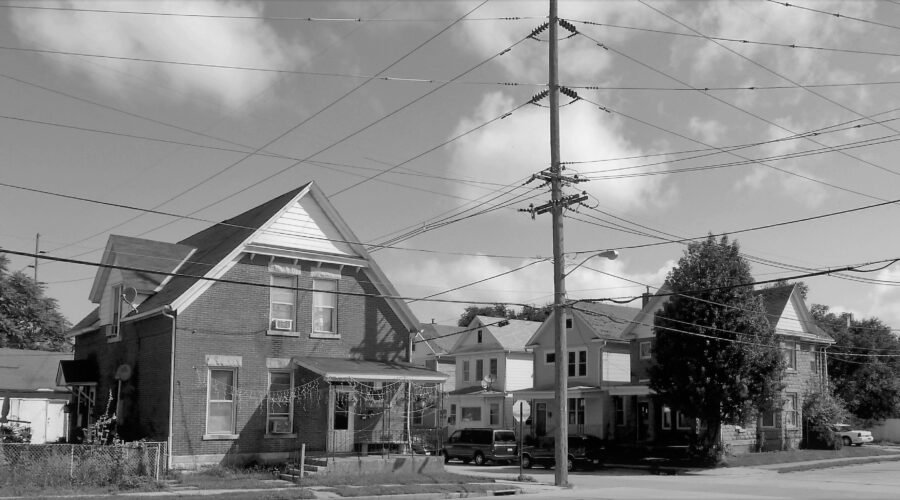
Iowa City, IA, is a vibrant college town with a distinctive charm that changes with the seasons. If you’re wondering when to visit, the short answer is it depends on what you’re looking for. Summer offers a relaxed pace and outdoor activities, while fall brings the electrifying energy of football season. Winter is quieter and more budget-friendly, and spring offers a refreshing transition. Each season has its own unique flavor, impacting everything from the weather and crowd levels to the cost of your trip.
Spring in Iowa City is a time of transition, shaking off the last vestiges of winter and slowly blooming into warmer weather. It’s a sweet spot for those who enjoy a milder climate and fewer crowds than the peak seasons.
The Weather: Mild and Unpredictable
March can still be quite chilly, with average highs in the 40s and lows in the 20s. You might even see a late-season snowfall. As April arrives, temperatures climb to the 50s and 60s, and by May, you’re looking at pleasant 60s and 70s. However, spring is also known for its unpredictability. One day can be sunny and warm, the next rainy and cool. Be prepared for anything with layers, an umbrella, and a light jacket. Average rainfall is around 3-4 inches per month during this period.
Crowds: Moderate and Manageable
Spring sees a moderate level of activity. The university is in full swing, so downtown will have a steady buzz, but it’s far less frantic than the fall. You’ll encounter students studying, grabbing coffee, and enjoying the improving weather. Tourist attractions and local businesses are generally less crowded, making it easier to explore without feeling rushed. You might encounter a small spike during university events like commencement in May, but generally, it’s a calm time to visit.
Costs: Generally Affordable
Spring is a good time for budget-conscious travelers.
Accommodation:
Hotel prices are typically lower than in summer or fall, especially outside of specific university event weekends. You can often find good deals on rooms, particularly in March and early April.
Flights:
Airfare into Cedar Rapids (CID), the closest airport, tends to be more reasonable in spring compared to the summer travel season or the high demand of fall football weekends.
Activities:
Many outdoor activities, like hiking and exploring parks, are free. Some indoor attractions might have seasonal rates, but these are generally stable. Dining out can be a bit cheaper as well, as fewer tourist-driven price increases occur.
Best for:
- Enjoying blooming nature and milder temperatures.
- Visitors who prefer a more relaxed and less congested experience.
- Hikers and outdoor enthusiasts ready to hit the trails as they thaw.
- Budget travelers looking for better deals on accommodations and flights.
If you’re planning a trip to Iowa City, Iowa, it’s essential to consider not only the best time to visit but also the various activities and attractions available throughout the year. For more insights on travel planning and tips, you can check out this related article on travel terms and conditions that can help you navigate your journey more smoothly. For more information, visit here.
2. Summer (June – August): Sunshine, Festivals, and a Laid-Back Vibe
Summer in Iowa City is a wonderful time to visit if you enjoy warm weather, outdoor festivals, and a slightly slower pace as many students are home for the break.
The Weather: Warm and Humid
June starts off pleasantly warm, with average highs in the upper 70s. July and August are the hottest months, frequently seeing temperatures in the 80s, and occasionally poking into the low 90s. Humidity can be a factor, particularly in July and August, so expect some sticky days. Rainfall is generally moderate, with occasional thunderstorms that can bring welcome relief from the heat. Don’t forget your sunscreen and light, breathable clothing.
Crowds: Moderate to High (with exceptions)
While the university is out, don’t mistake summer for an entirely quiet period.
University Town vs. Summer Break:
The student population significantly decreases, leading to a noticeable drop in daily campus activity and downtown foot traffic during weekdays.
Festivals and Events:
However, Iowa City comes alive with festivals and events during the summer. The Iowa Arts Festival, Iowa City Jazz Festival, and Friday Night Concert Series draw significant crowds. These weekends will be much busier, particularly in the downtown area. If you’re visiting for an event, expect larger crowds and plan accordingly.
Outdoor Activities:
Parks, trails, and the Iowa River are popular, attracting locals and regional visitors for recreation.
Costs: Variable
Summer costs can fluctuate quite a bit depending on when you visit and what’s happening.
Accommodation:
Hotels can be more expensive during festival weekends, but otherwise, they tend to be moderately priced. There isn’t the consistent high demand seen during fall football season.
Flights:
Airfare can be higher during the peak summer travel season, especially for flights booked closer to your travel dates. Booking in advance can help secure better rates.
Activities:
Many summer activities, like attending outdoor concerts and exploring parks, are free or low-cost. However, festival attendance or special events might have associated fees. Dining out prices tend to be stable, with some local businesses offering summer specials.
Best for:
- Outdoor enthusiasts and those who love warm weather.
- Festivalgoers eager to experience Iowa City’s vibrant summer events.
- Families looking for relaxed summer fun.
- Those interested in exploring the Iowa River by kayak or paddleboard.
3. Fall (September – November): Football Frenzy and Autumn Glory

This is arguably the most iconic time to visit Iowa City, particularly for those who love college football and vibrant autumn colors. It’s also the busiest and often the most expensive season.
The Weather: Crisp, Colorful, and Cooling
September is often glorious, with warm, sunny days (70s) and cooler evenings (40s-50s). The leaves begin to change, painting the landscape in reds, oranges, and yellows. October sees the peak of fall foliage, with temperatures dropping to the 50s and 60s during the day. By November, things get noticeably colder, with average highs in the 40s and lows in the 20s and 30s. You might even see the first snow flurries. Dressing in layers is essential for fall.
Crowds: High, Especially on Game Days
Fall is peak season in Iowa City, primarily due to University of Iowa football.
Game Day Crowds:
On home game weekends, the city transforms into a sea of black and gold. Hotels book up months in advance, restaurants are packed, and downtown streets are bustling. Kinnick Stadium, with its capacity of over 69,000, becomes the epicenter of activity. If you’re not there for the game, prepare for significant traffic, full parking lots, and a lively, sometimes boisterous, atmosphere.
Non-Game Day Weekends:
Even on non-game weekends, the university is in full session, so there’s a constant energy. Fall foliage also attracts visitors, particularly in mid-October. However, the crowds are significantly more manageable outside of actual game days.
Costs: The Highest of the Year (Especially During Game Days)
If budget is a concern, fall, particularly game weekends, will be your biggest challenge.
Accommodation:
Hotel rates skyrocket on home football weekends. Expect to pay premium prices, and many hotels require multi-night stays. Booking several months in advance is highly recommended, as options become scarce quickly. Even during non-game weekends, hotel prices are elevated compared to spring or winter.
Flights:
Airfare can also be higher in the fall due to general demand and specific game-day travel. Again, booking well in advance is key to potentially securing better rates.
Activities:
Tickets for football games are a significant expense. Otherwise, general dining and attraction costs are similar to summer, but the overall trip cost will be driven by accommodation and potentially game tickets.
Best for:
- Die-hard college football fans eager to experience the Hawkeye spirit.
- Those who love spectacular fall foliage.
- Visitors who enjoy a high-energy, vibrant atmosphere.
- People wanting to experience the quintessential Iowa City college town feel.
4. Winter (December – February): Quiet, Cozy, and Cost-Effective

Winter in Iowa City offers a stark contrast to the lively fall. It’s a quieter, often serene time to visit, and typically the most budget-friendly.
The Weather: Cold and Snowy
Winter means cold. Average highs typically hover in the 20s and 30s, with lows often dipping into the single digits or even below zero. Snowfall is common, sometimes heavy, creating a picturesque (but chilly) landscape. Ice can also be a concern. Layer up with warm coats, hats, gloves, and waterproof boots. While challenging for outdoor pursuits, the snow can make the city look quite beautiful.
Crowds: Sparse and Relaxed
This is Iowa City’s off-season.
University Break:
The university is on winter break for a good portion of December and January, which significantly reduces the local population.
Downtown and Attractions:
Downtown will be much quieter, especially during weekdays. You’ll find it easier to get reservations at popular restaurants, browse shops without crowds, and enjoy museums at a leisurely pace. The atmosphere shifts from bustling to cozy and reflective.
Holiday Exceptions:
The exception to the quiet rule would be during the holiday season (late November to early December) when seasonal events like the Northside Holiday Extravaganza might draw local families, and immediately before Christmas when shoppers are out.
Costs: Generally the Lowest
| Month | Weather | Crowds | Costs |
|---|---|---|---|
| June | Warm and sunny | Moderate | Moderate |
| July | Hot and humid | High | High |
| August | Hot and humid | High | High |
| September | Mild and pleasant | Moderate | Low |
Winter is your best bet for a budget-friendly trip.
Accommodation:
Hotel prices are typically at their lowest during the winter months, particularly after the New Year and before spring break. You can often find excellent deals on quality accommodations.
Flights:
Airfare is usually more affordable during the winter, outside of the specific Christmas and New Year’s travel peaks.
Activities:
Many indoor attractions remain open and might even have special winter programming. With fewer outdoor activities, your spending might naturally shift towards indoor entertainment and dining, which typically remain consistently priced.
Best for:
- Budget travelers looking for the best deals on accommodations and flights.
- Visitors who prefer a quiet, relaxed, and uncrowded experience.
- Those interested in exploring indoor attractions like museums, galleries, and independent bookstores.
- People who appreciate a snowy, cozy atmosphere and don’t mind the cold.
If you’re planning a trip to Iowa City, understanding the best time to visit can greatly enhance your experience. For insights on how weather, crowds, and costs can influence your travel plans, you might find it helpful to read a related article that provides a comprehensive overview of seasonal trends and local events. This information can help you make informed decisions about when to explore the vibrant culture and beautiful landscapes of Iowa City. To learn more, check out this informative guide that delves deeper into the factors affecting your visit.
5. Factors to Consider Beyond the Seasons
While seasonality is a major factor, a few other elements can influence your visit, regardless of the time of year.
University of Iowa Schedule: The Underlying Rhythm
Iowa City’s pulse is inextricably linked to the University of Iowa.
School Year vs. Breaks:
When classes are in session (roughly late August to early May, with breaks), the city is more energetic. Weekdays are busier with students, and events abound. During summer break or winter break, the pace slows down. If you’re looking for a quieter experience, aim for university breaks. If you want to feel the college town vibe, aim for semesters in session.
University Events:
Beyond football, be aware of other major university events. Parent’s Weekend, Homecoming, commencement, and even major academic conferences can significantly impact hotel availability and prices. Always check the official University of Iowa calendar before booking, particularly if your dates are flexible.
Local Event Calendar: Beyond the University
Iowa City has a robust arts and culture scene that hosts events year-round.
Arts and Culture Festivals:
Keep an eye on the local tourism website for events like the Iowa City Book Festival (often in October), various theatrical productions at Hancher Auditorium, or film series at FilmScene. These events can draw crowds and enhance your visit.
Farmers Market:
The Iowa City Farmers Market runs from May through October and is a vibrant Saturday morning experience. If you’re a foodie, plan your visit to catch it.
Your Personal Preferences: What Do You Value Most?
Ultimately, the ‘best’ time to visit Iowa City comes down to what you prioritize for your trip.
Atmosphere:
Do you thrive on high-energy crowds (fall game days) or prefer a serene, contemplative experience (winter)?
Activities:
Are you dreaming of kayaking on the Iowa River (summer) or browsing independent bookstores in a cozy cafe (winter)?
Budget:
Are you willing to pay premium prices for a specific experience (fall football) or looking for the most economical option (winter)?
Weather Tolerance:
Are you a sun worshiper, or does a crisp, cold day with a chance of snow sound delightful?
By considering these factors alongside the seasonal breakdown, you can perfectly tailor your visit to Iowa City to match your expectations and ensure a memorable trip. No matter when you choose to come, Iowa City offers a unique and welcoming experience.
FAQs
1. What is the best time of year to visit Iowa City, Iowa?
The best time to visit Iowa City, Iowa is during the summer months of June, July, and August when the weather is warm and there are plenty of outdoor activities and events to enjoy.
2. What is the weather like in Iowa City throughout the year?
Iowa City experiences a wide range of weather throughout the year. Winters are cold and snowy, while summers are warm and humid. Spring and fall offer mild temperatures and colorful foliage.
3. When are the peak tourist seasons in Iowa City?
The peak tourist seasons in Iowa City are during the summer months and during major events such as the Iowa Arts Festival and the Iowa City Jazz Festival. These times tend to draw larger crowds and higher hotel prices.
4. What are the costs like for visiting Iowa City during different times of the year?
Visiting Iowa City during the summer months and peak tourist seasons may result in higher hotel prices and increased costs for activities and events. Visiting during the off-peak seasons, such as late fall or early spring, may result in lower costs.
5. Are there any specific events or festivals that are worth considering when planning a trip to Iowa City?
Iowa City hosts several events and festivals throughout the year, including the Iowa Arts Festival, the Iowa City Jazz Festival, and the Iowa City Book Festival. These events offer unique experiences and are worth considering when planning a trip to the area.


[…] different destinations, you can also see the same weather-crowd-cost framework in these guides to Iowa City and Masukiye, […]
[…] If you’re planning a trip to Nakhon Ratchasima, Thailand, understanding the best time to visit is crucial for an enjoyable experience. Factors such as weather, crowds, and costs can significantly impact your travel plans. For another seasonal comparison, you can read this guide to the best times to visit Iowa City. […]