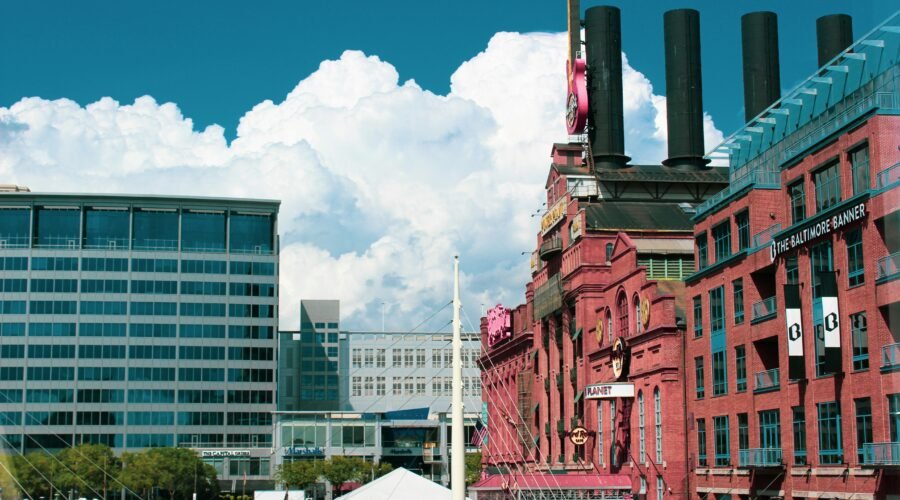
Thinking about a trip to Baltimore and wondering about the sweet spot – when’s the best time to go to get good weather, avoid the biggest crowds, and maybe even save a few bucks? Good news! While Baltimore is a year-round destination with something to offer in every season, for a generally pleasant experience balancing weather, crowds, and cost, late spring (April-May) and early fall (September-October) tend to be your best bets.
But that’s a bit of a simplification, right? Let’s break down Baltimore’s seasons to give you a clearer picture.
Before we dive into specific months, it helps to understand the general vibe of Baltimore’s climate and what drives its tourism. Maryland, and Baltimore within it, experiences four distinct seasons. This means temperature swings, potential for snow, and plenty of sun throughout the year.
Typical Baltimore Weather Patterns
Baltimore sits in a mid-Atlantic climate zone. This means you can expect:
- Summers: Generally hot and humid. Think highs in the upper 80s to low 90s Fahrenheit, with plenty of sticky days. Afternoon thunderstorms are pretty common.
- Fall: Starts mild and gradually cools down. Crisp air, beautiful foliage, and comfortable temperatures are the norm.
- Winters: Can be cold, with average highs in the 30s and 40s Fahrenheit. Snowfall is variable; some years are mild, while others see significant snowstorms.
- Spring: Warms up from a chilly start. Early spring can still be cool, but by late spring, it’s typically pleasant and green.
What Draws People to Baltimore?
Baltimore’s appeal is diverse. People visit for:
- History and Culture: Inner Harbor, Fort McHenry, museums, historic neighborhoods.
- Food Scene: Seafood (especially crab), diverse ethnic eateries.
- Sports: Baltimore Orioles (baseball) and Baltimore Ravens (NFL) have dedicated fan bases.
- Family Attractions: National Aquarium, Science Center, nearby amusement parks.
- Events and Festivals: Numerous happenings throughout the year.
The interplay of these factors, along with the weather, dictates when you’ll find more people and higher prices.
If you’re planning a trip to Baltimore, Maryland, understanding the best time to visit can greatly enhance your experience. For more insights on travel planning and tips, you might find this related article helpful: Travel Planning Insights. It provides valuable information on various destinations, helping you make informed decisions about your travels.
The Sweet Spot: Spring’s Gentle Return
Late spring in Baltimore offers a fantastic combination of pleasant weather and manageable crowds, making it an ideal time for many visitors.
April: A Transition Month
April in Baltimore is a bit of a mixed bag, but leaning towards the positive if you’re prepared.
- Weather: Expect a wide range. Early April can still feel quite cool, with average highs in the mid-60s. By the end of the month, you’re often seeing highs in the mid-70s. Rain is fairly common, so pack an umbrella and waterproof shoes. The city starts to bloom, with trees leafing out and flowers appearing, adding a nice visual element.
- Crowds: Generally lower than summer. You’ll find fewer families on school breaks and before the really warm weather hits. Major tourist spots will be less packed.
- Costs: Accommodation prices are typically moderate. You might find some good deals, especially midweek, before everyone starts booking summer vacations. Flight prices are also usually reasonable.
- What to Do: It’s perfect for walking tours of historic neighborhoods like Fells Point and Federal Hill without the intense summer heat. The Inner Harbor is enjoyable, and outdoor cafes start to buzz with activity. It’s also a good time for museum visits before they get swamped.
May: Blooming into Prime Time
May is arguably when Baltimore truly shines for many visitors, hitting a sweet spot on multiple fronts.
- Weather: This is where Baltimore’s weather really starts to cooperate. Highs consistently reach the upper 70s to low 80s Fahrenheit, with lower humidity than the peak summer months. Evenings are pleasant, perfect for enjoying a meal outdoors. Sunshine is abundant, and the city is vibrantly green.
- Crowds: Crowd levels begin to pick up as summer approaches and school lets out for some activities, but it’s not yet peak season. You’ll encounter more people than in April, but it’s still comfortable. Major attractions will have a steady stream of visitors, but you’re less likely to face overwhelming queues.
- Costs: Accommodation prices start to climb slightly as demand increases, but you can still find good value, especially earlier in the month or by booking in advance. Flight prices are also reasonable, though they can tick up closer to Memorial Day weekend.
- What to Do: May is excellent for outdoor activities. Patios and rooftop bars are in full swing. You can comfortably explore the waterfront, visit the National Aquarium or Science Center without feeling rushed, and enjoy events like the Baltimore Flower Show (sometimes early May) or various neighborhood festivals that begin to pop up. It’s a fantastic time for a stroll through Patterson Park or along the scenic drives.
Embracing the Autumn Crisp

Following the summer heat, fall offers another golden period to experience Baltimore with comfortable temperatures and fewer crowds.
September: A Smooth Transition Post-Summer
September in Baltimore feels like a breath of fresh air after the humidity of August.
- Weather: The intense heat of summer usually breaks by September. Early September can still be warm, with highs in the low 80s, but it quickly cools down. By the end of the month, average highs are in the mid-70s, and the humidity significantly drops. Evenings become pleasantly cool, ideal for outdoor dining. The city’s foliage begins to hint at the colors to come.
- Crowds: Crowds decrease significantly after Labor Day weekend. Families return to school, and the general tourist influx lessens. This makes it a great time to visit popular spots without feeling overwhelmed.
- Costs: Accommodation prices generally dip after the summer peak. You can often find better deals on hotels and potentially flights compared to July and August. Midweek stays are especially economical.
- What to Do: September is perfect for exploring Baltimore’s many outdoor attractions. The Inner Harbor is still lively but more relaxed. It’s an excellent time for walking, biking, or visiting outdoor markets. The start of football season means the Ravens games are in full swing, adding a different kind of energy to the city, but it also means hotel prices might surge on game weekends.
October: The Peak of Fall
October solidifies Baltimore’s reputation as a prime fall destination, offering beautiful scenery and comfortable exploration.
- Weather: This is often considered one of the most pleasant months weather-wise. Average highs are in the low 70s Fahrenheit, with crisp, cool air, especially in the mornings and evenings. While there’s a chance of rain, sunny days are frequent and ideal for outdoor activities. The fall foliage starts to show its colors, particularly in the city’s many parks and surrounding areas, adding a picturesque backdrop.
- Crowds: Crowds remain at manageable levels, though they will be higher than September, especially around Halloween when special events might occur. It’s still far from the summer crush. You can expect a steady flow of visitors at major attractions.
- Costs: Hotel prices are generally moderate, though they might see a slight bump towards the end of the month if there are major local events or if it aligns with fall break for some. It’s a good time to find reasonable rates, especially if you book in advance or are flexible with your dates. Flight prices are usually stable.
- What to Do: October is perfect for enjoying Baltimore’s outdoor offerings and enjoying the fall ambiance. Think leisurely strolls through historic Fells Point, a visit to Fort McHenry under clear skies, or exploring the art scene. Many local farms and apple orchards outside the city are in full swing with harvest festivals, offering a pleasant day trip. Halloween-themed events might be happening, adding a spooky fun element to your visit.
Navigating Crowds and Costs: Beyond the Ideal Seasons

While spring and fall are excellent, there are specific considerations for visiting Baltimore in summer and winter.
Summer: The High Season Surge
Summer in Baltimore is synonymous with peak tourism, school holidays, and the most intense weather.
- Weather: This is when Baltimore experiences its hottest and most humid conditions. Highs regularly hit the upper 80s and low 90s Fahrenheit, often accompanied by oppressive humidity. Afternoon thunderstorms are common and can be intense, though brief. If you don’t like the heat or humidity, this might not be your preferred season.
- Crowds: Expect the largest crowds of the year. Families are on vacation, and the city is a popular destination during these months. Major attractions, especially the Inner Harbor, National Aquarium, and surrounding parks, will be very busy. Be prepared for longer waits and a more bustling atmosphere.
- Costs: This is generally the most expensive time to visit. Hotels will have their highest rates, and flights can also be pricier, especially around major holidays like the Fourth of July or during peak vacation weeks. Booking well in advance is crucial to secure reasonable prices.
- What to Do: Despite the heat and crowds, summer offers a vibrant energy. Outdoor concerts, festivals, and events are abundant. The Inner Harbor is a hub of activity with boat tours, fireworks displays, and lively entertainment. It’s a good time for indoor attractions like museums that offer air conditioning relief. If you plan to visit in summer, pack light clothing, stay hydrated, and be prepared for the heat and queues. Early mornings or late afternoons can be more comfortable for sightseeing.
Winter: Quieter, Colder, and Potentially Cheaper
Winter in Baltimore offers a different kind of charm, marked by fewer crowds and potentially lower costs, but with cold weather as the main consideration.
- Weather: Winters are cold, with average highs in the 30s and 40s Fahrenheit. You can expect chilly, grey days, and occasional snow or sleet. Ice and freezing temperatures are also a possibility. While snowstorms can happen and sometimes disrupt travel, they are not guaranteed every year, and frequently melt relatively quickly in the city.
- Crowds: This is Baltimore’s slowest tourist season. You’ll encounter significantly fewer people at attractions, making it an ideal time for those who prefer a more relaxed and intimate travel experience.
- Costs: This is typically the most budget-friendly time to visit. Hotels often offer their lowest rates of the year, and flight prices can also be quite competitive, especially outside of the holiday season (Christmas and New Year’s).
- What to Do: Winter is excellent for exploring Baltimore’s indoor attractions. The museums, art galleries, and the National Aquarium are perfect for a cold day. The Inner Harbor is still scenic, though less active, and you can enjoy cozy cafes and restaurants. The holiday season (late November through December) brings festive decorations and events, offering a magical atmosphere if you can tolerate the cold. Think about enjoying a warm meal, catching a show, or immersing yourself in the city’s rich indoor cultural offerings.
When planning your trip to Baltimore, Maryland, it’s essential to consider not only the best time to visit but also the various attractions and experiences the city has to offer. For those interested in exploring the local culture and history, you might find it helpful to read about the dedicated team behind the tours available in the area. Their insights can enhance your understanding of Baltimore’s unique charm. You can learn more about them in this article about the team behind the tours.
Special Considerations for Your Visit
| Month | Weather | Crowds | Costs |
|---|---|---|---|
| March – May | Mild temperatures, blooming flowers | Medium | Moderate |
| June – August | Hot and humid | High | High |
| September – November | Mild temperatures, fall foliage | Medium | Moderate |
| December – February | Cold, possibility of snow | Low | Low |
Beyond the broad seasonal strokes, a few specific factors can influence your timing.
Event-Driven Travel
Baltimore hosts a variety of events throughout the year that can dramatically impact crowds and costs.
- Major Sporting Events: If you’re a fan of the Baltimore Orioles (baseball season runs April to September) or the Baltimore Ravens (NFL season runs September to January), a game weekend will bring a surge in crowds and hotel prices. Booking well in advance is essential for these periods.
- Festivals and Conventions: The city has a steady calendar of festivals, art events, and large conventions. These can fill hotels and create a lively atmosphere, but also increase congestion. A quick check of Baltimore’s event calendar before booking can be very helpful. For example, Artscape, typically held in July, is a massive outdoor art festival that draws huge crowds.
- Holiday Weekends: Memorial Day, Fourth of July, Labor Day, and Thanksgiving weekends all see increased travel and higher prices. If you’re looking to save money and avoid crowds, try to plan your trip for the weeks directly before or after these holidays.
Your Personal Preferences
Ultimately, the “best” time to visit Baltimore depends on what you prioritize.
- For Warm Weather Enthusiasts: Late May through early September offers the warmest temperatures, but be prepared for heat, humidity, and peak crowds.
- For Autumn Lovers: September and October are fantastic for beautiful foliage, comfortable temperatures, and fewer crowds.
- For Budget Travelers: January through March (excluding holidays) and potentially late November through early December (before the Christmas rush) offer the lowest prices.
- For History Buffs: Any time is a good time to explore Baltimore’s rich history, but cooler, less crowded months like April, May, September, and October might make extensive walking tours more enjoyable.
- For Foodies: Baltimore’s culinary scene is accessible year-round, but outdoor dining is more pleasant in the warmer months. The famous Maryland Blue Crabs are typically in season from spring through fall.
By considering these factors, you can pinpoint the perfect window for your Baltimore adventure that balances weather, crowds, and your budget.
FAQs
1. What is the best time of year to visit Baltimore, Maryland?
The best time to visit Baltimore, Maryland is during the spring and fall months, specifically April to May and September to October. During these times, the weather is mild, and there are fewer crowds compared to the peak summer months.
2. What is the weather like in Baltimore throughout the year?
Baltimore experiences four distinct seasons. Summers are hot and humid, with temperatures averaging in the 80s and 90s Fahrenheit. Winters are cold, with temperatures often dropping below freezing. Spring and fall offer milder temperatures, making them ideal for outdoor activities.
3. When are the peak tourist seasons in Baltimore?
The peak tourist seasons in Baltimore are during the summer months, particularly from June to August. During this time, the city experiences an influx of visitors, leading to higher hotel rates and larger crowds at popular attractions.
4. What are the average costs of visiting Baltimore throughout the year?
The average costs of visiting Baltimore can vary depending on the time of year. Generally, hotel rates and airfare tend to be higher during the peak summer months. Visiting during the shoulder seasons of spring and fall may offer more affordable options for accommodations and activities.
5. Are there any major events or festivals that impact the best time to visit Baltimore?
Baltimore hosts several major events and festivals throughout the year, such as the Maryland Film Festival in May and the Baltimore Book Festival in September. These events can attract large crowds and may impact the best time to visit based on individual interests.