You spend long days in ski boots and the socks you choose determine whether your feet stay warm, dry, and comfortable. This guide focuses on warmth, fit, and moisture management so you can pick socks that support long climbs, fast laps, or cold lift rides. Each pick highlights what makes that sock useful for real skiing conditions and how it can improve your day on the mountain.
Top Picks
|
Category |
Product |
Score |
|---|---|---|
|
🏆 Best Performance Fit |
86/100 |
|
|
🎯 Best For Ski Touring |
94/100 |
|
|
⭐ Best For Women |
90/100 |
|
|
💰 Best Value |
88/100 |
Selection Criteria
You want socks that balance warmth, fit, and sweat control without creating bulk that ruins boot fit. We prioritized fabric blends and construction that deliver insulation and wicking, looking for merino content or technical yarns, targeted padding, and reliable compression where appropriate. Durability and consistent sizing matter because a worn or slipping sock undermines every other feature. We also factored in user reports on blister prevention, machine wash stability, and how each sock performs while touring versus resort skiing.
Price and value were considered so you can match a sock to how often and how hard you ski.
DISSENT Ski Socks

These are designed for high-output days when you need your socks to stay put and perform. You get a locked-on fit with graduated compression that helps keep your feet supported during long tours and aggressive resort laps.
The DLX-merino blend balances warmth and moisture management so your feet stay drier than with basic cotton socks, and the low-profile cut keeps bulk out of tighter boots. Wear them for daily resort runs, skinning uphill on long backcountry outings, or any day you demand a precise fit and consistent feel.
If you favor performance over fluffy warmth, these are a solid, dependable option.
What People Say
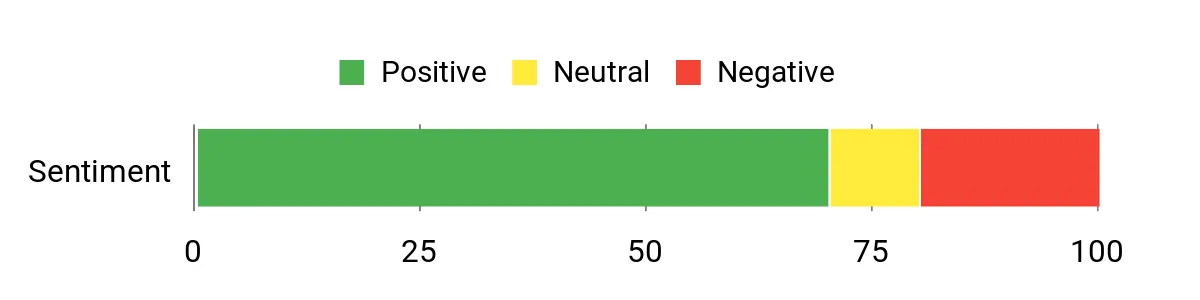
You’ll see reviewers praising the compression fit and how the socks stay in place during long days on the hill. Many note good wicking and durability through repeated washes, while a minority report issues with toe wear or not being warm enough in very cold, idle conditions.
Overall the conversation centers on performance, fit, and longevity rather than plush insulation.
Overall Sentiment: Positive
Long-Term Cost Benefits
Because these hold their shape and resist shrinkage, you replace socks less often than cheaper options. The durable knit and reinforced construction mean you get more seasons of use, which lowers the total cost per season if you ski regularly.
Return on Investment
If you ski frequently or tour, the performance features and durability justify the up-front cost by reducing blisters, improving comfort in your boots, and lasting through many washes. For occasional skiers the premium may feel less necessary.
When To Wear
|
Situation |
How It Helps |
|---|---|
|
Backcountry Touring |
Graduated compression supports circulation on long climbs and the low-profile fit prevents boot crowding on steep skins. |
|
High-Intensity Resort Days |
Anatomic padding and a locked-on fit keep your feet stable during aggressive turns and repeated runs. |
|
Cold Lift Rides |
Merino blend wicks moisture away during activity so you avoid chilled feet while pausing on lifts. |
|
Frequent Travel |
Durable construction and machine-wash stability make them easy to care for between trips. |
Health Benefits
|
Benefit |
Description |
|---|---|
|
Improved Circulation |
Graduated compression can help reduce leg fatigue and maintain blood flow during long periods of activity. |
|
Reduced Hot Spots |
Anatomic padding and a locked fit minimize friction that often leads to blisters when you push hard. |
|
Moisture Control |
Merino content and technical fibers wick sweat away, lowering the chance of cold, damp feet. |
Versatility
You can use these for hard charging resort days, multi-hour backcountry tours, and general winter outdoor work where fit and control matter. They skew toward performance rather than lounge comfort, so they’re best when you need precision.
Comfort
Comfort comes from the combination of targeted padding and the locked-on compression fit. You’ll notice less bunching and fewer pressure points inside a properly sized boot, though they favor a snug, performance feel over plush cushioning.
Water Resistance
These are not waterproof. Their strength is moisture wicking rather than repelling water, so they perform best while you’re active and generating heat rather than sitting in slush.
Indoor / Outdoor Use
Primarily built for outdoor ski use, they’re also fine for travel and indoor post-activity wear. You’ll likely prefer a softer, thicker sock for lounging, but these are handy for quick transitions between indoor and outdoor during ski days.
Key Benefits
- Locked-on compression fit that reduces foot movement
- Merino blend for breathability and odor control
- Targeted padding for consistent comfort in boots
- Durable construction that holds shape after washing
Rating: 4.3 (total: 12+)
CEP Ski Touring
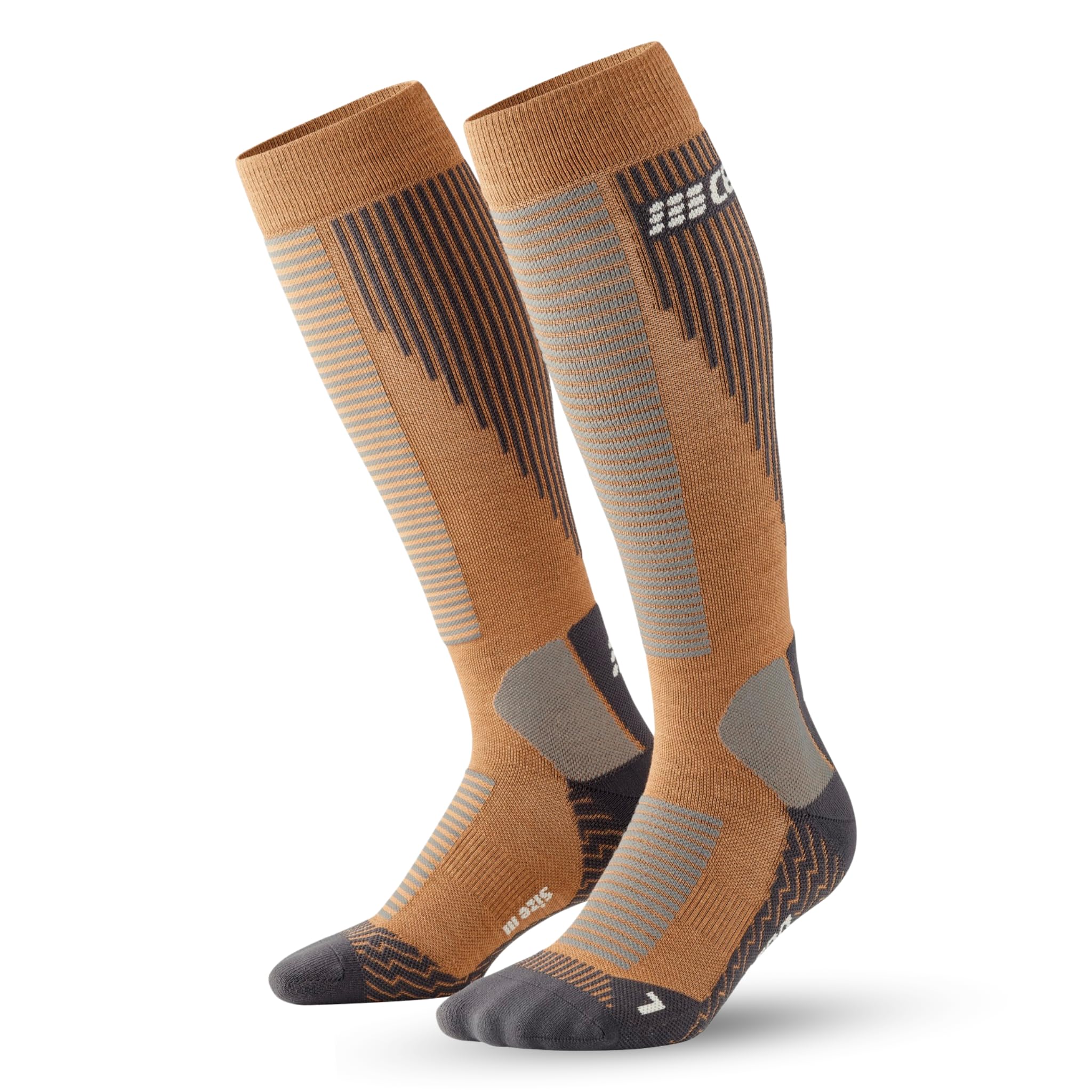
These socks are built for long tours and demanding resort days where you need reliable support and moisture control. You get medical-grade compression to keep your legs feeling less fatigued on climbs, a patented 3D footbed that improves grip inside tight ski boots, and strategic padding plus ventilation to manage heat and humidity.
They work well for daily training sessions, multi-hour backcountry outings, and focused resort laps when you want boots that feel more connected. If you favor a snug, performance-oriented sock that prioritizes control and blister prevention, these are an excellent choice.
What People Say
Customers consistently highlight the snug, secure fit and the blister-preventing design. People mention the compression feeling supportive during long climbs and appreciate the footbed grip that improves boot control. Overall the feedback centers on fit, moisture control, and performance reliability.
Overall Sentiment: Positive

Long-Term Value
Durable materials and performance features reduce the need to replace socks frequently, especially if you tour or train often. Better blister prevention also lowers indirect costs like lost days on the hill from foot issues.
ROI
If you log many hours on snow, the support and blister protection translate into more consistent performance and fewer comfort interruptions, making the socks worth the investment for regular skiers and tourers.
When To Use
|
Situation |
How It Helps |
|---|---|
|
Long Backcountry Tours |
Compression helps circulation and reduces leg fatigue during sustained ascents. |
|
High-Intensity Resort Runs |
3D footbed and snug fit improve boot feel and control on technical turns. |
|
Warm, Sweaty Days |
Ventilation zones and merino blend wick moisture to keep feet drier. |
|
Preventing Blisters |
Targeted padding and a no-slip fit minimize friction and hotspots. |
Health Benefits
|
Benefit |
Description |
|---|---|
|
Reduced Fatigue |
Graduated compression supports circulation, which can lower muscle tiredness on long efforts. |
|
Fewer Hot Spots |
Anatomic padding and stable fit reduce friction that leads to blisters. |
|
Better Moisture Control |
Merino and technical fibers wick sweat away, helping prevent chilling and discomfort. |
Versatility
These are optimized for ski touring and high-output days but also work well for daily training and technical resort skiing where boot feel matters more than plush cushioning.
Comfort
Comfort comes from the secure, no-slip fit and targeted padding; expect a snug, performance-focused feel rather than thick, lounge-style cushioning.
Water Resistance
Not water resistant; designed to wick moisture rather than repel water, so they perform best when you’re active and generating heat.
Indoor / Outdoor Use
Primarily for outdoor ski use and training, they’re also fine for short indoor transitions, though you might prefer something softer for lounging after a day on snow.
Benefits
- Medical-grade compression to reduce leg fatigue
- 3D footbed for improved boot grip and control
- Merino-blend fabric for moisture management
- Targeted padding and ventilation to prevent blisters
Rating: 5 (total: 1+)
CEP Women

These CEP women’s touring socks focus on practical performance so your feet stay comfortable during long days on snow. The merino construction manages moisture and odor while the knee-length profile and snug pull-on fit keep the sock in place inside your boots. They work well for multi-hour tours, focused resort laps, and training sessions where you want a slim, supportive sock rather than bulky cushioning. If you want a reliable, low-maintenance sock that prioritizes fit and breathability, these are an easy option to reach for.
What People Say
Reviewers tend to praise the fit and fabric, noting the merino content keeps feet drier and fresher than basic cotton socks. People appreciate that the socks hold their shape after washing and that the knee-length design stays put during activity.
Overall comments highlight consistent performance rather than fluffy warmth.
Overall Sentiment: Positive

Long-Term Value
Because merino holds up well and the socks are machine washable, you won’t need to replace them as often as cheaper options that lose shape or pill quickly. That lasting performance reduces long-term replacement costs.
ROI
If you spend many hours touring or training, the durability and consistent fit mean fewer comfort issues and more usable days on snow, so the socks pay back in reliability and fewer replacements.
When To Use
|
Situation |
How It Helps |
|---|---|
|
Backcountry Tours |
Merino wicking and a secure fit help keep feet drier and more comfortable during long ascents. |
|
Resort Days |
Slim profile and stable fit reduce bunching and pressure points in tight ski boots. |
|
Training Sessions |
Breathable fibers manage sweat during high-output efforts so you stay focused. |
|
Travel and Packing |
Machine-washable construction and quick-dry fibers make them easy to care for between trips. |
Health Benefits
|
Benefit |
Description |
|---|---|
|
Fewer Hot Spots |
A stable, well-fitting sock reduces friction that can lead to blisters during long efforts. |
|
Skin Comfort |
Merino fibers are softer against skin and reduce itch and irritation compared with coarse wool. |
|
Moisture Management |
Effective wicking lowers the chance of chilled feet from sweat buildup during pauses. |
Versatility
These socks suit touring, focused resort skiing, and training; they lean performance-first and are less about lounge comfort.
Comfort
Comfort comes from the merino fabric and consistent fit; expect a snug, performance-oriented feel rather than thick cushioning.
Water Resistance
Not water resistant. The design prioritizes wicking and breathability rather than repelling moisture.
Indoor / Outdoor Use
Best for outdoor ski use and active transitions; fine for short indoor wear but you might prefer softer socks for lounging after a day on snow.
Key Benefits
- Merino wool for moisture and odor control
- Knee-length pull-on fit that stays put in boots
- Machine-washable for easy care
- Slim profile that avoids boot crowding
Rating: 5 (total: 1+)
FITS Sierra
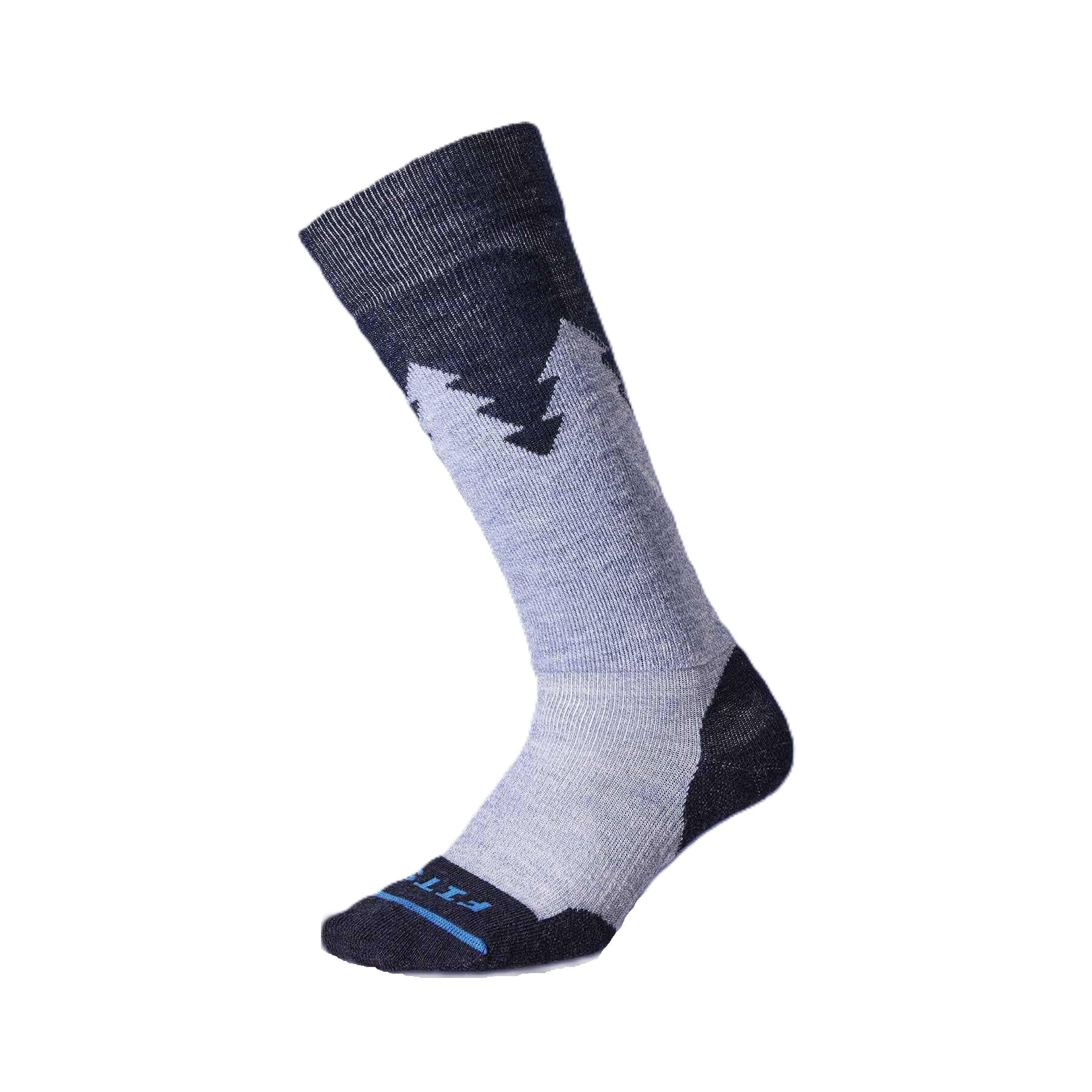
These FITS Sierra socks strike a balance between slim boot fit and enough cushion to keep your feet comfortable through a full day of skiing. You get a high merino content for natural moisture control and odor resistance, plus a light cushion that protects pressure points without crowding your boot. They work for lift-access resort days, daily training sessions, and longer outings where you want reliable performance rather than plush padding. If you prefer a close-fitting sock that prevents hot spots and feels stable in the boot, these are a dependable pick.
What People Say
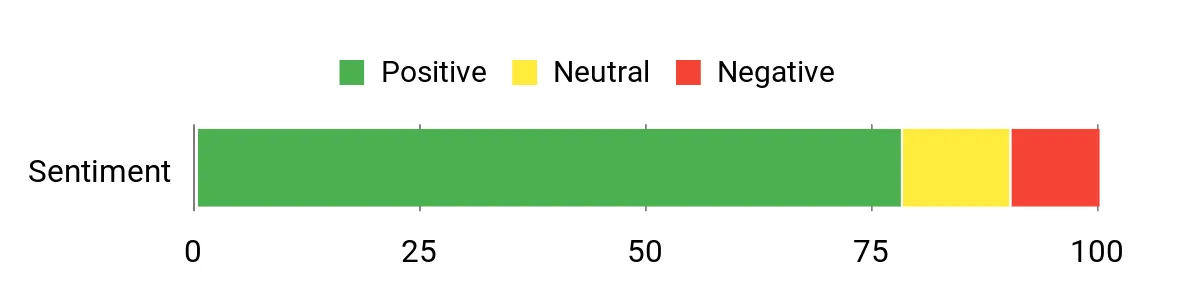
Reviewers commonly highlight that these socks prevent blisters and feel comfortable for full days on the mountain. Many note the fabric wicks well and the light cushioning protects pressure points, while a few describe the top band as tighter than expected. Overall feedback centers on consistent performance and durability rather than thick insulation.
Overall Sentiment: Positive
Long-Term Value
With durable merino blend and stable sizing, you’re less likely to replace these frequently; that longevity lowers the total cost of ownership if you ski regularly.
ROI
If you log many days on snow, the blister prevention and lasting fit translate into more comfortable days and fewer sock replacements, making the socks a sound investment for active skiers.
When To Use
|
Situation |
How It Helps |
|---|---|
|
Everyday Resort Skiing |
Light cushion protects key contact points while the slim profile preserves precise boot fit. |
|
Backcountry Touring |
Merino wicking keeps feet drier during long ascents and reduces chill during brief stops. |
|
Training Sessions |
Breathable fabric and secure fit manage sweat and keep your feet stable during repeated efforts. |
|
Travel And Packing |
Machine-washable construction and quick-dry fibers make them easy to care for between trips. |
Health Benefits
|
Benefit |
Description |
|---|---|
|
Fewer Blisters |
A snug, no-slip fit and targeted cushion reduce friction that commonly causes hot spots. |
|
Thermoregulation |
Merino fibers help regulate temperature by wicking moisture away from skin during activity. |
|
Reduced Odor |
Natural properties of merino wool limit bacterial growth, keeping socks fresher between washes. |
Versatility
These lean performance-first and suit resort days, training, and touring; they’re less ideal if you want thick, lounge-style socks for après-ski.
Comfort
Comfort comes from the light cushioning and stable fit; expect a snug, performance-oriented feel that prevents bunching and hotspots, though the top band can feel tight for some.
Water Resistance
Not water resistant; designed to wick moisture rather than repel water, so they perform best when you’re active rather than standing in slush.
Indoor / Outdoor Use
Best for outdoor use on snow and training; fine for short indoor wear but you might prefer softer socks for lounging after a day on the mountain.
Key Benefits
- High merino content for moisture and odor control
- Light cushion that protects without bulk
- Over-calf length that stays put in boots
- Durable construction with consistent fit
Rating: 4.5 (total: 28+)
FAQ
How Should Ski Socks Fit
You want a snug, wrinkle-free fit that stays put inside your boot without cutting off circulation. A properly sized sock should eliminate bunching and hotspots while keeping your toes close to the boot shell; try socks on with your footbed and liner so you can assess real boot fit.
If you’re choosing between thicknesses, match sock cushion to how much room your boot has—thin for tight, performance boots and light cushion for added protection without crowding. Prioritize fit over bulk because even great insulation fails when the sock shifts.
Are Compression Socks Safe And Useful For Skiing
Compression can reduce leg fatigue on long climbs and help your feet feel more secure by minimizing movement inside the boot, which many skiers find helpful for extended touring or high-output days. Look for graduated or medical-grade designs if circulation support is your goal, but be cautious if you have vascular disease, diabetes, or a history of blood clots and check with a clinician first.
In normal, healthy users compression is a performance aid rather than a medical treatment and often pairs well with targeted padding and merino blends for moisture control.
How Do I Care For Ski Socks To Make Them Last
Turn socks inside out and machine wash in cool water, avoid bleach and fabric softeners, and hang dry or tumble on low to preserve fiber integrity and elasticity. Store them dry and rotate several pairs so wear is spread across your kit, and inspect toes and heels periodically—replace socks once the knit thins or holes appear to avoid cold spots.
Small habits like trimming nails and ensuring boots fit correctly will prevent premature snags and extend the life of even high-performance merino blends.
Customer Preferences
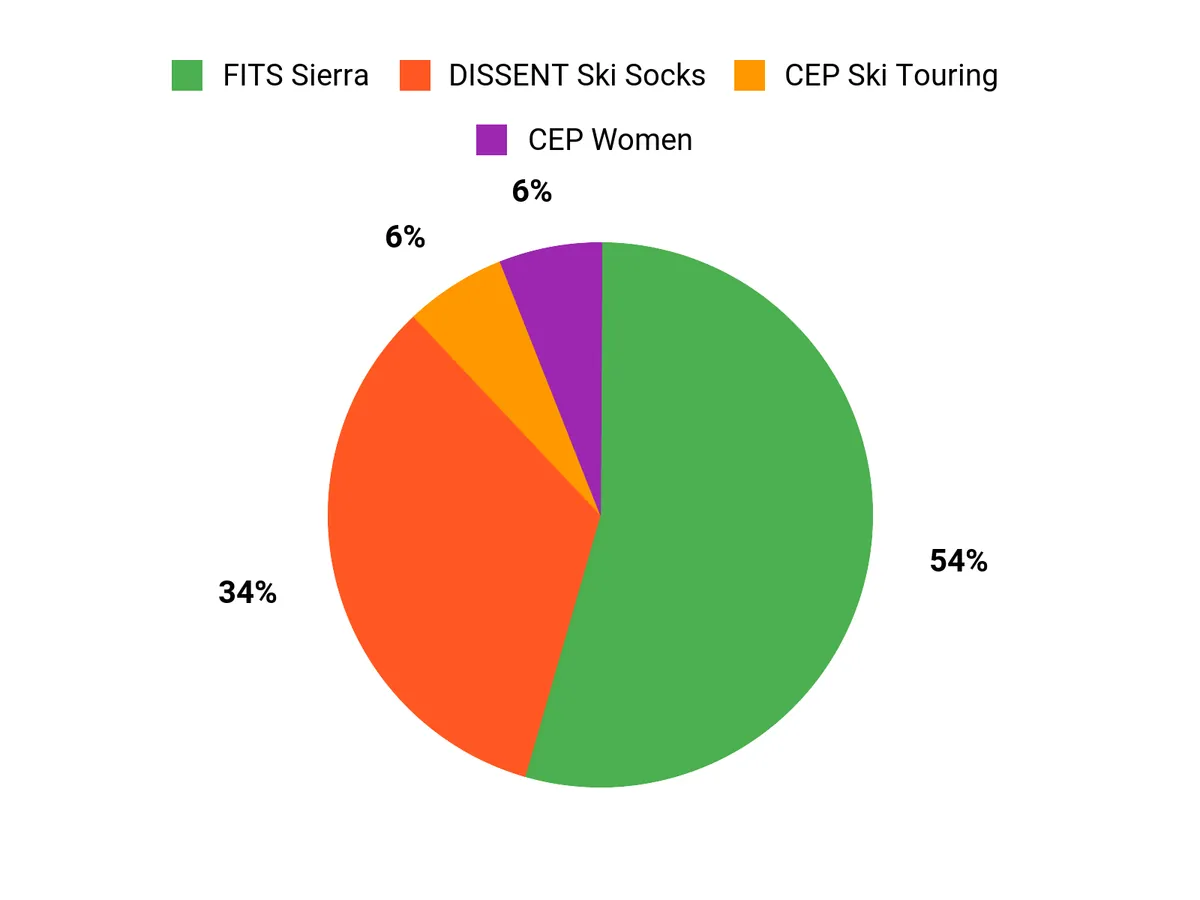
When choosing between DISSENT, CEP Ski Touring, and CEP Women you prioritize fit and purpose: DISSENT for a locked-on compression fit and low-profile performance, CEP Ski Touring for medical-grade compression, boot grip and touring support, and CEP Women for merino comfort and a women’s-specific fit. You also weigh moisture control, blister prevention and durability, since merino blends and targeted padding keep feet drier and reduce hotspots while compression and footbed grip matter most if you’re touring or skiing hard.
Wrapping Up
Choosing the right ski sock saves you from cold feet, hot spots, and lost performance. If you push hard and need precision fit and compression, opt for a performance or touring model that prioritizes a locked on fit and targeted padding.
If you ski often and want a durable, comfortable everyday sock without overspending, pick a merino blend that balances cushion and breathability. Use the picks above to match the sock to how you ski, your boot fit, and whether you prioritize warmth, blister prevention, or light weight for long tours.
| Product Name | Image | Rating | Material Composition | Height | Unique Highlights |
|---|---|---|---|---|---|
| DISSENT Unisex Gfx Compression Hybrid Dlx-merino Wool Low-profile High-performance Ski Socks |
|
4.3/5 (12 reviews) | Wool Blend (Merino) | Knee Length |
|
| CEP Ski Touring Tall Compression Socks for Men |
|
5.0/5 (1 review) | 70% Polyamide, 18% Merino, 12% Spandex | Knee-High |
|
| CEP Ski Touring Socks, Black, Women II |
|
5.0/5 (1 review) | Merino Wool | Knee Length |
|
| FITS Sierra Light Cushion Over Calf Socks For Men and Women |
|
4.5/5 (28 reviews) | Merino Wool 66%, Nylon 26%, Polyester 6%, Lycra 2% | Knee-High |
|
This Roundup is reader-supported. When you click through links we may earn a referral commission on qualifying purchases.