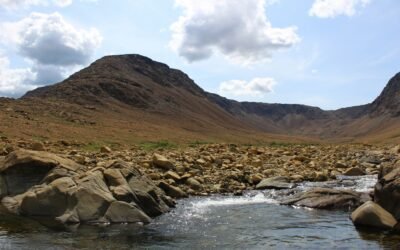
The best time to visit Bingöl depends on whether you want mild hiking weather, hot and dry summer days, autumn scenery, or snow sports. For most first-time visitors, June and September offer the strongest balance of comfortable temperatures, relatively little rain, and good conditions for exploring Bingöl’s mountain landscapes. May and early October are also attractive if you prefer cooler weather.
Quick Answer
For most travelers, June and September are the best months to visit Bingöl. June averages 22.1°C with a 29.5°C average high, while September averages 21.3°C with a 29.8°C high. Choose May for greener scenery, early October for cooler walks, or winter if skiing is your main reason to visit.
Last checked: October 5, 2026. Dates and figures were verified against official sources.
Key Takeaways
- June is warm and relatively dry: its average temperature is 22.1°C, with about 20.1 mm of monthly precipitation.
- September is excellent for outdoor trips: the average temperature is 21.3°C and average monthly precipitation is only 12.6 mm.
- July and August are much hotter: average daytime highs reach 34.6°C and 34.8°C respectively, although these are the driest months.
- Spring is greener but wetter: April and May average more than 13 rainy days each.
- Winter is a specialist season: expect freezing temperatures, snow, shorter days, and opportunities for skiing when conditions allow.
Best Time to Visit Bingöl Month by Month
Official Meteoroloji Genel Müdürlüğü climate statistics for Bingöl show a strong continental pattern: cold, wet or snowy winters and hot, very dry summers. The table below uses the agency’s 1961–2025 measurements.
The crowd column is a practical planning estimate rather than an official visitor count. Bingöl does not publish a reliable month-by-month tourism-volume series that supports precise crowd rankings.
| Month | Average / High | Rain / Snow Precipitation | Typical Trip Feel |
|---|---|---|---|
| January | -2.1°C / 2.5°C | 136.5 mm; 12.75 precipitation days | Very cold; winter scenery and ski trips |
| February | -1.0°C / 4.0°C | 127.4 mm; 12.34 days | Cold and snowy; suitable mainly for winter-focused trips |
| March | 4.3°C / 9.7°C | 134.4 mm; 14.00 days | Transitional weather; snow can linger at elevation |
| April | 10.9°C / 16.9°C | 115.7 mm; 14.72 days | Milder but changeable; green landscapes develop |
| May | 16.2°C / 22.9°C | 77.9 mm; 13.62 days | Pleasant and green, but showers are still common |
| June | 22.1°C / 29.5°C | 20.1 mm; 5.28 days | One of the best all-round months |
| July | 26.7°C / 34.6°C | 7.0 mm; 1.77 days | Very dry and hot; avoid strenuous midday activity |
| August | 26.6°C / 34.8°C | 4.3 mm; 1.35 days | Hottest and driest period; long outdoor days |
| September | 21.3°C / 29.8°C | 12.6 mm; 2.46 days | Excellent for sightseeing and hiking |
| October | 14.3°C / 21.7°C | 64.1 mm; 8.12 days | Cooler walks and autumn scenery; wetter than September |
| November | 6.9°C / 12.7°C | 107.3 mm; 9.12 days | Cold transition toward winter |
| December | 0.8°C / 5.4°C | 133.9 mm; 12.60 days | Winter conditions return; snow becomes increasingly important |
Spring in Bingöl: March to May
Spring starts cold and wet before becoming much more comfortable in May. It is a strong choice if your priority is green scenery rather than guaranteed dry weather.
March and April: Mild Days but Unsettled Weather
March averages only 4.3°C, while April rises to 10.9°C. Both months average about 14 precipitation days, so a bright morning can still turn wet or chilly.
Snow can also linger in higher areas after conditions have improved in the city. That matters if your itinerary includes mountain roads, high viewpoints, or long hikes away from the center.
May: Green Landscapes and Comfortable Temperatures
May is much easier for sightseeing, with an average high of 22.9°C. It remains considerably wetter than June, though, so it is better for flexible itineraries than for trips that depend on several consecutive dry hiking days.
Türkiye’s Ministry of Culture and Tourism notes that Hıdırellez is traditionally celebrated on May 6. Local programs vary from place to place, so treat it as a cultural date rather than a guaranteed Bingöl festival schedule.
Holiday demand can also affect late-spring travel. In 2026, the official Türkiye public-holiday calendar placed the Kurban Bayramı holiday on May 27–30, following the half-day eve on May 26.
Summer in Bingöl: June to August
Summer is sunny, dry, and increasingly hot. June gives you much of summer’s reliable weather without the extreme average daytime highs of July and August.
June: The Best Summer Month for Active Trips
June averages 22.1°C, with a 29.5°C average high and only 20.1 mm of precipitation. That makes it especially useful for nature trips, sightseeing, photography, and longer days outside.
The month still averages around 5.3 precipitation days, so completely rain-free conditions are never guaranteed. Even so, it is dramatically drier than May.
July and August: Hot, Sunny, and Very Dry
July and August have average highs of 34.6°C and 34.8°C. Average monthly precipitation drops to just 7.0 mm in July and 4.3 mm in August.
If you enjoy heat, these months give you the most dependable dry-weather window. For walking or hiking, start earlier in the morning and leave exposed routes for cooler parts of the day.
Summer is also a common period for community gatherings and local festivals. Exact names and dates can change from year to year, so a festival listed in an older travel guide should not be treated as a recurring event until a current organizer announces it.
Autumn in Bingöl: September to November
September is one of the best months to visit Bingöl because summer dryness continues while average temperatures begin to fall. October is cooler and attractive for autumn trips, but rain becomes much more frequent.
September: Excellent Weather for Exploring
September averages 21.3°C with a 29.8°C daytime high. Only 12.6 mm of precipitation falls in an average month, spread across about 2.5 precipitation days.
This combination suits long drives through the province, outdoor sightseeing, photography, and hiking without the peak heat of July and August.
For a recent example of a busy cultural date, the 2026 Zaza Festival took place on September 18–19 in Bingöl city, with concerts and activities focused on Zaza language and culture. Those dates apply to 2026 and should not be assumed for future editions.
October and November: Cooler and Wetter
October’s average high is 21.7°C, which is comfortable for walking, but average monthly precipitation rises to 64.1 mm. By November the average temperature falls to 6.9°C and winter begins to feel close.
October therefore works best if you value cool conditions and autumn scenery more than dependable dry weather. By November, pack for cold mornings and rapidly changing mountain conditions.
Winter in Bingöl: December to February
Winter is cold enough to create a completely different type of trip. It suits travelers interested in snow, skiing, winter photography, and a quieter atmosphere rather than general sightseeing.
Expect Freezing Temperatures and Snow
January is the coldest month in the official long-term data, with an average temperature of -2.1°C and an average low of -5.7°C. February remains below freezing on a monthly-average basis at -1.0°C.
Historical measurements show that Bingöl can experience much more severe cold than these averages. Mountain routes can therefore require more planning than a normal city visit.
Skiing at Hesarek
The official Bingöl Provincial Directorate of Culture and Tourism describes Hesarek Ski Center near Dikme village as roughly 32–34 km from Bingöl city. Its facilities include ski lifts and pistes for winter recreation.
Snow conditions determine the usable season, so winter visitors should distinguish between a typical ski window and a guaranteed opening date. Road and lift conditions can change after snowfall or warm spells.
Navigating Crowds in Bingöl
Bingöl is not documented with the detailed monthly visitor statistics available for Türkiye’s largest tourism centers. It is therefore safer to plan around school breaks, national holidays, festivals, weekends, and favorable weather instead of treating an unsupported crowd chart as exact data.
Summer Demand
July and August are traditionally treated as the busiest travel period in the original guide. Warm, dry weather and the national summer school break make those months logical times for increased domestic movement, especially on weekends and around local gatherings.
That does not mean Bingöl will resemble the crowd levels of Istanbul, Antalya, or Cappadocia. The practical issue is more likely to be reduced choice at preferred hotels or busy local venues than major tourist congestion.
September and the Return to School
September can offer a useful balance after family holiday travel starts easing. The 2026–2027 Ministry of National Education calendar started the first school term on September 14, 2026.
Specific events can still create short bursts of demand. The September 18–19 Zaza Festival in 2026 is a good example of why event dates matter more than broad labels such as “shoulder season.”
Winter Crowds
General sightseeing demand is lower in severe winter weather, but ski areas can work in the opposite direction. A snowy weekend at a functioning ski center may feel busier than an ordinary winter weekday.
Budgeting Your Bingöl Trip
Your travel dates can affect accommodation and transport costs, but there is no authoritative citywide monthly hotel-price dataset that supports a fixed “cheapest month” for Bingöl. Prices should therefore be treated as live market rates rather than permanent seasonal rules.
When Prices May Rise
Expect less flexibility when your visit overlaps with public holidays, large community events, or summer weekends. In these periods, the bigger risk is often losing your preferred room or vehicle rather than facing a predictable percentage increase.
For 2026, notable national holiday periods included Ramazan Bayramı on March 20–22, Kurban Bayramı on May 27–30, July 15, August 30, and the Republic Day period beginning on the afternoon of October 28 and continuing through October 29.
When You May Find Better Value
Ordinary weekdays outside holidays and major events usually give travelers more choice. Late spring, September, and October can therefore provide a useful compromise if you want pleasant weather without building the trip around the main summer vacation period.
Winter can also have lower general tourism demand, but a ski weekend is a separate market. Compare the actual dates you intend to travel rather than assuming every winter stay will be cheaper.
Special Events and Cultural Dates
Events can make a Bingöl trip more memorable, but they are also one of the easiest areas for travel guides to become outdated. Use confirmed dates for the year you are traveling rather than assuming a festival always falls in the same month.
Spring: Hıdırellez and Religious Holidays
Hıdırellez is traditionally associated with May 6 in Türkiye and marks the seasonal awakening of nature. Local observances vary, so it is best viewed as an important cultural date rather than a guaranteed ticketed festival in Bingöl.
Religious holidays move through the Gregorian calendar. In 2026, Ramazan Bayramı fell on March 20–22 and Kurban Bayramı on May 27–30, so older advice that places these holidays automatically in summer is incorrect.
Summer: Local Community Festivals
Bingöl and its districts have a tradition of local nature, culture, village, and mountain gatherings. Their dates and organizers can change, however, and some events do not publish schedules far in advance.
If attending a specific summer event is central to your trip, build your dates around an announcement for that particular year rather than an old list of festival names.
Autumn: Zaza Festival in 2026
The September 18–19, 2026 Zaza Festival in Bingöl city included concerts, cultural activities, local foods, and handicrafts. It illustrates how a normally comfortable shoulder-season weekend can become much livelier when a major local program is scheduled.
Winter: Seasonal Recreation Rather Than Festivals
Winter planning centers more on snow conditions and recreation than on a fixed festival calendar. A successful winter trip is therefore more dependent on weather, road access, and ski operations than on a particular cultural date.
Planning Activities Around Bingöl’s Weather
Your preferred activities should drive your travel month. Bingöl’s nature attractions, thermal areas, and ski facilities each have different ideal conditions.
Yüzen Ada: Best in Comfortable Outdoor Weather
Yüzen Ada is in the Solhan district at Hazarşah village’s Aksakal area, about 45 km from Bingöl city according to the Ministry of Culture and Tourism’s Culture Portal. The site has three naturally moving islands.
The official listing also mentions picnic facilities, a viewing terrace, nature walking, photography, and camping. For these activities, June and September offer a particularly useful balance between temperature and rainfall.
Kös Kaplıcaları: A Year-Round Option
If weather limits hiking, Kös Kaplıcaları gives you another option. The Culture Portal places the thermal area on the Bingöl–Erzurum road around the 22nd kilometer and states that access is possible in both summer and winter.
This makes the thermal area useful for mixed itineraries, especially during colder or less predictable months when an outdoor-only plan would be risky.
Hiking and Nature Trips
June and September are the strongest choices for long days outside. May works well for lush scenery but has many more precipitation days, while October offers cooler temperatures with a much higher chance of rain.
In July and August, hiking is still possible, but the average daytime highs near 35°C make exposed routes less comfortable in the afternoon.
Winter Photography and Ski Trips
December through February suits snow photography and winter recreation. Cold, snow, and road conditions are part of the experience rather than inconveniences you can ignore.
Keep a winter itinerary flexible enough to adapt to changing mountain access. A day that works well for the city may not produce equally easy conditions at higher elevation.
Final Thoughts on Choosing Your Travel Dates
If you want the simplest answer, choose June or September. They combine warm conditions with far less precipitation than spring and avoid the cold of winter.
- Choose May for green landscapes, mild temperatures, and spring atmosphere, accepting a higher chance of rain.
- Choose June for warm, relatively dry conditions and active outdoor itineraries.
- Choose July or August if hot, very dry weather matters more than comfortable midday temperatures.
- Choose September for one of the year’s best combinations of warmth, dryness, and outdoor comfort.
- Choose early October for cooler sightseeing and autumn character, with more rain than September.
- Choose winter for snow, ski activities, and a completely different view of Bingöl.
Once you know your preferred month, match it to the activities you care about most and check short-range weather and road conditions before mountain excursions.
Frequently Asked Questions
What is the best month to visit Bingöl?
June and September are the best all-round months for most visitors. Both are warm and relatively dry, while September avoids much of the intense average daytime heat found in July and August.
Is May a good time to visit Bingöl?
Yes, May is a good time to visit Bingöl if you value mild temperatures and green scenery. The average high is 22.9°C, but May averages more than 13 precipitation days, so it is noticeably less dry than June.
How hot is Bingöl in July and August?
Bingöl is hot in July and August, with official average daytime highs of 34.6°C and 34.8°C respectively. These are also the driest months, so plan strenuous outdoor activities for cooler hours of the day.
Does it snow in Bingöl?
Yes, Bingöl has cold and snowy winters. January averages -2.1°C and February averages -1.0°C, while mountain areas can experience much more demanding winter conditions than the city center.
When is the best time for hiking in Bingöl?
June and September are generally the strongest months for hiking in Bingöl. They provide warm temperatures and relatively little precipitation without the average highs near 35°C that occur in July and August.
What is the cheapest time to visit Bingöl?
There is no authoritative monthly hotel-price series that identifies one guaranteed cheapest month in Bingöl. General sightseeing demand is lower during cold periods, but ski weekends, holidays, and local events can change prices and availability on specific dates.
Sources
- Meteoroloji Genel Müdürlüğü — Bingöl Climate Statistics: monthly temperature, precipitation, sunshine, and long-term weather measurements.
- Diyanet İşleri Başkanlığı — 2026 Official Holidays: 2026 public-holiday dates.
- Ministry of National Education — 2026–2027 School Calendar: September 14, 2026 school opening date and term calendar.
- Türkiye Ministry of Culture and Tourism — Hıdırellez: traditional May 6 timing and cultural background.
- Bingöl Provincial Directorate of Culture and Tourism — Hesarek Ski Center: location, facilities, pistes, and winter-tourism information.
- Türkiye Culture Portal — Yüzen Ada: location, distance, facilities, and nature activities.
- Türkiye Culture Portal — Kös Kaplıcaları: location and year-round access information.
- Bingöl Net Haber — 2026 Zaza Festival: September 18–19, 2026 dates and program details.