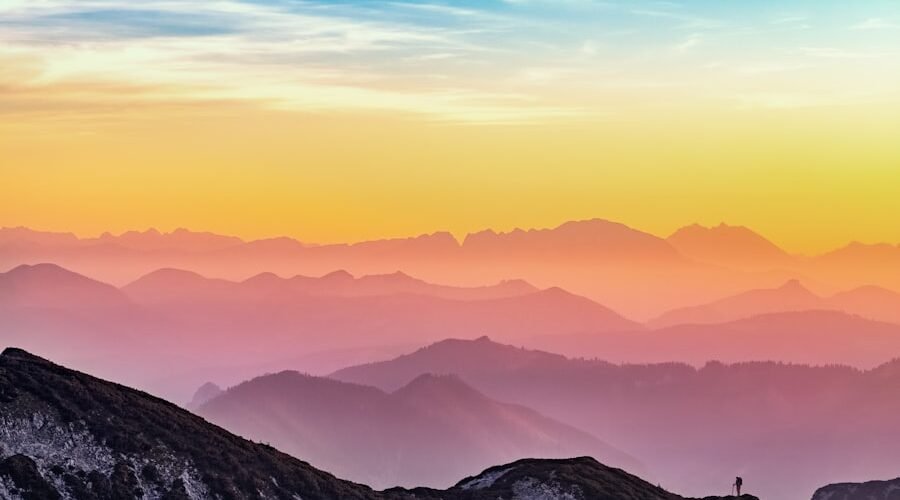
The best time to visit Bitlis, Turkey depends on whether you want mild sightseeing weather, dry hiking conditions, autumn scenery, or deep winter snow. For most travelers, June and September offer the easiest balance of comfortable temperatures, relatively little precipitation, and good access to both cultural and natural attractions.
Quick Answer
For most travelers, June and September are the best months to visit Bitlis. Official 2011–2025 climate data show average daytime highs around 24–25°C, with far fewer precipitation days than May or October. Choose May or October for cooler shoulder-season travel, July–August for dry warmth, and winter mainly for snow.
Last checked: October 5, 2026. Dates and figures were verified against official sources.
Key Takeaways
- May is green and mild, but it is considerably wetter than June or September.
- July and August are the driest months, though afternoon temperatures average close to 30°C.
- Late-August Malazgirt commemorations in Ahlat can bring a noticeable local increase in visitors.
- Nemrut Caldera became a national park in August 2026, while winter access to high ground can still depend heavily on snow and road conditions.
Best Time to Visit Bitlis by Month
June and September stand out most clearly in the official climate record. The Turkish State Meteorological Service’s Bitlis statistics for 2011–2025 show average highs of 24.4°C in June and 24.6°C in September, with only 4.8 and 2.8 precipitation days respectively.
May and October can also work well if you prefer cooler weather. However, they are wetter, so they are less dependable for a trip centered on long hikes or high-elevation scenery.
| Month | Avg. High | Avg. Low | Avg. Precipitation Days | What to Expect |
|---|---|---|---|---|
| January | -0.3°C | -7.9°C | 14.5 | Cold, snowy and quiet; winter-road limitations are possible. |
| February | 1.0°C | -7.2°C | 12.3 | Deep winter conditions remain common. |
| March | 5.3°C | -2.7°C | 16.4 | Still wintry, with frequent precipitation and cold nights. |
| April | 12.6°C | 3.0°C | 14.1 | Cool shoulder season with changeable weather. |
| May | 17.7°C | 7.2°C | 14.9 | Green and mild, but much wetter than early summer. |
| June | 24.4°C | 11.7°C | 4.8 | One of the best all-round months. |
| July | 29.1°C | 15.9°C | 2.7 | Warm, very dry and good for high-country exploration. |
| August | 29.8°C | 16.2°C | 1.8 | Driest month; late-August events can increase activity around Ahlat. |
| September | 24.6°C | 11.6°C | 2.8 | Excellent balance of warmth and dry weather. |
| October | 16.7°C | 6.3°C | 9.5 | Cooler autumn weather with a higher chance of precipitation. |
| November | 9.0°C | 0.7°C | 10.2 | Quiet, cold and increasingly winterlike. |
| December | 2.4°C | -4.8°C | 12.7 | Winter conditions, short days and possible snow disruption. |
Spring in Bitlis: March to May
Spring is a transition season rather than a guaranteed spell of mild weather. March remains cold, April becomes noticeably milder, and May brings green landscapes and comfortable daytime temperatures, but precipitation is still frequent.
May is the best spring month for general sightseeing. Its average high is 17.7°C, compared with only 12.6°C in April, but the official data still show about 14.9 precipitation days in May.
Who Spring Suits Best
Spring works well if you value fresh scenery, cooler walks and fewer summer visitors. It is especially appealing for exploring Bitlis city, historic buildings and lower-elevation areas before the hotter part of the year.
- Pack layers because morning and evening temperatures can feel much cooler than afternoon conditions.
- Bring a lightweight waterproof layer, particularly in April and May.
- Expect muddy or snow-affected ground at higher elevations early in the season.
- Do not assume mountain access will match conditions in Bitlis city; elevation makes a major difference.
Holiday timing can also affect domestic travel. In 2026, Kurban Bayramı began on May 27, according to the Turkish Foreign Ministry’s 2026 holiday listing. Religious-holiday dates shift each year, so similar late-spring trips can have very different demand patterns from one year to the next.
Summer in Bitlis: June to August
Summer is the driest and most dependable season for outdoor plans. June is particularly comfortable, while July and August bring warmer afternoons but extremely little average precipitation compared with spring.
The original idea that average summer temperatures sit in the low 30s is too high for the official long-term averages. Average daytime highs are 24.4°C in June, 29.1°C in July and 29.8°C in August, although individual hot days can of course be warmer.
Why June Is the Best Summer Month
June gives you summer-style access without the hottest average temperatures of July and August. It is a strong choice for long sightseeing days, historical sites and nature trips where you do not want to plan everything around afternoon heat.
Rain also drops sharply after May. That makes June much more dependable for outdoor plans than the late-spring shoulder season.
July and August for Dry Weather
July and August are excellent if dry conditions matter more than temperature. August averages just 1.8 precipitation days, the lowest monthly figure in the 2011–2025 Bitlis data.
Plan exposed walks for morning or later afternoon when possible. Even though Bitlis has cooler nights than many lowland summer destinations, midday sun at elevation can still feel intense.
Autumn in Bitlis: September to November
September is arguably the easiest month of the year for a first visit. It keeps much of summer’s dry weather while reducing the average daytime high to 24.6°C.
October is cooler at 16.7°C and noticeably wetter, while November is already moving toward winter. This makes September better for reliable outdoor plans, with October better if you specifically want crisp weather and autumn color.
September for Hiking and Sightseeing
September combines warm afternoons, cool nights and only about 2.8 precipitation days on average. Those conditions work well for combining Bitlis city with Tatvan, Nemrut Caldera and Ahlat during the same trip.
October for Cooler Days and Autumn Scenery
October is still practical for cultural sightseeing, but the weather changes quickly compared with September. Average nighttime temperatures fall to 6.3°C, and the number of precipitation days rises to roughly 9.5.
A sweater or fleece plus a light outer layer is more useful than summer-only clothing. If high-elevation nature is a priority, earlier October gives you a better margin before winter conditions become more likely.
Winter in Bitlis: December to February
Winter is cold, snowy and much more demanding than the rest of the year. Average daytime highs range from -0.3°C in January to 2.4°C in December, while average nighttime lows fall well below freezing.
This season suits travelers who actively want snow rather than visitors looking for the easiest sightseeing conditions. Historical streets and mountain scenery can look dramatic under snow, but short days, ice and changing road conditions make itineraries less predictable.
Warning: Snow and ice can make mountain and secondary roads unsafe or inaccessible. A four-wheel-drive vehicle does not make a closed or hazardous road safe, so road conditions should determine whether you continue.
What to Pack for Winter
- Insulating base and mid layers
- A waterproof and wind-resistant outer layer
- Warm gloves and a hat
- Waterproof footwear with good grip
- Extra time in your itinerary for weather-related delays
Winter sports can be part of a Bitlis trip when local facilities and roads are operating, but daily conditions matter more than the calendar alone. Treat ski-area and high-mountain access as weather-dependent rather than guaranteed throughout the season.
Best Time for Bitlis City, Nemrut Caldera and Ahlat
The best month also depends on which part of Bitlis Province you want to see. Bitlis city, Nemrut Caldera and Ahlat have different elevations, landscapes and visitor patterns, so one forecast cannot represent the entire trip.
Bitlis City for History and Architecture
May, June, September and October are comfortable months for walking between historical sites in Bitlis city. You can explore places such as Bitlis Castle, traditional stone architecture and Ulu Cami without the deepest winter cold.
The Bitlis Provincial Directorate of Culture and Tourism notes that Ulu Cami stands in the city center and records a restoration inscription dated to 1150. Comfortable walking weather makes these central cultural sites easier to combine in one day.
Nemrut Caldera for Nature
June through September gives the best overall weather window for Nemrut Caldera because the high-altitude landscape is less exposed to spring and winter snow. September is especially attractive if you want mild temperatures without July or August’s warmer afternoons.
There is also an important recent change: the area in Tatvan, Ahlat and Güroymak was officially designated Nemrut Kalderası Milli Parkı in August 2026. The designation is intended to strengthen protection of the area’s natural structure and biodiversity while managing visitors more sustainably.
Pro Tip: Do not judge Nemrut conditions from the temperature in Bitlis city or Tatvan alone. High-elevation snow, wind and road conditions can remain very different even when lower areas feel mild.
Ahlat for Seljuk Heritage and Events
Ahlat works well from late spring through early autumn, but late August deserves special planning. The annual Malazgirt victory commemorations attract visitors to Ahlat and nearby Malazgirt.
In 2026, major activities were underway in Ahlat on August 24–25, including programs at the Recep Tayyip Erdoğan Ahlat Millet Bahçesi. Anadolu Agency’s coverage of the 2026 events reported visitors from around Turkey attending the commemorations and themed cultural activities.
If you want the event atmosphere, late August can be rewarding. If your priority is quieter access to Ahlat’s Seljuk heritage, September is the easier choice.
Best Time for Hiking, Photography and Cultural Sightseeing
Different activities favor different parts of the year. The most reliable strategy is to match your main activity to the month rather than treating one season as perfect for every traveler.
| Interest | Best Period | Why |
|---|---|---|
| General sightseeing | June or September | Comfortable highs and relatively few precipitation days. |
| Hiking and nature | June–September | Drier weather and better odds of high-elevation access. |
| Green spring scenery | May | Milder temperatures and renewed vegetation, with more rain. |
| Autumn photography | Late September–October | Cooler light, changing foliage and autumn landscapes. |
| Snow scenery | January–February | Coldest part of winter with the strongest likelihood of sustained snow. |
| Ahlat commemorations | Late August | Annual Malazgirt victory events bring cultural programs and more visitors. |
When Are Crowds and Travel Costs Highest?
Bitlis does not have the same mass-tourism pattern as Istanbul or Antalya, so even its busier months are relative. Summer, national and religious holidays, and major local events can still increase domestic demand for transport and accommodation.
Late August is the clearest local example because Ahlat’s Malazgirt commemorations draw additional visitors. Religious holidays can also produce heavy domestic movement across Turkey, even when they fall outside the normal summer travel period.
There is no authoritative Bitlis-specific seasonal hotel-price average that can support a reliable fixed price range. In practical terms, availability matters more than an invented average: book earlier around holiday periods and major Ahlat events, while ordinary shoulder-season dates often give you more choice.
When Is Bitlis Quietest?
December through March is generally the quietest period for leisure travel because of the cold and snow. That can appeal if you value solitude, but fewer visitors do not automatically mean a better trip because weather can reduce access and flexibility.
April, May, September and October provide a better compromise if you want lighter visitor pressure without committing to full winter conditions.
Getting to Bitlis and Around in Different Seasons
Season matters most when your itinerary includes flights, mountain roads or rural attractions. Summer and early autumn are the simplest periods for moving around, while winter requires more flexibility.
Flying to the Region
Two practical regional gateways are Muş Sultan Alparslan Airport and Van Ferit Melen Airport. DHMİ lists both as operating airports, though their daily operating schedules are not identical.
Your better airport can depend on where you are staying. Muş is useful for Bitlis city, while Van can make sense when your wider trip includes the eastern side of Lake Van.
Driving and Road Conditions
Main roads are much easier to plan around in summer, but snow and ice can affect secondary and high-elevation roads in winter. Before a cold-season drive, the General Directorate of Highways road-condition bulletin provides official updates on closures and road works.
Buses and dolmuş minibuses are common forms of regional transport, but rural schedules can be less convenient than having your own vehicle. If your itinerary includes Nemrut or remote villages, build extra time into the day rather than relying on a tight connection.
What to Pack for Bitlis by Season
Bitlis has large seasonal temperature changes, so packing should reflect the month and elevation. A city-focused trip needs different gear from a day around Nemrut Caldera.
Spring
- Light waterproof jacket
- Warm layer for mornings and evenings
- Walking shoes with grip
- Extra socks if hiking on wet ground
Summer
- Breathable clothing
- Sun hat and sunglasses
- Sunscreen
- Reusable water bottle
- Light layer for cooler evenings or higher elevations
Autumn
- Layered clothing
- Light or medium jacket
- Comfortable walking footwear
- Water-resistant outer layer, especially in October
Winter
- Thermal base layers
- Insulated waterproof jacket
- Waterproof boots
- Hat and gloves
- Traction-conscious footwear for icy streets
Frequently Asked Questions
What is the best month to visit Bitlis, Turkey?
June and September are the best months for most visitors. Both average about 24–25°C during the day and have far fewer precipitation days than May or October, making them especially useful for mixed sightseeing and outdoor itineraries.
Is Bitlis too hot in July and August?
Bitlis is warm in July and August, but its official average daytime highs are 29.1°C and 29.8°C rather than consistently above 30°C. The weather is very dry, so summer still works well if you schedule exposed activities away from the hottest part of the day.
Does it snow in Bitlis?
Yes, Bitlis has cold, snowy winters. Average nighttime temperatures are below freezing from December through March, and snow or ice can affect roads and access to higher terrain, so winter visitors need more schedule flexibility.
When is the busiest time to visit Bitlis?
Summer generally brings more domestic travel, while major holidays can create short demand spikes. Ahlat can be notably busier in late August during the annual Malazgirt victory commemorations, so accommodation and transport deserve earlier planning around those events.
When is the quietest time to visit Bitlis?
December through March is generally the quietest period for leisure travel because winter is cold and snowy. You may encounter fewer visitors, but the trade-off is less predictable road access and a greater chance that outdoor plans will be disrupted.
Are May and October good months for Bitlis?
Yes, May and October are good shoulder-season choices if you prefer cooler weather. May is greener but averages about 14.9 precipitation days, while October averages about 9.5, so both are less reliably dry than June or September.
Which airport should I use for Bitlis?
Muş Sultan Alparslan Airport and Van Ferit Melen Airport are the two practical regional gateways for a Bitlis trip. The better option depends on your flight choices and whether your itinerary centers on Bitlis city or also includes destinations around Lake Van.
Conclusion
For the easiest first trip to Bitlis, choose June or September. May and October are attractive cooler alternatives, July and August suit travelers who prioritize dry weather, and winter is best reserved for people who specifically want snow and can tolerate more uncertain road conditions.
If your itinerary includes both Bitlis city and the higher terrain around Nemrut Caldera, let the mountain conditions guide your dates. The difference in elevation means a comfortable day in town does not always translate into equally easy access higher up.
Sources
- Turkish State Meteorological Service: Bitlis 2011–2025 monthly temperature, precipitation-day and rainfall statistics.
- Anadolu Agency — Nemrut Caldera National Park: August 2026 national park designation and protected-area purpose.
- Republic of Türkiye Ministry of Foreign Affairs: 2026 Turkish religious and national holiday dates.
- Anadolu Agency — 2026 Malazgirt commemorations: late-August visitor activity and events in Ahlat.
- Bitlis Provincial Directorate of Culture and Tourism: Ulu Cami location and historical information.
- DHMİ — Muş Sultan Alparslan Airport: official airport information and operating schedule.
- DHMİ — Van Ferit Melen Airport: official airport information and operating schedule.
- General Directorate of Highways: official road-condition and road-work bulletin.