Cool, quiet late spring sits beside warm, lively summer — and choosing when to visit Düzce shapes everything from high-water river rafting and wildflower hikes to coastal retreats and hotel rates. The optimal window to visit Düzce is from late April to early June for lush nature, roaring waterfalls, and peak rafting flows, or mid-September to late October for crisp autumn foliage, mild hiking temperatures, and uncrowded trails. Summer (July–August) delivers warm weather suited for Black Sea beaches in Akçakoca, while winter transforms the high-altitude plateaus into snowy retreats.
Quick Answer
The best time to visit Düzce is between May and June or September and October. Late spring offers comfortable temperatures (18°C–23°C), vibrant wildflower blooms, and peak water levels for rafting on the Melen River. Early autumn brings stable weather (16°C–22°C), stunning fall colors around Samandere and Güzeldere waterfalls, and affordable shoulder-season lodging.
Key Takeaways
- Spring (April–May): Best for outdoor adventure, blooming plateaus (yaylalar), full-flow waterfalls, and thrilling Class III–IV rafting on the Melen River.
- Summer (June–August): Peak domestic travel season; hot days (up to 30°C) ideal for coastal visits to Akçakoca on the Black Sea, lake camping, and cultural festivals.
- Autumn (September–October): Ideal for scenic hiking, photography, harvest events, and exploring nature parks with fewer tourists and lower accommodation rates.
- Winter (November–March): Cold, damp, and snowy at higher elevations; excellent for budget travelers, quiet forest getaways, and snowshoeing across Topuk and Kardüz plateaus.
- Shoulder Season Value: May and September offer the best balance of dry weather, lower hotel prices, and accessible trail networks across the province.
Best Time to Visit Düzce: Month-by-Month Climate & Activity Guide
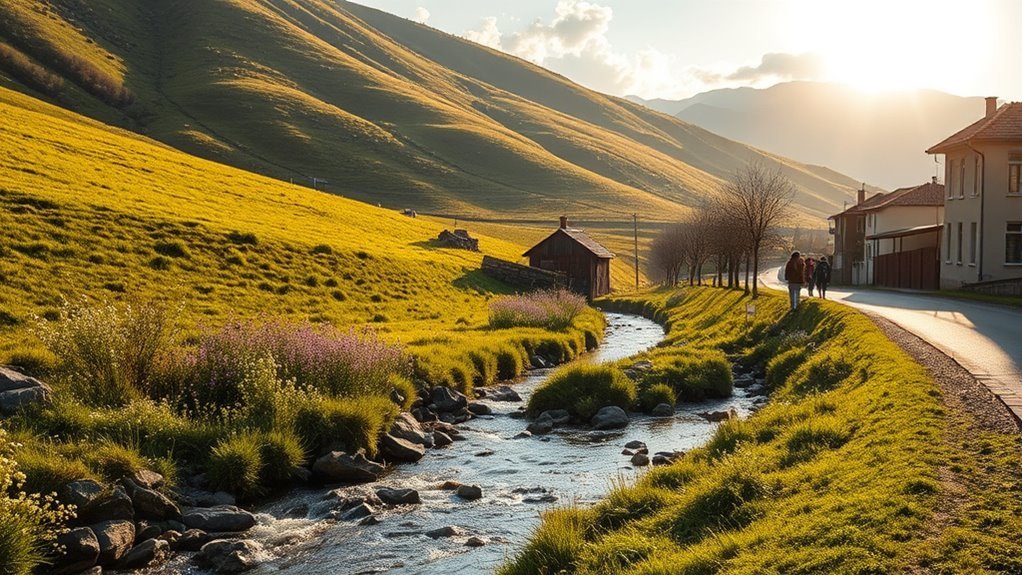
Located in northwestern Turkey between Istanbul and Ankara, Düzce experiences a transitional climate between the humid Black Sea maritime zone and the inland Anatolian plateau. Weather conditions shift markedly by altitude, ranging from the coastal shores of Akçakoca up to the 1,800-meter plateaus of the Köroğlu mountain foothills.
Düzce Seasonal Climate & Travel Overview
| Month | Avg High / Low (°C) | Rainfall / Conditions | Best For |
| January–February | 7°C / 0°C | High; rain & highland snow | Quiet cabin stays, snowshoeing on high plateaus |
| March | 12°C / 3°C | Moderate; frequent spring showers | Early-season rafting initiation, fresh landscapes |
| April–May | 17°C–22°C / 7°C–11°C | Moderate; drying conditions | Wildflower blooms, peak Melen rafting, waterfall hikes |
| June–August | 27°C–30°C / 15°C–18°C | Low; warm and sunny | Akçakoca beaches, highland camping, cultural festivals |
| September–October | 20°C–25°C / 10°C–13°C | Low to moderate; crisp air | Forest photography, quiet hiking trails, culinary travel |
| November–December | 10°C–14°C / 3°C–6°C | High; rain turns to mountain snow | Thermal baths, fireside stays, off-season solitude |
“Düzce’s elevation ranges from sea level along the Black Sea to over 1,800 meters in the high plateaus, meaning you can experience warm coastal sunshine and cool alpine breezes in a single afternoon.”
Spring in Düzce (Apr–May): Mild Weather, Wildflowers & Whitewater Rafting
As winter snows melt from the surrounding mountains, spring brings life to Düzce’s forests and valleys. Temperatures average between 16°C and 22°C during the day, creating prime conditions for active outdoor recreation without summer’s heavy humidity.
Spring is the definitive season for whitewater rafting on the Melen River (Melen Çayı). Snowmelt swells river volumes to peak levels in April and May, offering exciting Class III and Class IV rapids through the forested river canyon. Multiple licensed outdoor centers operate near Cumayeri, supplying gear, guides, and base facilities.
On land, regional nature parks such as Güzeldere Waterfall, Samandere Waterfall Natural Monument, and Aydınpınar Waterfalls surge with peak water volume. Forest floors and high meadows like Pürenli Yaylası and Topuk Yaylası carpet with endemic wildflowers, purple cyclamens, and primroses. Bird watchers can also visit the Efteni Lake Bird Sanctuary, which serves as a major resting ground for migratory bird species during their northern spring transit.
Pro Tip: Trails around Samandere and Güzeldere can remain damp and muddy through mid-April. Pack waterproof trekking boots with good tread, breathable rain shells, and trekking poles for slick wooden walkways near waterfalls.
Summer in Düzce (Jun–Aug): Warm Days, Highland Escapes & Coastal Getaways
Summer in Düzce is sunny and lively, with daytime temperatures in low-lying valleys regularly reaching 28°C to 32°C. While humidity rises across the central plains, Düzce provides two natural refuges: the northern coastline of Akçakoca on the Black Sea and the cool mountain highlands (yaylalar) to the south.
In Akçakoca (approx. 35 km north of Düzce city center), visitors can enjoy sandy beaches, visit the historical Genoese Castle (Ceneviz Kalesi), and dine on fresh Black Sea fish along the harbor. Meanwhile, travelers looking to escape summer heat head into elevated plateaus such as Topuk Yaylası (featuring a scenic mountain lake and sports facilities), Kardüz Yaylası, and Kocayayla, where temperatures stay comfortably below 24°C even in July.
Summer is also the peak period for local culture. In July and August, coastal and rural districts hold community gatherings, open-air concerts, and traditional sports contests. Late August marks the beginning of the annual hazelnut harvest (fındık hasadı), a cornerstone of Düzce’s agricultural heritage that enlivens village life across the countryside.
Warning: Weekend traffic from Istanbul and Ankara increases substantially during July and August. If you plan to visit Akçakoca beaches or book boutique lakeside lodges around Topuk Yaylası, reserve your accommodation at least 3–4 weeks in advance.
Autumn in Düzce (Sep–Oct): Peak Foliage, Comfortable Hikes & Great Value
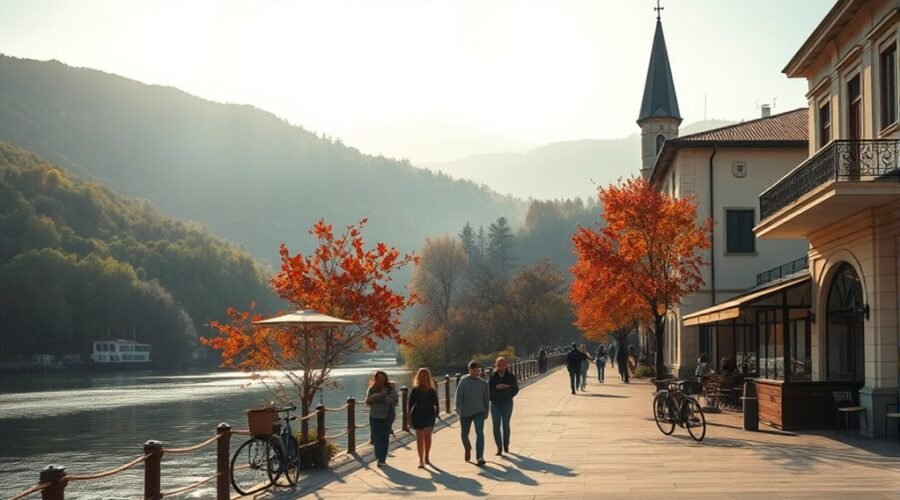
When summer crowds depart in early September, Düzce enters what many hikers and photographers consider the best season of the year. Daytime temperatures drop to a comfortable 18°C–24°C in September and 14°C–18°C in October, with low humidity and clear skies.
Düzce’s dense deciduous and mixed forests—composed of beech, oak, chestnut, and fir—transform into vibrant displays of yellow, copper, and deep red. The hiking paths connecting Güzeldere Waterfall Nature Park, Yenitaşköprü, and Torkul Lake Nature Park offer outstanding autumn scenery. Torkul Göleti (a crater lake surrounded by beech forests) is particularly popular for autumn tent camping and photography.
Autumn is also an excellent culinary window in Düzce. Regional restaurants and roadside village eateries feature fresh forest mushrooms, locally sourced chestnut honey, cornbread, Circassian and Abkhazian regional cheeses, and seasonal Black Sea anchovies (hamsi) starting in late October.
Note: Autumn brings shorter daylight hours and rapid temperature drops after sunset in forested valleys. If hiking independently, start before 10:00 AM and carry an insulating mid-layer and headlamp.
Winter in Düzce (Nov–Mar): Snow-Dusted Forests, Thermal Baths & Off-Season Serenity
Winter brings cold, rainy weather to the Düzce basin, while elevations above 800 meters receive regular snowfall from December through early March. While Düzce does not operate commercial downhill alpine ski lift complexes, high plateaus like Kardüz and Topuk become quiet snow-covered landscapes suited for snowshoeing, off-road 4×4 trails, and cross-country winter walking.
For visitors seeking relaxation, the thermal springs around Efteni and nearby mineral spas offer warm mineral baths surrounded by cold mountain air. Winter is the most budget-friendly time to travel in Düzce, offering substantial discounts on boutique wooden mountain bungalows, farm stays, and central city hotels.
- Vehicle Preparation: Mountain roads to high plateaus (Kardüz, Pürenli, Odayeri) frequently freeze or get blocked by heavy snowdrifts. Use a high-clearance 4WD vehicle equipped with winter tires and snow chains.
- Packing Essentials: Insulated waterproof boots, thermal base layers, windproof outerwear, warm gloves, and a reliable power bank (cold drains smartphone batteries rapidly on rural trails).
- Proximity to Ski Resorts: Travelers who want alpine downhill skiing can base themselves in Düzce and take day trips to neighboring Bolu’s Kartalkaya Ski Resort (approx. 90 minutes southeast) or Kocaeli’s Kartepe Ski Center (approx. 75 minutes west).
Frequently Asked Questions
Are there accessible facilities and attractions for travelers with mobility challenges?
Yes. Major modern hotels in Düzce city center and resort hotels near Topuk Yaylası offer wheelchair-accessible rooms and elevators. Key natural sites such as Güzeldere Waterfall Nature Park and Efteni Lake Bird Sanctuary feature designated wooden boardwalks, paved view platforms, and ramp access suitable for wheelchairs and strollers. However, remote backcountry trails like Pürenli and Samandere have steep stairs and uneven rock surfaces that require active assistance.
Can I use public transportation to reach Düzce’s waterfalls and natural sites?
Public buses and minibuses (dolmuş) run frequently between Düzce Intercity Bus Terminal (Düzce Otogarı) and district centers like Akçakoca, Gölyaka, Kaynaşlı, and Cumayeri. However, direct public transit to remote highland plateaus and waterfall parks (such as Samandere or Torkul Lake) is very limited. Renting a car at Düzce center, booking a local taxi, or arranging an organized excursion is strongly recommended for nature excursions.
What cultural festivals take place in Düzce throughout the year?
Düzce hosts several seasonal cultural celebrations. Major events include the Akçakoca International Hazelnut, Culture and Tourism Festival (held annually in July/August), traditional summer highland festivals (Yayla Şenlikleri) on Kardüz and Kadırga plateaus featuring regional folk dance and food, and spring greening gatherings (Hıdırellez) in early May celebrating regional Circassian, Abkhazian, and Black Sea culinary traditions.
Is tap water safe to drink in Düzce?
Tap water in municipal Düzce city center is treated and tested regularly to meet national drinking water safety standards. However, due to mineral taste differences and aging domestic plumbing in older buildings, most visitors and locals prefer filtered water or bottled spring water (hazır su). Natural spring fountains located along forested mountain roads are widely used by locals, but bottled water is advised if you have a sensitive stomach.
What is the emergency phone number and where are the main hospitals located?
In Turkey, all emergency services (Ambulance, Police, Gendarmerie, and Fire Department) are consolidated under the single toll-free number 112. For medical care, the main regional medical centers are Düzce Atatürk State Hospital (Düzce Atatürk Devlet Hastanesi) in the city center and Düzce University Research and Application Hospital (Düzce Üniversitesi Araştırma ve Uygulama Hastanesi) located in Konuralp.
Conclusion
Timing your trip to Düzce depends entirely on your travel goals: pick May through early June for exhilarating Melen River whitewater rafting and full-flow waterfalls, July and August for Black Sea beach escapes in Akçakoca, or September and October for world-class autumn foliage and peaceful plateau hikes. By planning around these seasonal windows and securing a rental vehicle to explore beyond the city center, you can experience the full range of lush nature, mountain trails, and rich culinary traditions that make Düzce one of Turkey’s premier eco-tourism getaways.
Sources
- Republic of Türkiye Ministry of Culture and Tourism — Düzce Provincial Directorate — Official regional attractions, nature park directories, and cultural heritage documentation.
- Turkish State Meteorological Service (MGM) — Official historical climate averages, seasonal temperature models, and precipitation datasets for Düzce Province.
- Republic of Türkiye Ministry of Interior (112 Acil Çağrı Merkezi) — Official emergency communications guidelines and unified dispatch protocol standards.
- Governorship of Düzce (Düzce Valiliği) — Regional transportation infrastructure, nature reserves, and highland tourism development information.