Planning a trip to Tasmania’s southern orchard country means balancing changeable maritime weather, harvest cycles, and school holiday traffic. Knowing the best time to visit Huon Valley helps you match your travel dates to cherry picking, golden autumn vineyards, or quiet winter cellar doors. While summer brings warm river kayaking weather, early autumn delivers calm hiking conditions and vibrant orchard colours with far fewer crowds.
Quick Answer
The best time to visit the Huon Valley is from late November through April. March and April offer the best overall balance, pairing mild 17.5°C to 20.1°C afternoons with autumn orchard foliage, apple harvests, and lighter crowds. Choose January or February for the warmest 22°C weather, cherry picking, and river kayaking.
Last checked: October 14, 2026. Dates and figures were verified against official sources.
Key Takeaways
- Sweet-spot months: Late March and April combine 17.5°C to 20.1°C highs, golden deciduous foliage, fresh cider releases, and standard cottage rates outside Easter.
- Berry and cherry window: Late December through early February brings roadside cherry stalls, 22°C summer afternoons, and the lowest monthly rainfall of the year.
- Festival highlights: Major dates include the Huon Show (14 November 2026), Cygnet Folk Festival (8–10 January 2027), and A Taste of the Huon (7–8 March 2027).
- Cosy winter escapes: June through August brings 12°C days, frosty valley pastures, snow-dusted peaks in the Hartz Range, and uncrowded thermal springs.
- Transport essentials: A private car is mandatory for reaching Tahune Adventures, Hastings Caves, Hartz Mountains National Park, and Cockle Creek.
What Is the Huon Valley Weather by Season?
The Huon Valley has a cool temperate maritime climate with four distinct seasons and year-round rainfall. Long-term records from the Bureau of Meteorology climate statistics for Geeveston (Cemetery Road station 094137, recorded from 1971 to 2015 before the station closed on 28 May 2021) show mean maximum temperatures ranging from 12.2°C in July to 22.1°C in February, with 893.6 mm of annual rain.
Note: Valley floor averages at Geeveston (55 metres elevation) do not reflect alpine conditions. Sub-zero wind chills and snow squalls can hit the Hartz Mountains while Huonville, Franklin, and Cygnet remain mild and sunny.
Summer: December to February
Summer delivers the warmest temperatures, up to 15 hours of daylight, and the driest trails across southern Tasmania. Mean daytime highs at Geeveston reach 19.9°C in December, 21.8°C in January, and 22.1°C in February, while overnight lows sit between 8.7°C and 10.0°C. Brief northerly heatwaves occasionally push afternoon temperatures past 30°C.
Summer is the driest season in the Geeveston record. Rainfall drops to a monthly low of 49.2 mm in February (averaging 5.9 rain days of 1 mm or more), alongside 57.2 mm in January and 70.5 mm in December.
Long, mild days make summer ideal for kayaking the Huon River, walking the Far South beaches near Cockle Creek, and visiting roadside stalls for cherries, strawberries, and raspberries from late December to early February. Because this period overlaps with the Australian summer school break, waterfront cottages and Hobart rental cars reach peak demand.
Autumn: March to May
Autumn brings settled winds, crisp mornings, and rich harvest colours across the valley floor. Average maximum temperatures at Geeveston cool gradually from 20.1°C in March to 17.5°C in April and 14.6°C in May, while overnight minimums dip from 8.5°C in March to 6.5°C in April and 4.7°C in May. Monthly rainfall rises slowly from 54.7 mm in March to 63.6 mm in April and 73.6 mm in May.
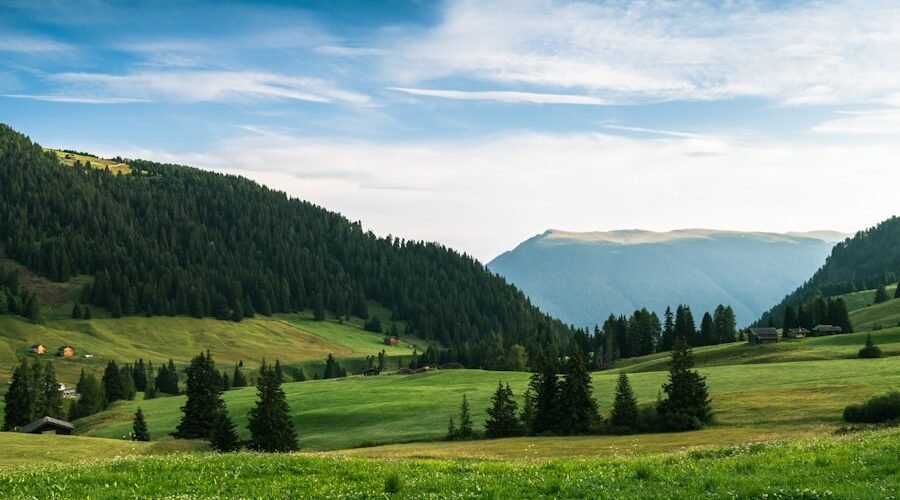
Regional seasonal guides from Discover Tasmania highlight autumn as a premier walking and touring window. Poplars, river willows, and deciduous vines across Ranelagh, Grove, and Cygnet turn deep shades of amber and gold from late March through early May.
March through May is the commercial apple and pear harvest across Tasmania’s historic Apple Isle heartland. Visitors can sample fresh-pressed ciders at shed doors in Grove, Franklin, and Cygnet, or pick up heirloom varieties at roadside honesty boxes. Most commercial orchards restrict public pick-your-own access due to biosecurity rules, so stick to designated farm gates and weekend produce markets.
Pro Tip: Visit during the second half of March or late April (outside the Easter and Term 1 school break) to capture peak autumn leaf colour, 18°C walking days, and shoulder-season accommodation rates.
Winter: June to August
Winter is the coldest and wettest season in the Huon Valley, suited to slow travel, misty photography, and fireside dining. Mean daytime maximums sit at 12.3°C in June, 12.2°C in July, and 13.0°C in August, while overnight minimums drop to 2.5°C in June, 2.3°C in July, and 3.0°C in August. Morning frosts blanket low pastures, and rainfall climbs from 72.4 mm in June to 92.7 mm in July and a yearly high of 104.6 mm in August.
Snow rarely settles in low-lying river towns like Huonville or Franklin, but regularly dusts the alpine ridges above 800 metres. The snow-covered peaks of the Hartz Range create striking views along the Huon Highway between Geeveston and Dover.
Winter suits travellers drawn to quiet forest boardwalks, wood-heated cider sheds, and soaking in the 28°C thermal pool at Hastings. Daylight lasts roughly nine hours in June and July, so plan driving routes between 8:30 am and 4:30 pm to avoid dusk wildlife hazards.
Warning: Never judge alpine conditions by valley weather. The Tasmania Parks and Wildlife Service warns that blizzards, sub-zero wind chills, and ice can hit Hartz Mountains National Park in any month and temporarily close the unsealed Arve Road access track.
Spring: September to November
Spring brings lengthening daylight, snowmelt waterfalls, and orchard blossoms, paired with brisk westerly showers. Mean daytime maximums climb from 14.9°C in September to 16.3°C in October and 18.3°C in November, while overnight lows rise from 4.6°C in September to 6.0°C in October and 7.7°C in November.
Early spring is wet, with Geeveston recording 93.1 mm of rain in September and 92.2 mm in October before drying to 69.4 mm in November. Clear, sunny mornings often give way to brief afternoon squalls pushed in from the Southern Ocean.
October is peak blossom month across Ranelagh, Grove, and Franklin, when cherry and apple trees bloom in white and pink. High river flows also power forest cascades along the Arve River and Russell River tracks. By mid-November, warmer afternoons and 14 hours of daylight create comfortable pre-summer touring conditions.
If you enjoy comparing cool-climate travel windows, our guide to the best time to visit Haines Junction explores how subarctic seasons shape mountain access and visitor demand.
How Busy Does the Huon Valley Get?
The Huon Valley stays much quieter than Cradle Mountain, Freycinet, or Hobart, even in mid-summer. However, small-town accommodation and popular day-trip sites fill quickly during Tasmanian school holidays, long weekends, and flagship festival dates.
Peak Visitor Period: Late December to February
Mid-December through mid-February is the busiest travel window across southern Tasmania. The summer school holidays, interstate road trippers, and warm weather create strong demand for riverside cottages in Franklin, Cygnet, and Dover.
Day-tripper numbers peak in January at Hastings Caves and Tahune Adventures. While individual cave tour tickets cannot be pre-booked online and are sold strictly on the day at the Visitor Centre, arriving before 10:30 am in January prevents missing out when 20-person tour slots fill up.
Summer festivals also pack local towns. The Cygnet Folk Festival runs from 8–10 January 2027, drawing thousands of music fans and booking out lodging across Cygnet and the D’Entrecasteaux Channel months ahead. In nearby Hobart, the biennial Australian Wooden Boat Festival (5–8 February 2027) brings extra maritime visitors south to Franklin’s boatbuilding workshops.
Shoulder Periods: March to April and October to November
March, April, October, and November offer the most relaxed touring pace for travellers who want mild daytime weather without summer traffic. Cellar doors have plenty of seating, and national park car parks rarely fill outside public holiday weekends.
Two busy dates stand out during the autumn shoulder. The A Taste of the Huon food and wine festival takes place on the Eight Hours Day long weekend (7–8 March 2027) at Ranelagh, while the Easter and Term 1 break in mid-April increases family bookings at farm stays.
Quieter Period: May to September
Late autumn through early spring is the quietest stretch on the calendar, bringing peaceful country highways and empty bushwalking tracks. Wait times disappear at cellar doors, and heritage B&Bs offer wide availability except during Hobart’s Dark Mofo festival in mid-June.
Headline attractions operate right through winter. Tahune Adventures opens daily from 10:00 am to 4:00 pm (closed Christmas Day and during severe weather), and Hastings Caves runs daily guided underground tours and thermal pool sessions year-round (closed Christmas Day).
How Much Does a Huon Valley Trip Cost?
Trip costs in the Huon Valley shift mainly with accommodation and Hobart car rental demand, while park and tour admission fees stay fixed year-round. Many regional highlights—including the Franklin foreshore walk, Cygnet village galleries, Ranelagh orchard drives, and camping at Boltons Green near Cockle Creek—are completely free.
Seasonal Cost Factors
Peak pricing runs from mid-December through January and over the Easter break. Boutique waterfront cottages and Hobart rental cars charge their highest annual rates during these weeks, often requiring minimum two- or three-night stays.
March, April, October, and November bring mid-tier nightly rates and better availability for couples and families. From May through August, many self-contained cottages offer winter multi-night discounts, though mid-June accommodation near Hobart rises during Dark Mofo.
Current Activity Cost Examples
Paid attractions and national parks charge flat rates across every season. Below are the verified 2026–2027 admission prices in Australian dollars (AUD), including the updated Tasmania Parks and Wildlife Service park passes and entry fees schedule.
| Attraction | Current Price (AUD) | Key Planning Details |
|---|---|---|
| Tahune Adventures Site Entry | Adult $35.00; child (5–16) $17.50; family (2A+3C) $87.50; concession $31.50 | Covers the Airwalk cantilever, Huon Pine Walk, and Swinging Bridges Track (under 5 free). Eagle Hang Glider costs $25.00 adult / $22.00 child extra; RV camping is $10.00/night with site entry. |
| Hastings Caves Guided Tour | Adult $32.00; child (5–17) $16.00; family (2A+3C) $80.00; concession $25.60 | 45-minute Newdegate Cave tour (under 5 free); includes thermal pool and forest walks. Sold on the day at the Visitor Centre (max 20 people per tour). |
| Hastings Thermal Springs Pool Only | Adult $8.00; child (5–17) $5.00; family (2A+3C) $25.00; concession $6.40 | All-day access to the 28°C thermal pool, amenities, 10-minute Platypus Walk, and 20-minute Hot Springs Track without joining the cave tour. |
| Wooden Boat Centre Guided Tour | Adult $16.00; child (under 17) $6.00; family (2A+2C) $38.00; concession $13.00 | Guided Franklin workshop tour on the hour (last tour 2:00 pm; under 5 free). Self-guided display gallery viewing costs $6.00 per person. |
| Tasmanian National Parks Pass | 24-hour Daily Pass: $49.15/vehicle or $24.55/person; 2-month Holiday Pass: $98.35/vehicle | Vehicle passes cover up to 8 people. Required for Hartz Mountains National Park and Southwest National Park (Cockle Creek), but not required for Hastings Caves. |
Getting Around the Huon Valley
A private car, campervan, or rental vehicle is essential for exploring the Huon Valley properly. While Huonville sits just 35 kilometres (30 minutes) south of Hobart via the Huon Highway (A6), key wilderness sites stretch another 50 to 85 kilometres deeper into the Far South.
The official Huon Valley Council visitor guide maps out the main touring loop through Ranelagh, Huonville, Cygnet (via the B68 Channel Highway), Franklin, Geeveston, and Dover down to Cockle Creek—the southernmost point in Australia reachable by road (about 120 kilometres or 2 hours from Hobart, with the final 15 kilometres unsealed).
Tassielink Transit operates public buses (routes 712, 714, 715, and 716) linking Hobart with Huonville, Cygnet, Franklin, Geeveston, and Dover. However, buses do not run to Tahune Adventures (88 kilometres or 90 minutes from Hobart), Hartz Mountains National Park, Hastings Caves, or Cockle Creek. Mobile reception drops out along Arve Road and south of Southport, so download offline maps before leaving Geeveston.
Beyond the Seasons: Events, Activities, and Holidays
Events and Festivals
Matching your itinerary to community events lets you experience the valley’s folk music, cider culture, and agricultural heritage.
Summer Festivals
The Cygnet Folk Festival is southern Tasmania’s flagship summer gathering. Held across multiple halls, marquees, and parks in Cygnet from 8 to 10 January 2027 (opening 5:00 pm Friday), it features folk and world music, poetry, dance workshops, and food stalls.
Autumn Celebrations
A Taste of the Huon celebrates the region’s orchardists, winemakers, cidermakers, and food producers. Running from 10:00 am to 5:00 pm on Sunday 7 and Monday 8 March 2027 at the Ranelagh Recreation Grounds (49 Marguerite Street, Ranelagh), the festival hosts more than 70 food and drink stalls alongside live music.
Autumn is also a great time to explore wooden boatbuilding in Franklin. The Wooden Boat Centre in Franklin runs volunteer-led tours showcasing traditional Huon pine craft from 10:00 am to 3:00 pm (last tour at 2:00 pm, open Wednesday to Friday and Sunday; closed Saturdays, Good Friday, and Christmas Day).
Winter Gatherings
Note that Willie Smith’s Huon Valley Mid-Winter Festival permanently concluded after its tenth and final edition in July 2024. Instead, winter visitors pair quiet daytime touring at Willie Smith’s Apple Shed in Grove (which hosts a Saturday makers and produce market from 10:00 am to 2:00 pm) or Pagan Cider in Cygnet with Hobart’s Dark Mofo winter solstice festivities in mid-June.
Spring Blossoms and Country Shows
Spring brings two standout regional events alongside the October orchard blossoms. Wine South Tasmania hosts Spring in the Vines from 30 October to 1 November 2026 across Huon Valley and Southern Tasmanian cellar doors, followed by the annual Huon Show at the Ranelagh Show Grounds on Saturday, 14 November 2026 (8:00 am to 4:30 pm; $16 adults, $6 children aged 5–16, under 5 free), featuring woodchopping, livestock displays, and dog high-jump competitions.
Specific Activities You Want to Do
Fruit Picking and Cider Tastings
Sweet cherries and berries peak from late December to early February, while apples and pears are harvested from March through May. Year-round cider tastings are available at Willie Smith’s Apple Shed in Grove, Frank’s Ciderhouse and Cafe in Franklin, and Pagan Cider near Cygnet (open 11:00 am to 4:00 pm weekdays and 11:00 am to 5:00 pm weekends, closed public holidays).
Bushwalking and Mountain Adventures
Spring and autumn offer cool, stable conditions for low-altitude forest walks such as the 1-hour Airwalk and Huon Pine circuit at Tahune or the 2-hour Recherche Bay coast walk to Fishers Point at Cockle Creek. In Hartz Mountains National Park, late November through April gives the clearest weather for the Lake Esperance Track (3.4 km return, 1.5–2 hours, Grade 3) and the steeper climb to Hartz Peak (7.4 km return, 3–5 hours, Grade 4 with a 400-metre elevation gain).
Every vehicle entering Hartz Mountains National Park or crossing into Southwest National Park at Cockle Creek needs a valid Tasmanian national parks pass. No parks pass is required at Hastings Caves State Reserve or Tahune Adventures.
Hastings Caves Exploration
Hastings Caves is a reliable all-weather activity on wet winter or spring days, as underground temperatures inside Newdegate Cave remain a constant 9°C year-round. Above ground, visitors can swim in the 28°C thermal springs pool and walk the 10-minute Platypus boardwalk and 20-minute Hot Springs forest track.
To join one of the 45-minute Newdegate Cave guided tours, purchase your ticket on the day at the Hastings Visitor Centre at least 45 minutes before the scheduled tour time. From the centre, you drive your own vehicle 5 kilometres along a sealed forest road and walk 200 metres to the cave entrance, where the tour covers around 500 internal stairs (no backpacks, tripods, or food are permitted inside).
Wildlife Watching
Platypus are active year-round in the Geeveston rivulet (near Heritage Park) and in the warm creek below Hastings Thermal Springs, especially around dawn and late afternoon. Pademelons, Bennett’s wallabies, wombat, and echidnas graze along rural road verges from dusk to sunrise, so slow down on country roads after 5:00 pm.
Tasmanian School Holidays
Tasmanian school breaks increase demand for family cottages and cabins across the valley. According to the Tasmanian Department for Education, Children and Young People term-date calendar, key 2026–2027 holiday windows are:
- Spring 2026 (Term 3 break): 3 October – 18 October 2026
- Summer 2026–2027 break: 19 December 2026 – 3 February 2027
- Autumn 2027 (Term 1 break): 10 April – 25 April 2027
- Winter 2027 (Term 2 break): 3 July – 18 July 2027
- Spring 2027 (Term 3 break): 25 September – 10 October 2027
For a look at how holiday schedules and extreme temperatures shape desert travel, see our guide on the best time to visit Arizona.
What Should You Pack for the Huon Valley?
Southern Ocean weather fronts can drop temperatures by 10°C in an hour at any time of year. Pack versatile layers so you stay comfortable transitioning from sunny riverbanks to 9°C limestone caves and windy alpine boardwalks.
- Waterproof, windproof shell jacket: Essential year-round for Southern Ocean squalls and mountain tracks.
- Warm mid-layer: A merino wool jumper or fleece pullover for cool mornings, evening dining, and the 9°C Newdegate Cave tour.
- Grippy walking shoes or boots: Needed for damp timber duckboards at Hartz Mountains, swinging bridges at Tahune, and the 500 cave stairs at Hastings.
- Swimwear and towel: For the 28°C thermal pool at Hastings Caves and summer swims at Randall’s Bay or Cockle Creek.
- High-SPF sun protection: Broad-brimmed hat, UV sunglasses, and SPF 50+ sunscreen for Tasmania’s strong summer UV index.
- Thermal base layers, beanie, and gloves: Crucial from May to October and on any hike up Hartz Peak.
Month-by-Month Huon Valley Guide
The table below combines official long-term monthly averages from the Bureau of Meteorology’s Geeveston station (094137) with seasonal crowd and accommodation price pressure across the valley.
| Month | Mean Max / Min | Mean Rain | Typical Conditions & Highlights | Visitor & Price Pressure |
|---|---|---|---|---|
| January | 21.8°C / 10.0°C | 57.2 mm | Warm afternoons, cherry and berry stalls, Cygnet Folk Festival (8–10 Jan 2027) | High |
| February | 22.1°C / 9.9°C | 49.2 mm | Warmest and driest month of the year; prime river kayaking and alpine hiking | Medium-High |
| March | 20.1°C / 8.5°C | 54.7 mm | Calm, mild days; apple harvest starts; A Taste of the Huon (7–8 Mar 2027) | Medium |
| April | 17.5°C / 6.5°C | 63.6 mm | Crisp mornings, golden autumn foliage across orchards and vineyards, fresh cider | Low-Medium |
| May | 14.6°C / 4.7°C | 73.6 mm | Late autumn colour, misty river reflections, quiet roads and cellar doors | Low |
| June | 12.3°C / 2.5°C | 72.4 mm | Shortest days, frosty mornings, Dark Mofo winter solstice overflow from Hobart | Low-Medium |
| July | 12.2°C / 2.3°C | 92.7 mm | Coldest month; snow on Hartz Range peaks; fireside cider tastings and thermal pool | Low |
| August | 13.0°C / 3.0°C | 104.6 mm | Wettest month of the year; roaring forest waterfalls and quiet cave tours | Low |
| September | 14.9°C / 4.6°C | 93.1 mm | Lush green pastures, high river flows, changeable spring showers | Low |
| October | 16.3°C / 6.0°C | 92.2 mm | Apple and cherry blossoms peak; Spring in the Vines (30 Oct – 1 Nov 2026) | Medium |
| November | 18.3°C / 7.7°C | 69.4 mm | Drier, mild days; Huon Show at Ranelagh (14 Nov 2026); great pre-summer hiking | Medium |
| December | 19.9°C / 8.7°C | 70.5 mm | 15-hour daylight, early berry harvest, quiet early month before Christmas rush | Medium-High |
Making Your Decision: Which Season Suits You Best?
Match your travel window to the experiences you care about most:
- For warm 22°C days, fresh cherries, kayaking, and folk music: Visit in January or February.
- For golden orchard foliage, apple harvests, and calm hiking: Aim for March or April.
- For misty river mornings, snow-dusted peaks, and fireside cider sheds: Travel between June and August.
- For pink and white orchard blossoms, full waterfalls, and country shows: Choose October or November.
Once you pick your dates, pair outdoor trails like Tahune Adventures or Hartz Peak with weather-proof stops like Hastings Caves, the Wooden Boat Centre in Franklin, and local cider sheds so sudden southern showers never slow down your itinerary.
Frequently Asked Questions
What is the best time to visit the Huon Valley for good weather?
January and February have the warmest and driest weather, with Geeveston averaging 21.8°C to 22.1°C highs and just 49.2 mm of rain in February. March and April offer slightly cooler 17.5°C to 20.1°C days with lighter winds and fewer crowds.
When is the peak tourist season in the Huon Valley?
Peak tourist season runs from late December through January during the Australian summer school break and the Cygnet Folk Festival. Waterfront holiday cottages and rental cars in Hobart often book out weeks ahead during this window.
When is the quietest time to visit the Huon Valley?
May through August is the quietest period in the valley, offering empty highways, frosty mornings, and uncrowded cellar doors. Major attractions including Tahune Adventures and Hastings Caves stay open daily throughout winter, closing only on Christmas Day.
Is winter always the cheapest time to visit the Huon Valley?
Winter brings lower nightly cottage rates and multi-night lodging deals across the valley, except in mid-June when Hobart’s Dark Mofo festival increases regional demand. Attraction entry fees and national park passes stay fixed year-round.
Does the Huon Valley Mid-Winter Festival still take place?
No, Willie Smith’s Huon Valley Mid-Winter Festival ended permanently after its tenth edition in July 2024. Visitors can still enjoy fireside tastings and Saturday markets at Willie Smith’s Apple Shed in Grove or visit Pagan Cider in Cygnet.
What major Huon Valley events are confirmed for 2026 and 2027?
Confirmed events include Spring in the Vines (30 October – 1 November 2026), the Huon Show at Ranelagh (14 November 2026), the Cygnet Folk Festival (8–10 January 2027), and A Taste of the Huon at Ranelagh (7–8 March 2027).
Do I need a car in the Huon Valley?
Yes, a car is essential for exploring the Huon Valley. While Tassielink buses connect Hobart to Huonville, Cygnet, Geeveston, and Dover, no public transport reaches Tahune Adventures, Hastings Caves, Hartz Mountains National Park, or Cockle Creek.
Do I need to book Hastings Caves tickets in advance?
No, individual tickets for Newdegate Cave cannot be pre-booked online and are sold only on the day at the Hastings Visitor Centre on a first-in, first-served basis. Arrive at least 45 minutes before your chosen tour departure.
Sources
- Bureau of Meteorology — Geeveston Climate Statistics (Station 094137): Long-term monthly maximum and minimum temperatures, rainfall totals, and rain days.
- Discover Tasmania — Seasons: Statewide seasonal travel guidance and autumn foliage highlights.
- Tasmania Parks and Wildlife Service — Hartz Mountains National Park: Alpine safety warnings, Arve Road access, and walking track grades.
- Tasmania Parks and Wildlife Service — Park Passes and Entry Fees: 24-hour Daily Pass and 2-month Holiday Pass vehicle and person rates.
- Tasmania Parks and Wildlife Service — Hastings Caves and Thermal Springs: Newdegate Cave tour admission prices, thermal pool fees, and check-in rules.
- Tahune Adventures: Daily operating hours, Airwalk site entry fees, Eagle Hang Glider pricing, and overnight camping details.
- Huon Valley Council — Visiting the Huon: Regional touring routes, towns, and visitor planning information.
- The Wooden Boat Centre — Tours: Franklin workshop tour schedules, opening days, and admission prices.
- Cygnet Folk Festival: Confirmed 8–10 January 2027 festival dates and programme information.
- A Taste of the Huon: Confirmed 7–8 March 2027 festival dates and Ranelagh venue details.
- Huon Valley Council — Spring in the Vines: Confirmed 30 October – 1 November 2026 cellar door event dates.
- Huon Valley Council — 2026 Huon Show: Confirmed 14 November 2026 show date, hours, and gate admission fees at Ranelagh.
- Tasmanian Department for Education, Children and Young People — Term Dates: Official 2026 and 2027 Tasmanian school holiday schedules.