

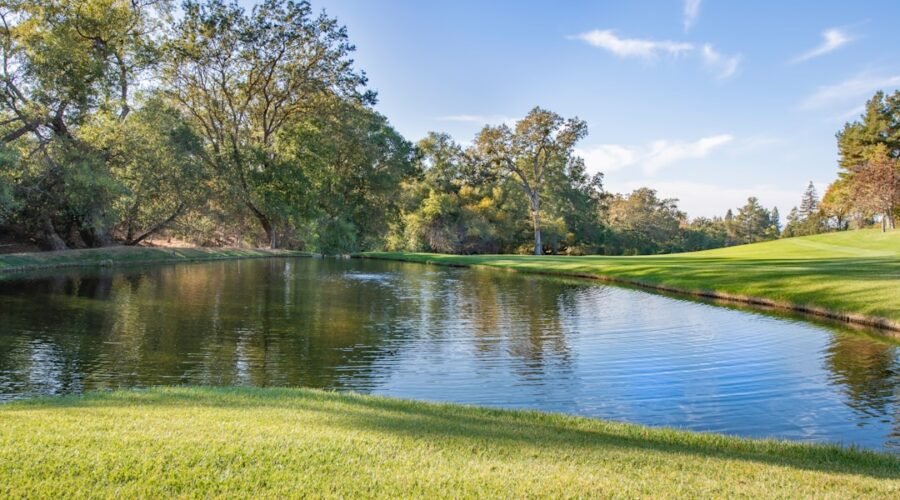
Choosing the best time to visit Ilgaz, Çankırı means deciding between snowy ski slopes and peaceful mountain trails. This part of northern Türkiye offers different experiences throughout the year. The weather also changes considerably between the town, forested hills, and high mountain slopes.
Quick Answer
The best time to visit Ilgaz, Çankırı is January or February for skiing, and late May to June or September to early October for hiking and scenery. July and August also suit higher-elevation walks. Ski opening dates depend on snow, while Turkish school holidays can make winter weekends especially busy.
Last checked: October 28, 2026. Dates and figures were verified against official sources.
Key Takeaways
- January and February usually offer the strongest chance of suitable snow conditions for skiing, but they also bring the busiest winter weekends.
- Late May and June are excellent for wildflowers, green forests, and nature walks. Some higher trails may still have lingering snow earlier in spring.
- July and August are useful for mountain hiking, camping, and picnics, especially when you start outdoor activities early.
- September and early October offer cooler walking conditions and changing forest colors, with fewer ski-season visitors.
- Ilgaz Dağı National Park and Yıldıztepe are different destinations. Their facilities, access routes, and seasonal conditions should be considered separately.
Best Time to Visit Ilgaz, Çankırı: Month-by-Month Guide
Ilgaz has a continental-influenced mountain climate, with cold winters and warmer summers. However, weather varies considerably with elevation. The lower town and nearby city can be warm while higher mountain trails remain cool.
The following table uses the Turkish State Meteorological Service’s Çankırı climate normals for 1991–2020. These figures are for Çankırı city, not Ilgaz’s ski slopes or high mountain trails. They provide a regional reference rather than a direct mountain forecast.
| Month | Average High / Low | Best Activities and Crowd Expectations |
|---|---|---|
| January | 3.9°C / -3.8°C | Skiing and snow activities. Busy winter weekends. |
| February | 7.0°C / -2.9°C | Skiing and snowboarding. Holiday crowds possible. |
| March | 12.8°C / 0.1°C | Possible late-season skiing; snowmelt begins. |
| April | 18.3°C / 4.2°C | Spring scenery and lower-elevation walks. Muddy trails possible. |
| May | 23.5°C / 8.7°C | Green landscapes, spring flowers, and hiking. |
| June | 28.0°C / 12.3°C | Mountain hiking, camping, picnics, and photography. |
| July | 32.0°C / 14.7°C | Higher-elevation hikes and summer recreation. Local weekend visitors. |
| August | 32.2°C / 14.6°C | Early hikes, shaded picnics, and stargazing. |
| September | 27.5°C / 10.1°C | Comfortable hiking and early autumn scenery. |
| October | 20.9°C / 5.8°C | Fall colors, photography, and cooler walks. |
| November | 12.4°C / 0.2°C | Quiet visits, cold weather, and possible early snow. |
| December | 5.7°C / -2.0°C | Snow scenery and possible ski-season opening. |
These averages explain the regional seasonal pattern, but the mountain is considerably higher than Çankırı city. You should expect colder temperatures, stronger winds, and different snow conditions on Ilgaz’s upper slopes.
Spring in Ilgaz (March to May): Snowmelt and Green Landscapes
Spring is ideal for nature lovers who want to see Ilgaz change from snowy forests to green mountain scenery. Late May is usually the most practical part of spring for hiking, while March and April are more unpredictable.
March and April: The Changing Season
March can still feel like winter at higher elevations. Snow may remain on ski slopes, although warmer afternoons can create soft or slushy conditions.
By April, snowmelt and rainfall can leave walking trails wet or muddy. Lower forest paths may become accessible before higher routes.
If you enjoy photography, this transition brings interesting contrasts between snow-covered peaks and emerging greenery. However, it is less suitable for visitors who need dependable hiking conditions.
May: A Better Time for Hiking
May brings greener forests, spring flowers, and more comfortable conditions for outdoor activities. You may still encounter lingering snow on higher ground, particularly early in the month.
Late May is especially suitable for walking, birdwatching, picnicking, and exploring mountain scenery.
The Ilgaz district administration’s hiking guide identifies several established routes. Two useful options are:
- Derbent Şehitliği to Çömert: An approximately 7 km forest route suitable for a broad range of walkers.
- Kadınçayırı-Yıldıztepe to Saraycık Yaylası: An approximately 9 km route through attractive forest scenery. The district guide recommends late May as an especially good starting period.
The district also describes a traditional youth climb to Büyükhacet on May 19. If you hope to join an organized event, confirm that year’s arrangements before planning around it.
Spring Crowds and Costs
Spring generally sees fewer winter-sports visitors than January and February. Weekdays are often peaceful, although weekends and national holidays may bring more local travelers.
Accommodation can be less expensive outside the main ski season. Hiking, photography, and birdwatching also involve fewer equipment expenses than skiing.
Best for: Wildflowers, spring scenery, forest walking, birdwatching, and travelers who prefer a quieter atmosphere.
Summer in Ilgaz (June to August): Hiking, Camping, and Mountain Air
Summer is a good time to visit Ilgaz, particularly for outdoor activities at higher elevations. Although Çankırı city becomes hot in July and August, mountain forests and trails can offer more comfortable conditions.
June is especially attractive for active hiking, while July and August suit visitors who plan around midday warmth.
June: Ideal for Mountain Trails
June usually offers greener landscapes, longer daylight, and better access to routes that may have been snow-covered during spring.
Ilgaz has trails with different lengths and levels of difficulty.
The Ilgaz Dağı National Park Directorate describes two established walking routes inside the park:
- Ski Center-Arpasekisi Yaylası-Kozançal Tepe-Karakeçilik Tepe: An approximately 8 km route passing forest scenery and viewpoints before returning toward the ski center.
- Karakeçilik Tepe-Samanpazarı Pınarı-Haydarın Sırtı: An approximately 5 km route featuring forests, streams, and the park’s visitor area.
For more demanding hikes, the wider Ilgaz district also offers the Kırkpınar Göleti to Emir Gazi Tepesi route. The district administration describes this as a roughly 6.5–7 km round trip, with a climb from around 1,800 meters to 2,404 meters.
Despite its moderate distance, that route involves substantial elevation gain. It is better suited to fit, properly equipped hikers than casual walkers.
July and August: Enjoy the Cooler Mountain Areas
July and August are the warmest months in the surrounding lowlands. However, this does not make the Ilgaz Mountains unsuitable for travel.
Higher elevations can be pleasant for walking, especially during the morning. Forest shade also makes picnics and relaxing outdoor activities more enjoyable.
Popular summer activities include:
- Hiking and trekking: Explore forest trails and high mountain viewpoints.
- Photography: Capture wildflowers, green valleys, and changing mountain light.
- Birdwatching: Look for local forest birds while staying on established paths.
- Camping: Use designated camping areas where overnight stays are permitted.
- Picnics: Spend time in designated recreation areas with family or friends.
- Stargazing: Enjoy the night sky when clouds and local lighting conditions allow.
- Nearby towns: Combine your mountain visit with time in Ilgaz, Çankırı, or Kastamonu.
For longer outings, bring enough drinking water, sun protection, and suitable walking shoes. A light jacket is useful because temperatures can fall after sunset.
Summer Crowds and Costs
Summer can bring local families, campers, and hikers, especially on weekends. However, it generally avoids the concentrated ski traffic of the busiest winter dates.
Most nature-based activities require little specialized equipment. You may still need to pay park entrance fees, camping charges, or fees for optional facilities.
Best for: Hiking, camping, photography, picnics, family outings, and escaping the heat of lower elevations.
Autumn in Ilgaz (September to November): Fall Colors and Peaceful Trails
Autumn is one of the best times to enjoy Ilgaz’s forests without the busiest winter crowds. September and early October offer especially appealing walking conditions, while late October and November bring colder, less predictable weather.
September: Comfortable Hiking Weather
September often provides a good balance between warmth and cooler evenings. It is suitable for day hikes, nature photography, and exploring villages near the mountains.
The forests are still largely green early in the season. As temperatures fall, deciduous trees begin changing color against the darker evergreen trees.
Weekdays are often quieter than summer weekends, making this a good choice if you prefer peaceful walks.
October: Beautiful Autumn Scenery
October can be particularly attractive for landscape photography. Reds, yellows, and oranges appear among the forest’s evergreen trees, although the timing varies with weather and elevation.
Early to mid-October is generally more reliable for comfortable walking than the end of the month.
Some hikers also visit around Republic Day on October 29. The Ilgaz district administration describes a traditional Cumhuriyet Tırmanışı, or Republic Day climb, associated with Küçükhacet.
Higher mountain routes can become cold, windy, or icy during late autumn. Pack an extra warm layer even if conditions seem mild in town.
November: Quiet but Less Predictable
November marks the transition toward winter. Daylight becomes shorter, temperatures fall, and snowfall may begin at higher elevations.
Although visitor numbers may be low, this is not a dependable month for either full winter sports or comfortable high-altitude hiking.
Short forest walks, landscape photography, and relaxing accommodation stays are better options when weather permits.
Autumn Activities and Costs
September and October offer several activities without the need for ski equipment:
- Photographing colorful forests and mountain viewpoints.
- Walking through woodland and open meadow areas.
- Birdwatching and observing seasonal changes in nature.
- Visiting nearby villages and enjoying traditional Turkish food.
- Looking for seasonal mushrooms with an experienced local expert.
Warning: Never eat wild mushrooms unless a qualified expert has positively identified them as safe. Poisonous species can closely resemble edible ones. Mushroom collection may also be restricted in protected areas.
Autumn accommodation prices are often more favorable than during popular ski weekends. However, holiday demand and individual hotel policies can affect rates.
Best for: Fall foliage, scenic photography, peaceful hiking, and travelers who want a quieter mountain experience.
Winter in Ilgaz (December to February): The Main Ski Season
Winter is the main tourist season for skiing in Ilgaz. January and February are usually the strongest choices for snow-focused trips, although the actual ski season depends on snowfall, snow cover, and resort operations.
The wider Ilgaz Mountains contain several winter recreation areas, including facilities at Doruk and Yıldıztepe.
December: The Beginning of Winter Sports
Snow can arrive before December, but an early snowfall does not guarantee usable ski slopes.
Resorts may begin operating once snow depth and weather conditions allow. Mid-December is a possible opening period, not a guaranteed start date.
If you travel early in the month, you may enjoy snowy forest scenery even when skiing is unavailable.
January and February: The Best Months for Skiing
January and February generally offer the greatest chance of sustained winter conditions. The mountain’s upper slopes can be much colder than Çankırı city, and temperatures below freezing are common during snowy periods.
The original guide’s approximate winter mountain range of -10°C to 0°C illustrates the cold conditions visitors may encounter, although it is not a verified monthly climate normal for a specific ski station.
Expect the highest demand during weekends and school holidays. Lift queues, equipment rentals, restaurants, and accommodation may all become busier.
Where Can You Ski in Ilgaz?
One of the principal choices on the Çankırı side is Yıldıztepe Tourism Center.
According to the Çankırı Provincial Directorate of Culture and Tourism, Yıldıztepe has two listed ski runs of 4,700 and 2,000 meters, a 1,600-meter chairlift, and visitor facilities.
The ministry also lists a café, hotels, and the Yıldızkule observation tower at 1,881 meters.
The wider Ilgaz ski area around Doruk offers other ski facilities. Beginners should choose suitable slopes and consider instruction before attempting more difficult runs.
Winter activities in the region include:
- Skiing: Enjoy maintained runs when the lifts and slopes are operating.
- Snowboarding: Use appropriate designated areas and suitable equipment.
- Sledding: A family-friendly activity where permitted and safely separated from ski traffic.
- Snowshoeing: Explore suitable winter paths with the proper equipment and local guidance.
- Winter photography: Capture snow-covered fir and pine forests.
- Indoor relaxation: Enjoy warm accommodation, fireplaces where available, and traditional Turkish meals.
Which Winter Dates Are Busiest in 2026–2027?
The busiest periods often coincide with Turkish school holidays and weekends.
Türkiye’s Ministry of National Education calendar for 2026–2027 confirms that the midyear school holiday runs from January 25 to February 5, 2027.
Families may plan ski trips during this period, so accommodation and popular facilities can see increased demand.
For a quieter ski trip, choose a weekday outside school holidays when snow and lift conditions are suitable.
Can You Still Ski in March?
Yes, March can offer skiing if enough snow remains. Early March is often a better possibility than late March, when warmer weather can soften the snow.
Some seasons extend into April, but you should not assume that every resort will remain open.
Best for: Skiing, snowboarding, winter scenery, family snow activities, and visitors who enjoy cold mountain weather.
When Are Ilgaz Crowds and Travel Costs Lowest?
The quieter periods generally fall outside the busiest winter ski dates. Spring, summer, and early autumn can offer better value for travelers who do not need ski lifts or rental equipment.
However, the cheapest time is not always the most enjoyable. Very quiet transition periods can also bring poor trail conditions or limited seasonal services.
Accommodation and Equipment Costs
- Winter: Accommodation demand is usually highest during popular ski weekends and school breaks. Ski passes, lessons, and equipment rentals add to expenses.
- Spring: Non-ski accommodation may offer better value. Hiking and photography usually involve fewer activity-related expenses.
- Summer: Camping, picnics, and day hikes can help reduce spending, although designated facilities may charge fees.
- Autumn: Weekday stays may be less expensive than peak ski-season dates, especially outside national holidays.
Travel costs to Çankırı, Kastamonu, or Ankara also depend on transport availability, booking dates, and holiday demand. A bus or flight ticket does not necessarily include the final transfer to the mountains.
National Park Entry Fees in 2026
Ilgaz Dağı National Park has an entrance charging system, so entering the protected area is not automatically free.
The published 2026 protected-area vehicle tariff lists standard automobile rates of 165 Turkish lira for Çankırı’s provincial tariff category and 195 Turkish lira for Kastamonu’s category.
These are regional tariff figures, not independently confirmed charges for each specific Ilgaz park entrance. The applicable fee depends on the entrance and its classification. These figures also do not establish ski-pass, hotel, or equipment-rental prices.
Hiking and photography normally do not require a ski pass, but entrance fees and any charges for optional facilities still need to be considered.
How Does the National Park Entry System Work?
In December 2025, the National Parks Directorate announced that Ilgaz Dağı National Park introduced HGS vehicle entry.
HGS is Türkiye’s electronic road-payment system. The park announcement explains that vehicle charges are collected electronically instead of through cash payments at entry gates.
Vehicles without an HGS tag can have charges assigned to their registration plates. The authority also explains the payment procedure for vehicles without sufficient HGS balance.
This is an important distinction if you are budgeting for a self-drive visit.
How to Reach Ilgaz and Choose the Right Mountain Area
Ilgaz is accessible from the Çankırı–Kastamonu road, but the town, national park, and Yıldıztepe are not all in the same location. Choosing your destination before arranging transport will make your trip easier.
Ilgaz Dağı National Park
Ilgaz Dağı National Park lies across parts of Çankırı and Kastamonu provinces. It includes forest scenery, wildlife habitats, walking trails, and nearby winter-sports facilities.
The park’s official visitor information places it approximately 68 km from Çankırı and 40 km from Kastamonu.
The same source does not list a direct scheduled minibus service from either city into the national park. A private car, organized excursion, or prearranged transfer is therefore the more practical choice.
Yıldıztepe and Kadınçayırı Nature Park
Yıldıztepe is approximately 20 km from Ilgaz district center and 70 km from Çankırı. It is a useful destination for skiing during winter and mountain recreation during warmer months.
The nearby Kadınçayırı Nature Park includes designated recreational areas, walking paths, picnic spaces, and camping facilities.
Yıldıztepe also has a zipline facility, although its seasonal operating status and activity charges should not be assumed.
Getting Around in Winter
Snow and ice can affect mountain access roads during winter. A vehicle suitable for winter conditions, proper tires, and any necessary traction equipment are important for safe travel.
Also allow flexibility if heavy snowfall or poor visibility disrupts your plans.
What Should You Pack for Ilgaz in Each Season?
Your packing list should match both the season and the elevation you intend to visit. Mountain weather can change quickly, even when conditions seem pleasant in town.
| Season | Recommended Items |
|---|---|
| Spring | Waterproof jacket, sturdy walking shoes, warm layer, and rain protection. |
| Summer | Water, sun protection, breathable clothing, hiking shoes, and a light jacket. |
| Autumn | Warm layers, windproof jacket, suitable footwear, and rain protection. |
| Winter | Insulated waterproof clothing, gloves, warm socks, suitable boots, and proper snow-sports equipment. |
For hiking, stay on suitable established routes and avoid feeding wildlife. The forests are home to animals including deer, wild boar, wolves, and bears.
Before departure, review the local mountain forecast and confirm the condition of your chosen trail or ski facility. This is especially useful during the snowy season and the spring and autumn transitions.
Frequently Asked Questions
What is the best time to visit Ilgaz, Çankırı for good weather?
Late May to June and September to early October offer a good mix of comfortable hiking conditions and scenery. July and August can also work well at higher elevations, although lower areas become hotter. January and February are better if your main goal is skiing rather than mild weather.
When is the peak tourist season in Ilgaz, Çankırı?
The busiest tourist period is generally associated with winter skiing, especially January and February weekends and school holidays. For the 2026–2027 season, the Turkish midyear school holiday runs from January 25 to February 5, 2027. Summer weekends also attract local visitors, but they have a different pattern of demand.
What is the off-peak season in Ilgaz?
Late October to November and parts of April can be relatively quiet, although weather conditions are less predictable. Spring and summer also see fewer ski-related visitors than winter. December is not automatically off-peak because ski resorts may start operating once sufficient snow has accumulated.
When can visitors expect lower costs and fewer crowds?
Weekdays in May, June, September, and October often provide a quieter alternative to popular winter weekends. Hiking and picnicking usually require less spending on equipment than skiing. However, national park entry fees may apply, and accommodation prices still depend on holidays and individual properties.
What are the average temperatures in Ilgaz, Çankırı throughout the year?
Official Çankırı city climate normals show an average high of 3.9°C in January and 32.2°C in August. Average lows for those months are -3.8°C and 14.6°C, respectively. Ilgaz’s higher mountain areas are colder, so these city readings should not be treated as ski-slope temperatures.
When does the ski season start and end in Ilgaz?
The ski season may begin in December and continue into March, sometimes April, depending on snowfall and resort operations. January and February are generally more dependable choices for skiing. Exact opening and closing dates cannot be guaranteed because snow depth and weather conditions change each year.
Do you need a car to visit Ilgaz Dağı National Park?
A car or arranged transfer is usually the most practical way to reach Ilgaz Dağı National Park. The park authority does not list a direct scheduled minibus from Çankırı or Kastamonu into the park. Yıldıztepe is a separate destination, approximately 20 km from Ilgaz district center.
Which Season Should You Choose for Your Ilgaz Trip?
Your ideal visit depends on the experience you want. Choose January or February for winter sports, late May or June for green mountain scenery, July or August for summer recreation, and September or early October for colorful forests and comfortable walks.
If your priority is saving money or avoiding crowds, consider weekdays outside the busiest winter holidays. March, April, and November can also be rewarding, but their weather is less predictable.
Choose your preferred activity first, then select the appropriate part of the Ilgaz Mountains. This will help you plan a trip that matches both your interests and the conditions on the ground.
Sources
- Turkish State Meteorological Service: Official Çankırı monthly climate normals for 1991–2020, including average high and low temperatures.
- Ilgaz District Governorship: Trekking and Mountaineering: Named hiking routes, distances, elevation changes, recommended seasons, and traditional mountain climbs.
- Ilgaz Dağı National Park Directorate: National park hiking routes, recreational activities, facilities, and wildlife information.
- Çankırı Provincial Directorate of Culture and Tourism: Yıldıztepe: Ski runs, lift infrastructure, recreational facilities, and access distances.
- Republic of Türkiye Ministry of National Education: Official 2026–2027 school calendar and midyear holiday dates.
- National Parks Directorate: Ilgaz HGS Announcement: Vehicle entry and electronic payment procedures.
- Directorate General of Nature Conservation and National Parks: 2026 Vehicle Tariff: Published provincial vehicle entrance fee categories.
- National Parks Nature Tourism Information System: Ilgaz Dağı National Park location, access distances, and visitor information.


[…] Ilgaz, Çankırı […]