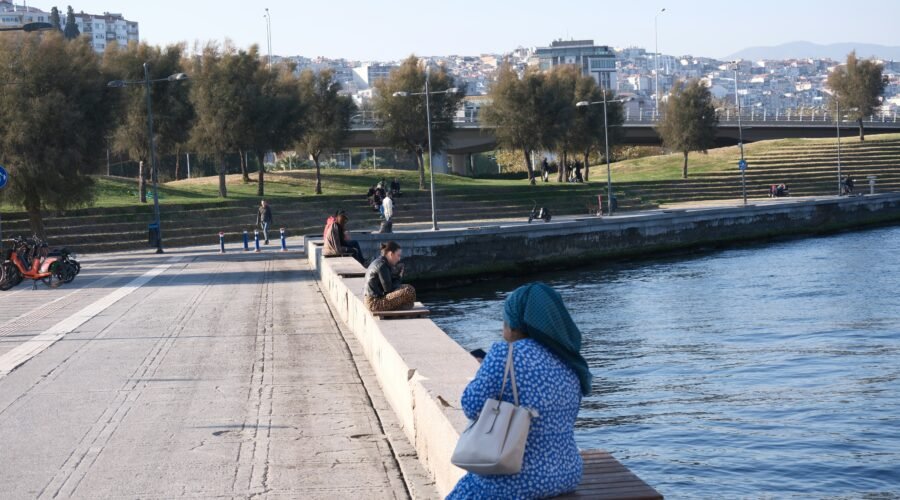
Choosing the best time to visit İzmir can make a big difference to your trip. This Aegean city has sunny summers, mild springs, warm autumns, and relatively gentle winters. But the right month depends on whether you want historic sights, beach days, local festivals, or a quieter holiday.
Quick Answer
The best time to visit İzmir is April–May or September–October. These months offer comfortable sightseeing weather and generally lighter crowds than midsummer. Choose May or October for walking and historic attractions, September for warmer swimming conditions, July–August for a lively beach holiday, and December–February for quieter, often cheaper city breaks.
Last checked: October 23, 2026. Dates and figures were verified against official sources.
Key Takeaways
- April and May are excellent for the Agora, Kordon, Alsancak, and day trips to ancient sites.
- September offers warm beach weather, but the International Fair can make early September busy.
- July and August have average daytime highs above 33°C, making midday sightseeing tiring.
- Winter brings fewer tourists and often better accommodation value, but rain becomes more frequent.
- Major festivals and Turkish public holidays can create local crowds even outside the summer season.
Best Time to Visit İzmir: Seasonal Weather, Crowds, and Costs
İzmir has a Mediterranean climate, with hot, dry summers and cooler, wetter winters. Spring and early autumn usually provide the best balance for exploring the city. The coastal resorts around Çeşme and Alaçatı follow a more beach-focused seasonal pattern.
| Season | Average Daytime Highs | Crowds | Travel Costs |
|---|---|---|---|
| Spring: March–May | 17.2–26.5°C (63–80°F); increasingly sunny | Low to moderate; busier at festivals | Usually moderate |
| Summer: June–August | 31.3–33.8°C (88–93°F); hot and dry | High, especially at coastal resorts | Often highest |
| Autumn: September–November | 29.5–18.8°C (85–66°F); cooling gradually | Moderate, then generally lower | Usually moderate to lower |
| Winter: December–February | 12.7–14°C (55–57°F); cool and rainy | Low | Often lowest |
The temperature figures come from the Turkish State Meteorological Service’s İzmir climate normals for 1991–2020. They describe average daily maximum temperatures, not the hottest possible days. Crowd and cost ratings are general seasonal patterns rather than measured visitor totals or fixed prices.
For a first visit: May is a strong choice for sightseeing, while September works particularly well if you want both the city and the beach.
1. Spring in İzmir: Best for Sightseeing and Comfortable Weather
Spring, from March through May, is one of the most enjoyable times to visit İzmir. Temperatures rise steadily, greenery returns, and outdoor attractions become pleasant to explore. April and May offer especially good conditions for travelers who want to spend much of their day walking.
1.1 How Warm Is İzmir in April and May?
April has an average daytime high of 21.3°C (70°F), while May reaches 26.5°C (80°F). Average nighttime lows rise from 11.8°C (53°F) in April to 16.2°C (61°F) in May.
That makes both months suitable for exploring the ancient Agora, walking through Alsancak, or spending an afternoon along the Kordon waterfront.
April mornings and evenings can still feel cool, so bring a light jacket. By May, you will usually be comfortable in lighter clothing during the day.
Spring rain is possible. İzmir averages about nine rainy days in April and seven in May, based on the official climate normals.
1.2 Are the Tourist Crowds Smaller in Spring?
Spring generally has fewer holidaymakers than July and August, particularly around the coastal resorts. This can make sightseeing more relaxed and restaurant reservations easier to arrange.
However, popular spring festivals and public holidays can create short periods of heavy demand. Historic areas, restaurants, and accommodation near festival venues may become especially busy.
If you want the quietest possible experience, avoid major event dates and popular holiday weekends.
1.3 Are Flights and Hotels Cheaper in Spring?
April and May often provide better accommodation value than midsummer, particularly around the beach resorts. Central İzmir hotels may follow a different pricing pattern because business travel and local events also affect demand.
Travelers with flexible dates may find useful savings by comparing weekdays with festival weekends. Choosing a hotel in central İzmir also makes sense if sightseeing matters more than staying beside the beach.
1.4 Spring Flowers, Food, and Festivals
Spring brings fresh greenery, blooming wildflowers, and pleasant conditions for exploring the countryside around İzmir. Local markets also begin featuring a wider variety of seasonal produce.
Two established events help make spring especially interesting:
- İzmir European Jazz Festival: The 33rd edition ran from March 5–17, 2026, with concerts, workshops, and cultural events. The festival organizer’s official program confirms the dates and venues.
- Alaçatı Herb Festival: The 2026 program ran from April 20–26. This popular food and culture festival celebrates regional herbs and Aegean cooking. Its official festival schedule lists the daily activities.
Alaçatı is especially lively during its herb festival, so the event is better suited to food lovers than visitors seeking complete peace and quiet.
Who should visit in spring? First-time travelers, history lovers, walkers, photographers, and anyone who dislikes intense summer heat.
2. Autumn in İzmir: Best for Warm Seas and Fewer Crowds
September and October are excellent months for a balanced İzmir holiday. The strongest summer heat begins to fade, while coastal waters often remain comfortable enough for swimming. November is quieter and cooler, with a greater chance of rain.
2.1 Is September or October Better for Weather?
September is warmer, with an average daytime high of 29.5°C (85°F) and a nighttime low of 19.5°C (67°F). October cools to an average high of 24.6°C (76°F) and low of 15.4°C (60°F).
If swimming is important, September is usually the better month. The sea has had the summer to warm up, and beach days remain possible around Çeşme and Alaçatı.
October is more comfortable for longer city walks and archaeological excursions. It is also a good choice for travelers who want sunshine without the strongest summer heat.
November’s average daytime high falls to 18.8°C (66°F). Rain also becomes more frequent, making it less reliable for beach-focused trips.
2.2 Are There Fewer Tourists After Summer?
Tourist activity generally eases after the main summer holiday period. Beach resorts become calmer, and many visitors find it easier to enjoy restaurants, cafés, and waterfront walks.
Still, early September is not always quiet. Events can draw large local and regional crowds into central İzmir.
The İzmir International Fair is a major example. Its 95th edition took place at Kültürpark from September 5–13, 2026, according to the official fair information.
The 2026 fair charged TRY 100 for standard admission and TRY 50 for eligible young visitors. Concerts and events inside the fair were free after admission, with additional exemptions for qualifying visitors.
Travelers attending the fair should expect a lively atmosphere around Kültürpark. Those looking for quieter accommodation may prefer dates outside the event.
2.3 Is Autumn Good Value for Money?
September and October can offer a good balance between weather and accommodation costs. Prices at coastal hotels often begin to soften after the busiest summer weeks.
October is particularly appealing if your plans focus on İzmir city, the Agora, Kemeraltı, and nearby historic sites.
Some seasonal beach businesses reduce their operations as autumn progresses. This makes central İzmir a more practical base for travelers who want restaurants, markets, and cultural attractions throughout their stay.
2.4 Autumn Harvests and Local Food
Autumn is a rewarding season for exploring İzmir’s Aegean food traditions. Local markets feature seasonal fruit and vegetables, while restaurants highlight fresh produce, olive oil, seafood, and regional dishes.
The surrounding countryside also has a strong tradition of grape growing and olive production. Markets and local food events can add variety to an autumn itinerary.
For a relaxed food-focused day, explore Kemeraltı’s market streets and try local dishes in traditional restaurants.
Who should visit in autumn? Couples, food lovers, photographers, history enthusiasts, and travelers who want warm weather without committing to the busiest summer weeks.
3. Summer in İzmir: Best for Beaches and Nightlife

June through August is the hottest and busiest part of the year in İzmir. Summer suits travelers who enjoy beach holidays, swimming, outdoor dining, and lively evenings. It is less comfortable for anyone planning long walks around exposed archaeological sites in the middle of the day.
3.1 How Hot Does İzmir Get in Summer?
Average daytime highs reach 31.3°C (88°F) in June, 33.8°C (93°F) in July, and 33.6°C (92°F) in August.
Heatwaves can push temperatures above 40°C (104°F), making direct sun exposure uncomfortable or potentially dangerous during the hottest hours.
Summer is also very dry. The official climate normals show fewer than one rainy day per month on average in July and August.
Plan outdoor sightseeing for the morning or later afternoon. Carry drinking water, use sunscreen, and wear a hat when visiting exposed sites such as Ephesus and the Agora.
3.2 Why Are the Beaches So Popular?
Warm weather and long sunny days attract visitors to the coast around İzmir. Çeşme and Alaçatı are especially popular for swimming, sunbathing, seaside dining, and water sports.
These beach destinations are outside central İzmir, so allow time for the journey if you stay in the city.
Summer is also a lively season for the Kordon promenade, waterfront cafés, and outdoor restaurants. Many people prefer enjoying these areas during the evening, after the day’s strongest heat has passed.
For a trip mainly focused on sand, swimming, and resort life, July and August provide classic summer conditions.
3.3 Are Summer Crowds and Accommodation Prices Higher?
July and August usually bring stronger demand for coastal hotels and holiday accommodation. Popular beach clubs, restaurants, and waterfront locations may also be crowded.
Travel costs are not identical across the region. A central city hotel may have different demand patterns from a beachfront property in Çeşme or Alaçatı.
Book popular coastal accommodation early if you have fixed summer travel dates. Allow extra time for busy beaches and restaurant service during holiday periods.
3.4 Summer Festivals and Cultural Activities
Summer is not limited to beach activities. İzmir also hosts major music and arts events, including performances in historic settings.
The 39th International İzmir Festival ran from June 4 to July 8, 2026. Its program included performances at the Ahmed Adnan Saygun Arts Centre, the ancient Agora, the Library of Celsus, and Çeşme Castle.
The official festival program listed ticketed concerts alongside selected complimentary performances. Some free events required advance reservations because venue capacity was limited.
If you enjoy live performances, June and early July can be rewarding despite the hotter weather.
Who should visit in summer? Beach lovers, swimmers, nightlife enthusiasts, families planning coastal holidays, and travelers who prefer long sunny days over quiet sightseeing.
4. Winter in İzmir: Best for Quiet Sightseeing and Cultural Trips

December through February is İzmir’s quieter travel period. The weather is cooler and wetter, but it remains relatively mild compared with many inland European destinations. Winter is well suited to museums, historic neighborhoods, traditional food, and lower-key city breaks.
4.1 How Cold and Rainy Is İzmir in Winter?
Average daytime highs range from 12.7°C (55°F) in January to 14°C (57°F) in February. Average nighttime lows are around 6–8°C (43–46°F).
Rain is the main weather concern. December averages about 13 rainy days, while January and February average roughly 12 rainy days each.
Snow is uncommon in central İzmir, although colder conditions can occur.
Pack a waterproof jacket, comfortable shoes, and layers you can remove on sunny afternoons. A flexible itinerary makes it easier to move between outdoor attractions and indoor activities.
4.2 Are Museums and Historic Sites Less Crowded?
Winter often offers a quieter experience at İzmir’s museums and archaeological attractions. You may find more space to explore exhibits and enjoy historic settings at a relaxed pace.
Good options include the İzmir Archaeology Museum, Atatürk Museum, and the ancient Agora of Smyrna.
Kemeraltı is another worthwhile destination. It is a historic market district with streets, shops, historic buildings, and covered passages, rather than one fully enclosed bazaar.
For the period from October 1, 2026, through April 1, 2027, the İzmir Provincial Directorate of Culture and Tourism published these visiting hours:
- İzmir Agora: 8:30 a.m.–5:30 p.m., with ticket sales ending at 5 p.m.
- İzmir Archaeology Museum: 8:30 a.m.–5:30 p.m., with ticket sales ending at 5 p.m.
- Ephesus archaeological site: 8 a.m.–6 p.m., according to the seasonal provincial schedule.
Winter sightseeing hours can be shorter than summer hours, so account for earlier closing times when planning a day trip.
4.3 Is Winter the Cheapest Time to Visit İzmir?
Winter is often one of the best periods for finding affordable accommodation in İzmir. Demand from beach holidaymakers falls sharply, and some city hotels may offer attractive rates.
Travelers who prioritize museums, markets, and restaurants over beach time can find good value during this season.
However, not every attraction becomes cheaper in winter. Museum admission is generally determined by an official tariff rather than the season.
According to the official museum admission tariff, checked in October 2026, foreign visitor prices included:
- İzmir Agora: €6.
- İzmir Archaeology Museum: €4.
- Ephesus archaeological site: €40, including the Digital Experience Museum.
- İzmir Atatürk Museum: Free admission.
Turkish citizens may qualify for MüzeKart access at participating museums and archaeological sites. Admission rules and prices can change.
4.4 What Can You Do in İzmir During Winter?
Cooler weather makes winter a good season for exploring İzmir’s cultural and culinary attractions without the summer heat.
You can spend the morning at a museum, browse Kemeraltı’s shops, and then enjoy a relaxed meal at a local restaurant.
Traditional soups, vegetable dishes, seafood, and other Aegean specialties are good reasons to explore the city’s food scene.
On clear days, the Kordon waterfront remains appealing for walking and watching the sunset. The public promenade is free to enjoy.
Indoor concerts, galleries, and local cultural events can also provide useful options when the weather turns wet.
Who should visit in winter? Budget-conscious travelers, museum lovers, food enthusiasts, and anyone who prefers quieter city experiences over swimming or beach activities.
5. Other Things to Consider When Planning Your İzmir Trip
Weather is only one factor in choosing your travel dates. Turkish holidays, local events, accommodation demand, and your preferred activities can all affect the experience.
5.1 Turkish Public and Religious Holidays
National and religious holidays can increase demand for domestic travel. Transport and accommodation may be busier, while some businesses or attractions may operate on adjusted schedules.
For travelers planning a 2027 visit, the Turkish Presidency of Religious Affairs’ 2027 calendar lists these dates:
- Ramadan Bayramı (Eid al-Fitr): March 9–11, 2027, with the holiday eve on March 8.
- Kurban Bayramı (Eid al-Adha): May 16–19, 2027, with the holiday eve on May 15.
Other important public holidays include Republic Day on October 29, National Sovereignty and Children’s Day on April 23, and Victory Day on August 30.
The May 2027 religious holiday falls within one of İzmir’s most attractive sightseeing months. Travelers planning that period should account for the possibility of increased domestic travel.
5.2 Festivals and Special Events
İzmir’s festival calendar gives visitors reasons to travel throughout the year. Music events, food festivals, cultural performances, and fairs can add memorable experiences to a trip.
However, festival weeks can also change the usual crowd pattern. A normally calm spring or autumn destination may become busy during a major local celebration.
The named festival dates in this guide refer to verified 2026 editions. Dates for future editions should not be assumed to fall on exactly the same days.
5.3 Should You Stay in İzmir City or Near the Beaches?
Your accommodation location can matter as much as the month you choose.
- Central İzmir: A practical choice for Kordon, Alsancak, Kemeraltı, museums, restaurants, and city transport.
- Çeşme: Better suited to visitors who want a beach-focused holiday with swimming and seaside activities.
- Alaçatı: Popular for its distinctive streets, dining scene, local culture, and access to coastal attractions.
Travelers planning several cultural outings may prefer a central city base. Those mainly interested in beaches can reduce daily travel by staying closer to the coast.
5.4 Which Month Matches Your Travel Style?
The right choice depends on what you want to do most.
- For a first visit: Choose April, May, September, or October for a balanced experience.
- For comfortable walking: April and October are especially appealing.
- For swimming and beach activities: June through September is generally the stronger period.
- For summer nightlife: July and August bring the liveliest coastal atmosphere.
- For food festivals: Spring offers established culinary celebrations in the surrounding region.
- For quieter museums: December through February can be rewarding despite the rain.
- For lower accommodation costs: Consider winter or the quieter parts of the shoulder seasons.
For most travelers, the most useful starting point is deciding between city sightseeing and a beach holiday. Once you make that choice, İzmir’s seasonal weather and event calendar make it much easier to select your travel dates.
Frequently Asked Questions
What is the best month to visit İzmir for pleasant weather?
May and October are excellent choices for walking and sightseeing in İzmir. Average daytime highs are 26.5°C in May and 24.6°C in October, based on Turkish meteorological normals. April is cooler, while September is warmer and better suited to combining city visits with swimming.
When is İzmir’s peak tourist season?
June through August is the main summer travel season, especially in nearby beach resorts such as Çeşme and Alaçatı. July and August are the hottest months, with average daytime highs above 33°C. Popular coastal hotels and attractions can be busier and more expensive than in the shoulder seasons.
When is the cheapest time to visit İzmir?
December through February often brings lower accommodation demand and better hotel value, particularly for city stays. Rain is more common, and the weather is too cool for most beach holidays. Compare exact travel dates, since holidays and individual events can still raise prices.
How much more does İzmir cost during the summer?
There is no reliable fixed percentage for summer price increases. Flights and hotels change with demand, the booking window, and whether you stay in central İzmir or a coastal resort. Museum entrance fees are set separately, so they do not necessarily rise just because it is July or August.
Which major festivals should influence my İzmir travel dates?
The İzmir European Jazz Festival takes place in March, while the Alaçatı Herb Festival draws spring visitors. The International İzmir Festival ran from June 4 to July 8 in 2026, and the İzmir International Fair was held September 5–13. Festival dates can change each year.
Is September a good time to swim near İzmir?
Yes, September is usually a strong month for swimming around Çeşme and Alaçatı because the sea retains warmth after summer. İzmir’s average September daytime high is 29.5°C. Early September can still be lively, especially around major city events and weekends.
Does İzmir get snow in winter?
Snow is uncommon in central İzmir, but winter brings cool temperatures and rain. Average daytime highs range from 12.7°C in January to 14°C in February. A waterproof jacket and layers are more useful for most winter trips than heavy snow gear.
Sources
- Turkish State Meteorological Service: İzmir’s 1991–2020 monthly climate normals, temperatures, and rainfall.
- İzmir Culture, Arts and Education Foundation — European Jazz Festival: Official March 2026 festival dates and program.
- Alaçatı Herb Festival: Official 2026 festival schedule and activities.
- International İzmir Festival: June–July 2026 performance dates, venues, and ticket information.
- İzmir International Fair: September 2026 dates, admission fees, and free events.
- İzmir Provincial Directorate of Culture and Tourism — Admission Tariffs: Official museum and archaeological site entrance fees.
- İzmir Provincial Directorate of Culture and Tourism — Visiting Hours: Official October 2026–April 2027 museum schedules.
- Presidency of Religious Affairs: Official 2027 Ramadan Bayramı and Kurban Bayramı dates.