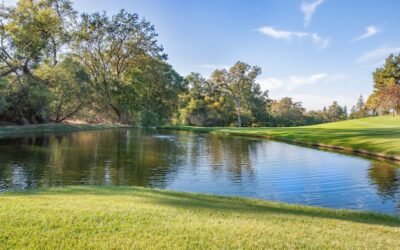
Milton Keynes offers a distinct experience in every season, whether you are cycling along miles of landscaped parkland, discovering wartime heritage, or making the most of indoor entertainment hubs. Finding the ideal time for your trip depends largely on balancing comfortable weather against accommodation costs and school holiday crowds. For most travellers, late spring (May to June) and early autumn (September to October) are the sweet spots, offering mild temperatures, blooming parklands or vibrant autumn foliage, and manageable visitor numbers.
Quick Answer
The best time to visit Milton Keynes is from May to June or September to October. These shoulder months deliver pleasant daytime temperatures between 14°C and 20°C, fewer crowds at major attractions like Bletchley Park and Willen Lake, and significantly lower hotel rates compared to the peak summer holiday period.
Key Takeaways
- Peak Season (July–August): Best for outdoor water sports and festivals, but brings peak accommodation rates and large school holiday crowds.
- Shoulder Seasons (May–June & September–October): Ideal balance of warm weather, active greenery, manageable queues, and fair prices.
- Low Season (November–February): Coldest weather and shortest daylight hours, but offers the cheapest hotel rates and prime shopping discounts.
- Indoor Contingencies: Venues like Snozone, Xscape, and the National Museum of Computing make Milton Keynes a reliable year-round destination even in wet weather.
1. Spring (March to May): Mild Weather and Blooming Parkland
Spring is one of the most rewarding times to explore Milton Keynes as the city’s extensive network of green spaces awakens. Maintained by The Parks Trust, over 6,000 acres of parkland and river corridors burst into bloom, while tourism numbers remain steady and affordable.
1.1 Weather: Warming Up with Variable Conditions
- March: A transitional month with average daytime temperatures between 5°C and 10°C (41–50°F). Sunny mornings can quickly turn chilly or damp, and overnight ground frosts remain common. Layers and a windproof, waterproof jacket are essential.
- April: Temperatures rise to comfortable daytime averages of 8°C to 14°C (46–57°F). While famous for brief showers, April also brings significantly longer daylight hours for outdoor cycling and walking along the Grand Union Canal.
- May: Widely regarded as one of the best months of the year. Daily averages reach 11°C to 17°C (52–63°F), rainfall remains moderate, and park trees reach full leaf canopy. Public gardens such as Great Linford Manor Park are at their most picturesque.
1.2 Crowds: Calm Ahead of the Summer Rush
- March: Quiet across both outdoor parks and major indoor attractions. Queues are virtually non-existent on weekdays.
- April: Expect a moderate spike in family visits during the two-week school Easter holidays, particularly around Gulliver’s Land and Snozone. Outside of Easter week, crowd levels remain low.
- May: A vibrant atmosphere builds without feeling congested. Two UK bank holiday weekends bring higher local footfall to shopping areas and lakeside trails, but regular weekdays remain relaxed.
1.3 Costs and Value
- Travel & Rail: Rail services via the West Coast Main Line into Milton Keynes Central offer competitive Advance fares during spring.
- Accommodation: Hotel rates remain well below peak summer tariffs, though booking in advance for May bank holiday weekends is recommended.
- Attractions: Standard admission rates apply without peak holiday surcharges. Seasonal boat hires on Willen Lake and canal cruises typically restart operations during this period.
Pro Tip: Visit Campbell Park and the Tree Cathedral in late April and May to enjoy early-season blooms and open walking paths before the summer festival stages are constructed.
2. Summer (June to August): Warm Days, Water Sports, and Peak Crowds
Summer is the most active season in Milton Keynes, making it the prime time for outdoor activities, open-air theatre, and lakeside leisure. However, higher visitor numbers and peak accommodation pricing require earlier booking.
2.1 Weather: Long Daylight Hours and Warm Spells
- June: Average temperatures range from 14°C to 20°C (57–68°F) with approximately 16 hours of daily daylight. Midsummer brings optimal conditions for cycling the Redway network.
- July: Historically the warmest month, averaging 16°C to 22°C (61–72°F), with occasional heatwaves exceeding 28°C (82°F). Perfect for water sports on Willen Lake.
- August: Similar warmth with daily averages of 15°C to 21°C (59–70°F). Evenings begin to draw in slightly by late August, with occasional late-summer thunderstorm activity.
2.2 Crowds: Peak Family Travel
- June: Manageable during early June, becoming progressively busier as school terms wrap up toward the end of the month.
- July & August: The busiest period of the year. The UK school summer holidays (late July through August) bring high visitor numbers to family hubs like Gulliver’s Land, Splash ‘n’ Play at Willen Lake, and Centre:MK. Advance booking for attractions and dining is strongly advised.
2.3 Accommodation and Transport Costs
- Accommodation: Hotel and serviced apartment rates reach their annual high, particularly on weekends and dates coinciding with events at Stadium MK or the National Bowl.
- Travel: Peak summer rail tickets cost more if booked last minute. Secure Advance single tickets 8 to 12 weeks ahead for the lowest rates.
Warning: Car parks around Willen Lake and Campbell Park fill quickly on sunny July and August weekends. Plan to arrive before 10:30 AM or utilize local bus routes and Redway cycle paths.
3. Autumn (September to November): Golden Foliage and Calmer Paths
Autumn brings a peaceful transition across Buckinghamshire. With children back in school, crowd levels drop rapidly while weather conditions remain crisp and suitable for sightseeing.
3.1 Weather: Crisp Air and Rich Seasonal Colour
- September: Often delivers pleasant “Indian Summer” days with averages between 12°C and 18°C (54–64°F). It remains one of the most reliable months for dry walking and outdoor photography.
- October: Cooler air sets in, with daytime highs of 9°C to 14°C (48–57°F). Autumn woodland colours peak across ancient woodlands such as Shenley Wood and Howe Park Wood.
- November: Noticeably cooler and wetter, dropping to 5°C to 10°C (41–50°F). Shorter days make this a great time to pivot toward historical indoor exhibits and leisure complexes.
3.2 Crowd Levels: Post-Summer Calm
- September: Exceptionally quiet during weekdays. Major attractions like Bletchley Park offer relaxed viewing without tour congestion.
- October: Steady visitor numbers throughout the month, with a brief mid-term surge during the late October school half-term week.
- November: One of the quietest months of the year, offering serene walks and uncrowded retail spaces.
3.3 Costs: Off-Peak Value
- Hotels: Excellent rates become widely available, particularly for mid-week stays.
- Attractions: Standard pricing remains, with occasional promotional packages for autumn events and exhibitions.
4. Winter (December to February): Festive Energy and Budget Travel
Winter in Milton Keynes combines cold weather with lively seasonal shopping and indoor sports. If you are travelling on a budget or looking for indoor activities, winter offers notable cost advantages.
4.1 Weather: Cold, Frosty, and Occasional Snow
- December: Cold and damp, with averages of 3°C to 8°C (37–46°F) and daylight fading by 4:00 PM. Frost is common, while snow occurs intermittently.
- January: The coldest month of the year, with daytime temperatures hovering between 2°C and 7°C (36–45°F). Crisp, clear winter mornings provide invigorating walking weather, though rain is frequent.
- February: Similar to January, averaging 2°C to 8°C (36–46°F). Late February often sees the first signs of early spring bulbs in parkland areas.
4.2 Crowd Patterns
- December: Very busy in retail and entertainment hubs such as Centre:MK, Midsummer Place, and the Theatre District due to Christmas shopping and seasonal pantomimes.
- January & February: Outside of the mid-February school half-term, visitor traffic is at its annual low, providing a peaceful experience at museums and leisure centres.
4.3 Costs: Maximum Travel Savings
- Hotels: January and February provide the lowest room rates of the year, making it the most cost-effective window for budget-conscious travellers.
- Shopping & Leisure: Major post-Christmas sales throughout January make it an attractive time for retail visits, while indoor attractions like Snozone offer winter-themed recreation regardless of outside conditions.
Note: Milton Keynes was uniquely designed so that Midsummer Boulevard aligns directly with the rising sun on the Summer Solstice. If visiting in late June, head to the top of Campbell Park at dawn to witness the alignment.
5. Key Events and Specific Travel Interests
Specific interests, regional festivals, and purpose-driven trips can help determine the ideal window for your stay.
5.1 Major Festivals and Cultural Events
- IF: Milton Keynes International Festival: Held biennially in July, this world-class arts festival transforms Campbell Park and public spaces with large-scale installations, acrobatics, and music.
- Summer Solstice: In late June, community gatherings take place along Midsummer Boulevard and Campbell Park to celebrate the architectural alignment of the city grid.
- Winter Lights and Festive Displays: From mid-November through December, extensive festive light installations and ice-skating attractions operate in the city centre.
5.2 Heritage and Indoor Attractions
- Bletchley Park & TNMOC: The historic home of the World War II Codebreakers and the adjacent National Museum of Computing are fully indoor heritage sites that can be comfortably enjoyed in any season, especially during quieter autumn and winter weekdays.
- Xscape & Snozone: Milton Keynes features real-snow indoor skiing, indoor skydiving, and cinema complexes that operate year-round, serving as reliable wet-weather alternatives.
5.3 Business Travel and School Holidays
- Business Visitors: Because Milton Keynes is a major UK commercial and conference hub, mid-week hotel rates can rise during peak corporate conference windows in spring and autumn.
- Family Travel: Visiting during the UK school holidays (Easter, late July–August, late October, and mid-February) ensures all seasonal children’s activities are open, but requires booking tickets and parking well in advance.
Frequently Asked Questions
What is the best time to visit Milton Keynes based on weather?
The best time for comfortable weather is from June to August, when daytime temperatures average 18°C to 22°C with long daylight hours. If you prefer mild conditions with less heat, late spring (May) and early autumn (September) also offer very pleasant weather for exploring parklands and cycling routes.
When is the best time to visit Milton Keynes to avoid crowds?
To avoid crowds, visit during the shoulder months of March to April (excluding Easter week), September to October (excluding the half-term holiday), or mid-week during January and February. Major heritage and shopping sites are quiet and easy to navigate during these periods.
What is the most cost-effective time to visit Milton Keynes?
The most budget-friendly time to visit is during January and February. Post-holiday hotel occupancy drops significantly, leading to the lowest room rates of the year, alongside substantial retail sales across the central shopping district.
When is the peak tourist season in Milton Keynes?
Peak tourist season runs from late June through August, aligning with warm summer weather and UK school holidays. During this window, popular destinations like Willen Lake, Gulliver’s Land, and local country parks see their highest visitor volumes.
What is the weather like in Milton Keynes during the winter months?
Winter (December to February) is typically cold and damp, with average daytime temperatures between 2°C and 8°C. Ground frost is common, and occasional light snow occurs. Warm, waterproof clothing is recommended if you are visiting outdoor parks during these months.
Sources
- Met Office UK Climate Averages — Regional climate records and seasonal averages for Southern and Eastern England.
- The Parks Trust Milton Keynes — Environmental stewardship, parkland trail guides, and public event schedules.
- Bletchley Park Trust — Visitor guidelines, exhibition dates, and heritage opening schedules.
- Destination Milton Keynes — Official city visitor economy information and annual events calendar.